“This post contains affiliate links. As an Amazon Associate, I earn from qualifying purchases”
If you’re looking to lighten up your recipes, using milk instead of heavy cream can be a game changer. Not only does it cut down on calories, but it can also provide a different texture and flavor profile to your dishes. From savory sauces to sweet desserts, there are plenty of ways to adapt your favorite recipes with milk. Let’s explore some of these milk recipe adaptations and see how they can enhance your cooking.
Key Takeaways
- Milk can be a healthier substitute for heavy cream in many recipes.
- Different cultures have their own unique takes on milk pudding.
- Using whole milk is best for creamy sauces like Alfredo.
- You can easily adapt classic recipes to use milk instead of cream.
- Experiment with toppings and flavors to customize your milk pudding.
Exploring Milk Recipe Adaptations
Milk is often overlooked as a simple beverage, but it’s a powerhouse ingredient in the kitchen. It can be a surprisingly effective substitute for heavier ingredients like heavy cream, opening up a world of possibilities for lighter, healthier, and more budget-friendly dishes. Let’s explore how you can adapt your favorite recipes using milk.
Benefits of Using Milk
Using milk instead of heavy cream offers several advantages. First, it significantly reduces the fat and calorie content of your dishes. This is great if you’re watching your weight or trying to eat healthier. Second, milk is generally more affordable and readily available than heavy cream. This makes it a practical choice for everyday cooking. Finally, milk’s lighter flavor profile can allow other ingredients to shine, creating a more balanced and nuanced taste.
Common Substitutions
Milk can be used in a variety of substitutions. Here are a few common examples:
- Sauces: Use milk in place of heavy cream in pasta sauces, soups, and gravies. You might need to add a thickening agent like flour or cornstarch to achieve the desired consistency.
- Baking: Milk can replace heavy cream in many baking recipes, such as cakes, muffins, and cookies. The result will be a slightly lighter and less rich product.
- Desserts: Milk is a great substitute in desserts like puddings, custards, and ice cream. It will create a lighter, less decadent treat.
Nutritional Considerations
When substituting milk for heavy cream, it’s important to consider the nutritional differences. Milk is lower in fat and calories but also contains less of certain vitamins and minerals found in heavy cream. Here’s a quick comparison:
| Nutrient | 1 cup Heavy Cream | 1 cup Whole Milk |
|---|---|---|
| Calories | 821 | 149 |
| Total Fat | 88g | 8g |
| Saturated Fat | 55g | 5g |
| Protein | 7g | 8g |
Keep in mind that the type of milk you use (whole, 2%, 1%, or skim) will also affect the nutritional content of your dish. Whole milk will provide a richer flavor and texture, while lower-fat options will further reduce the calorie and fat content. If you’re looking for last-minute ingredient substitutions, milk is a great option to consider.
Cultural Variations of Milk Pudding
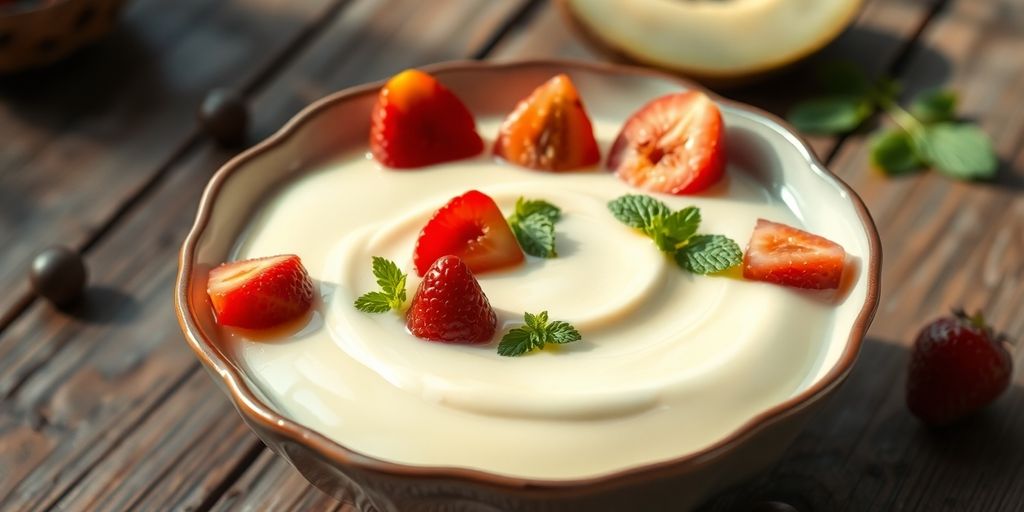
Milk pudding is a global comfort food, showing up in different forms across various cultures. It’s amazing how the same basic idea – milk, sweetener, and a thickener – can transform into such diverse and delicious desserts. Let’s explore a few popular variations.
Muhallabia
Muhallabia is a Middle Eastern milk pudding that’s simple yet elegant. It typically uses milk, sugar, and cornstarch as its base. What sets it apart is the flavoring – often rose water or orange blossom water, which gives it a delicate floral aroma. It’s usually garnished with chopped pistachios or other nuts. You can find many variations of Muhallabia recipes online.
Basundi
Basundi hails from India and is a rich, creamy dessert made by simmering milk over low heat for a long time until it reduces and thickens. Unlike some other milk puddings, it doesn’t rely on added thickeners like cornstarch. The flavor profile is warm and aromatic, thanks to spices like cardamom and saffron. Chopped nuts are a common garnish, adding texture and flavor.
Leche Flan
Leche Flan is the Filipino take on milk pudding, and it’s a custard-like dessert with a smooth, rich texture. It includes evaporated milk and egg yolks, giving it a denser consistency than some other milk puddings. The top is coated with a layer of caramelized sugar, which adds a beautiful golden color and a slightly bitter-sweet flavor that contrasts perfectly with the creamy custard.
Each of these milk puddings showcases how different cultures can take a simple concept and create something unique and delicious. Whether it’s the floral notes of Muhallabia, the spiced warmth of Basundi, or the caramelized sweetness of Leche Flan, there’s a milk pudding out there for everyone to enjoy.
Creating Alfredo Sauce with Milk
Okay, so you want Alfredo sauce but you’re out of heavy cream? No problem! Milk can totally work, and honestly, it’s a bit lighter, which is always a plus. It’s all about knowing a few tricks to get that creamy texture we all crave. Let’s get into it.
Thickening Techniques
The key to a good milk-based Alfredo is thickening it properly. You can’t just swap milk for cream and expect the same results. Here’s what I’ve found works:
- Roux: A classic roux (equal parts butter and flour) is your friend. Cook it for a minute or two to get rid of that raw flour taste before adding the milk. This is probably the most reliable method.
- Cornstarch Slurry: Mix a tablespoon of cornstarch with a little cold milk to make a slurry, then whisk it into the sauce. This works fast, but be careful not to add too much, or it can get gloopy.
- Reduce, Reduce, Reduce: Simmering the sauce for a bit longer helps the milk reduce and thicken naturally. Just keep an eye on it so it doesn’t burn.
Flavor Enhancements
Since milk doesn’t have the same richness as cream, you might need to bump up the flavor a bit. Here are some ideas:
- Garlic: Don’t skimp on the garlic! Freshly minced is always best.
- Nutmeg: A tiny pinch of nutmeg adds a warm, subtle flavor that complements the cheese and garlic.
- Parmesan Power: Use high-quality Parmesan cheese, and don’t be afraid to add extra. Freshly grated is a must; the pre-shredded stuff just doesn’t melt as well. Homemade Alfredo sauce is all about the cheese.
I’ve found that adding a little bit of cream cheese (like, an ounce or two) can really help with the texture and richness. It gives it that extra something that makes you forget you’re not using heavy cream. Just make sure it’s softened before you add it so it blends in smoothly.
Cooking Tips
Here are a few extra tips to help you nail that milk-based Alfredo:
- Low and Slow: Cook the sauce over low heat to prevent the milk from scalding or curdling.
- Whisk Constantly: Keep whisking while the sauce is thickening to ensure it stays smooth and creamy. This is super important!
- Don’t Overcook: Once the sauce reaches your desired consistency, take it off the heat. Overcooking can make it too thick or even separate. You can use this sauce for Chicken Alfredo Lasagna.
| Ingredient | Amount | Notes |
|---|---|---|
| Butter | 2 tablespoons | Unsalted is best |
| Flour (for roux) | 2 tablespoons | All-purpose works great |
| Milk | 2 cups | Whole milk recommended |
| Parmesan Cheese | 1 cup | Freshly grated, good quality |
| Garlic | 2 cloves | Minced |
| Salt & Pepper | To taste | |
| Nutmeg (optional) | Pinch |
Milk Pudding: A Versatile Dessert
Milk pudding is one of those desserts that just feels right, no matter the occasion. It’s simple enough for a weeknight treat but can also be dressed up to impress guests. Its charm lies in its adaptability; you can really make it your own. It’s a blank canvas for flavors and textures, making it a go-to for anyone looking for a sweet ending to a meal.
Serving Suggestions
When it comes to serving milk pudding, the possibilities are pretty much endless. Here are a few ideas to get you started:
- Layer it in a parfait glass with granola and berries for a breakfast-inspired dessert.
- Serve it chilled in small bowls, garnished with a sprinkle of cinnamon or nutmeg.
- Use it as a base for a more elaborate dessert, like a trifle or a layered cake.
I remember one time I made milk pudding for a potluck, and I was running late. I just threw some chopped nuts and a drizzle of honey on top, and everyone raved about it. It just goes to show that you don’t need to spend hours in the kitchen to create something delicious.
Flavor Variations
Don’t be afraid to experiment with different flavors! You can easily customize your milk pudding to suit your taste preferences. Consider these options:
- Add a splash of vanilla extract or almond extract for a classic touch.
- Stir in some cocoa powder for a chocolatey twist.
- Infuse the milk with spices like cardamom or saffron for an exotic flavor.
Topping Ideas
Toppings are where you can really get creative. Think about what flavors and textures you enjoy, and go from there. Here are some popular choices:
- Fresh fruit, such as berries, sliced bananas, or chopped mangoes.
- Chopped nuts, like almonds, walnuts, or pecans.
- A drizzle of honey, maple syrup, or chocolate sauce. You can even add fresh slices of fruits for a refreshing touch.
| Topping | Flavor Profile | Texture |
|---|---|---|
| Fresh Berries | Sweet, Tart | Soft, Juicy |
| Chopped Nuts | Nutty, Earthy | Crunchy |
| Chocolate Sauce | Rich, Sweet | Smooth, Silky |
Healthier Alternatives to Heavy Cream
Low-Fat Options
Okay, so you’re trying to cut back on fat but still want that creamy texture in your recipes? I get it! Heavy cream is delicious, but it’s not exactly a health food. Luckily, there are some great low-fat alternatives you can use. Skim milk or 1% milk are obvious choices, but they might not give you the richness you’re looking for. Try experimenting with evaporated milk; it has a richer flavor than regular milk because some of the water has been removed. Another option is to use a combination of milk and a thickening agent like cornstarch or flour to achieve a similar consistency to heavy cream. Just remember to whisk constantly to avoid lumps!
Dairy-Free Substitutes
Maybe you’re lactose intolerant, vegan, or just trying to avoid dairy. No problem! The dairy-free world has exploded with options in recent years. Almond milk is a popular choice, but it’s pretty thin, so it works best in recipes where you don’t need a lot of thickness. Coconut milk is fantastic for adding richness and a subtle coconut flavor, especially in desserts or curries. Soy milk is another good option, and it tends to be a bit thicker than almond milk. And don’t forget about oat milk! It’s naturally creamy and works well in both sweet and savory dishes.
Caloric Comparisons
Let’s talk numbers. It’s always good to know what you’re actually consuming, right? Here’s a quick comparison of the calorie counts for some common heavy cream alternatives (per 1/2 cup):
| Ingredient | Calories | Fat (g) |
|---|---|---|
| Heavy Cream | 400 | 43 |
| Whole Milk | 75 | 4 |
| Unsweetened Almond Milk | 15 | 1 |
| Light Coconut Milk | 120 | 12 |
As you can see, switching to almond milk or even whole milk can significantly reduce your calorie and fat intake. Of course, these are just averages, and the exact numbers can vary depending on the brand and specific product. But it gives you a general idea of the differences.
I’ve found that using a blend of different substitutes often works best. For example, I might combine almond milk with a tablespoon of cornstarch for thickening, or mix light coconut milk with a bit of silken tofu for extra creaminess. It’s all about experimenting and finding what works for your taste and the specific recipe you’re making.
Tips for Perfecting Milk-Based Sauces

A gentle stir now can save you from a sandy sauce later.
Avoiding Gritty Textures
When you whisk milk with flour or starch, lumps are the main enemy. Start by:
- Sifting flour or cornstarch before mixing with a small amount of cold milk.
- Whisking vigorously as you pour in warm milk, a little at a time.
- Keeping heat low once the sauce begins to thicken.
This stops bits from clumping and gives a smoother finish.
Achieving Creaminess
Creaminess comes from fat and gentle heat. Pick milks with at least 2% fat, like:
| Milk Type | Fat Content | Mouthfeel |
|---|---|---|
| Skim Milk | 0% | Thin |
| 2% Milk | 2% | Light |
| Whole Milk | 3.5% | Medium |
| Half-and-Half | ~10% | Rich |
Don’t rush the simmer—slow heat builds a silkier sauce.
If you need a dairy-free alternative, blend nut milk with a neutral oil just before heating.
Balancing Flavors
A plain milk sauce can taste flat if you forget seasoning. Try:
- Adding salt and pepper in steps, tasting after each pinch.
- Stirring in a squeeze of lemon juice or a dash of vinegar for brightness.
- Folding in fresh herbs or grated cheese at the end to boost flavor.
A little tweak here and there can turn a basic white sauce into something memorable.
Adapting Classic Recipes with Milk
Milk isn’t just for cereal anymore! It’s time to get creative and see how milk can step in for heavier ingredients in some of your favorite recipes. You might be surprised at how versatile it is. I’ve been experimenting in my own kitchen, and the results have been pretty awesome. Let’s explore some ways to make classic dishes a little lighter and still delicious.
Baking with Milk
Baking is where milk really shines. You can often swap milk for cream or even butter (with some adjustments) in cakes, muffins, and cookies. It won’t always give you the exact same richness, but it can make for a lighter, healthier treat. I’ve found that adding a tablespoon of melted butter for every cup of milk helps mimic the fat content of cream, keeping things moist and flavorful. For example, you can use milk to create a creamy pasta sauce.
- Cakes: Use milk instead of cream for a lighter crumb.
- Muffins: Milk keeps them moist without being too heavy.
- Cookies: Try milk in place of some of the butter for a slightly chewy texture.
Savory Dishes
Milk can also work wonders in savory recipes. Think creamy soups, sauces, and even casseroles. The key is to thicken the milk properly to get the right consistency. A little cornstarch or flour can go a long way. I recently made a potato gratin with milk instead of cream, and it was a hit! It was lighter but still had that comforting, cheesy flavor.
- Soups: Milk adds creaminess without the extra fat.
- Sauces: Thicken with a roux for a smooth texture.
- Casseroles: Use milk as a base for a lighter, healthier dish.
Dessert Innovations
Beyond milk pudding, there are tons of other desserts you can make with milk. Puddings, custards, and even ice cream can be made with milk as the main ingredient. The trick is to add enough flavor and sweetness to make up for the lack of fat. Vanilla extract, chocolate, or even a little bit of fruit can do the trick. I’ve been playing around with a milk-based panna cotta, and it’s surprisingly good!
- Puddings: Experiment with different flavors and toppings.
- Custards: Milk makes for a lighter, less rich custard.
- Ice Cream: Use milk as a base for a healthier frozen treat.
I’ve found that using whole milk gives the best results in most recipes, but you can also use lower-fat milk if you’re really trying to cut back on calories. Just be aware that it might affect the texture and flavor of the final dish. Also, don’t be afraid to experiment with different types of milk, like almond or soy milk, for a dairy-free option.
Wrapping It Up
So, there you have it! Swapping heavy cream for milk can really change the game in your cooking. It’s a simple switch that can make your dishes lighter and a bit healthier without losing that creamy goodness we all love. Whether you’re making Alfredo sauce or a comforting milk pudding, using milk opens up a world of possibilities. Plus, it’s often something you already have in your fridge. So next time you’re in the kitchen, don’t hesitate to give it a try. You might just find a new favorite way to cook!
Frequently Asked Questions
Can I use milk instead of heavy cream in recipes?
Yes, you can use milk instead of heavy cream in many recipes. Just keep in mind that you might need to add something to thicken it, like flour or cornstarch.
What are the benefits of using milk instead of heavy cream?
Using milk can make your dishes lighter and lower in calories and fat. It’s also usually cheaper than heavy cream.
How do I make Alfredo sauce with milk?
To make Alfredo sauce with milk, start by melting butter, then add flour to thicken it. Slowly stir in the milk and cheese until smooth.
Are there any dairy-free substitutes for heavy cream?
Yes, you can use coconut milk, almond milk, or soy milk as dairy-free substitutes for heavy cream.
What is the best way to thicken milk for sauces?
You can thicken milk by adding flour, cornstarch, or by simmering it to reduce the liquid.
Can I make milk pudding without sugar?
Yes, you can make milk pudding without sugar by using alternative sweeteners like honey or maple syrup.