“This post contains affiliate links. As an Amazon Associate, I earn from qualifying purchases”
Cooking with milk can be tricky, especially when it comes to keeping it smooth and creamy. Curdling and separation can ruin your dishes, but with the right techniques, you can avoid these mishaps. In this article, we’ll explore some simple methods to help you master milk cooking techniques, ensuring your sauces and soups turn out perfectly every time.
Key Takeaways
- Heat milk gently to avoid curdling.
- Choose higher fat dairy products for better results.
- Incorporate starches to stabilize milk in recipes.
- Add acidic ingredients carefully and balance them with starch.
- Season your dishes at the end to prevent curdling.
Understanding Milk Emulsions
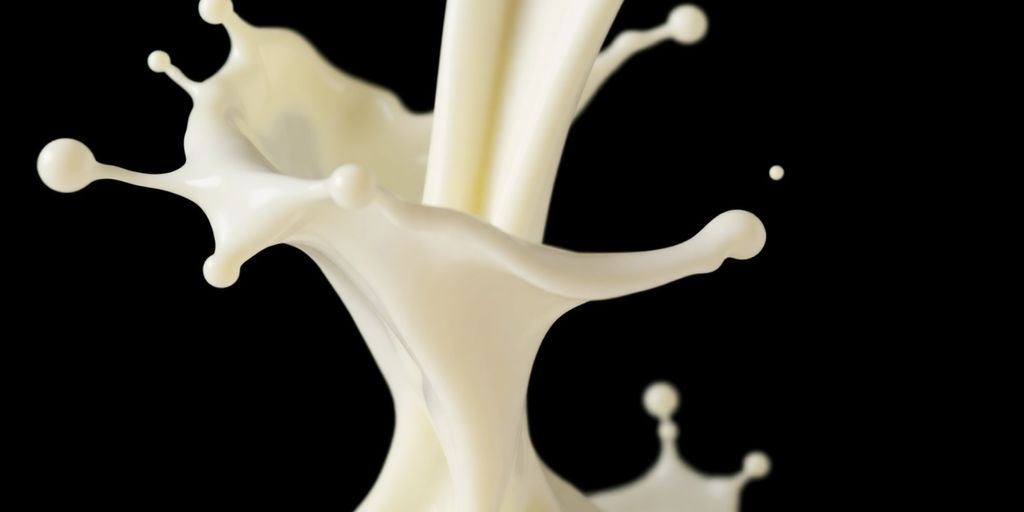
What Is an Emulsion?
Okay, so what exactly is an emulsion? Simply put, it’s a mixture of two liquids that don’t normally mix well, like oil and water. Think of salad dressing – you have to shake it up to get the oil and vinegar to combine temporarily. Milk is a more stable emulsion, where fat droplets are dispersed in a water-based solution. This is thanks to some clever chemistry, but we’ll get to that.
Components of Milk
Milk isn’t just one thing; it’s a complex cocktail of different components all working together. Here’s a quick rundown:
- Water: Makes up the bulk of milk, acting as the solvent for everything else.
- Fat: Exists as tiny globules, contributing to the richness and flavor. The amount varies depending on the type of milk.
- Proteins: Primarily casein and whey proteins, which help stabilize the emulsion and provide nutritional value.
- Sugars: Lactose is the main sugar, providing sweetness and energy.
- Minerals & Vitamins: Calcium, potassium, and various vitamins are also present in smaller amounts.
How Emulsions Break Down
Ever had a sauce or soup where the milk separated and looked kinda gross? That’s emulsion breakdown, also known as broken sauce. Several factors can cause this, and it’s not always pretty. Here’s what to watch out for:
- Heat: High temperatures can cause the proteins to coagulate and the fat to separate.
- Acidity: Acidic ingredients like lemon juice or tomatoes can destabilize the proteins.
- Agitation: Over-stirring or vigorous boiling can disrupt the emulsion.
Think of it like a house of cards. Everything is balanced, but if you remove one card (like a protein being denatured by heat), the whole thing can collapse. Keeping the emulsion stable is key to smooth, creamy results. That’s why understanding how these components interact is so important for cooking with milk. It’s not just about throwing ingredients together; it’s about understanding the science behind it.
Gentle Heating Techniques
Avoiding Rapid Temperature Changes
Okay, so you’re trying to make a creamy sauce or a smooth soup, and the last thing you want is for the milk to curdle. One of the biggest culprits behind curdling is rapid temperature changes. Think of it like this: milk is delicate. It doesn’t like being shocked. Instead of blasting the heat, go low and slow.
- Start with a lower temperature.
- Gradually increase the heat.
- Stir constantly to distribute heat evenly.
Using a Double Boiler
If you’re serious about preventing curdling, a double boiler is your best friend. It’s basically a pot within a pot, with water simmering in the bottom one. This indirect heat is super gentle and helps prevent the milk from scorching or curdling. I use mine all the time for delicate sauces and custards. It’s a game changer. You can also use a kitchen tool to help with the process.
Simmering Instead of Boiling
Boiling milk is basically asking for trouble. It’s almost guaranteed to curdle. Simmering, on the other hand, is much more forgiving. You want to see tiny bubbles forming around the edges of the pot, but definitely no rapid bubbling. If you see it boiling, pull it off the heat immediately. Simmering allows the milk to heat through gently, reducing the risk of separation. Many sauce recipes need to be reduced and thickened, which means gently simmering to achieve the desired consistency. With sauces, you can achieve the desired consistency by simmering.
I always keep a close eye on the milk when I’m heating it. I never walk away, and I’m constantly stirring. It might seem like overkill, but it’s worth it to avoid a curdled mess. Trust me, you don’t want to have to start over.
Choosing the Right Dairy Products
When it comes to cooking with milk, the type of dairy product you choose can significantly impact the final result. It’s not just about taste; it’s about stability and how the milk will react to heat and other ingredients. Let’s explore the options.
Benefits of Higher Fat Content
Dairy products with a higher fat content are generally more stable and less prone to curdling. This is because the fat molecules help to protect the milk proteins from denaturing and clumping together. Think of it as a shield against the harsh realities of cooking. When you’re making a delicate sauce or soup, reaching for a higher fat option can be a game-changer. It’s why restaurants often use heavy cream for sauces; it can withstand higher temperatures without milk curdling.
Comparing Milk Types
Different types of milk behave differently when heated. Here’s a quick rundown:
- Whole Milk: Contains a good amount of fat, making it relatively stable. A solid choice for everyday cooking.
- 2% Milk: Less fat than whole milk, so it’s slightly more prone to curdling. Still usable, but requires a bit more care.
- Skim Milk: The lowest fat option, and the most likely to curdle. Best avoided in recipes where milk is heated directly.
- Evaporated Milk: A shelf-stable milk product where about 60% of the water has been removed. This concentrated form can add richness and is less prone to curdling due to its altered protein structure.
- Condensed Milk: Sweetened evaporated milk, primarily used in desserts. The high sugar content also helps stabilize it.
Using Cream for Sauces
Cream is your secret weapon for smooth, rich sauces. Its high fat content makes it incredibly stable, allowing you to simmer or even boil it without fear of curdling. Plus, it adds a luxurious texture and flavor that’s hard to beat. If you’re aiming for a restaurant-quality sauce, cream is the way to go. You can even use whipping cream for an even richer result.
Using cream instead of milk can really elevate your sauces and soups. It’s a simple swap that makes a big difference in both texture and flavor. Just remember that cream is higher in calories and fat, so use it in moderation if you’re watching your intake.
Incorporating Starches for Stability
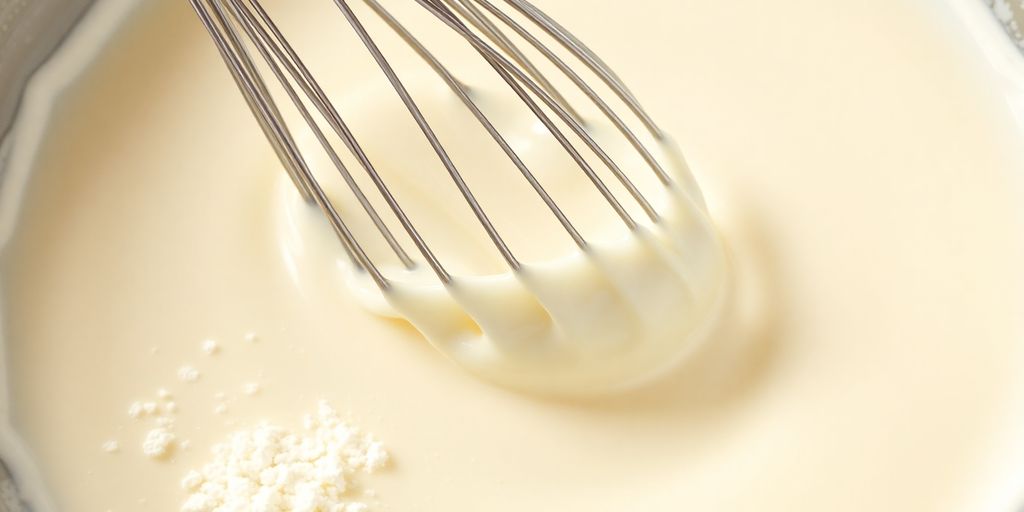
So, you’re trying to make a creamy sauce or soup, and milk is involved? Smart move! But milk can be a bit of a diva, especially when heat and other ingredients enter the picture. That’s where starches come in. They’re like the bodyguards of your milk, protecting it from curdling and separation. Let’s explore how to use them effectively.
Using Roux in Sauces
A roux is a classic way to start many sauces, and it’s fantastic for stabilizing milk. Basically, you cook equal parts of butter and flour together until it forms a paste. The cooking process is important because it mellows out the flour’s raw taste and gives the roux its thickening power. The longer you cook the roux, the darker it gets and the nuttier the flavor becomes, but it also loses some of its thickening ability.
Here’s a quick guide:
- White Roux: Cooked for just a few minutes, used for béchamel sauce.
- Blond Roux: Cooked a bit longer, used for velouté sauce.
- Brown Roux: Cooked until it’s a light brown color, used in some Cajun dishes.
Once your roux is ready, you gradually whisk in your milk, making sure to break up any lumps. The roux will help the milk stay smooth and prevent it from separating, even when you add other ingredients.
Creating a Slurry
A slurry is a simple mixture of starch and cold water. It’s a quick and easy way to thicken sauces and soups, and it’s especially useful when you don’t want the added fat from a roux. To make a slurry, just whisk together equal parts of starch (like cornstarch or arrowroot) and cold water until it’s smooth. Then, slowly pour the slurry into your simmering liquid, stirring constantly. The mixture will thicken up pretty quickly.
Thickening with Cornstarch
Cornstarch is a powerhouse when it comes to thickening liquids. It’s cheap, readily available, and very effective. However, there are a few things to keep in mind when using cornstarch. First, always mix it with cold water to form a slurry before adding it to hot liquids. This prevents the cornstarch from clumping up. Second, don’t add too much cornstarch, or your sauce will become gloopy. A little goes a long way. Finally, be aware that cornstarch can lose its thickening power if it’s boiled for too long, so add it towards the end of cooking.
Using starches is a great way to keep your milk-based sauces and soups smooth and creamy. Whether you choose a roux, a slurry, or just plain cornstarch, these techniques will help you avoid curdling and separation. Just remember to add the starch properly and don’t overcook it, and you’ll be well on your way to delicious, stable milk creations.
And remember, if you want to avoid curdling while heating milk, whisk in 2 teaspoons of cornstarch.
Managing Acidity in Recipes
Identifying Acidic Ingredients
Okay, so you’re making a creamy tomato soup, or maybe a pasta with a lemon cream sauce. Sounds delicious, right? But then the milk curdles, and it’s all downhill from there. The culprit? Acid! Ingredients like tomatoes, lemon juice, wine, and vinegar are all acidic and can cause milk to curdle. It’s important to know what you’re working with. I always give my recipes a quick scan to see what potential acid bombs are lurking.
Balancing Acids with Starches
So, you’ve got your acidic ingredients, but you still want that creamy texture. What do you do? Starches are your friend! They help to stabilize the milk emulsion and prevent it from separating. Think of it like this: the starch creates a buffer zone, protecting the milk from the acid’s harshness. You can use a cornstarch slurry or a roux to achieve this.
- Roux: Cook equal parts butter and flour until smooth, then gradually whisk in your liquids.
- Slurry: Mix cornstarch with cold water until smooth, then whisk into your simmering sauce.
- Add the starch mixture before the milk.
Balancing acidity is key to preventing curdling. Using starches not only helps stabilize the milk but also adds a nice thickness to your sauce or soup. It’s a win-win!
Timing Acid Addition
Timing is everything! If you’re adding an acidic ingredient, like lemon juice, to a milk-based sauce, add it at the very end of the cooking process. The longer the milk is exposed to the acid, the greater the chance of curdling. So, wait until the sauce is almost done, then stir in the acid right before serving. This minimizes the contact time and helps keep your sauce smooth and creamy. It’s a simple trick, but it can make all the difference. I learned this the hard way after a few disastrous attempts at lemon cream pasta!
Proper Seasoning Techniques
When to Add Salt
Salt can be tricky when you’re cooking with milk. I’ve definitely made the mistake of adding it too early and ended up with a grainy mess. The best practice is to add salt towards the end of the cooking process. This is because salt can sometimes encourage milk to curdle, especially if there are other acidic ingredients present. Plus, flavors tend to concentrate as things simmer and reduce, so you’ll get a better sense of how much salt you actually need if you wait until the end. It’s always easier to add more than to take away!
Using Fresh Herbs
Fresh herbs can really brighten up a milk-based dish. I love using them, but I’ve learned a few things along the way:
- Add delicate herbs like basil or parsley right at the end. Their flavors are volatile and can disappear if cooked for too long.
- Heartier herbs like thyme or rosemary can be added earlier in the cooking process. They can withstand longer cooking times and infuse their flavors more deeply.
- Consider using a cheesecloth or tea infuser for herbs that might have tough stems or leaves. This way, you get the flavor without the texture.
Avoiding Salt Early in Cooking
Adding salt too early can mess with the texture of your milk-based sauces and soups. It’s not just about curdling; it can also affect how the proteins in the milk behave. I’ve found that waiting until the end gives me more control over the final product. Plus, sometimes you don’t even need as much salt as you think! A little taste at the end can save you from over-salting. Consider using chef-approved spice blends like Adobo seasoning to enhance flavors without the risk of curdling.
I once added salt at the beginning of a béchamel sauce, and it turned out grainy and separated. It was a total disaster! Now, I always wait until the very end, and my sauces are much smoother and more flavorful. It’s a simple change, but it makes a huge difference.
Tempering Milk for Smoothness
What Is Tempering?
Tempering milk is basically a way to prevent it from curdling when you add it to something hot. Think of it as gently introducing the milk to the higher temperature instead of shocking it. It’s all about avoiding sudden temperature changes that can cause the milk proteins to seize up and separate. Nobody wants lumpy milk in their sauce, right?
How to Temper Milk
Here’s the lowdown on how to temper milk like a pro:
- Start by taking a small amount of the hot liquid you’re working with (like soup or sauce) and slowly whisk it into the cold milk. Do this gradually!
- Keep adding small amounts of the hot liquid, whisking constantly, until the milk feels warm to the touch. You’re essentially raising the milk’s temperature bit by bit.
- Once the milk is warm, you can then slowly pour it into the rest of the hot liquid, stirring continuously. This gradual introduction prevents curdling.
Tempering is especially important when you’re dealing with recipes that have acidic ingredients, like tomato soup or cream-based pasta with lemon. The acid can make milk curdle even faster, so tempering becomes extra crucial.
Benefits of Gradual Mixing
So, why go through all this tempering trouble? Well, the benefits are pretty clear:
- No curdling: The biggest win is avoiding those unsightly and unappetizing lumps of curdled milk.
- Smooth texture: Tempering helps maintain a smooth, creamy texture in your sauces and soups. It’s all about that silky mouthfeel.
- Even consistency: By gradually raising the milk’s temperature, you ensure it blends evenly with the other ingredients, creating a consistent and stable emulsion. This is especially important when you [heat the milk](#e267].
| Benefit | Description |
|---|---|
| Prevents Curdling | Avoids lumpy textures by gradually adjusting the milk’s temperature. |
| Smooth Texture | Maintains a creamy consistency in sauces and soups. |
| Even Consistency | Ensures milk blends uniformly with other ingredients for a stable emulsion. |
Wrapping It Up
So, there you have it! Cooking with milk doesn’t have to end in a curdled disaster. Just remember to heat it gently, avoid boiling, and be careful with acidic ingredients. If you want to keep things smooth, consider using cream or adding some starch to stabilize your dish. And hey, if you do end up with curdled milk, don’t throw it out right away. There are ways to salvage it. With these tips in your back pocket, you’ll be whipping up creamy sauces and soups like a pro in no time!
Frequently Asked Questions
What causes milk to curdle when cooking?
Milk can curdle when heated too quickly or when it comes into contact with acidic ingredients like lemon juice or tomatoes.
How can I heat milk without curdling it?
Heat milk slowly over medium-low heat and avoid boiling it to prevent curdling.
Is it better to use whole milk or low-fat milk in sauces?
Whole milk is less likely to curdle than low-fat milk because it has a higher fat content.
What is tempering milk and why is it important?
Tempering milk means warming it slowly before adding it to hot dishes. This helps prevent curdling.
Can I use cornstarch to prevent milk from curdling?
Yes, adding cornstarch can help stabilize the milk and prevent it from separating.
When should I add salt to my milk-based dishes?
It’s best to add salt at the end of cooking to avoid curdling the milk.