“This post contains affiliate links. As an Amazon Associate, I earn from qualifying purchases”
Raising chickens can be a rewarding experience, especially when you choose to do it without relying on antibiotics. Many chicken keepers are looking for ways to promote health and wellness in their flocks naturally. This guide will walk you through the essentials of how to raise chickens without antibiotics, focusing on nutrition, natural remedies, and proper care to keep your birds healthy and thriving.
Key Takeaways
- A strong immune system is vital for preventing diseases in chickens.
- Providing a balanced diet with essential nutrients helps maintain chicken health.
- Natural remedies like oregano, apple cider vinegar, and garlic can support your flock’s well-being.
- Keeping the coop clean and managing waste effectively prevents disease and parasites.
- Regular health checks and monitoring behavior are key to early illness detection.
Understanding Chicken Health Without Antibiotics
Importance Of A Strong Immune System
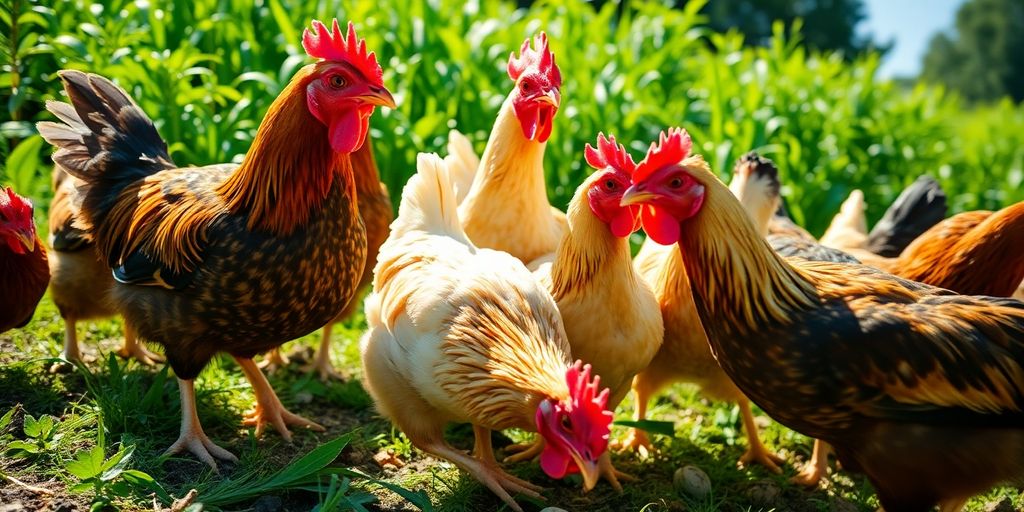
A robust immune system is the cornerstone of raising chickens without relying on antibiotics. Think of it as their first line of defense against all sorts of nasty bugs. When their immune system is working well, they’re much better equipped to fight off infections and diseases naturally. It’s all about giving them the tools they need to stay healthy, so they don’t need our intervention with medications.
- Proper nutrition plays a huge role.
- A stress-free environment is also key.
- Good hygiene in the coop is essential.
I’ve found that focusing on these basics makes a world of difference. It’s like building a little fortress around them, protecting them from the inside out. It’s not always easy, but it’s definitely worth it when you see your flock thriving.
Common Diseases In Chickens
Knowing what your chickens might face is half the battle. Here’s a quick rundown of some common diseases:
- Coccidiosis: This parasitic disease can cause bloody stool and weight loss. Keeping the coop clean is a good way to prevent it.
- Marek’s Disease: A highly contagious viral disease that can cause tumors and paralysis. Vaccination is key.
- Fowl Pox: Causes wart-like lesions on the skin and comb. Prevention through vaccination and mosquito control is important.
It’s also important to remember that chickens molt once a year, during which they stop laying eggs. It’s easy to worry they’re sick, but if they seem fine otherwise, they’re probably just molting. If you are concerned about chicken health, consult a vet.
Signs Of Illness To Watch For
Catching problems early can make a huge difference. Here are some signs that your chickens might be feeling under the weather:
- Changes in their droppings (unusual color or consistency).
- Lethargy or decreased activity.
- Loss of appetite or decreased water intake.
- Respiratory issues like coughing or sneezing.
- Changes in egg production.
If you notice any of these signs, it’s important to isolate the affected chicken and observe it closely. Early detection and intervention can often prevent the need for antibiotics. You can also check their laying habits to see if there are any changes. If you are unsure, seek professional help.
Nutritional Needs For Healthy Chickens
Essential Nutrients For Growth
Okay, so you want healthy chickens? It all starts with what they eat. Think of chicken feed like building blocks for a strong immune system and overall health. Just like us, chickens need a balanced diet to thrive. We’re talking about protein for growth, carbohydrates for energy, and fats for, well, everything else. Vitamins and minerals are also super important – calcium for strong eggshells, for example, is a must.
- Protein: Chicks need a higher percentage of protein (around 20%) to support their rapid growth. Laying hens need at least 16% protein to maintain their health and produce strong eggs.
- Calcium: Laying hens need added calcium to their diets to ensure that they maintain their health and produce strong, nutrient dense eggs.
- Vitamins and Minerals: These are important for overall health and immune function. Look for a feed that is fortified with vitamins and minerals.
It’s easy to forget that chickens have different needs at different stages of their lives. Chicks and pullets require different feed than hens and roosters. Make sure you’re providing the right feed for the age and type of your chickens.
Benefits Of Organic Feed
Switching to organic feed can really make a difference. It’s like choosing whole foods over processed stuff for yourself. Organic feed means no synthetic pesticides, herbicides, or fertilizers were used in growing the ingredients. Plus, it often means no genetically modified organisms (GMOs). This can lead to healthier chickens and, if you’re raising them for eggs, potentially healthier eggs too. It might cost a bit more, but many chicken keepers swear it’s worth it for the peace of mind and the potential health benefits. Consider adding supplements to their diet, like poultry treats, to support your chickens’ health and egg quality.
Homemade Chicken Feed Recipes
Want to get really hands-on? Making your own chicken feed is totally doable. It gives you complete control over what your chickens are eating. You’ll need to do some research to make sure you’re providing a balanced diet, but there are tons of recipes online. Think about using ingredients like corn, soybeans, oats, and barley. You can also add supplements like oyster shells for calcium and flaxseed for omega-3 fatty acids. Just be sure to store your homemade feed properly in a metal trash can to keep rodents away. Here’s a basic idea of what a homemade feed recipe might include:
| Ingredient | Percentage | Purpose |
|---|---|---|
| Corn | 40% | Energy |
| Soybean Meal | 30% | Protein |
| Oats | 20% | Fiber |
| Supplements | 10% | Vitamins, minerals, and other nutrients |
- Research: Find reliable recipes and resources to ensure your feed is balanced.
- Storage: Store feed in a cool, dry place to prevent spoilage.
- Adjust: Monitor your chickens’ health and adjust the recipe as needed.
Natural Remedies For Common Ailments
Using Oregano As A Natural Antibiotic
So, you’re trying to avoid antibiotics, huh? Good for you! Oregano is a fantastic option. It contains compounds that act as natural antimicrobials. I’ve been using it for my flock for years, and I’ve seen a real difference. You can add oregano oil to their water – just a few drops per gallon. Or, even better, give them fresh or dried oregano to peck at. They love it!
Here’s a simple way to incorporate oregano:
- Add oregano oil to water (3-5 drops per gallon).
- Mix dried oregano into their feed (about 1%).
- Offer fresh oregano sprigs as a treat.
I started using oregano when one of my hens had a respiratory issue. I was hesitant to use antibiotics, and a friend suggested oregano. Within a few days, she was back to her old self. Now, I use it preventatively, and I haven’t had any major health scares since.
Benefits Of Apple Cider Vinegar
Apple cider vinegar (ACV) is like the Swiss Army knife of chicken keeping. Seriously, it does everything. I always keep a jug on hand. It helps with digestion, keeps the water clean, and can even ward off some parasites. I add it to their water – about a tablespoon per gallon. Make sure you use the kind with “the mother” for the best results. It’s cloudy and full of good stuff. You can find organic chicken feed that already contains ACV, but adding it yourself is cheaper.
Benefits of ACV:
- Aids digestion.
- Reduces algae and bacteria in water.
- May help prevent parasite infestations.
Garlic For Immune Support
Garlic isn’t just for warding off vampires; it’s great for chickens too! It boosts their immune system and can help fight off infections. I like to crush a few cloves and add them to their water, or mix minced garlic into their feed. Some people even hang whole garlic bulbs in the coop. It’s a bit smelly, but it’s worth it. Just make sure they’re getting enough of the good stuff. You can also find supplements that contain garlic, but fresh is always best. Remember that overuse of antibiotics can lead to your chickens building up a resistance, so natural alternatives are a great option.
Here’s how to use garlic:
- Crush a few cloves and add to their water.
- Mix minced garlic into their feed.
- Hang whole garlic bulbs in the coop.
Maintaining A Clean Living Environment
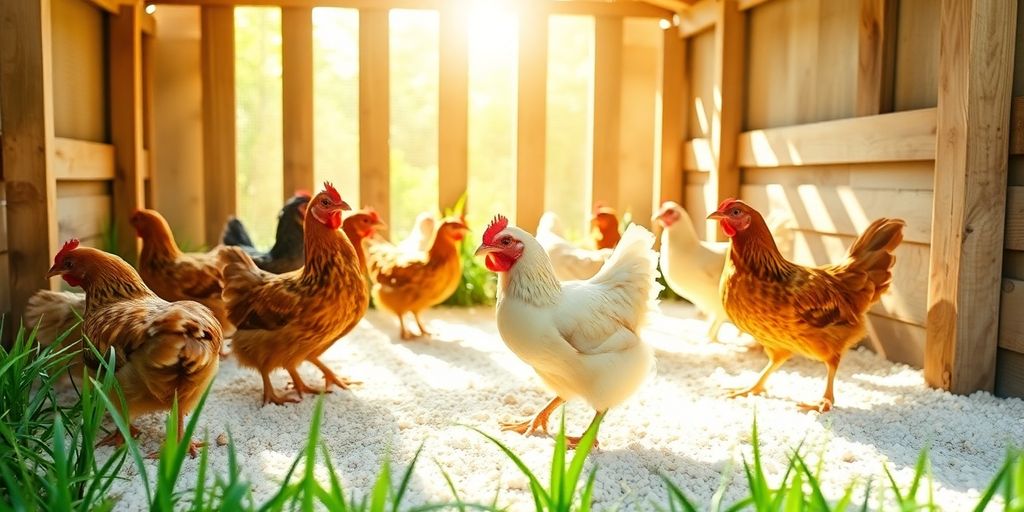
Keeping your chicken coop clean is super important for the health of your flock. It’s not just about appearances; it’s about preventing disease and keeping your chickens happy and productive. A clean coop reduces the risk of parasites and other health problems. Let’s get into the nitty-gritty of how to maintain a spotless and healthy environment for your feathered friends.
Importance Of Coop Hygiene
A clean coop is the first line of defense against many common chicken diseases. Think of it like this: would you want to live in a dirty house? Neither do your chickens! Regular cleaning helps to minimize the build-up of harmful bacteria and ammonia, which can cause respiratory issues and other health problems. Plus, a clean coop is less attractive to pests like rodents and mites.
Here’s a simple checklist for maintaining coop hygiene:
- Daily: Remove any wet or soiled bedding.
- Weekly: Replace all bedding and clean water/feed containers.
- Monthly: Do a deep clean of the entire coop, including roosts and nesting boxes.
Managing Waste Effectively
Chicken poop happens, and lots of it! Managing that waste is key to a healthy coop. There are several ways to handle chicken manure, from composting to using it as fertilizer. Composting is a great option because it turns waste into a useful soil amendment. You can also use the deep litter method, where you add fresh bedding on top of the old, allowing it to compost in place. Just make sure to turn it regularly to prevent it from becoming compacted and smelly.
Proper waste management not only keeps your coop clean but also reduces odors and prevents the spread of disease. It’s a win-win for you and your chickens.
Preventing Parasite Infestations
Parasites like mites, lice, and worms can wreak havoc on your flock’s health. Regular coop cleaning is essential for preventing infestations. Here are some tips:
- Use diatomaceous earth: This natural powder can be sprinkled in the coop and on the chickens to kill parasites.
- Provide dust baths: Chickens naturally dust bathe to get rid of parasites. Make sure they have a designated area with sand and dirt.
- Regularly inspect your chickens: Check for signs of parasites, such as feather loss or excessive scratching. If you find any, treat them promptly with appropriate remedies.
Keeping a clean coop is an ongoing process, but it’s well worth the effort. Your chickens will thank you for it with their health and happiness, and you’ll enjoy fresh eggs from a thriving flock.
Monitoring Chicken Behavior And Health
Daily Health Checks
Okay, so you’ve got your chickens, they’re happily clucking around, but how do you actually know they’re doing okay? It’s all about daily observation. Make it a routine to spend some time just watching your flock. Look for anything out of the ordinary. Are they eating normally? Are they active? Are their feathers looking healthy?
Here’s a quick checklist I use:
- Appearance: Feathers should be smooth and clean, not ruffled or dirty (unless they’ve just had a dust bath!). Check for any signs of feather loss or skin issues.
- Behavior: Are they interacting with each other normally? Are they alert and responsive? Watch out for chickens that are isolating themselves or seem lethargic.
- Droppings: Yes, you gotta look at the poop! Healthy chicken poop should be firm and brown with a white cap. Anything watery, bloody, or unusually colored could be a sign of trouble.
Recognizing Stress Signals
Chickens get stressed too! And a stressed chicken is more susceptible to illness. Learning to spot stress signals is key. One of the first signs is a change in their vocalizations. Instead of happy clucking, you might hear more frequent or louder squawking. They might also start feather-pecking each other more aggressively. Reduced egg production is another big indicator, especially if they were laying regularly before. Keep an eye out for signs of illness like lethargy or isolating themselves.
Stress can come from a lot of things: changes in the environment, new flock members, predators, or even just boredom. Try to identify the source of the stress and address it as quickly as possible. Providing more space, enrichment activities (like dust baths or treat dispensers), or predator protection can all help.
Creating A Comfortable Habitat
A happy chicken is a healthy chicken, and a comfortable habitat is essential for their well-being. First, make sure they have enough space. Overcrowding leads to stress and disease. A good rule of thumb is at least 4 square feet per chicken inside the coop and 8-10 square feet in the run. The coop should be well-ventilated but draft-free, and it needs to stay dry. Damp conditions breed bacteria and parasites. Provide plenty of clean bedding material, like straw or wood shavings, and change it regularly. Also, ensure they have access to fresh, clean water and quality chicken feed at all times. Finally, protect them from the elements. Provide shade in the summer and shelter from the wind and rain in the winter. A comfortable habitat goes a long way in preventing health problems.
Building A Supportive Chicken Community
It’s easy to think of raising chickens as a solo thing, but it really does take a village! Connecting with other chicken keepers can make a huge difference, especially when you’re just starting out. You can learn so much from others’ experiences, share tips, and even find help when you’re in a bind. Plus, it’s just nice to chat with people who understand your chicken obsession!
Connecting With Local Chicken Keepers
Finding other chicken enthusiasts in your area is easier than you might think. Local farming groups are a great place to start. Check out these options:
- Online Forums and Social Media Groups: Search for local chicken-keeping groups on Facebook or other online platforms. These groups are often filled with experienced keepers who are happy to answer questions and share advice.
- Local Agriculture Fairs: Attend local fairs and agricultural events. These events often have poultry exhibits and are a great way to meet other chicken keepers in person.
- Feed Stores: Your local feed store is another excellent place to connect with other chicken owners. The staff can often point you toward local clubs or groups.
Being part of a community can provide support, encouragement, and a wealth of knowledge. Don’t be afraid to reach out and ask questions – most chicken keepers are more than willing to share their experiences and help others succeed.
Resources For Chicken Health Education
Staying informed about chicken health is super important, especially if you’re committed to antibiotic-free practices. There are tons of resources out there to help you learn:
- University Extension Programs: Many universities have extension programs that offer resources and workshops on poultry health and management. These programs often provide evidence-based information and practical advice.
- Poultry Associations: Join a poultry association to access educational materials, conferences, and networking opportunities. These associations often have experts who can answer your questions and provide guidance. Research from U.S. universities is advancing antibiotic-free poultry farming.
- Online Courses and Webinars: Take online courses or attend webinars on chicken health and management. These courses can cover a wide range of topics, from basic care to disease prevention and treatment.
Finding A Veterinarian For Chickens
Finding a vet who knows chickens can be tricky, but it’s essential to have one lined up in case of emergencies. Not all vets have experience with poultry, so it’s worth doing some research to find one who does. Here’s how to find a good one:
- Ask Local Chicken Keepers: The best way to find a chicken vet is to ask other chicken keepers in your area for recommendations. They can share their experiences and point you toward vets who are knowledgeable and reliable.
- Contact Poultry Associations: Poultry associations often have lists of vets who specialize in poultry medicine. Contact your local association for a referral.
- Call Local Veterinary Clinics: Call local veterinary clinics and ask if they have vets who treat chickens. Even if they don’t specialize in poultry, they may be able to provide basic care or refer you to a specialist.
Preparing For Emergencies In Chicken Care
It’s easy to think everything will always be fine with your flock, but chickens, like any animal, can face unexpected health issues or injuries. Being prepared can make a huge difference in their recovery and well-being. Having a plan and the right supplies on hand is key to handling emergencies effectively.
Creating A Chicken First Aid Kit
A well-stocked first aid kit is a must-have for any chicken keeper. Here’s what I keep in mine:
- Gauze pads and vet wrap: For bandaging wounds.
- Antiseptic spray: To clean cuts and scrapes.
- Tweezers: For removing splinters or debris.
- Saline solution: For flushing eyes or wounds.
- Petroleum jelly: To protect and soothe irritated skin.
- Gloves: To maintain hygiene while treating your chickens.
- Chicken-safe wound care spray: Something like Vetericyn can be a lifesaver.
- Contact information for a vet who treats chickens.
Isolating Sick Chickens
If you notice a chicken acting sick, isolating it from the rest of the flock is important to prevent the spread of illness. Set up a separate, clean space for the sick chicken. This could be a spare coop, a large dog crate, or even a cardboard box in a quiet area. Make sure the isolation area has:
- Food and water: Easily accessible.
- Soft bedding: For comfort.
- A heat source: If the chicken is chilled.
Keeping a close eye on the isolated chicken’s behavior and symptoms will help you determine the best course of action. Remember to practice good hygiene when handling sick chickens to protect yourself and prevent further spread of disease.
When To Seek Professional Help
Knowing when to call a vet is crucial. Some situations require professional medical attention. Here are some signs that it’s time to seek help:
- Severe injuries: Deep wounds, broken bones, or significant bleeding.
- Respiratory distress: Labored breathing, coughing, or sneezing.
- Neurological symptoms: Head tilting, paralysis, or seizures.
- Prolonged illness: If a chicken doesn’t improve after a few days of home treatment.
- Unusual behavior: Any sudden or drastic changes in behavior that concern you.
It’s always better to err on the side of caution when it comes to your chickens’ health. Establishing communication with a local veterinarian or state extension service is a great approach to ensure you have support with your babes should any issues arise.
Wrapping It Up: Raising Chickens the Natural Way
So there you have it! Raising chickens without antibiotics is totally doable and can lead to a healthier flock. By focusing on good nutrition, keeping their living space clean, and using natural remedies, you can help your chickens thrive. Remember, it’s all about prevention and being aware of their needs. If you notice any signs of illness, act fast and use what you have at home before things get serious. With a little effort and care, you’ll have happy, healthy chickens that lay delicious eggs for you to enjoy. Happy chicken keeping!
Frequently Asked Questions
Why should I avoid using antibiotics for my chickens?
Using antibiotics too much can make chickens resistant to them, just like it happens in people. This means that if they really need them later, the antibiotics might not work.
What are some signs that my chickens might be sick?
Look for things like not eating, not laying eggs, or acting different than usual. If they are sneezing or have runny eyes, that’s also a sign they might be unwell.
What should I feed my chickens for good health?
Chickens need a balanced diet that includes grains, protein, and vitamins. You can buy organic feed or even make your own with ingredients like grains and greens.
How can I keep my chicken coop clean?
Make sure to clean the coop regularly by removing waste and old bedding. This helps prevent diseases and keeps your chickens healthy.
What natural remedies can I use for my chickens?
You can use oregano oil in their water, apple cider vinegar, or crushed garlic in their food. These can help boost their health without antibiotics.
What should I do if one of my chickens gets sick?
Isolate the sick chicken from the rest of the flock to prevent spreading illness. Keep an eye on them and consult a vet if they don’t get better.