“This post contains affiliate links. As an Amazon Associate, I earn from qualifying purchases”
I noticed small mammals, called voles or meadow mice, digging in my yard. They have round bodies, short tails, and small eyes with brown or gray fur. Voles live in groups.
They create tunnels and holes underground for homes and eat plants, quickly damaging gardens. I found paths in the grass from their constant running back and forth, a clear sign of vole presence nearby.
Signs of Vole Damage
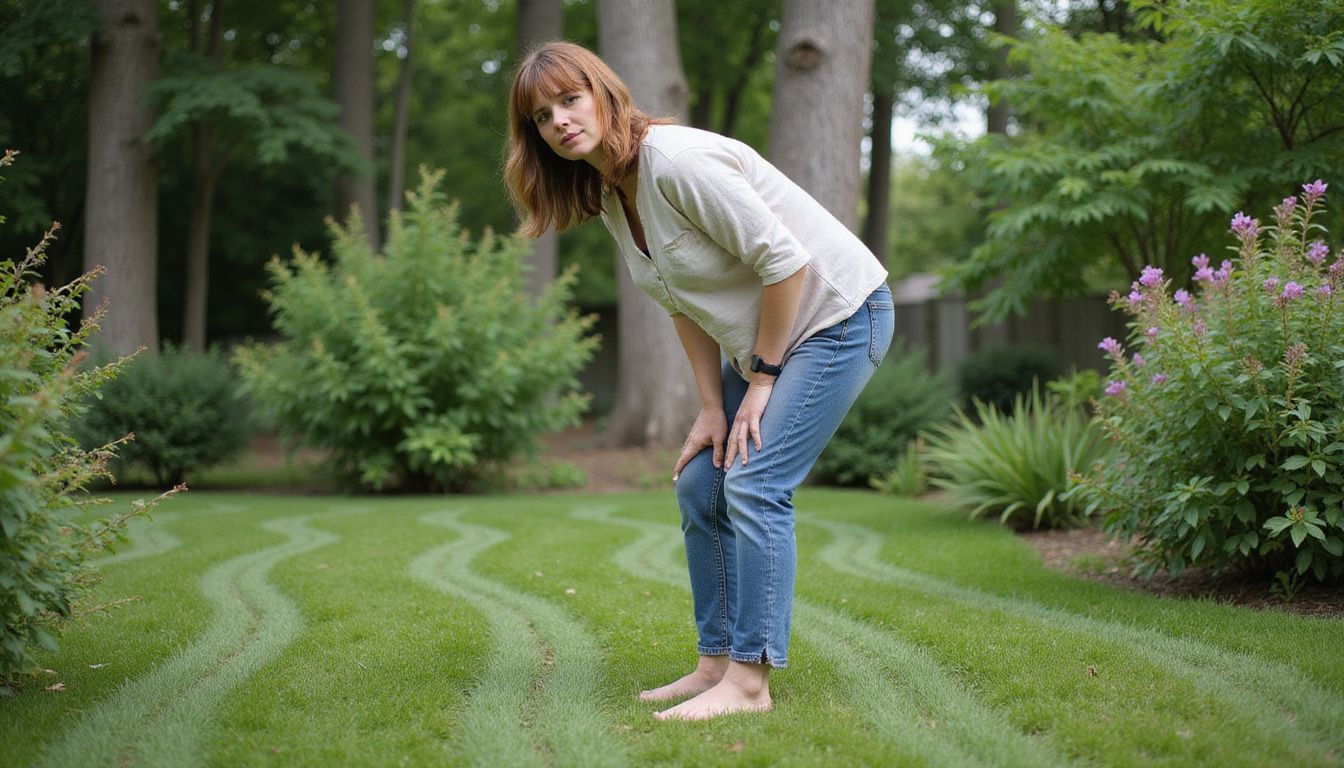
Paths in the lawn and tiny ground holes suggest a vole infestation, damaging flowers, bushes, and trees.
Lawn runways and burrow holes
I found little paths in my yard, showing where voles have been. These lawn runways are their way to move around while staying hidden from predators. Voles also create small holes in the ground for homes and storing food, damaging plants by cutting through their roots.
To fix this, I filled the vole holes with garden soil and seeds. Cutting the grass short makes it easier to spot new damage quickly.
Damage to plants, shrubs, and trees
Voles can damage plants, shrubs, and trees by chewing at their bases. This harms the plants and can kill them. They also go after root systems, causing harm to ornamental grasses and perennials.
To protect your garden from vole damage, prune lower branches and put mesh guards around tree and shrub bases. Also, clear ground cover near these plants to reduce vole hiding spots.
Taking these steps helps keep your garden safe from voles.
What Attracts Voles to Your Yard
I find voles in my yard because they are looking for food and hiding spots. They prefer eating plants and staying in places with thick grass or lots of mulch.
Food sources such as vegetation and roots
Voles eat plants and roots, looking for food like tubers and bulbs from perennial plants in gardens. These pests cause damage by feeding on the underground parts of plants. They also eat grass, seeds, and small trees.
To deter voles, keeping the garden free of debris reduces their food options. Regularly trimming plants helps prevent them from hiding and eating in the garden.
For dense ground cover and mulch…
Dense ground cover and mulch
I’ve found that dense ground cover and thick mulch attract voles, giving them perfect places to hide. To make my yard less appealing, I reduce the thickness of mulch and choose ground covers that are less dense.
This approach makes it harder for voles to dig tunnels since these areas won’t keep soil as moist.
Switching from heavy organic mulches to gravel or coarse bark helps too. These materials don’t retain moisture, which discourages voles from staying. Also, an open garden design improves visibility for natural predators to see and control vole populations.
By keeping the yard clean and free of debris, I limit their habitat options.
Methods to Get Rid of Voles
To handle vole infestations, I use several methods:
– Live traps catch voles safely.
– For tougher cases, mouse traps and specific poisons are effective but require careful use to protect kids and pets.
– Castor oil and peppermint offer natural, pleasant-smelling deterrents.
Live traps for humane removal
I solved my yard’s vole infestation with live traps. These traps catch voles without hurting them. I placed the traps near burrow entrances and their runways, where vole activity was high.
Using apple slices as bait worked best to attract voles. It was important to check the traps frequently so I could release the caught voles quickly, reducing their stress. This method addressed my pest problem while keeping the voles safe.
Mouse traps and bait traps
To deal with voles, I use snap traps and bait traps. Snap traps catch voles by placing them near their runways or burrow entrances. Peanut butter works well as bait.
For larger vole problems, I use bait stations. These keep poisoned bait safe from pets and kids but attract voles. It’s crucial to place these carefully to avoid harming other animals.
Protecting the garden involves quick action against vole invasions.
Commercial repellents
I use store-bought repellents for vole infestation in my yard. Products like coyote urine and hot pepper spray are effective. They save time because they’re ready to use. I just follow the instructions on the label and apply them where voles are active.
Applying these repellents regularly helps protect my garden and lawn from vole damage. The scent of predator urine or the taste of hot pepper keeps voles away by making the environment uninviting for them.
After it rains, I reapply the repellents since water can wash them off.
Natural repellents like castor oil and peppermint
Castor oil keeps voles out of yards. Mixed with water and sprayed over the garden, it repels them due to its smell. Peppermint oil is also effective. Soaking cotton balls in it and placing them near vole holes deters these pests.
Both methods are safe for kids and pets, protecting homes without hurting plants or the environment.
Preventing Voles from Returning
To prevent vole infestations, maintain a tidy yard and install fences or barriers to deter them. Here are more methods:
– Use castor oil as a repellent around your garden.
– Set up live traps to catch voles without harming them.
– Apply predator urine like coyote’s around your yard to scare voles away.
– Modify their habitat by tilling the soil and removing dense vegetation.
– Employ natural predators or set mouse traps to reduce vole numbers.
Habitat modification and yard maintenance
I keep my yard clean to prevent vole infestation. Short grass and less mulch mean fewer hiding spots for voles. Dry soil keeps them away because they prefer moist environments. Wire mesh barriers protect garden plants by blocking voles from root access.
This strategy guards against lawn damage and plant harm caused by voles.
Installing underground fencing or barriers
To stop voles, I install underground fences. These barriers go deep into the soil to prevent voles from burrowing into my garden. Metal meshes or hardware cloth work best since they’re durable and resistant to vole teeth.
Adding gravel around plant bases offers extra protection. Gravel makes it difficult for voles to move, often causing them to abandon the area without harming my yard.
Using gravel or mesh to protect plants
I found a way to prevent vole damage in my garden. I laid down gravel and mesh around the plants. Voles struggle to dig through gravel because it’s rough. The small holes in the mesh also block them from reaching plant roots.
These methods are affordable and easy to install. They protect my garden without harming wildlife or using chemicals.
Repairing Vole Damage in the Yard
After voles visit, I see damage in my yard. Here’s what I do:
– Fill vole tunnels.
– Repair damaged grass.
Filling burrow holes and runways
I start by spotting holes and paths made by voles in my yard. These pests are a problem, leaving runways and burrow holes everywhere. My next step is to grab some soil and sand to fill these up.
I pour it directly into the openings, making sure they’re packed tight so voles can’t use them again. This helps repair the lawn damage caused by meadow mice.
For tougher spots, I mix gravel with the soil for extra blockage. Voles dislike digging through this harder mixture, which keeps them away from my plants and roots. Each filled hole gets a good pat down to make sure it’s secure.
This method stops current infestations and prevents new ones without using harsh chemicals or traps.
Reseeding and fertilizing damaged lawn areas
After dealing with vole damage in the garden, I fix the lawn. I pick matching grass seed and mix it well. Then, I spread it over damaged areas to touch the soil for growth.
Next, I apply slow-release fertilizer for gradual nutrient delivery. This helps seeds grow strong. Watering keeps the soil moist but not wet, letting seeds thrive without problems.
When to Call a Professional
When vole problems get too tough, it’s time to call pest control experts. They have strong methods for pest management that regular people can’t use. These pros can deal with big infestations fast.
Voles can ruin trees and expensive landscaping. A pro can save you money over time. They use commercial repellents safely so plants and pets stay safe. Experts also give tips on keeping voles away in the future.
If DIY ways don’t work or the problem seems too big, asking an expert for help is a smart move.
Conclusion
To kick out voles from my backyard, I need to be clever and keep at it. I start by spotting their tunnels and chewed-up plants to confirm they’re the problem. Cleaning up the garden makes it less inviting for them.
I use traps and repellents that are safe for other wildlife. Protecting my plants with gravel or barriers is a must too. If things get too hard, I might need help from a pro. The trick is to always stay ahead with proper yard maintenance.
FAQs
1. What are some signs of a vole infestation in my garden?
Look for common signs such as lawn damage, plant damage, and vole runways. You might also spot feeding tunnels in moist soil or find vole droppings around your yard.
2. How can I use natural methods to control voles?
Natural predators like coyotes can help manage the pest rodents. Using predator urine, like coyote urine, is one way to deter voles. Habitat modification by eliminating their food sources can also discourage these omnivorous pests.
3. Can I use traps for vole pest management?
Yes! Live traps and mouse traps are effective ways to control a vole infestation often known as meadow mice or field mice.
4. Are there any home remedies that work against voles?
Sure thing! Castor oil and hot pepper spray have been found effective against voles – they dislike the smell and taste respectively!
5. Do voles cause more damage than other garden pests?
Voles, sometimes confused with lemmings or field mice, can cause significant damage due to their omnivorous diet and habit of digging feeding tunnels – so yes, they’re often more destructive than typical garden pests.