“This post contains affiliate links. As an Amazon Associate, I earn from qualifying purchases”
I notice signs of possum activity. These signs include overturned trash cans, missing pet food, and small footprints in the yard. Possums are attracted to fallen fruit and any available food sources.
They also damage outdoor structures like chicken coops to get eggs or birds.
Possums make noise at night since they are nocturnal. Hearing scratching sounds or thumping after dark usually means a possum is nearby. I also find droppings that look different from those of other small wildlife pests, confirming their presence without seeing them directly.
Effective Ways to Get Rid of Possums
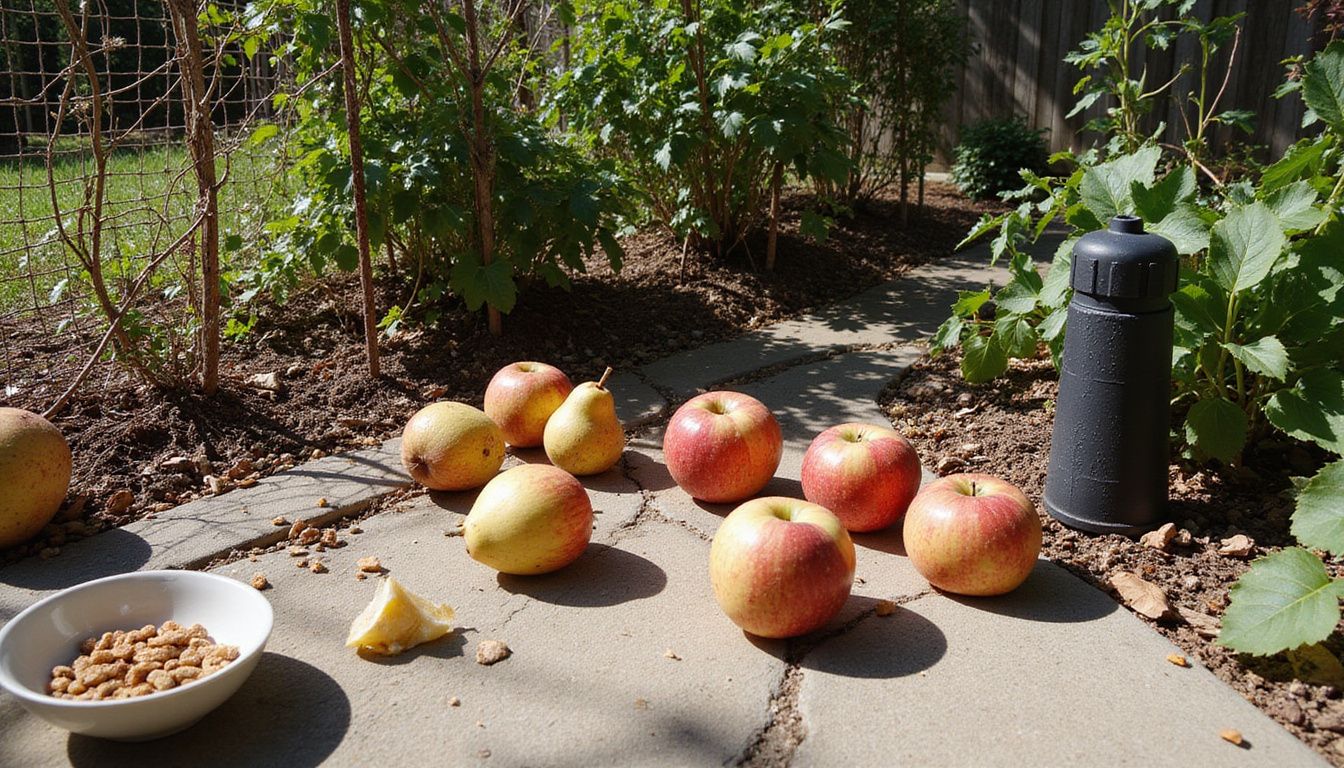
To deter possums, remove attractions like pet food and fallen fruit. Secure the yard with chicken wire and install motion-activated sprinklers to scare them off.
Remove Food Sources
I keep my yard clean to avoid garden pests. I pick up fallen fruit, don’t leave pet food outside, and make sure trash cans are secure. This prevents possums from finding easy meals.
For my garden, I use chicken wire around vegetable beds to block small rodents and possums. Making food hard to access is crucial for keeping them away from my backyard.
Eliminate Sheltering Spots
After removing their food, it’s important to clear out hiding spots for possums. These animals like settling in leaf piles, wood stacks, and thick bushes. So, I clean up any yard debris such as fallen branches or leaves.
A less inviting space means possums are more likely to leave.
To prevent them from making homes under porches or decks, blocking these areas with chicken wire works well. Maintaining a tidy garden and cutting back bushes also cuts down on places where possums can hide near my house.
This makes it difficult for them to stay concealed and safe around the area.
Install Fencing and Barriers
To keep possums out, building fences and barriers works well.
- Use chicken wire for the fence because it’s strong.
- The fence needs to be at least 4 feet tall to prevent possums from jumping over.
- Bury part of the fence about a foot deep in a trench to block them from going underneath.
- Adding an outward angle on top stops possums from climbing over.
- Place motion-activated sprinklers near the fence. They scare off possums with water sprays.
- Cover deck or shed openings with mesh wiring. It blocks entry points.
- Repair any exterior wall holes or roof gaps. Even small openings invite possums in.
Securing pet doors at night helps too. While pets may not like it, it prevents wild animals from entering.
This effort keeps backyards free of possums and other wildlife seeking food or shelter.
Use Natural or Commercial Repellents
I once mixed chili powder, garlic, and water to spray around my garden. This mix keeps possums away because they dislike the smell. People also use mothballs or ammonia-soaked rags.
These smells trick possums into thinking predators are near.
Some of my friends have bought store-bought sprays for pest control. They find these effective too. I installed motion-activated sprinklers in my yard as well. These sprinklers shoot out water when possums come close, scaring them off.
Humane Trapping and Relocation Methods
To safely trap and relocate possums without harm:
- Use a live trap baited with fruits, vegetables, or canned pet food, which possums like.
- Set the trap near areas of most possum activity or damage, such as garbage cans or gardens.
- Check the trap frequently to avoid stressing trapped possums.
- Handle the trap with gloves to protect both you and the possum.
- Cover the trap with a cloth during transport to calm the possum.
- Release the possum at least 5 miles from your home in a wooded area with water sources.
- Ensure the release area is possum-friendly and far from homes.
- Be aware of local wildlife laws regarding the relocation of animals.
- Clean and store the trap properly after use for future needs.
Preventative Measures to Keep Possums Away
I found ways to stop possums from coming back after humane trapping and relocation. Here’s how I keep my garden safe:
- I never leave pet food outside. Possums find cat or dog food irresistible. I always feed pets inside and remove any leftovers right away.
- Securing trash cans with tight lids keeps possums out. Sometimes, I put extra weight on the lid for more security.
- Any fallen fruit in the yard gets picked up quickly to avoid attracting possums.
- To block access under my house or deck, I use chicken wire or similar barriers at entry points.
- Installing motion-activated sprinklers helps scare off possums with water and noise as they approach.
- Regularly trimming trees and bushes prevents possums from easily getting onto roofs or into attics.
- In the garden, opossum repellents—commercial types or natural ones like garlic or hot peppers—keep them away because of the smells they don’t like.
- Covering vents with wildlife-proof screens stops them from getting into attics and crawl spaces.
- At night, locking cat flaps ensures that if cats aren’t using them, curious possums won’t sneak inside for food or warmth.
These actions have maintained a backyard without unwanted visits from not just possums but other small rodents too by eliminating attractions and securing shelters.
When to Call a Professional Wildlife Removal Service
Possums can be tough to keep out, even if you remove pet food and fallen fruit and put up barriers. If they still get in, it’s time for professional wildlife control help. Experts know how to safely catch and move possums using humane traps.
This prevents injury or disease spread, like Lyme disease from ticks that possums might carry. Professionals also make sure these animals are taken far from homes. So, getting help from pest management services is a good move when dealing with persistent opossum issues in your yard.
Conclusion
To get rid of possums, I kept my yard clean. I picked up fallen fruit and made sure trash cans were secure. I removed cozy hiding spots by clearing bushes and filling holes. To keep them out, I installed a strong fence and used smells they dislike.
When they returned, trapping and relocating them helped. For tough cases, I called a professional for safe wildlife handling. My actions ensured my backyard was secure without harming the possums.
FAQs
1. What are some effective ways to get rid of possums in my backyard?
Effective methods include pest control practices like removing fallen fruit and pet food that attract these garden pests, using chicken wire for barriers, or installing a motion-activated sprinkler system.
2. Can playing possum be considered as a defense mechanism for North American opossums?
Yes, the term ‘playing possum’, often associated with the Virginia opossum species, refers to their unique defense mechanism where they mimic death when threatened by predators.
3. How does residential pest control differ from commercial pest control in dealing with small rodents like possums?
While both involve similar tactics such as removal of foods attracting pests and use of deterrents like odor from skunks or other repellents, commercial pest control generally involves larger-scale extermination efforts compared to residential settings.
4. Are there any health risks associated with having an American Opossum in your yard?
Possums can carry ticks which may lead to tick bites on humans or pets. They also have been known to host bed bugs and fleas which could potentially infest your home.
5. What is meant by ‘opossum prevention’ and how can it help me deal with this issue?
Opossum prevention refers to measures taken before an infestation occurs – think securing potential entry points into your home or eliminating food sources that might attract them such as amphibians or small rodents.