“This post contains affiliate links. As an Amazon Associate, I earn from qualifying purchases”
Finding fleas and ticks in your backyard is surprising. I quickly discovered that a single flea can lay up to 50 eggs each day. This post will guide you on how to get rid of these pests for good.
Keep reading to learn how.
Key Takeaways
- Trim grass often and remove yard waste to prevent fleas and ticks.
- Use cedar chips, nematodes, and non-toxic sprays against pests.
- Grow lavender to naturally repel fleas.
- Protect pets with safe flea and tick prevention items.
- Create a border with wood chips or gravel to block ticks.
Signs of Fleas and Ticks in Your Backyard
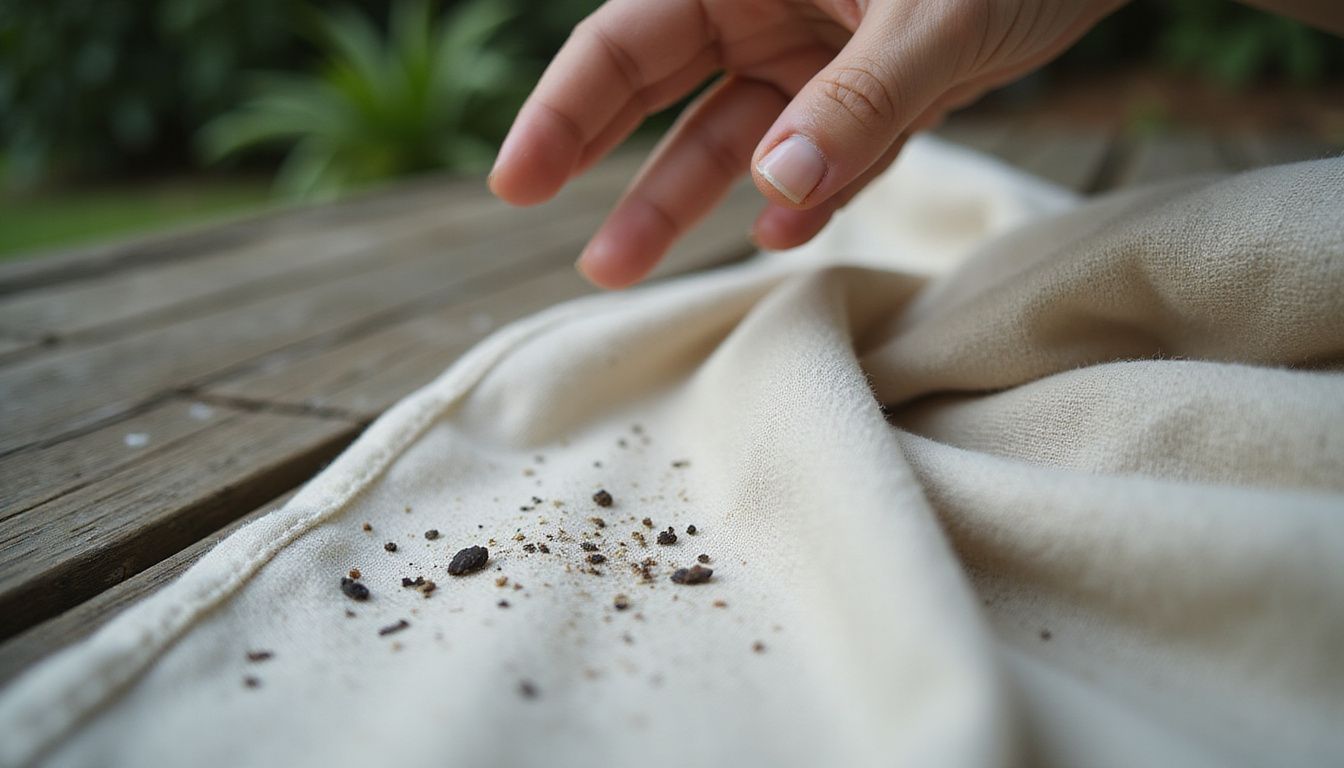
I noticed something important about dealing with pests outside. Flea dirt is actually flea feces, not just regular dirt. It looks like tiny black specks in pet bedding or where pets spend time.
This means there are active flea larvae nearby.
If my dog starts scratching more than usual or seems uncomfortable, it might be because of flea bites or even ticks on him. Walking through shady areas and seeing tiny insects jump up indicates fleas are present.
Ticks also prefer these damp, shaded spots since they avoid sunlight.
Spotting these signs early helps me protect my pets from fleas and ticks effectively.
Why You Need to Act Quickly
Fleas and ticks reproduce rapidly. A single female flea can produce up to 50 eggs each day, transforming our backyards into possible breeding grounds for these infestations. These pests favor shadowy areas for multiplying and hiding.
Seeing one implies that there could be many more unknown to us.
These pests, while being annoying, also bring about health threats. Ticks can carry Lyme disease, and fleas might transmit tapeworms or provoke allergies in both pets and people. Immediate action is vital for health and safety.
Managing these pests effectively necessitates a few steps. Begin by pinpointing the regions they mostly occupy, like shady or moist areas of your yard or house where flea larvae might flourish.
Taking pre-emptive action such as regular cleaning can significantly minimize the chances of infestation by eliminating flea eggs and larvae from indoor spaces.
For managing the outdoor situation, think about using cedar chips in gardens or beneath porches, as fleas are repelled by the smell of cedarwood oil. This natural deterrent assists in keeping them at bay without the need for harsh chemicals.
Regarding products aiming to exterminate adult fleas (adulticides) and their offspring, examine sprays containing pyrethrin—it’s safe for most pets, yet lethal to fleas—and adhere to the label instructions when applying it.
Also, adopting a comprehensive pest management program offers an extensive strategy combining both chemical and non-chemical tactics such as vacuuming frequently to eradicate any eggs or adult fleas from carpets and clothes.
In the unfortunate event that your pets become hosts for fleas—common types include Ctenocephalides felis (cat flea) or Ctenocephalides canis (dog flea)—beginning with treatments suggested by a vet is prudent.
Available choices vary from medicated shampoos to spot-on medications created particularly for disrupting the flea life cycle on your pet and shielding them from future infestations.
In conclusion, controlling city wildlife like raccoons or squirrels that visit your property aids in reducing potential new sources of flea infestation entering your home environment.
As these animals usually carry their own variety of parasites including roundworms or eelworms, not to mention fleas.
Effective Methods to Eliminate Fleas and Ticks
I fight fleas and ticks in my backyard by cutting the grass short, removing yard waste, adding beneficial microscopic worms, and applying flea sprays. These steps help prevent flea infestations effectively.
Mow and Maintain Your Lawn Regularly
To keep fleas away, I cut my grass short. Tall grass shelters flea larvae and eggs. Regular mowing exposes soil to sunlight, making it hard for flea eggs to survive.
Using a lawnmower with a catcher is smart. It collects grass clippings that could hide pests. I pay extra attention to shaded areas under trees or bushes since fleas like the cool and moist spots there.
Taking care of these spots has greatly reduced flea problems in my yard.
Remove Yard Debris and Clutter
I tackle flea infestation in my backyard by stopping the flea life cycle and preventing more flea larvae. Here’s my strategy:
- I often rake leaves to remove damp, shaded areas where fleas and ticks hide.
- I cut the grass short, reducing shady spots that attract fleas.
- Old pots and garden tools go in the trash since they can hold water and become pest homes.
- Fallen fruits and vegetables get picked up to deter urban wildlife that might carry fleas or ticks.
- Wood stacks stay neat and dry, keeping pests away.
- Cedar chips around garden beds and yard edges repel fleas with their smell.
- Outdoor furniture gets cleaned often to prevent fleas from jumping on pets or people under cushions.
- Trash cans have tight lids to block animals carrying ticks or fleas.
These actions help me maintain a pest-free area by disrupting places where pests start their life cycle.
Apply Beneficial Nematodes
Tiny worms called beneficial nematodes help fight fleas and ticks in yards. Mix them with water and spray in shady areas where pests hide. These worms target flea larvae but are safe for plants and pets.
This method provides a chemical-free way to manage flea infestations.
For extra control, use flea and tick yard sprays too.
Use Flea and Tick Yard Sprays
I used beneficial nematodes for flea and tick control, then moved to yard sprays. My backyard had a big flea problem last summer. I picked a spray that kills adult fleas, eggs, and larvae on contact.
This stops the flea life cycle. It’s key to use a spray safe for pets and kids.
The spray needs careful application with gloves, especially in shady areas where pests hide. After spraying, I put down cedar chips as extra protection against fleas.
This method made my backyard far better—no more flea bites after being outside.
Natural Ways to Control Fleas and Ticks
Adding certain plants to your garden and using eco-friendly sprays help fight fleas and ticks naturally.
Plant Flea- and Tick-Repelling Plants
I planted lavender, marigolds, and chrysanthemums in my yard because they repel fleas and ticks. These plants give off strong scents that pests don’t like, but they smell nice to us.
They also prevent flea larvae from growing in shaded areas. With these flowers, my backyard is now safer from fleas and ticks without needing harsh chemicals. This approach fits well with any home’s pest control plan.
Encourage Natural Predators
To tackle flea and tick issues, I learned birds and some insects eat these pests. I made my yard inviting for them with bird feeders and baths, which helps reduce flea and tick numbers.
I also discovered that bugs like ladybugs and spiders are good at controlling fleas and ticks. So, I stopped using harsh chemicals in the garden to avoid harming these beneficial creatures.
This approach allows nature to help keep my backyard safe without adding toxins.
Introduce Organic Lawn Treatments
I treat my lawn with organic methods to keep fleas and ticks away. Here’s my strategy:
- I spread diatomaceous earth on the lawn, which dries out pests by cutting their bodies.
- I spray cedarwood or eucalyptus oils as natural repellents against these insects.
- In shady areas, I place cedar chips because their smell repels fleas and ticks.
- Regular mowing disrupts the flea life cycle, making it hard for them to survive.
- By watering the lawn less, I create a dry environment that is less appealing to fleas and ticks.
- Spraying neem oil on plants adds an extra layer of protection around my home.
- Introducing beneficial nematodes into the soil targets and destroys flea larvae effectively.
- Every few weeks, I apply a garlic water solution across the yard as another deterrent.
Following these steps creates a yard that’s unwelcoming to fleas and ticks without using harsh chemicals.
Preventing Future Infestations
To keep fleas and ticks away, use pet-safe products to create a barrier against these pests. Explore effective methods for flea prevention.
Create a Tick-Free Barrier
Fleas and ticks are common pests, but you can keep them out of your yard. Here’s a simple way to create a barrier against these bugs:
- Clean up the yard first. Get rid of leaves, branches, and tall grass where fleas and ticks hide.
- Putting up a fence stops deer and raccoons from bringing more ticks into your space.
- Regularly cutting the lawn short reduces places for ticks to call home.
- Place wood chips or gravel between your lawn and wooded spots to block fleas and ticks from coming in.
- Grow plants like lavender, garlic, and rosemary that fleas don’t like.
- Make sure kids’ play areas are far from trees and the edges of your yard.
- Use sunny spots for sitting areas since fleas prefer shade over sunlight.
Following these steps will help keep your outdoor space free from fleas and ticks.
Use Pet-Safe Flea and Tick Prevention
After setting up a barrier for ticks, I moved on to protect my pets from fleas and ticks. I choose pet-safe flea prevention products. These are important to stop fleas and ticks from living on my pets.
I always check the labels for natural ingredients to avoid harming them.
I have used collars, sprays, and monthly pills for flea control. All these methods work well when used correctly. My dog takes monthly pills without any trouble. For my cat, a collar is the best option.
It’s crucial that these treatments are safe and don’t cause allergic reactions or sickness due to harsh chemicals.
Conclusion
I tackle flea and tick problems in my backyard by cutting the grass short and removing clutter. I add beneficial nematodes to the soil and use pest sprays. Including plants that repel fleas and using natural predators help too.
To avoid future infestations, I create barriers and treat my pets with safe methods. Clean yards mean fewer worries about fleas or ticks.
FAQs
1. How can I prevent a flea infestation in my backyard?
You can prevent a flea infestation by focusing on shady areas where fleas like to live. Use cedar chips and essential oils as natural pest control methods, and consider an integrated pest management program for best results.
2. What are the signs of fleas in the backyard?
Signs of fleas include flea dirt, which is actually their droppings, and flea eggs or larvae found in shaded areas. You might also notice frequent flea bites when spending time outdoors.
3. How does understanding the flea life cycle help with prevention?
Knowing the flea life cycle helps with prevention because you can target both adult fleas and their offspring – eggs and larvae. Regular housekeeping can disrupt this cycle, reducing your chances of an infestation.
4. Can I use commercial products for getting rid of fleas from my backyard?
Yes, there are many commercially available products that work well for controlling pests such as ticks and fleas. Just make sure to follow all instructions carefully to ensure safety.
5. Are there any natural ways to get rid of ticks along with fleas from my yard?
Absolutely! Cedar chips repel both ticks and fleas while essential oils like eucalyptus or citronella serve as effective natural repellents too.