“This post contains affiliate links. As an Amazon Associate, I earn from qualifying purchases”
Ever started cooking pasta and realized you’re out of heavy cream? It’s happened to me plenty of times, too. After trying options like whole milk or skim milk, I found they taste just as good—and help cut calories.
In this post, I’ll share easy ways you can use common products such as regular cow’s milk or almond milk in creamy sauces. These alternatives work great for favorites like fettuccine alfredo or mac and cheese.
Keep reading to create tasty pasta dishes without needing heavy cream.
Why Use Milk Instead of Heavy Cream in Pasta

Using milk instead of heavy cream in pasta dishes cuts down fat content and calories. Whole milk or skim milk makes sauces lighter and tasty without feeling overly rich or heavy on my stomach.
I often pick up a carton of cow’s milk from the fridge, as it’s cheaper than fresh cream like double cream or crème fraîche from typical dairy products at stores.
The simple switch to milk creates great flavor with fewer calories.
Milk-based recipes blend well with cheeses such as parmesan cheese or soft cream cheese, adding depth to popular Italian meals like chicken Alfredo or creamy tomato sauce. I’ve noticed the pasta sauce feels less greasy compared to using condensed options such as coconut cream, cashew cream, silken tofu, almond milk, oat milk, soy milk or other alt milks that may curdle easily under high heat.
Next up—let me show you how easy it is to substitute whole-milk alternatives for heavy-cream in your favorite pastas!
How to Substitute Milk for Heavy Cream
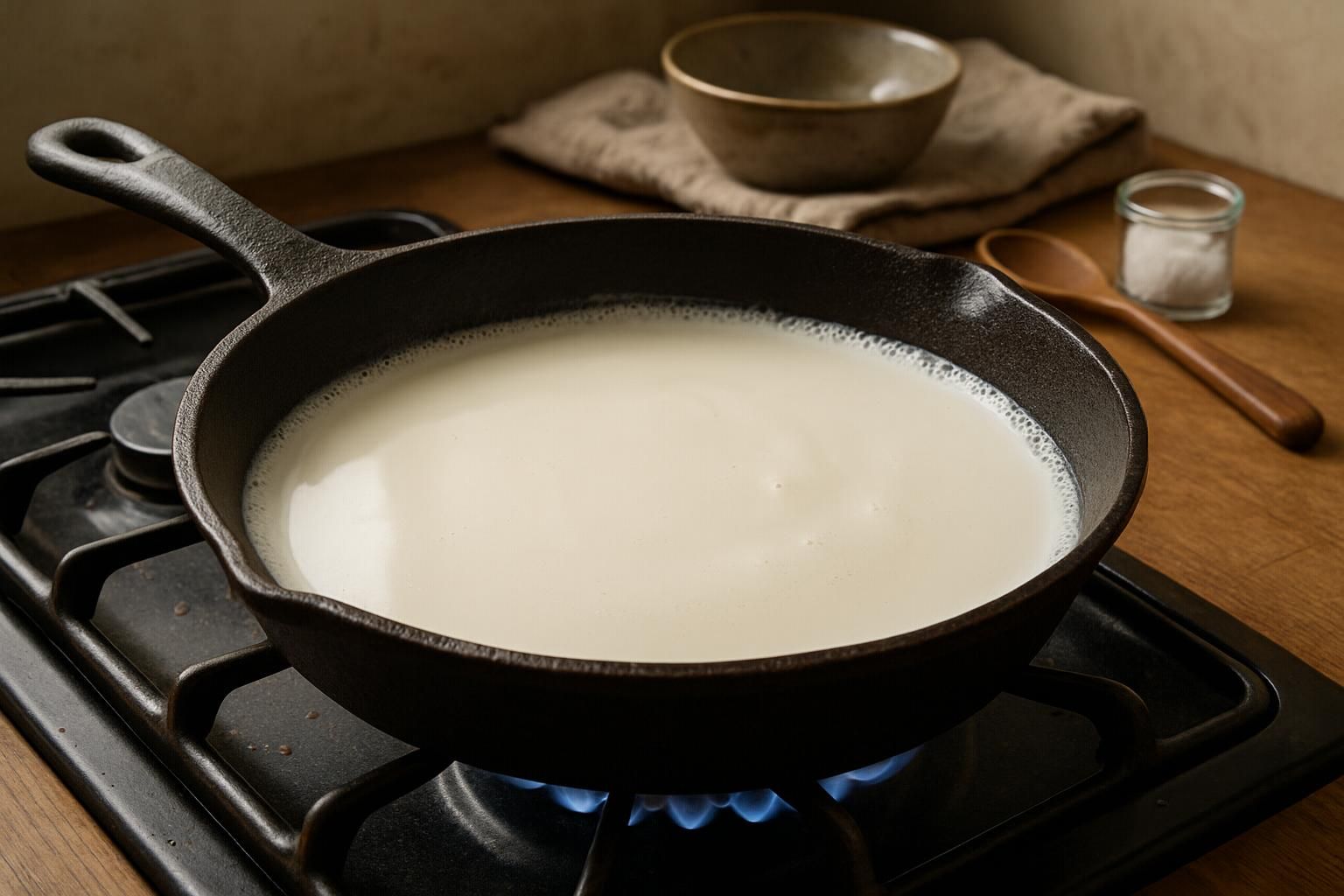
I often mix milk with unsalted butter for a rich pasta sauce—simple and tasty. Another trick is using cow’s milk and cornstarch mixture for thickening up the sauce without heavy cream powder.
Milk and Butter Combination
Milk and butter can easily replace heavy cream in pasta sauces like Alfredo. This blend brings creamy texture without the extra fat of heavy cream. To make your own, I melt about 3 tablespoons unsalted butter and mix it into a cup of whole milk; skim milk works too for fewer calories but offers lighter results.
Using cow’s milk gives that rich taste we love in Italian pasta dishes. For even more flavor, tossing in grated parmesan cheese or spices makes this simple dairy substitute delicious and satisfying at home—great news whether you’re a renter on a budget or homeowner who cooks often.
Milk and Cornstarch Mixture
Another method I often use instead of heavy cream is mixing cow’s milk with corn starch. I first whisk together 1 cup of whole milk and 2 tablespoons of cornstarch until smooth, heating gently in a saucepan for about 3 minutes to create a creamy sauce.
This simple thickener works great in Italian food recipes—like pasta Alfredo or noodle casseroles—and helps achieve that silky texture without extra fat from heavy cream.
The milk and cornstarch mixture provides thickness while keeping pasta dishes lighter on calories.
If avoiding dairy, alternative milks like almond milk, soy milk, or oat milk work well too by following the same steps with cornstarch. I’ve tried this mix myself using skim milk for fettuccine Alfredo; it turned out just as tasty and creamy once I stirred in some grated Parmesan cheese and added spices to enhance flavors.
Benefits of Using Milk in Pasta
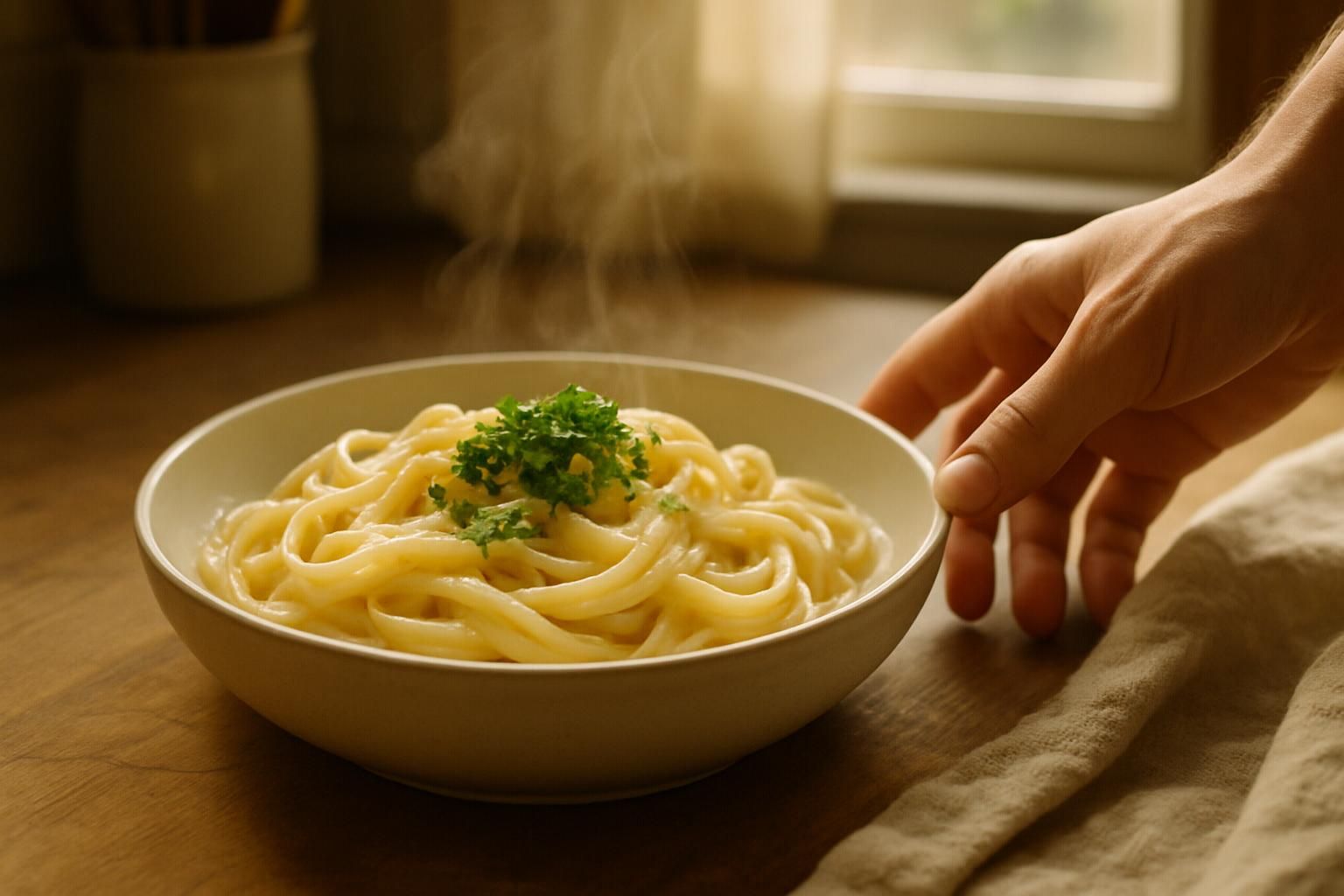
With milk, pasta sauces become lighter and easier to digest—perfect for a tasty meal without feeling overly full. It also cuts calories and fat, making favorite dishes like fettuccine Alfredo or creamy tomato pasta easier on your diet goals.
Reduced Fat and Calories
I often substitute heavy cream with whole milk or even skim milk to cut fat and calories in pasta dishes. Heavy cream contains around 340 kcal per half-cup serving, compared to whole milk’s lighter 75 kcal for the same amount.
Evaporated milk is another good choice, providing creamy texture without adding too much fat.
Replacing heavy cream with almond milk, oat milk, soy milk, cashew cream, or silken tofu reduces calorie count further—ideal for vegan lifestyles or those who want lighter meals at home.
Creamy sauces like fettuccine alfredo turn healthier yet stay tasty if I add nutritional yeast or Parmesan cheese for extra flavor.
Lighter Texture and Flavor
Pasta sauces made with heavy cream often feel quite thick and rich, but choosing milk brings a pleasant change. Whole milk or even skim milk gives pasta dishes a lighter taste that won’t overwhelm my palate.
For example, making fettuccine Alfredo sauce with almond milk or oat milk creates a gentle flavor that’s not too heavy, while still tasty.
I notice pasta dishes prepared in an Italian restaurant usually use single cream or butter-rich recipes that may weigh down the stomach. Using evaporated milk instead of coconut cream or cashew cream means fewer saturated fats and less heaviness after eating.
The mild character of liquid milk also blends well with fresh cheese like parmesan cheese and spices like nutritional yeast for added savor without extra richness. This balance keeps me comfortably satisfied rather than overly full—perfectly leading into delicious pasta recipes I can easily make at home using just regular milk!
Popular Pasta Recipes Using Milk
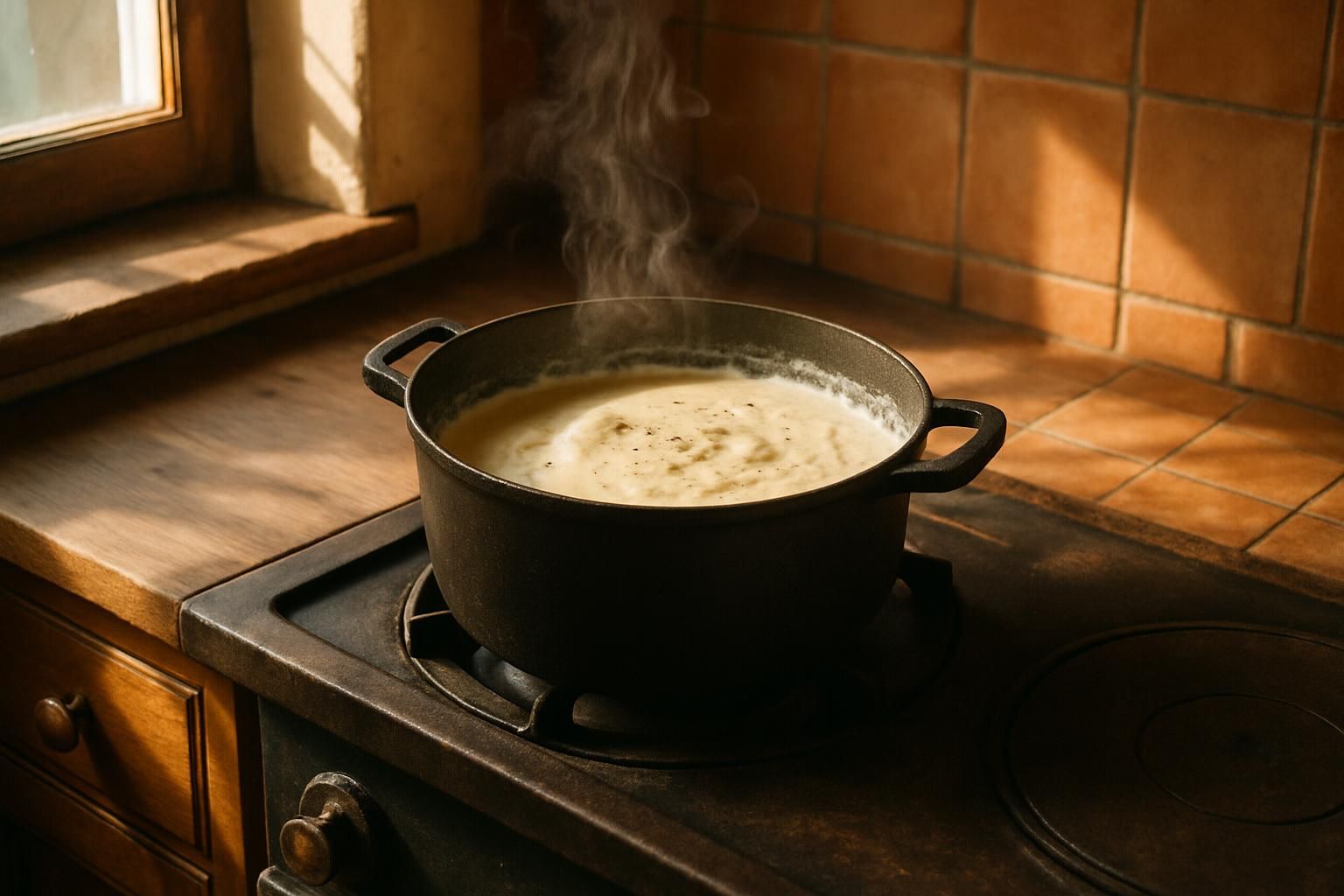
I often prepare creamy pasta sauces using whole milk or skim milk for a lighter, tasty meal. Evaporated milk and almond milk also make easy, flavorful options to jazz up simple noodles at home.
Alfredo Sauce with Milk
Making Alfredo sauce with milk is simpler than you might think. Instead of heavy cream, I use whole milk or skim milk for a lighter touch. Mixing some butter and all-purpose flour helps thicken it, giving that silky texture we love in fettuccine alfredo.
Parmesan cheese adds flavor, while pasta water adjusts consistency.
Evaporated milk works well too—it gives richer results without extra fat from heavy cream. For dairy-free friends, almond milk or oat milk mixed with nutritional yeast and garlic offers tasty options.
This way everyone can enjoy creamy Alfredo pasta without feeling weighed down afterward.
Creamy Tomato Pasta with Milk
I often make creamy tomato pasta at home, and milk is my secret ingredient. Whole milk or skim milk can create a smooth tomato sauce without using heavy cream. To thicken my sauce without extra calories, I mix in some corn flour or tapioca flour.
For added flavor and richness, parmesan cheese or even cream cheese works wonders here. Sometimes I add nutritional yeast for a savory taste boost with fewer calories than traditional cheeses.
Let me share some quick tips next on achieving the perfect creamy texture when cooking pasta sauces with milk.
Tips for Achieving Creamy Pasta with Milk

I often add parmesan cheese or cream cheese to milk, giving pasta sauces a richer taste. If the sauce gets too thin—just simmer it longer—or thicken with some cornstarch for perfect texture.
Adjusting Consistency
If the milk sauce seems too thin, simmer gently to thicken it. Stirring often prevents burning and keeps a smooth texture. A tablespoon of cream cheese or parmesan cheese can also thicken sauces like alfredo sauce made with whole milk or skim milk.
On the other hand, if my pasta sauce gets too thick, I add small amounts of almond milk or oat milk until it’s just right. Balancing this consistency sets me up perfectly for enhancing flavors with spices and cheeses next.
Enhancing Flavor with Cheese or Spices
I love adding cheese or spices to pasta dishes made with milk, because it makes a huge difference in flavor. Parmesan cheese gives Alfredo sauce with whole milk extra creaminess and brings out a savory taste; cream cheese also works well if I want something richer.
For added nutrition without dairy, nutritional yeast is perfect—it has a nutty, cheesy taste that goes great on creamy tomato pasta.
Spices add depth and complexity too. Garlic powder pairs nicely with alfredo sauce—just half a teaspoon can change the entire dish. Black pepper gives fettuccine alfredo some heat; smoked paprika lifts flavors in creamy sauces like coconut cream or cashew cream sauces for vegan meals.
Mixing these simple seasonings ensures tasty results every time I cook at home.
Conclusion
Swapping milk for heavy cream is a simple way to make tasty pasta, with fewer calories and less fat. Using whole milk or skim milk delivers a lighter sauce that tastes good without weighing me down.
Adding parmesan cheese or spices boosts flavor, while mixing in some butter or cornstarch gives the creamy texture everyone likes. Pasta dishes like alfredo sauce with fettuccine—or creamy tomato pasta—turn out delicious even without heavy cream.
Cooking at home gets easier and healthier when I pick milk instead of cream for my recipes!
FAQs
1. Can I use whole milk instead of heavy cream in pasta sauces?
Yes, whole milk works well in pasta dishes like fettuccine alfredo. It tastes lighter than heavy cream but still gives a creamy texture.
2. Will skim milk or almond milk taste good in my alfredo sauce?
Skim milk and almond milk are thinner than heavy cream, so your alfredo sauce may be less rich. To make it thicker and savoury, add parmesan cheese or nutritional yeast.
3. How can evaporated milk replace heavy cream for pasta recipes?
Evaporated milk is thicker than regular whole milk and adds richness to soups and sauces without extra fat from heavy cream—perfect for creamy pastas.
4. What dairy-free choices can I use instead of heavy cream in my pasta dish?
You have many tasty options: coconut cream, cashew cream, oat milk, soy milk, silken tofu (bean curd), or even cashew milk all work nicely as dairy-free substitutes with great flavour.
5. Could Greek yogurt or condensed milk substitute for heavy cream when making pasta sauce?
Greek yogurt makes a tangy yet creamy sauce that’s perfect on quesadillas or salad-style pastas—but avoid condensed milk; it’s sweetened heavily and won’t suit savoury dishes like traditional alfredo sauce made with parmesan cheese or cream cheese.