“This post contains affiliate links. As an Amazon Associate, I earn from qualifying purchases”
If you’ve ever found yourself in the kitchen without heavy cream, you might feel a bit stuck. But don’t worry! There are plenty of easy ways to thicken milk so you can whip up your favorite recipes without a trip to the store. From using butter to cornstarch, or even Greek yogurt, there are simple tricks that can help you achieve that creamy consistency you’re after. Let’s explore some straightforward methods to thicken milk like heavy cream.
Key Takeaways
- Mix butter and milk in a 1:1 ratio for a quick heavy cream substitute.
- Cornstarch can thicken milk effectively; just combine it with milk and heat.
- Greek yogurt adds protein and thickness; blend it with milk for a creamy texture.
- Evaporated milk is a shelf-stable option that works well in cooking.
- Half-and-half can lighten up recipes while still providing creaminess.
Combining Milk And Butter
Understanding The Ratio
Okay, so you’re out of heavy cream and staring down a recipe that demands it? Don’t panic! Milk and butter can be your last-minute heroes. The key is getting the ratio right. The goal is to increase the fat content of the milk to mimic heavy cream.
Generally, heavy cream has around 36-40% fat. Whole milk is only about 3.5%. Butter, on the other hand, is around 80% fat. So, you need to add enough butter to the milk to get closer to that 36-40% range. A good starting point is a 3:1 ratio of milk to melted butter. This will give you a butter substitute that works in many recipes.
How To Mix For Best Results
Alright, let’s get down to the nitty-gritty of mixing. Here’s what I’ve found works best:
- Melt the butter: Do this slowly, either in a saucepan over low heat or in the microwave in short bursts. You don’t want it to brown or burn.
- Cool slightly: Let the melted butter cool down a bit. If it’s too hot, it might cook the milk when you combine them.
- Whisk vigorously: Pour the milk into a bowl and slowly drizzle in the melted butter while whisking constantly. You want to create an emulsion, where the fat from the butter is evenly dispersed throughout the milk. A blender can also help achieve a smooth consistency.
- Use immediately: This mixture is best used right away. It can separate if left to sit for too long.
Uses In Cooking
So, where can you use this milk and butter concoction? Pretty much anywhere you’d use heavy cream in cooking, but with a few caveats. It works great in:
- Sauces: Adds richness and body to pasta sauces, cream sauces, and soups.
- Baking: Can be used in cakes, muffins, and other baked goods, but might slightly alter the texture.
- Casseroles: Gives a creamy texture to casseroles and gratins.
Keep in mind that this isn’t a perfect substitute. It might not whip up into stiff peaks like heavy cream, so it’s not ideal for whipped cream toppings. Also, the flavor will be slightly different, with a more buttery taste. But overall, it’s a solid option when you’re in a pinch and need that extra creaminess. You can even make homemade butter if you have excess heavy cream!
Using Cornstarch For Thickening
How To Prepare The Mixture
Okay, so you wanna thicken milk with cornstarch? It’s actually pretty easy. The key is to make a slurry first. A slurry is just a mixture of cornstarch and cold water. You don’t want to add cornstarch directly to hot milk because it’ll clump up like crazy. Nobody wants lumpy milk!
Here’s how I usually do it:
- Grab a small bowl.
- Mix equal parts cornstarch and cold water. I usually start with 1 tablespoon of each.
- Whisk it together until it’s smooth. Make sure there are no lumps!
- Slowly pour the slurry into your warm milk, stirring constantly. Keep the heat on low to medium.
- Keep stirring until the milk thickens to your liking. It usually takes a few minutes.
Best Recipes For Cornstarch Milk
Cornstarch-thickened milk is surprisingly versatile. I’ve used it in a bunch of different recipes. It’s a great way to cut down on fat and calories without sacrificing too much creaminess. Here are a few ideas:
- Sauces: It works great in white sauces, cheese sauces, and even some gravy recipes. Just remember that cornstarch is used to thicken milk, so it’s not a 1:1 replacement for heavy cream in every sauce.
- Soups: It can add a nice, subtle thickness to soups without making them too heavy.
- Puddings and Custards: This is where cornstarch really shines. It creates a smooth, creamy texture that’s perfect for desserts.
- Fruit fillings: It’s great for thickening up fruit fillings for pies or tarts.
Tips For Achieving Desired Thickness
Getting the right thickness can be a little tricky, but here are some tips that have helped me:
- Start small: Add the slurry a little bit at a time. You can always add more, but you can’t take it away.
- Stir constantly: This prevents lumps from forming and ensures that the cornstarch is evenly distributed.
- Don’t boil: Boiling can break down the cornstarch and make it lose its thickening power.
- Be patient: It takes a few minutes for the milk to thicken, so don’t get discouraged if it doesn’t happen right away.
If you accidentally add too much cornstarch and your milk gets too thick, don’t panic! Just add a little more milk to thin it out. You might need to adjust the seasoning, but it’s usually an easy fix.
Incorporating Greek Yogurt
Benefits Of Greek Yogurt
Greek yogurt is a fantastic way to thicken milk while adding a boost of protein and cutting down on fat. It’s a win-win! The high protein content contributes to a richer texture and a slightly tangy flavor that can really enhance certain dishes. Plus, it’s a healthier alternative to heavy cream, making it a great choice for those watching their calorie intake. It’s not just about thickening; it’s about adding nutritional value too.
Mixing Techniques
Getting the right consistency with Greek yogurt is key. Here’s how I usually do it:
- Start by whisking the Greek yogurt separately to smooth it out. This prevents lumps in your final dish.
- Gradually add milk, mixing until you reach your desired thickness. Remember, you can always add more milk, but you can’t take it away!
- For a super smooth texture, consider using an immersion blender. It works wonders!
I’ve found that warming the milk slightly before mixing it with the yogurt helps everything blend together more easily. It’s a small step, but it makes a big difference in the final texture.
Ideal Recipes For Use
Greek yogurt works best in recipes where a slight tang is welcome. Think savory dishes like:
- Soups: It adds a creamy texture without being too heavy. Try it in potato soup!
- Sauces: Perfect for thickening pasta sauces or dips.
- Salad Dressings: It creates a tangy and healthy base.
It’s generally not recommended for baking, as the tang can be overpowering and it doesn’t whip like heavy cream. But for savory applications, it’s a star!
Evaporated Milk As A Substitute
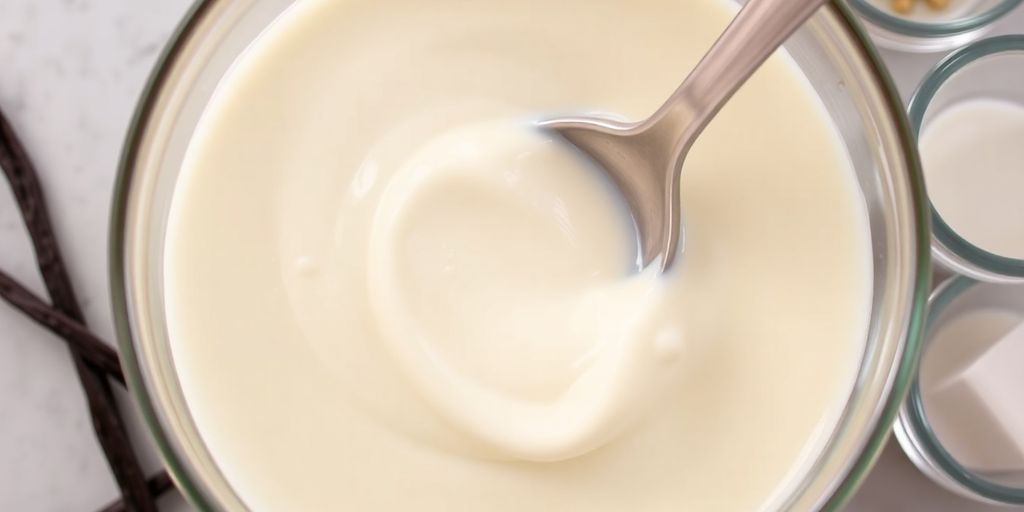
Evaporated milk is a shelf-stable dairy product that can stand in for heavy cream in many recipes. It’s essentially milk that has had about 60% of its water content removed, resulting in a thicker consistency. It’s a handy option to have in your pantry, especially when you need a cream substitute at a moment’s notice. Let’s explore how to use it effectively.
Shelf Life And Storage
One of the biggest advantages of evaporated milk is its long shelf life. Unopened cans can last for months, even years, in your pantry. Once opened, it needs to be refrigerated and used within a few days, just like regular milk. Always check the expiration date before using, and look for any signs of spoilage, such as a sour smell or discoloration. Here’s a quick guide:
- Unopened can: Pantry, cool and dark place, lasts for months/years.
- Opened can: Refrigerate immediately, use within 5-7 days.
- Transfer to airtight container after opening to maintain freshness.
Cooking Applications
Evaporated milk works best in recipes where heavy cream is used as a liquid ingredient. Think creamy soups, sauces, baked goods, and even some desserts. It won’t whip up like heavy cream, so it’s not ideal for toppings or frostings. You can often substitute it in a 1:1 ratio, but you might need to adjust other liquids in the recipe to achieve the desired consistency. For example, you can use evaporated milk in coconut dishes.
Flavor Considerations
Evaporated milk has a slightly cooked flavor due to the evaporation process. Some people describe it as subtly sweet or even a little caramel-like. This can actually enhance certain recipes, especially desserts. However, it’s something to keep in mind when using it in savory dishes. If you’re concerned about the flavor, you can try using a combination of evaporated milk and a touch of butter to mimic the richness of heavy cream. Or, consider adding a pinch of salt to balance the sweetness.
Using evaporated milk is a great way to cut down on fat and calories without sacrificing too much creaminess. It’s not a perfect substitute in every situation, but it’s a versatile and convenient option to have on hand.
Half-And-Half For Creaminess
Half-and-half is that dairy product sitting in your fridge, probably next to the milk. It’s not quite milk, and it’s not quite heavy cream, but it’s somewhere in between. It’s basically a mix of milk and cream, making it a lighter alternative to heavy cream but richer than plain milk. It’s a great option when you want a touch of creaminess without all the fat.
When To Use Half-And-Half
Half-and-half shines when you need a bit more richness than milk can provide, but heavy cream would be too much. Think about those times you want to lighten up a dish without sacrificing flavor. It’s perfect for:
- Coffee: Obviously, it’s a classic coffee addition.
- Sauces: It can add a smooth texture to sauces without making them overly heavy.
- Soups: It’s great for finishing soups, adding a touch of richness.
Adjusting Ratios For Recipes
Substituting half-and-half for heavy cream isn’t always a 1:1 swap. Since it has less fat, you might need to adjust the recipe slightly. Here’s a general guideline:
| Ingredient | Amount |
|---|---|
| Half-and-Half | 7/8 cup (232 grams) |
| Melted Butter | 1/8 cup (29 grams) |
| Equivalent Heavy Cream | 1 cup (237 mL) |
If you’re using half-and-half in a recipe that calls for heavy cream, consider adding a tablespoon of butter to the half-and-half to increase the fat content. This will help mimic the texture and richness of heavy cream. It’s all about experimenting to find what works best for your taste.
Flavor Enhancements
Half-and-half is pretty neutral in flavor, which means it plays well with other ingredients. You can easily enhance its flavor depending on what you’re making. Consider these additions:
- Vanilla extract: A dash of vanilla can elevate the creaminess in desserts or coffee.
- Spices: Nutmeg, cinnamon, or even a pinch of cardamom can add warmth to your dishes.
- Liqueurs: A splash of your favorite liqueur can add a boozy kick to sauces or desserts. For example, you can use it to lighten up potato soup or lobster bisque.
Thickening With Flour
Flour is a pretty common way to thicken liquids, and it works for milk too! It’s probably something you already have in your pantry, which is a plus. The trick is to make sure you mix it right to avoid lumps. Nobody wants lumpy milk!
How To Create A Flour Mixture
Okay, so here’s the deal. You can’t just dump flour straight into hot milk. It’ll clump up faster than you can say “oh no!” The best way is to create a slurry first. Mix equal parts of flour and cold water (or cold milk) in a separate bowl until it’s smooth. This helps the flour dissolve evenly when you add it to the warm milk. For example, start with 2 tablespoons of flour and 2 tablespoons of cold water. Whisk it until there are no lumps. Then, slowly pour the slurry into your simmering milk, stirring constantly. Keep stirring until it reaches the thickness you want. It usually takes a few minutes.
Best Uses For Thickened Milk
Flour-thickened milk is great for a bunch of things. Think creamy soups, sauces, and gravies. It’s also good for making a simple white sauce (béchamel) for casseroles. I’ve even used it to thicken up my mac and cheese when I’m out of heavy cream. It’s not the best for things where you want a super delicate flavor, because you can sometimes taste the flour a little bit. But for everyday cooking, it’s a solid choice. You can use whole milk or skim milk to help slash the calories and fat content of your recipe.
Adjusting Consistency
Getting the right consistency is all about the ratio of flour to milk. If it’s too thin, mix a little more flour slurry and add it in. If it’s too thick, add a splash of milk to thin it out. Remember to stir constantly to avoid lumps. Also, keep in mind that the milk will thicken more as it cools, so don’t overdo it. It’s better to err on the side of slightly thinner than too thick. Here’s a quick guide:
- Too thin: Add 1 tsp flour slurry
- Too thick: Add 1 tbsp milk
- Lumpy: Strain the mixture through a fine-mesh sieve
I remember one time I was making a cheese sauce for nachos, and I accidentally added way too much flour. It turned into this gloopy mess that was totally inedible. I had to start all over again! Now I always measure carefully and add the slurry a little bit at a time. It’s worth the extra effort to get it right.
Exploring Other Dairy Alternatives
Sometimes you want to thicken milk but also want to avoid traditional dairy. Luckily, there are several alternatives you can explore! These options can add different flavors and textures to your dishes, so it’s fun to experiment and see what works best for you.
Cream Cheese And Milk
Cream cheese can be a surprisingly good way to thicken milk, especially for sauces or dips. The key is to blend it well to avoid any lumps. You’ll want to use full-fat cream cheese for the best results, as it will provide the most richness. Start with a small amount of cream cheese and gradually add more until you reach your desired consistency. It’s great for adding a tangy flavor to your dish. For example, you can use this method to create a creamy pasta sauce.
Sour Cream Variations
Sour cream is another great option. It adds a distinct tang that can really brighten up a dish. It works best in recipes where that sour flavor complements the other ingredients. Think soups, stews, or even some baked goods. Here’s a quick guide:
- Start with a small amount and whisk it in thoroughly.
- Avoid boiling sour cream directly, as it can curdle. Add it at the end of cooking.
- Consider using a stabilizer like cornstarch to prevent curdling if you need to heat it.
Using sour cream is a good way to add both thickness and a unique flavor profile to your recipes. It’s especially useful in dishes where you want a bit of tanginess to cut through richness.
Nut Milk Options
Nut milks, like almond or cashew milk, can be thickened, but they behave differently than dairy milk. They often require a bit more help from thickening agents like cornstarch or flour. Here are a few things to keep in mind:
- Cashew milk tends to be naturally creamier than almond milk.
- You might need to adjust the amount of thickener you use, as nut milks have different protein and fat contents.
- Be aware that nut milks can sometimes have a slightly nutty flavor that will affect the final taste of your dish.
Wrapping It Up
So there you have it! Thicken your milk like heavy cream with these easy methods. Whether you’re in a pinch or just want to try something new, these substitutes can really save the day. From butter and milk to Greek yogurt, there’s a solution for whatever you’re cooking. Just remember, while these alternatives work great in many recipes, they might not whip up like the real deal. But hey, cooking is all about experimenting, right? So get in the kitchen and give these tips a shot. You might just find a new favorite way to thicken things up!
Frequently Asked Questions
What is a good way to thicken milk like heavy cream?
You can mix milk with melted butter. A common ratio is 3/4 cup of milk with 1/4 cup of melted butter to create a thick cream-like substitute.
Can I use cornstarch to thicken milk?
Yes! To thicken milk, mix 1 cup of milk with 2 tablespoons of cornstarch. Stir it well until it thickens.
How can Greek yogurt help thicken milk?
Greek yogurt is thick and creamy. You can mix equal parts of Greek yogurt and milk to get a texture similar to heavy cream.
Is evaporated milk a good substitute for heavy cream?
Yes, evaporated milk can replace heavy cream in recipes. It’s thicker than regular milk and works well in cooking.
What about using half-and-half instead of heavy cream?
Half-and-half is a mix of milk and cream, making it less fatty than heavy cream. You can use it in equal amounts in recipes.
Can I thicken milk with flour?
Absolutely! You can create a mixture of flour and milk to thicken it. Just mix a tablespoon of flour with a cup of milk and heat it until it thickens.