“This post contains affiliate links. As an Amazon Associate, I earn from qualifying purchases”
Raising chickens without buying feed might sound impossible, but it’s doable with some creativity and effort. Many chicken owners are turning to natural foraging and kitchen scraps to keep their flocks healthy and productive. This guide will walk you through practical methods and tips for how to raise chickens without buying feed, from understanding their nutritional needs to creating a suitable environment for foraging. Whether you’re looking to save money or just want to try something new, this guide has you covered.
Key Takeaways
- Chickens can thrive on a varied diet of foraged plants and insects.
- Using kitchen scraps can significantly reduce the need for commercial feed.
- Creating a free-range environment helps chickens find their own food.
- Raising insects or worms provides a sustainable protein source for your flock.
- Regular health monitoring is essential to ensure your chickens are getting the right nutrition.
Understanding Chicken Nutrition Without Feed
Nutritional Needs of Chickens
Okay, so you wanna ditch the store-bought feed? Cool. First, let’s break down what chickens actually need to thrive. We’re talking protein, carbs, fats, vitamins, and minerals. Protein is super important, especially for egg production and growth. Carbs give them energy, and fats help with vitamin absorption. Vitamins and minerals? Well, those keep everything running smoothly, from bone strength to a healthy immune system. Think of it like this: if you don’t give them the right building blocks, they can’t build strong bodies or lay those delicious eggs.
- Protein: Essential for growth and egg laying.
- Carbohydrates: Provide energy for daily activities.
- Vitamins & Minerals: Support overall health and immune function.
Importance of Foraging
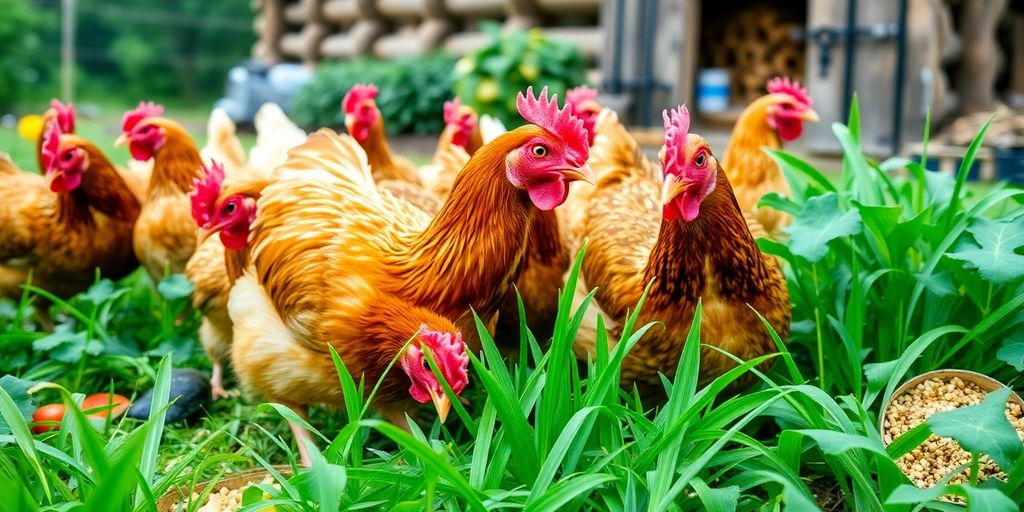
Foraging is basically letting your chickens be chickens. It’s their natural way of finding food, scratching around for bugs, seeds, and greens. When chickens forage, they’re not just eating; they’re also getting exercise and mental stimulation. A bored chicken is a destructive chicken, trust me. Plus, foraging can seriously cut down on your feed bill. The more they find on their own, the less you have to provide. It’s a win-win. But remember, foraging alone might not cover all their nutritional needs, especially if your land isn’t super rich in goodies. That’s where kitchen scraps and other supplements come in.
Role of Kitchen Scraps
Kitchen scraps can be a goldmine for chicken nutrition, but it’s not a free-for-all. You can’t just toss them anything and everything. Think of it as supplementing their diet, not replacing it entirely. Veggie scraps, fruit cores, cooked grains – these are all great options. But avoid things like avocado pits, raw potato peels, and anything super salty or processed. Also, make sure to chop up the scraps into manageable sizes to prevent choking. And remember, variety is key! Don’t just feed them the same thing every day. A balanced diet is just as important for chickens as it is for us.
It’s important to remember that while foraging and kitchen scraps are great, they might not always provide a complete diet. Keep an eye on your chickens’ health and egg production. If you notice any changes, you might need to adjust their diet or supplement with some commercial feed. It’s all about finding the right balance for your flock and your situation.
Creating a Sustainable Foraging Environment
So, you’re serious about cutting out the feed bill? Awesome! A big part of that is setting up your chickens so they can find their own grub. It’s not just about letting them loose; it’s about making a space where they can actually thrive and find enough to eat. Think of it as building a chicken paradise, one bug and weed at a time.
Free Range vs. Cooped Chickens
Okay, first things first: free-ranging versus keeping them cooped up. Free-ranging sounds idyllic, but it comes with risks. Predators are a real concern. Hawks, foxes, even neighborhood dogs can make a quick meal of your flock. Cooped chickens are safer from predators, but they rely entirely on you for food. A good middle ground is a large, secure run that gives them space to forage but keeps them protected. Think about it like this:
- Free-Range: Higher foraging potential, increased risk of predation, requires more land.
- Cooped: Lower foraging potential, safer from predators, requires less land, total reliance on provided food.
- Large Run: A balance of both, offering some foraging with protection.
Planting Forage Crops
Want to boost their foraging game? Plant stuff they love! Chickens are omnivores, so they’ll eat a variety of greens, seeds, and bugs that are attracted to certain plants. Some good options include:
- Clover: Great for ground cover and attracts insects.
- Alfalfa: High in protein and vitamins.
- Comfrey: A nutrient accumulator that chickens enjoy pecking at. It can also be used to make a natural chicken feed supplement.
- Sunflowers: Seeds are a great treat and the plants attract beneficial insects.
Planting a mix of these can create a self-sustaining food source for your chickens. It also adds diversity to their diet, which is always a good thing. Plus, it makes your yard look nicer!
Using Natural Insect Sources
Bugs are chicken candy! Encourage insects in your chicken area by:
- Creating compost piles: These attract worms and other tasty critters.
- Leaving leaf litter: Many insects live in decaying leaves.
- Using chickens for garden pest control in orchards and gardens (with supervision, of course!).
Also, consider adding a worm bin. Worms are an excellent source of protein, and chickens love them. You can even let your chickens till and fertilize in garden spaces to help with pest control and provide them with extra food.
Utilizing Kitchen Scraps Effectively
So, you’re thinking about tossing your leftovers to the chickens? Smart move! It’s a great way to reduce waste and give your flock a varied diet. But before you start scraping plates, there are a few things to keep in mind to keep your chickens happy and healthy.
Types of Kitchen Scraps
Not all scraps are created equal. Some are chicken superfoods, while others should be avoided altogether. Here’s a quick rundown:
- Good to Go: Most vegetable scraps (carrot peels, lettuce, cooked potatoes), fruit cores (apple cores, banana peels), cooked grains (rice, pasta), and bread are generally safe and enjoyed by chickens. Start feeding chickens kitchen scraps gradually.
- Okay in Moderation: Meat scraps (cooked, no bones), dairy products (yogurt, cheese), and citrus peels can be given in small amounts. Too much can cause digestive upset or affect egg flavor.
- Absolutely Avoid: Raw meat, avocado pits and skins, chocolate, onions, garlic, salty or processed foods, and anything moldy. These can be toxic or harmful to chickens.
Preparing Scraps for Chickens
Presentation matters, even for chickens! Big chunks of food can be hard for them to manage, so it’s best to chop things up into smaller, bite-sized pieces. This is especially important for tough vegetables or large fruit rinds. Also, avoid giving them anything too greasy or oily. Excess fat isn’t good for their digestion.
Benefits of Using Leftovers
Using kitchen scraps can be a game-changer for your wallet and your chickens’ well-being. It significantly reduces your feed costs, provides a more diverse diet, and keeps your chickens entertained as they forage through the scraps. Plus, you’re reducing your household waste – it’s a win-win-win!
Feeding chickens scraps is a great way to supplement their diet and reduce waste. However, it’s important to remember that scraps should only be a supplement, not the main source of food. A balanced diet is key to healthy, productive chickens. Make sure they still have access to a good quality feed to ensure they’re getting all the nutrients they need.
Incorporating Alternative Protein Sources
Okay, so you’re serious about ditching the store-bought feed? Then you gotta think outside the bag when it comes to protein. Chickens need protein, plain and simple, especially for laying those eggs. Luckily, there are some pretty cool ways to get it without spending a fortune.
Raising Insects for Chicken Feed
Okay, this might sound a little out there, but hear me out. Raising your own insects is a surprisingly effective way to provide your chickens with a high-protein snack. Think about it: chickens naturally eat bugs, so you’re just giving them what they crave. Mealworms are a popular choice, and they’re pretty easy to raise in a container with some bran or oats. Crickets are another option, but they can be a bit more escape-prone. Just make sure whatever you’re raising is safe for chickens to eat – no pesticides or anything nasty!
Using Worm Bins
Worm bins are awesome for a couple of reasons. First, they’re a great way to compost your kitchen scraps. Second, they produce worms, which chickens absolutely love. You can either toss the worms directly into the chicken run or use them to make a fermented chicken feed. Red wigglers are the best kind of worm for composting, and they’re pretty easy to keep happy in a bin with some bedding and food scraps. Plus, the worm castings (aka worm poop) are amazing for your garden!
Benefits of Black Soldier Fly
Black soldier fly larvae (BSFL) are like the rockstars of the insect protein world. They’re super efficient at converting waste into protein, and they’re packed with nutrients. Plus, they practically raise themselves! You can set up a simple BSFL composter and let them do their thing. The larvae are high in protein and fat, which is great for healthier and happier chickens. The cool thing is that they are easy to harvest and the chickens go crazy for them. They are a great alternative to mixing your own chicken feed.
I started raising black soldier fly larvae last summer, and it’s been a game-changer. My chickens are healthier, their eggs are bigger, and I’m throwing away way less food waste. It’s a win-win-win!
Monitoring Chicken Health and Production
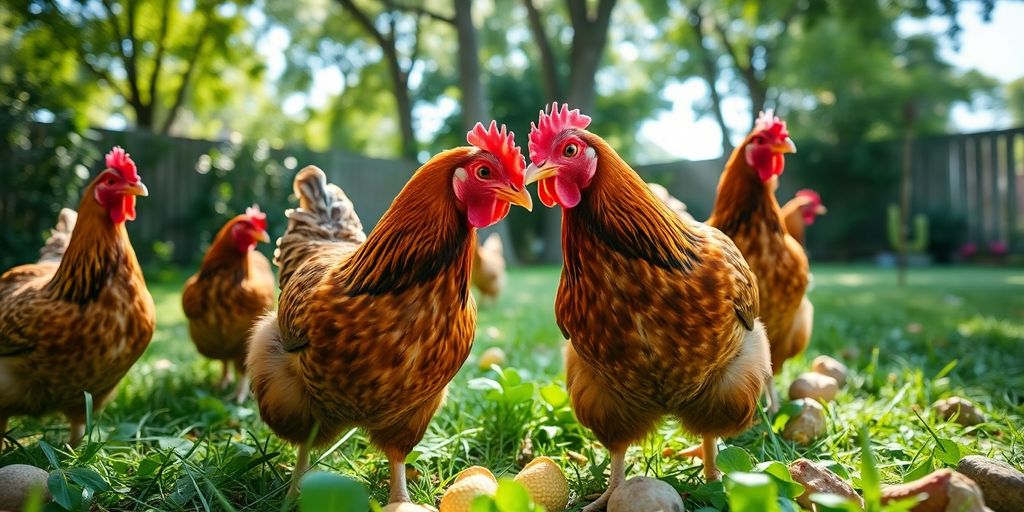
It’s easy to get caught up in the excitement of raising chickens without traditional feed, but don’t forget the basics! Keeping a close eye on your flock’s health and egg production is super important. It helps you make sure they’re getting everything they need from their alternative diet. If you see something off, you can adjust their diet or environment before it becomes a bigger problem.
Signs of Nutritional Deficiency
Okay, so how do you know if your chickens aren’t getting enough nutrients? Here are a few things to watch out for:
- Dull feathers: Healthy chickens have shiny, vibrant feathers. If their feathers look rough or dull, it could be a sign of a deficiency.
- Reduced egg production: A sudden drop in egg laying can mean they’re not getting enough protein or calcium. Berries are a great source of Vitamin A, which is necessary for good egg production.
- Lethargy: Chickens that are usually active but suddenly seem tired might be lacking essential vitamins or minerals.
- Poor growth: Young chickens need a lot of protein to grow properly. If they’re not growing at the expected rate, it’s a red flag.
Adjusting Diet Based on Egg Production
Egg production is a great indicator of your chickens’ overall health. If you notice a decline, it’s time to tweak their diet. Here’s what I do:
- Increase protein: Add more insects, worms, or kitchen scraps that are high in protein.
- Add calcium: Oyster shells or crushed eggshells can help improve eggshell quality. Remember that layer feeds typically have added calcium for good eggshell formation.
- Supplement with greens: Fresh greens provide essential vitamins and minerals. Squash is also high in Zinc which aids in your flock’s overall growth and development.
Weighing Chickens for Health
Weighing your chickens regularly can help you track their growth and identify potential health problems early on. Consistent weight loss or failure to gain weight can be a sign of illness or nutritional deficiency. I try to weigh mine every few weeks, especially when they’re young. Broiler body weight monitoring is essential for assessing flock growth and performance. Here’s a simple table to give you an idea of what to look for:
| Age (Weeks) | Average Weight (lbs) |
|---|---|
| 4 | 1.5 |
| 8 | 4.0 |
| 12 | 6.5 |
Remember, these are just averages. Different breeds will have different growth rates. The important thing is to monitor each chicken’s individual progress and look for any significant changes.
Building a Chicken-Friendly Habitat
Creating the right environment is super important if you want happy, healthy chickens that don’t rely on store-bought feed. It’s all about giving them space to do what chickens do best: forage, scratch, and explore. A good habitat protects them from weather and predators, while also encouraging their natural behaviors.
Designing a Coop for Foraging
Think about your coop design. It’s not just a shelter; it’s a basecamp for their foraging expeditions. The coop should connect easily to a larger run or, even better, a free-range area. Make sure the transition is smooth and safe, so they can move between shelter and foraging grounds without stress. Consider these points:
- Size Matters: Give your chickens enough room to move around comfortably inside the coop. Overcrowding leads to stress and disease.
- Easy Access: Design the coop so you can easily clean it and collect eggs. Trust me, you’ll thank yourself later.
- Secure Perimeter: Protect your flock from predators with strong fencing and secure latches. Raccoons and foxes are smarter than you think.
Creating Shelter and Nesting Areas
Chickens need protection from the elements, whether it’s scorching sun, pouring rain, or freezing temperatures. A well-designed coop provides that shelter. Nesting boxes are also essential for egg-laying hens. Here’s what to keep in mind:
- Shade and Sun: A chicken coop and run should provide a balance of sun and shade for the chickens’ well-being. If natural shade is lacking, artificial shade can be created to ensure a comfortable environment.
- Dry Bedding: Use absorbent bedding material like straw or wood shavings to keep the coop dry and comfortable. Change it regularly to prevent the buildup of ammonia.
- Cozy Nesting Boxes: Provide one nesting box for every four to five hens. Line them with soft bedding to encourage egg-laying.
A good chicken habitat is more than just a structure; it’s a carefully planned environment that meets the physical and psychological needs of your flock. By focusing on foraging opportunities, shelter, and safety, you can create a space where your chickens thrive.
Maintaining Cleanliness and Safety
Cleanliness is key to preventing disease and keeping your chickens healthy. Regular cleaning and maintenance are essential. Safety is also a top priority; protect your flock from predators and hazards.
- Regular Cleaning: Clean the coop regularly, removing manure and soiled bedding. This helps prevent the buildup of harmful bacteria and parasites.
- Predator-Proofing: Inspect the coop and run regularly for any signs of damage or weakness. Repair any holes or gaps to keep predators out. Consider using electric poultry netting for added protection.
- Safe Roosting Bars: Provide sturdy roosting bars for your chickens to sleep on at night. Make sure they are high enough off the ground to prevent drafts and dampness.
Experimenting with Grain-Free Diets
Success Stories from Other Chicken Keepers
It’s always inspiring to hear how others have tackled the challenge of grain-free diets for their chickens. Some folks have seen great results by focusing on a diverse foraging environment and supplementing with kitchen scraps. They report healthier birds and surprisingly good egg production, even without traditional feed. It really shows that chickens are more adaptable than we sometimes give them credit for.
Challenges of Going Grain-Free
Going grain-free isn’t always a walk in the park. One of the biggest hurdles is ensuring your chickens get all the nutrients they need. Grain-free diets require careful planning and monitoring to prevent deficiencies. You might need to experiment with different combinations of protein sources, greens, and supplements to find what works best for your flock. Also, it can be more time-consuming than just pouring feed into a trough.
Adjusting Expectations for Egg Production
Don’t expect your hens to lay an egg every single day if you switch to a grain-free diet. Egg production might dip, especially during colder months or times when foraging is limited. It’s all about finding a balance between cost savings, chicken health, and egg yield.
Remember, every flock is different. What works for one person might not work for you. Be patient, observe your chickens closely, and adjust your approach as needed. It’s a learning process, and there’s no one-size-fits-all solution.
Final Thoughts on Raising Chickens Without Feed
So, there you have it. Raising chickens without buying feed is definitely a challenge, but it’s not impossible. You’ll need to get creative and put in some extra effort. Foraging, kitchen scraps, and maybe even some insects can keep your flock happy and healthy. Just remember, it might take time to figure out what works best for your setup. Don’t be discouraged if things don’t go perfectly at first. Keep experimenting, and you might find a system that works for you. And hey, if you can save some cash while doing it, that’s a win-win!
Frequently Asked Questions
Can chickens really live without commercial feed?
Yes, chickens can thrive without commercial feed if you provide them with enough natural food sources like insects, plants, and kitchen scraps.
What should I feed my chickens instead of store-bought feed?
You can feed them kitchen scraps, sprouted grains, seeds, and let them forage for bugs and plants.
How can I create a good environment for my chickens to forage?
You can allow them to roam freely in a safe area or plant forage crops that they can eat.
What types of kitchen scraps are safe for chickens?
Most vegetable scraps, fruit peels, and leftover grains are safe. Avoid giving them anything toxic like avocado or chocolate.
How can I ensure my chickens get enough protein?
You can raise insects like mealworms or black soldier flies, or use worm bins to provide a protein-rich diet.
What signs should I look for to know if my chickens are healthy?
Healthy chickens are active, have bright eyes, and produce eggs regularly. If you notice a drop in egg production or lethargy, it may indicate a nutritional deficiency.