“This post contains affiliate links. As an Amazon Associate, I earn from qualifying purchases”
Thinking about how to raise chickens without a coop? You’re in luck! This guide will walk you through everything you need to know about keeping chickens free-range. It can be a rewarding experience for both you and your feathered friends. Let’s explore how to create a safe and healthy environment for your chickens to thrive without a traditional coop.
Key Takeaways
- Chickens are natural foragers and thrive when allowed to roam freely.
- Creating a secure space is crucial to protect your flock from predators.
- Choose breeds that are well-suited for free-range living and can adapt to their environment.
- Regular health checks and a balanced diet are essential for keeping your chickens healthy.
- Providing enrichment and opportunities for natural behaviors enhances their quality of life.
Understanding Free-Range Chicken Behavior
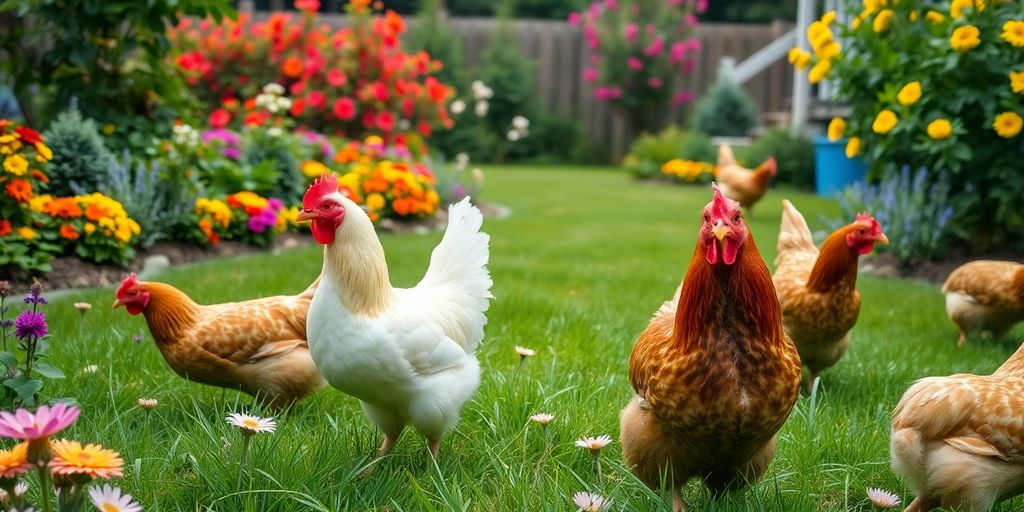
Okay, so you’re thinking about letting your chickens roam free? Awesome! But before you throw open the gates, it’s a good idea to understand how chickens act when they’re not cooped up. It’s not just about letting them wander; it’s about knowing what makes them tick. This way, you can create a setup where they’re happy, healthy, and safe. Plus, understanding their behavior can help you avoid some common free-range problems down the road. Let’s get into it.
Natural Foraging Habits
Chickens are natural foragers, and this is a big part of why free-ranging is so appealing. They spend a good chunk of their day scratching, pecking, and digging for food. They’re not just looking for chicken feed; they’re after insects, seeds, greens, and even small pebbles to help with digestion. This foraging behavior not only keeps them busy but also supplements their diet with a variety of nutrients. If they’re foraging well, you might even save money on feed! Just keep an eye on them to make sure they aren’t decimating your garden. You can always provide some chicken feed to supplement what they find.
Social Structures in Flocks
Chickens have a definite pecking order (pun intended!). It’s all about establishing dominance within the flock. You’ll see it in how they interact with each other – who gets first dibs on food, who gets to roost in the best spot, and so on. Understanding this social structure is important because it can affect everything from egg production to overall flock health. A stable social structure usually means less stress and fewer squabbles. If you introduce new chickens, expect some disruption as they find their place in the hierarchy. It’s usually temporary, but keep an eye out for excessive bullying.
Exploring Their Environment
Chickens are curious creatures, and they love to explore. They’ll wander around, checking out every nook and cranny of their surroundings. This exploration is how they find food, but it’s also just part of their nature. They’re not going to roam miles away, but they will definitely take advantage of the space you give them. To make sure your chickens don’t roam too far, make sure you’ve predator-proofed their space and that they know where their shelter and water are.
Giving your chickens the freedom to explore is great, but it also means they’re more exposed to potential dangers. Make sure you’ve got a secure perimeter and plenty of places for them to take cover. A little planning can go a long way in keeping them safe and happy.
Creating a Safe Free-Range Space
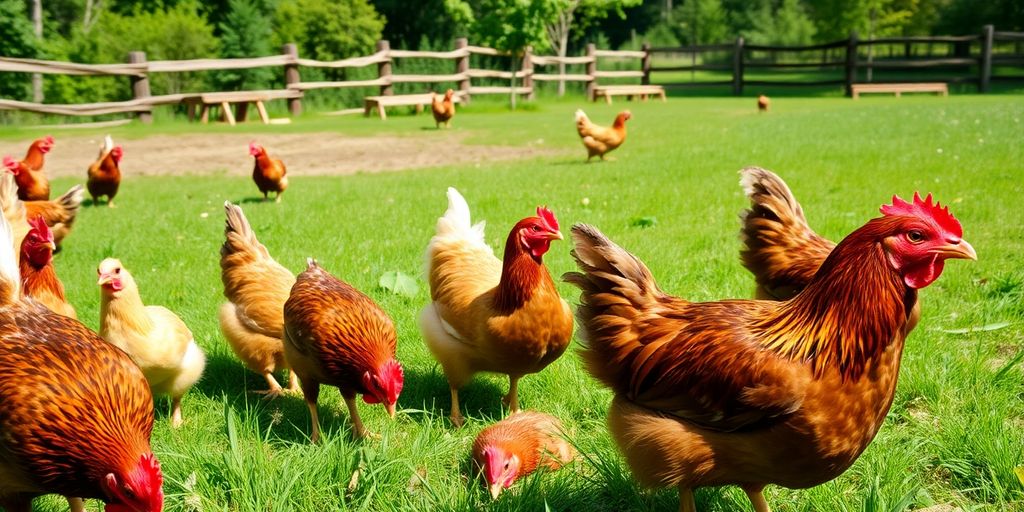
Okay, so you’re thinking about letting your chickens roam free? Awesome! But before you just open the gate, you gotta think about safety. It’s not just about letting them peck around; it’s about making sure they don’t become a snack for something else. Here’s how to make your yard a chicken paradise, not a predator buffet.
Fencing and Boundaries
Fencing is your first line of defense. Think of it as building a tiny chicken-sized Fort Knox. You need something that keeps them in and, more importantly, keeps predators out. I learned this the hard way when a fox had a field day in my yard. Not fun.
- Poultry Netting: Cheap, easy to install, but not super strong. Good for keeping chickens in, not so much for keeping predators out.
- Chicken Wire: A step up, but determined predators can still get through. Bury it a few inches to stop digging.
- Hardware Cloth: This is the good stuff. Strong, durable, and keeps out most critters. More expensive, but worth it for peace of mind. I’d recommend this for anyone serious about chicken safety.
Consider electric fencing as an additional deterrent. A low-voltage shock can teach predators to stay away from your chicken area. Just make sure it’s properly installed and won’t harm your chickens.
Shelter from Predators
Chickens need places to hide. Think bushes, trees, or even a simple lean-to. Anything that gives them cover from hawks or other aerial predators. My chickens love hanging out under the big lilac bush; it’s their safe zone.
- Trees and Shrubs: Natural cover is great. Plant some dense bushes or let your chickens roam near existing trees.
- Chicken Tractors: Mobile shelters that you can move around your yard. Good for protecting your lawn and giving your chickens fresh foraging areas.
- DIY Shelters: Get creative! Old sheds, repurposed dog houses, even a pile of branches can work. Just make sure it’s sturdy and provides good cover.
Water and Feeding Stations
Don’t just assume your chickens will find enough food and water on their own. You need to provide reliable sources, especially during hot or cold weather. And keep those stations clean to prevent disease.
- Water Availability: Always have fresh, clean water available. Use chicken waterers to keep the water clean and prevent spills.
- Supplemental Feed: Even free-range chickens need extra food, especially if they aren’t getting enough from foraging. Offer a good quality chicken feed to supplement their diet.
- Location Matters: Place water and feed stations in sheltered areas to protect them from the elements and make them more accessible to your chickens.
Choosing the Right Chicken Breeds
Choosing the right chicken breeds is super important if you’re planning on letting your chickens roam free. Not all chickens are created equal, and some are way better suited for a free-range lifestyle than others. You gotta think about things like how well they can handle the weather, how good they are at finding their own food, and whether they can defend themselves from predators. It’s all about picking breeds that will thrive in your specific environment.
Hardy Breeds for Free-Range Living
Some chicken breeds are just tougher than others, and these are the ones you want for a free-range setup. These breeds are good at foraging, can handle different weather conditions, and are generally more aware of predators. Think of them as the survivalists of the chicken world.
Here are a few examples of hardy breeds that do well free-ranging:
- Australorps: Known for their good egg production and ability to handle cold weather.
- Wyandottes: Another cold-hardy breed that’s also a decent egg layer.
- Rhode Island Reds: A classic dual-purpose breed that’s good at foraging and laying eggs. If you want to raise a happy and healthy flock, these are a great choice.
Egg Production Considerations
Of course, most people raise chickens for eggs, so you’ll want to consider egg production when choosing your breeds. Some hardy breeds are also great layers, while others might lay fewer eggs but make up for it in other ways, like being better foragers or more predator-savvy. It’s a balancing act.
Here’s a quick look at some breeds and their approximate egg production:
| Breed | Egg Color | Eggs per Year | Notes |
|---|---|---|---|
| Rhode Island Red | Brown | 200-300 | Reliable layers |
| Leghorn | White | 280-320 | Prolific layers, but can be flighty |
| Australorp | Brown | 250-300 | Good layers and cold-hardy |
| Easter Egger | Varies | 150-220 | Lays colorful eggs, good foragers |
Temperament and Adaptability
Temperament is another key factor. You want chickens that are relatively calm and easy to handle, especially if you have kids or other pets. Some breeds are more docile than others, and some are more prone to aggression. Also, consider how well a breed adapts to different environments. If you live in an area with hot summers and cold winters, you’ll need a breed that can handle both. Breeds like the Araucana for colorful eggs are known for their adaptability.
It’s worth noting that the modern chicken breeds we see today are relatively new developments. For a long time, chickens were much more rugged and self-sufficient. It’s only in the last couple of centuries that we’ve bred them to be more suited for coop living, often at the expense of their natural instincts and hardiness. Choosing breeds that retain some of those older traits can make a big difference in a free-range setup.
Managing Health and Nutrition
Free-ranging chickens are generally pretty good at finding their own food, but you still need to keep a close eye on their health and make sure they’re getting everything they need. It’s not just about letting them roam; it’s about making sure they thrive.
Supplementing Their Diet
While free-range chickens get a lot of nutrients from foraging, they often need a little extra, especially during certain times of the year. A good quality chicken feed is essential to provide a balanced diet. Think of it as their multivitamin. You can also supplement with treats like mealworms or vegetable scraps, but don’t overdo it – treats should only be a small part of their overall diet.
- Layer feed: Provides the necessary calcium for egg production.
- Scratch grains: A good source of energy, especially in colder months.
- Fresh vegetables: Offer a variety for added vitamins and minerals.
Monitoring Health Indicators
Keeping an eye on your flock’s health is super important. Catching problems early can make a huge difference. Look for changes in behavior, like decreased activity or loss of appetite. Check their droppings regularly – unusual colors or consistency can be a sign of illness. Also, examine their feathers for parasites and their combs and wattles for paleness, which could indicate anemia.
Regular observation is key. If something seems off, it probably is. Don’t hesitate to consult with a vet who specializes in poultry. They can provide guidance and treatment options.
Preventative Care Strategies
Prevention is always better than cure. Make sure your chickens have access to clean water at all times. Regularly clean their roosting areas to prevent the buildup of bacteria and parasites. Consider using natural remedies like garlic or apple cider vinegar in their water to boost their immune systems. And, of course, quarantine any new birds before introducing them to the flock to prevent the spread of disease.
- Regular coop cleaning: Reduces the risk of disease.
- Dust baths: Help control mites and lice.
- Probiotics: Support gut health and immunity.
Dealing with Common Challenges
Free-ranging chickens sounds idyllic, but it comes with its own set of headaches. It’s not all sunshine and fresh eggs. You’ll face some issues, trust me. Let’s talk about some of the big ones and how to handle them.
Predator Threats
Predators are probably the biggest worry when you let your chickens roam. Foxes, hawks, raccoons, even neighborhood dogs can pose a serious threat. The key is to be proactive. I learned that the hard way when I lost three hens in one week to a sneaky fox.
Here’s what I do now:
- Secure the perimeter: Even without a full coop, reinforce any fencing you have. Make sure there are no gaps or weak spots where predators can get in.
- Provide escape routes: Bushes, pallets, or even just overturned buckets can give your chickens a place to hide if they feel threatened.
- Use deterrents: Motion-activated lights or sprinklers can scare away nocturnal predators. Some people swear by guardian animals like dogs or llamas, but that’s a whole other level of commitment.
Weather Conditions
Weather can be brutal on free-range chickens. Extreme heat, cold, rain, or snow can all take a toll. You need to help them cope.
- Provide shade: During the summer, make sure your chickens have access to plenty of shade. Trees, shrubs, or even a simple tarp can do the trick.
- Offer shelter: In the winter, they’ll need a place to get out of the wind and snow. A simple three-sided structure filled with straw can make a big difference. Consider chicken breeds that are hardy.
- Keep water from freezing: This seems obvious, but it’s easy to forget when the temperature drops. Heated water bowls or frequent refills are essential.
Behavioral Issues
Sometimes, the chickens themselves are the problem. Feather pecking, egg eating, and bullying can all disrupt your flock.
Addressing behavioral issues in chickens often requires a bit of detective work. Observe your flock closely to identify the root cause of the problem. Is it overcrowding? Boredom? Nutritional deficiencies? Once you know what’s causing the behavior, you can take steps to correct it.
Here are some things to consider:
- Provide enough space: Overcrowding can lead to stress and aggression. Make sure your chickens have enough room to roam and avoid each other if they want to.
- Offer enrichment: Bored chickens are more likely to develop bad habits. Provide them with things to do, like dust baths, scratching areas, or even just a pile of leaves to explore.
- Adjust their diet: Sometimes, behavioral problems are caused by nutritional deficiencies. Make sure your chickens are getting a balanced diet with plenty of protein and calcium.
Dealing with these challenges isn’t always easy, but it’s part of the deal when you choose to free-range your chickens. With a little planning and effort, you can create a safe and happy environment for your flock.
Enhancing the Free-Range Experience
So, you’ve got your chickens out there, pecking and scratching. Now what? It’s not just about letting them roam; it’s about making their lives richer and more fulfilling. A happy chicken is a productive chicken, right? Let’s look at some ways to make your free-range setup a five-star experience for your feathered friends.
Providing Enrichment Activities
Chickens get bored, just like us. Keeping them entertained prevents destructive behaviors like feather pecking. Think about their natural instincts and how to satisfy them. Here are a few ideas:
- Hang a cabbage or lettuce head just high enough that they have to jump for it. It’s like a chicken piñata!
- Scatter scratch grains in the leaf litter to encourage foraging. Make them work for their treats!
- Provide a pile of hay or straw for them to dig through. Hidden bugs and seeds are a bonus.
Enrichment doesn’t have to be expensive or complicated. Simple changes to their environment can make a big difference in their happiness and well-being. It’s all about stimulating their minds and bodies.
Creating Dust Baths
Dust baths are essential for chicken hygiene. They help control mites and lice, and chickens genuinely seem to enjoy them. You can create a dust bath area by:
- Choosing a sunny spot with dry, loose soil. A safe free-range space is key.
- Adding wood ash or diatomaceous earth to the soil for extra pest control.
- Keeping the area dry and protected from rain.
If you don’t have a naturally dusty area, you can use a kiddie pool or a large container filled with sand and soil. My chickens fight over who gets to use the dust bath first!
Encouraging Natural Behaviors
Free-ranging already allows chickens to express many of their natural behaviors, but you can take it a step further. Think about what chickens do in the wild and try to replicate those conditions.
- Provide logs or branches for roosting during the day. Chickens like to perch and survey their surroundings.
- Plant shrubs or bushes to offer cover and a sense of security. They need places to hide from predators or just get out of the sun.
- Consider adding a mobile coop to different areas of your yard to give them new foraging opportunities. This also helps distribute their impact on the land.
By understanding and supporting their natural behaviors, you’ll have a happier, healthier, and more productive flock. Plus, it’s just fun to watch them be chickens!
Harvesting Eggs and Meat Sustainably
Free-ranging chickens can give you a lot of satisfaction, especially when it comes to gathering eggs and, if you choose, harvesting meat. But it’s important to do it in a way that’s good for the chickens and the environment. It’s about finding a balance that keeps your flock healthy and productive without causing unnecessary harm. Let’s explore some ways to make this happen.
Egg Collection Techniques
Collecting eggs from free-range chickens can feel like an Easter egg hunt, but there are ways to make it more efficient. Regular collection is key to preventing broodiness and egg loss due to predators or breakage.
Here are some tips:
- Daily Rounds: Check potential nesting spots every day. Chickens often have favorite spots, but they might surprise you.
- Designated Nesting Areas: Encourage laying in specific areas by providing comfortable nesting boxes filled with straw or wood shavings. You can even use reusable acrylic eggs holders to encourage them.
- Early Collection: Collect eggs early in the morning to minimize the risk of them being damaged or eaten by the chickens themselves.
Collecting eggs is more than just grabbing them from a nest. It’s about understanding your chickens’ laying habits and creating an environment where they feel safe and comfortable laying their eggs. This not only increases your yield but also reduces stress on the birds.
Ethical Meat Harvesting
If you’re raising chickens for meat, it’s important to approach harvesting with respect and consideration for the animal. Ethical meat harvesting focuses on minimizing stress and pain for the chicken.
Consider these points:
- Humane Slaughter Methods: Research and use humane slaughter techniques that prioritize a quick and painless death.
- Proper Handling: Handle the chickens calmly and gently before and during the harvesting process to reduce stress.
- Respectful Processing: Process the meat with care and respect, ensuring that all parts of the animal are used or disposed of properly.
Maintaining a Balanced Flock
Keeping a balanced flock is important for long-term sustainability. This means managing the number of chickens in your flock to ensure that you’re not overgrazing your land or creating an unsustainable demand for resources. It also means considering the age and productivity of your hens.
Here’s how to maintain balance:
- Culling Practices: Implement a culling strategy to remove older or unproductive hens from the flock. This helps to maintain a healthy and productive flock overall.
- Chick Replacement: Introduce new chicks regularly to replace older hens and maintain egg production levels. Consider off-grid poultry farming practices to ensure sustainability.
- Flock Size Management: Monitor the size of your flock and adjust it as needed to ensure that you’re not overtaxing your resources or creating an imbalance in your ecosystem.
Final Thoughts on Raising Chickens Without a Coop
So, there you have it! Raising chickens without a coop can be a fun and rewarding experience. It takes some planning and a bit of creativity, but the benefits are worth it. Your chickens get to roam, forage, and live a more natural life, which can lead to happier and healthier birds. Just remember to keep an eye out for predators and make sure they have access to food and water. If you’re ready to embrace the free-range lifestyle, you’ll likely find that both you and your flock will enjoy the freedom. Happy chicken-keeping!
Frequently Asked Questions
What are the benefits of raising chickens without a coop?
Raising chickens without a coop allows them to roam freely, which can lead to happier, healthier birds. They can forage for food, enjoy natural behaviors, and have more space to explore.
How do I keep my free-range chickens safe from predators?
To protect your chickens from predators, you can use fencing to create boundaries. It’s also important to provide hiding spots and shelters where they can take cover if they feel threatened.
Do free-range chickens need extra food?
It depends! If they are foraging well and getting a balanced diet from their environment, they may not need extra feed. However, you can provide supplemental feed to ensure they get enough nutrition.
What chicken breeds are best for free-ranging?
Some hardy breeds that do well in free-range environments include Rhode Island Reds and Sussex. These breeds are known for their adaptability and good egg production.
How can I tell if my chickens are healthy?
You can monitor their health by checking their feathers, eyes, and behavior. Healthy chickens are active, have bright eyes, and their feathers should be clean and intact.
What should I do if my chickens are acting strangely?
If your chickens are behaving differently, it might be a sign of stress or illness. Observe them closely, check for any injuries, and consider consulting a vet if the behavior continues.