“This post contains affiliate links. As an Amazon Associate, I earn from qualifying purchases”
Raising chickens can be a rewarding experience, but it also comes with its challenges. One of the simplest ways to improve the health of your hens and make maintenance easier is to elevate your chicken coop. By lifting the coop off the ground, you can enhance ventilation, reduce moisture, and protect your flock from predators. In this article, we’ll explore practical steps on how to raise chicken coop off ground, ensuring your hens thrive in a clean and comfortable environment.
Key Takeaways
- Elevating the coop improves airflow and reduces dampness.
- Choose a well-drained location to prevent water pooling.
- Use sturdy materials to ensure the coop is safe and stable.
- Regular cleaning and maintenance are key for hen health.
- Utilize the space beneath the coop for dust baths or storage.
Understanding The Benefits Of Elevating Your Chicken Coop
So, you’re thinking about raising your chicken coop off the ground? Smart move! There are actually a bunch of good reasons to do this, and it’s not just about making your coop look fancy. It’s about the health and happiness of your flock, and making your life a whole lot easier too. Let’s get into the details.
Improved Ventilation
One of the biggest advantages of an elevated coop is better airflow. Good ventilation is super important for keeping your chickens healthy. Think about it: a coop sitting directly on the ground can get stuffy and damp, especially in the summer. This can lead to a buildup of ammonia from droppings, which is bad news for your chickens’ respiratory systems. Raising the coop allows air to circulate underneath, helping to keep things fresh and dry. Proper chicken coop ventilation is key to a healthy flock.
Reduced Moisture Accumulation
Moisture is the enemy when it comes to chicken coops. A damp coop is a breeding ground for bacteria and parasites, which can lead to all sorts of health problems for your birds. Elevating the coop helps to keep the floor dry by preventing ground moisture from seeping in. This is especially important in areas with high rainfall or poor drainage. Plus, a dry coop is just generally more comfortable for your chickens.
Enhanced Predator Protection
Okay, let’s talk about predators. Raccoons, foxes, and even neighborhood dogs can be a real threat to your chickens. An elevated coop makes it harder for these critters to get to your flock. It creates a physical barrier that they have to overcome, giving your chickens a better chance of staying safe. You can also reinforce the area under the coop with hardware cloth to create an even more secure barrier. Think of it as a little extra peace of mind.
Raising your coop is a simple way to make your chickens safer and healthier. It’s not a magic bullet, but it’s a significant step in the right direction. Plus, it makes cleaning and maintenance a whole lot easier for you, which is always a win.
Choosing The Right Location For Your Coop
Okay, so you’re ready to get your chicken coop off the ground, literally and figuratively. But before you start building or buying, you gotta figure out where to put it. Location, location, location, right? It’s not just about what looks good in your backyard; it’s about your chickens’ health and happiness. And let’s be honest, a little bit about your convenience too.
Assessing Sunlight Exposure
Sunlight is super important for your chickens. They need it for vitamin D production, which helps them absorb calcium for strong eggshells. Ideally, you want a spot that gets morning sun, especially during the colder months. But you also don’t want them baking in the hot afternoon sun during the summer. Think about how the sun moves across your yard throughout the day and year. A spot with some natural shade from trees or a building can be a lifesaver. If you live in a place with harsh winters, consider how the sun will help melt snow around the coop. You might even want to add supplemental light to the coop to extend the laying season.
Evaluating Drainage Conditions
Chickens hate being wet. Wet chickens are unhappy chickens, and unhappy chickens are more prone to disease. So, drainage is key. You want a spot that doesn’t get waterlogged after it rains. Avoid low-lying areas where water tends to pool. If your yard is naturally prone to poor drainage, you might need to consider some landscaping to improve it before you build your coop. This could involve adding some gravel or creating a slight slope away from the coop. Proper drainage also helps prevent the buildup of mud, which can be a real pain to deal with, especially during the rainy season. Think about the best location for your chicken coop.
Considering Proximity To Your Home
How close do you want your chickens to be? There are pros and cons to both. Closer means it’s easier to collect eggs, refill food and water, and keep an eye on things. But it also means you’re more likely to hear them (and smell them). Farther away might give you more peace and quiet, but it also means more walking, especially in bad weather. Also, consider your neighbors. You don’t want to put the coop so close to the property line that it becomes a nuisance. Check your local ordinances to see if there are any restrictions on how close you can keep chickens to your neighbor’s property.
Ultimately, the best location is a balance of all these factors. There’s no one-size-fits-all answer. Take the time to assess your yard, consider your chickens’ needs, and think about what works best for you. A little planning upfront can save you a lot of headaches down the road.
Designing An Elevated Chicken Coop
So, you’re thinking about building an elevated coop? Awesome! It’s not as hard as it looks, but there are definitely some things to keep in mind. It’s all about making a safe and functional space for your feathered friends. Let’s get into the nitty-gritty.
Selecting Suitable Materials
Okay, first things first: materials. You want something sturdy that can withstand the elements and, you know, a bunch of chickens running around. Pressure-treated lumber is your best friend for the frame, especially the parts that touch the ground. It’ll resist rot and keep your coop standing strong for years. For the walls and roof, consider plywood, shiplap, or even reclaimed wood if you’re feeling fancy. Just make sure whatever you use is weather-resistant and non-toxic. Chickens peck at everything, so avoid anything treated with harmful chemicals. Hardware cloth is a must for any openings to keep predators out. I’ve seen people get creative with metal roofing, which is durable and reflects heat, but asphalt shingles work too. Basically, think strong, safe, and weather-proof.
Incorporating Access Ramps
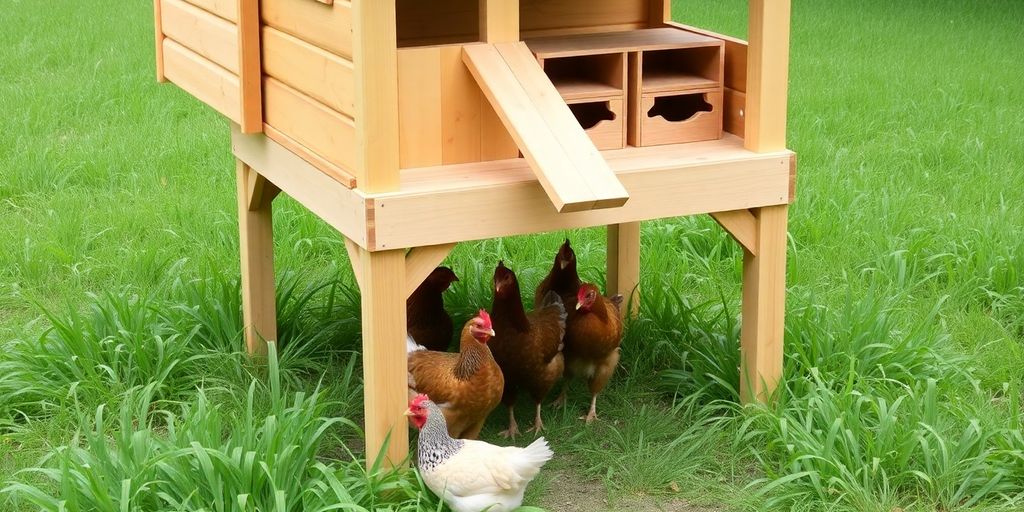
Now, how are your chickens going to get up there? A ramp is key. You don’t want them trying to fly up and potentially hurting themselves. The ramp should be wide enough for them to walk comfortably, and not too steep. A gentle slope is ideal. Think about adding some horizontal slats or cleats every few inches to give them better grip. I’ve used old branches before, which look cool and provide natural texture. Make sure the ramp is securely attached to both the coop and the ground. You don’t want it collapsing under the weight of a flock of chickens. Consider the ramp’s placement too. Sheltering it from rain and snow will prevent it from becoming slippery. A well-designed ramp makes all the difference in your chickens’ daily lives. You can even find chicken coop plans online to help you with the design.
Ensuring Stability And Safety
This is where things get serious. You’re building a structure that needs to support weight and withstand wind, so stability is non-negotiable. Make sure the foundation is solid. If you’re using posts, sink them deep into the ground and consider using concrete for extra support. Cross-bracing is essential for preventing the coop from swaying or collapsing. Use diagonal braces on all sides of the frame. Check local building codes to see if there are any specific requirements for elevated structures. Pay attention to weight distribution. Don’t overload one side of the coop, as this can compromise its stability. Regularly inspect the structure for any signs of wear and tear, such as loose joints or rotting wood. Address any issues promptly to prevent them from becoming bigger problems. A safe and stable coop is a happy coop, and happy chickens lay more eggs!
Building an elevated coop is a rewarding project, but it requires careful planning and execution. Don’t rush the process. Take your time to research, gather the right materials, and build a structure that will keep your chickens safe and comfortable for years to come. It’s an investment in their well-being and your peace of mind.
Implementing Effective Maintenance Strategies
Keeping your elevated chicken coop in tip-top shape is key for happy, healthy hens. It might seem like a chore, but a little regular maintenance goes a long way in preventing problems and ensuring your chickens have a comfortable home. Let’s get into some strategies that I’ve found helpful over the years.
Regular Cleaning Routines
Okay, let’s be real – cleaning isn’t anyone’s favorite task, but it’s super important for your coop. I try to do a quick clean every week, and a deep clean once a month. For the weekly sweep, I’m talking about removing any obvious messes, like droppings, and making sure the water and food are fresh. The monthly deep clean involves removing all the bedding, scrubbing down the surfaces with a coop cleaner (I like to use a natural one), and letting it dry completely before putting in new bedding. This helps prevent the buildup of harmful bacteria and keeps the coop smelling decent. I also use a scraper to get the stubborn stuff off the roosting bars. It’s a game changer.
Managing Bedding Materials
Choosing the right bedding can make a huge difference in how easy it is to maintain your coop. I’ve experimented with a few different options, and here’s what I’ve learned:
- Straw: Cheap and readily available, but it can get moldy if it’s not properly managed. I find it works best in drier climates.
- Pine shavings: A popular choice because they’re absorbent and smell nice. Just make sure they’re kiln-dried to reduce dust.
- Hemp: This is my personal favorite. It’s super absorbent, composts well, and doesn’t get as dusty as shavings. It’s a bit more expensive, but worth it in my opinion.
No matter what you choose, make sure to turn the bedding regularly to prevent it from compacting and getting too damp. I also add a bit of diatomaceous earth to the bedding to help control pests. Speaking of pests…
Inspecting For Pests
Pests are a fact of life when you’re raising chickens, but you can keep them under control with regular inspections and preventative measures. Here’s what I look for:
- Mites and lice: These tiny critters can cause a lot of discomfort for your hens. Check your chickens regularly for signs of infestation, like feather loss or excessive scratching. If you find them, treat your chickens with an appropriate insecticide and clean the coop thoroughly.
- Rodents: Mice and rats can be attracted to the coop by food and shelter. Seal up any cracks or holes in the coop to prevent them from getting in. I also use traps around the perimeter of the coop to catch any that do manage to sneak in. Consider chicken fencing options to keep them out.
- Flies: Flies can be a nuisance, especially in the summer. Keep the coop clean and dry to reduce their numbers. I also use fly traps and fly spray around the coop.
Regular maintenance is not just about keeping the coop clean; it’s about creating a healthy and comfortable environment for your chickens. By following these strategies, you can minimize problems and enjoy the benefits of having a backyard flock for years to come. It’s all about preventative care, really. A little effort now saves a lot of headaches later. Plus, happy chickens lay more eggs!
Creating A Comfortable Environment For Hens
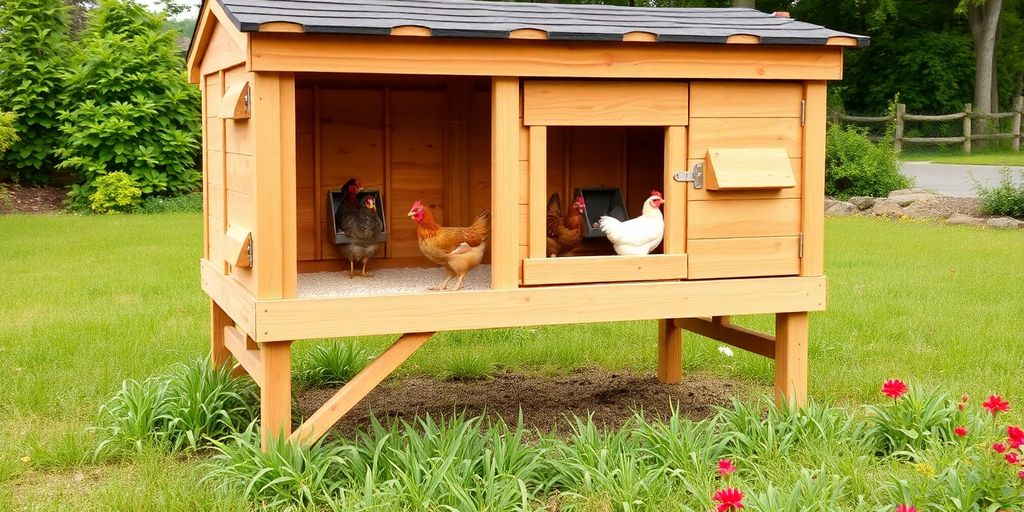
Making sure your hens are happy and comfy is super important for their health and egg production. It’s not just about having a sturdy chicken coop; it’s about creating a space where they feel safe and can thrive. Let’s look at some key things to consider.
Providing Adequate Nesting Boxes
Nesting boxes give your hens a private, safe spot to lay their eggs. Aim for about one nesting box for every four hens. You don’t need anything fancy – a simple wooden box works great. I’ve even seen people use old milk crates or buckets. Just make sure they’re clean and filled with soft bedding like straw or wood shavings. Place the boxes a few feet off the ground. You might be surprised, but even with multiple boxes, they often prefer using just one or two!
Ensuring Proper Roosting Space
Roosting bars are where your chickens sleep at night. They like to perch up high, so install the roosts a few feet off the ground. Make sure there’s enough space for all your hens to comfortably sit without being too crowded. A good rule of thumb is to provide at least 8-10 inches of roosting space per hen. I use 2x4s with the wide side up, so they have a nice, flat surface to grip. Rounding the edges helps prevent foot problems.
Maintaining Optimal Temperature
Chickens are pretty hardy, but extreme temperatures can affect them. In the winter, make sure the coop is well-insulated and protected from drafts. You can use extra bedding to help keep them warm. In the summer, ventilation is key. Make sure the coop has plenty of airflow to prevent it from getting too hot. I usually leave the coop door open during the day in the summer, unless there’s a predator threat. Here’s a quick guide:
| Season | Temperature Considerations |
|---|---|
| Winter | Insulation, draft protection, extra bedding |
| Summer | Ventilation, shade, access to cool water |
| Spring/Fall | Monitor temperature fluctuations, adjust ventilation as needed |
Keeping your chickens comfortable doesn’t have to be complicated. Simple things like providing enough space, keeping the coop clean, and protecting them from extreme weather can make a big difference in their overall health and happiness. Happy hens lay more eggs!
Utilizing Space Under The Coop
So, you’ve got your chicken coop up off the ground – great! But don’t let that space underneath go to waste. There are some really useful ways to put it to work, making your chickens’ lives better and your own chicken-keeping tasks easier. Let’s explore some ideas.
Creating Dust Baths
Chickens need dust baths to keep themselves clean and free of parasites. The dry, sheltered area under the coop is perfect for this. You can create a simple dust bath by filling a container or a designated spot with a mixture of sand, dirt, and wood ash. This gives your chickens a place to preen and keep their feathers in top condition. It’s like their own little spa!
Establishing Storage Areas
Chicken keeping comes with stuff: feed, bedding, tools, and more. The space under the coop can be a handy storage area, keeping these items dry and out of the way. You could store extra size coop bedding materials, like straw or wood shavings, or keep your feed bins protected from the elements. Just make sure everything is stored securely to prevent pests from getting in.
Designing A Run For Free-Range
If you want to give your chickens a bit more space to roam but still keep them contained, consider turning the area under the coop into a small run. You can enclose it with wire mesh to keep them safe from predators while allowing them to scratch and peck in a protected environment. This is especially useful if you have limited yard space or want to keep them away from certain areas of your garden. It’s a win-win!
Having a dedicated run under the coop can also help manage the impact on your yard. Chickens can be tough on grass and plants, so confining them to a specific area can prevent them from destroying your entire garden. Plus, it makes it easier to clean up after them.
Addressing Common Challenges With Elevated Coops
Preventing Water Accumulation
One of the biggest issues with elevated coops is water. Rain and snow can really mess things up if you don’t plan ahead. Make sure your coop has a solid roof with good overhangs. Gutters can also be a lifesaver, directing water away from the coop’s base and preventing rot. Check these regularly, especially after storms, to keep them clear of leaves and debris. You might also consider the coop’s orientation; positioning it so the prevailing winds don’t drive rain directly into the coop can help a lot.
Managing Waste Effectively
Dealing with chicken poop is just part of the deal. With an elevated coop, you have to think about where all that waste is going. Here are some ideas:
- Deep Litter Method: Let the droppings compost right under the coop. Add carbon-rich materials like leaves or wood shavings to help break it down. This creates great garden compost over time.
- Collection System: Set up a tray or container under the coop to catch the droppings. Empty it regularly into your compost pile.
- Strategic Placement: Position the coop so the droppings fall onto an area you plan to use as a garden. The chickens will naturally fertilize the soil.
Managing chicken waste is not just about cleanliness; it’s about creating a healthier environment for your chickens and reducing the risk of disease. Proper waste management also minimizes odors and keeps pests away.
Dealing With Extreme Weather
Elevated coops can be more exposed to the elements, so you need to be ready for anything Mother Nature throws your way. In the winter, think about insulation. You can wrap the coop in tarps or add extra bedding to keep your hens warm. In the summer, ventilation is key. Make sure there’s plenty of airflow to prevent overheating. A simple fan can make a big difference. Also, consider providing extra shade around the coop to protect your chickens from the sun. Here’s a quick guide:
| Weather Condition | Solution |
|---|---|
| Extreme Cold | Insulation, extra bedding, heated water |
| Extreme Heat | Ventilation, shade, cool water, misters |
| Heavy Rain | Gutters, proper drainage, solid roof |
| High Winds | Secure coop, windbreaks, sheltered run |
Final Thoughts on Raising Your Chicken Coop
So, there you have it! Raising your chicken coop off the ground can really make a difference for your hens. It keeps them healthier and makes cleaning a whole lot easier. Plus, it helps with ventilation and keeps pests at bay. Just remember to keep an eye on the bedding and make sure they have a cozy spot to roost. If you put in a little effort now, you’ll save yourself a ton of hassle later. Happy chicken raising!
Frequently Asked Questions
Why should I raise my chicken coop off the ground?
Elevating your chicken coop helps with better airflow, keeps the coop dry, and protects your hens from predators.
What materials are best for an elevated chicken coop?
You can use wood, metal, or even concrete for the base. Make sure it’s strong and safe for your chickens.
How high should my chicken coop be off the ground?
A height of at least 12 to 24 inches is good. This allows for ventilation and makes it easier to clean.
What can I do to prevent water from collecting under the coop?
Choose a location with good drainage and consider adding a sloped base to help water run off.
How do I maintain an elevated chicken coop?
Regularly clean the coop, check for pests, and replace bedding to keep your hens healthy.
Can I use the space under the coop for anything?
Yes! You can create dust baths for your chickens, use it for storage, or even design a small run area.