“This post contains affiliate links. As an Amazon Associate, I earn from qualifying purchases”
Winter can be a tough time for chickens, but with the right care, you can keep your flock happy and healthy. It’s important to think about their needs as temperatures drop. From choosing breeds that can handle the cold to ensuring their coop is snug and warm, there are several steps you can take to help your chickens thrive in winter. This guide will walk you through everything you need to know about how to raise chickens in winter, so your birds can continue to lay eggs and stay healthy during the cold months.
Key Takeaways
- Choose breeds that are known to withstand cold weather, like Orpingtons or Wyandottes.
- Make sure your coop is insulated and has proper ventilation to keep moisture out.
- Adjust their diet to include more grains for extra energy and warmth.
- Keep fresh water available, as it can freeze quickly in winter.
- Monitor your chickens for signs of frostbite and provide care if needed.
Select Winter-Hardy Breeds
Choosing the right chicken breeds can make a huge difference in how well your flock handles the winter months. Some breeds are naturally better equipped to deal with cold temperatures than others. It’s all about understanding their characteristics and making informed decisions.
Understanding Breed Characteristics
Different chicken breeds have different physical traits and temperaments that affect their ability to withstand cold weather. Larger breeds with dense feathering and smaller combs and wattles tend to fare better in the winter. This is because they retain heat more effectively and are less prone to frostbite. Consider these factors when selecting your flock.
Identifying Suitable Breeds
When it comes to winter hardiness, some breeds really shine. Here are a few examples:
- Plymouth Rocks: Known for their hardiness and good egg production, even in colder months.
- Wyandottes: These birds are cold-tolerant and have a calm temperament, making them a good choice for backyard flocks. They are known for their beautiful laced plumage.
- Orpingtons: Large and fluffy, Orpingtons are well-insulated and can handle cold weather well. They are also known for being friendly and docile.
- Ameraucanas: These chickens are cold-hardy and lay blue or green eggs, adding some color to your egg basket even in winter. They are also known for their fluffy beards and muffs.
Managing Mixed Breeds in Winter
If you already have a mixed flock, you’ll need to pay close attention to each bird’s needs. Some breeds may require extra care to stay warm and healthy. Here’s what you can do:
- Observe your flock: Watch for signs of cold stress, such as huddling, shivering, or reluctance to leave the coop. These are signs that your chickens may be cold.
- Provide extra shelter: Make sure all your chickens have access to a well-insulated and draft-free coop. You might need to add extra bedding or insulation for the less hardy breeds.
- Offer supplemental feed: Ensure that all your chickens are getting enough to eat, especially the smaller or less dominant breeds. Consider providing extra high-energy treats like cracked corn or sunflower seeds.
It’s important to remember that even winter-hardy breeds need proper care and attention during the cold months. Providing a well-maintained coop, adequate nutrition, and regular health checks will help ensure that your entire flock stays healthy and productive throughout the winter.
Prepare Your Coop for Winter
Okay, so winter’s coming, and it’s time to get the chicken coop ready. It’s not just about keeping them warm; it’s about keeping them healthy and happy through the cold months. I learned the hard way a few years back when I thought a few extra blankets would do the trick. Nope. Ended up with a damp, smelly coop and some very unhappy chickens. So, let’s do this right.
Insulating the Coop
Insulation is key, but you don’t need to go overboard. The goal is to retain heat without trapping moisture. I’ve used everything from old blankets to proper insulation panels. Here’s what I’ve found works:
- Check for Drafts: Seal up any cracks or holes in the walls and roof. Use caulk or weather stripping. Even small gaps can let in a lot of cold air.
- Insulate Walls: If you’re feeling ambitious, insulate the walls with foam boards or fiberglass insulation. Make sure it’s covered so the chickens can’t peck at it. I’ve seen chickens eat the weirdest things.
- Consider a Coop Cover: A tarp or plastic sheeting over the coop can help block wind and snow. Just make sure there’s still plenty of ventilation.
Ensuring Proper Ventilation
Ventilation is super important. You might think sealing everything up tight is the way to go, but that’s a recipe for disaster. Moisture from their breath and droppings can build up, leading to frostbite and respiratory problems. Here’s the deal:
- High Ventilation: Make sure you have vents near the top of the coop to let out moist air. Hot air rises, so this helps a lot.
- Avoid Drafts: Don’t place vents directly where the chickens roost. You want airflow, but not a freezing wind blowing on them all night. Chickens need protection from cold weather.
- Clean Regularly: A clean coop is a dry coop. Remove wet bedding and droppings often to reduce moisture buildup. The deep litter method can help with this.
Creating a Safe Roosting Area
Roosting is how chickens stay warm at night. They huddle together and fluff up their feathers to trap heat. A good roosting area is essential:
- Provide Roosts: Make sure you have sturdy roosts that are wide enough for the chickens to comfortably stand on. I use 2x4s with the wide side up.
- Elevate Roosts: Roosts should be off the ground to avoid the coldest air. About 2-4 feet is good.
- Adequate Space: Make sure there’s enough roosting space for all your chickens. They need to be able to huddle together without being too crowded.
Winter coop prep is more than just throwing down some extra straw. It’s about creating a balanced environment that keeps your chickens warm, dry, and healthy. A little effort now can save you a lot of headaches (and possibly some chickens) later on.
Feeding Your Chickens in Cold Weather
Winter changes everything, even what your chickens need to eat. It’s not just about keeping them full; it’s about giving them the right fuel to stay warm and healthy when the temperature drops. I’ve learned that a few tweaks to their diet can make a huge difference.
Adjusting Their Diet
During winter, chickens need more calories to maintain their body temperature. Think of it like this: they’re burning extra energy just to stay warm, so they need more fuel. I usually increase their feed by about 25%. It’s also a good idea to switch to a feed with a higher fat content. This gives them the extra energy they need to get through those cold days. Don’t forget to keep their regular, balanced feed available too; it’s still important for feather and egg production.
Providing Supplemental Grains
Scratch grains are your best friend in the winter. These are mixes of things like corn, oats, wheat, and barley. Chickens love them, and they provide a good source of energy. I usually scatter some scratch grains in the late afternoon. This gives the chickens something to peck at before they go to roost for the night, and it helps keep them warm while they sleep. Just don’t overdo it; scratch grains shouldn’t replace their regular feed, as they aren’t a complete source of nutrition.
Ensuring Access to Fresh Water
This might seem obvious, but it’s super important in the winter. Water freezes, and chickens need access to unfrozen water all day long. I use a heated waterer to keep the water from freezing. You can also bring out warm water a couple of times a day. Make sure the water is always clean. Chickens won’t drink dirty water, and dehydration can be a big problem in the winter. Also, providing poultry grit is important, as snow cover limits their ability to find rocks and materials for digestion.
I’ve found that a little extra care with feeding goes a long way in keeping my flock healthy and happy through the winter. It’s all about understanding their needs and making a few simple adjustments to their diet and routine.
Monitor Health and Hygiene
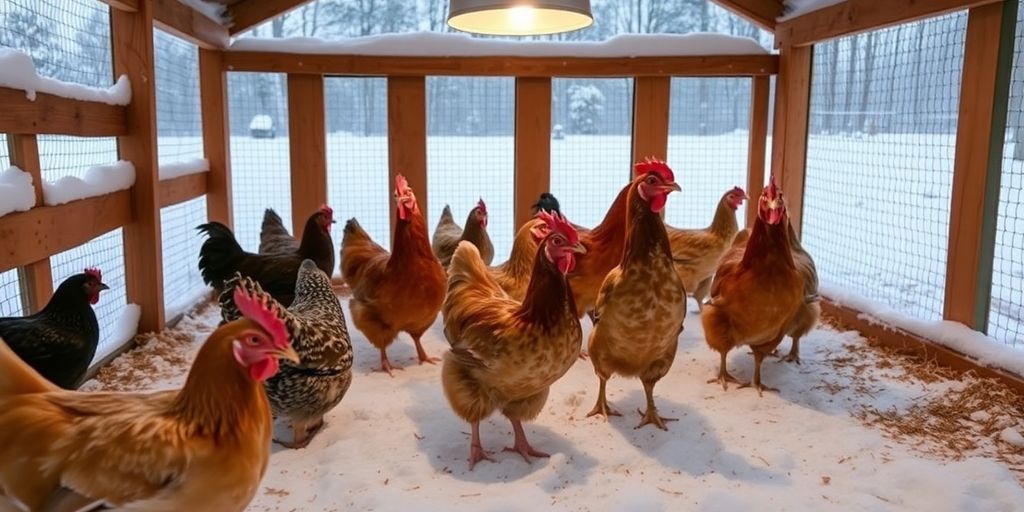
Regular Health Checks
Okay, so winter can be tough on your chickens. It’s not just about keeping them warm; you’ve got to be a bit of a chicken doctor too. I usually do a quick check on each of my birds every few days. Look for anything out of the ordinary – are they moving okay? Are their feathers looking ruffled or dull? Are they eating and drinking like normal? Catching problems early makes a huge difference.
Here’s a quick checklist I use:
- Comb and wattles: Bright red and healthy-looking.
- Feathers: Clean and well-maintained.
- Droppings: Normal consistency and color.
- Behavior: Active and alert.
Maintaining Clean Bedding
Seriously, clean bedding is a game-changer. Think about it: your chickens are spending a lot more time inside during the winter, so their coop can get gross pretty fast. Damp bedding is a breeding ground for bacteria and can lead to all sorts of respiratory problems. I try to clean out the coop at least once a week, replacing the old bedding with fresh, dry stuff. I use straw, but wood shavings work well too. Just make sure whatever you use is absorbent and stays dry-ish.
Preventing Frostbite and Illness
Frostbite is a real concern, especially for those combs and wattles. I slather a bit of petroleum jelly on them during really cold snaps. It creates a barrier that helps protect against the cold. Also, make sure your coop isn’t too drafty, but still has good ventilation. You want to avoid moisture buildup, which can make frostbite even worse. Keep an eye out for signs of illness, like sneezing, coughing, or lethargy. If you see anything concerning, isolate the sick bird and consider talking to a vet. Prevention is key, but sometimes you need to step in and provide some extra care. Proper backyard chicken care is important for their health.
I had one winter where I got lazy about cleaning the coop, and it was a disaster. Several of my hens got sick, and I ended up spending a fortune on vet bills. Lesson learned: a clean coop is a happy coop, and happy chickens are healthy chickens.
Managing Egg Production
Winter can really throw a wrench into your egg production. Shorter days mean less sunlight, which directly impacts how many eggs your hens lay. But don’t worry, there are things you can do to help keep those eggs coming!
Collecting Eggs Regularly
Make it a habit to collect eggs multiple times a day. This is super important in winter because eggs can freeze quickly, especially if it gets really cold. Frozen eggs can crack, which makes them unusable and can even attract unwanted critters to your coop. Plus, bringing them inside promptly keeps them fresher and reduces the risk of breakage. I usually try to collect them first thing in the morning, again around midday, and then one last time in the late afternoon.
Providing Supplemental Light
One of the biggest factors affecting egg production in winter is the lack of daylight. Chickens need about 14 hours of light a day to lay consistently. When the days get shorter, their egg production naturally slows down. That’s where supplemental lighting comes in.
- Use a simple timer to automate the light schedule. I set mine to turn on early in the morning.
- Aim for a consistent 14 hours of light, including daylight hours.
- A regular incandescent or LED bulb works just fine. No need for anything fancy.
Adding light in the morning is better than adding it in the evening. If you add light after sunset, your chickens might not be able to find their roosts when the light goes off, and they could end up sleeping on the cold floor.
Maintaining Nesting Boxes
Clean, cozy nesting boxes are essential for encouraging your hens to lay. In the winter, it’s even more important to keep them in tip-top shape.
- Change the bedding regularly to keep it dry and clean. Damp bedding can freeze and cause frostbite.
- Use plenty of soft bedding like straw or wood shavings to insulate the boxes.
- Make sure the nesting boxes are in a sheltered spot in the coop, away from drafts. You can even add curtains or flaps to the entrance to provide extra protection. Consider using winter egg-laying breeds for better results.
Culling for Flock Health
Okay, so this part isn’t fun, but it’s important. Sometimes, you have to make tough choices for the overall health of your flock. Winter can be especially hard on chickens that are already struggling, and sometimes the kindest thing you can do is to consider culling. It’s not about being cruel; it’s about preventing unnecessary suffering.
Identifying Birds at Risk
Before winter hits, take a good look at your chickens. Are there any that seem weaker than the others? Are they underweight, or showing signs of illness that just won’t go away? Older hens, or those with chronic health issues, might not be able to handle the cold as well as younger, healthier birds. Keep an eye out for these signs:
- Low body weight: Feel their breastbone. If it’s very prominent, they might be underweight.
- Feather loss: Significant feather loss can indicate stress or illness.
- Lethargy: Are they less active than the rest of the flock?
- Breathing problems: Any signs of respiratory distress should be taken seriously.
Making Humane Decisions
This is the hardest part. If you’ve identified a bird that’s unlikely to survive the winter, or whose quality of life is poor, consider culling. It’s important to do this humanely. There are resources available online that explain the proper techniques. The goal is to minimize suffering. It’s never easy, but sometimes it’s the right thing to do. Remember to seek prompt veterinary attention for any sick chickens.
Planning for Future Seasons
After a culling, it’s natural to feel a bit down. Use this as a learning experience. Think about what you can do to prevent similar situations in the future. This might involve:
- Improving your flock’s genetics: Consider buying chicks from breeders who focus on hardiness and disease resistance.
- Adjusting your feeding program: Make sure all your chickens are getting enough nutrition, especially during the colder months.
- Enhancing your coop: Ensure your coop is well-insulated and ventilated to protect your chickens from the elements.
It’s important to remember that culling is a part of responsible flock management. It’s not something to take lightly, but it’s a way to ensure the overall health and well-being of your chickens. By making these tough decisions, you’re creating a better environment for the rest of your flock.
Understanding Frostbite Prevention
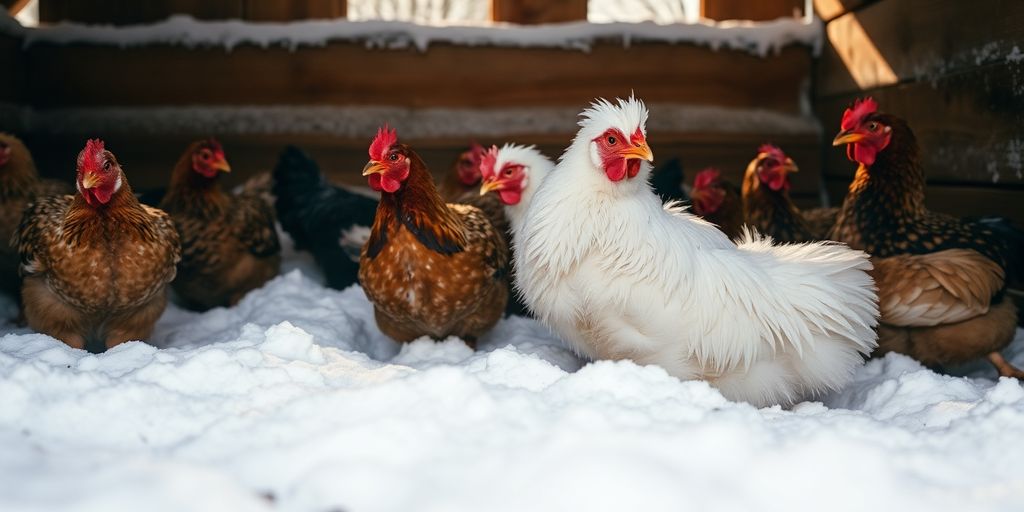
Okay, so frostbite is a real concern when you’re raising chickens in the winter. It’s not something you want to mess around with, because it can seriously hurt your birds. Basically, frostbite happens when their combs, wattles, or feet get too cold and the tissue freezes. Not fun.
Recognizing Symptoms of Frostbite
Catching frostbite early is key. You’ll want to keep a close eye on your chickens, especially their combs and wattles. Look for these signs:
- Pale or grayish skin: This is usually the first sign.
- Swelling: Affected areas might look puffy.
- Blackening: As frostbite progresses, the tissue can turn black.
- Brittle texture: The comb or wattle might feel hard and brittle to the touch.
If you see any of these symptoms, act fast! It’s much easier to deal with frostbite in its early stages.
Applying Protective Measures
Prevention is way better than treatment, so let’s talk about how to keep frostbite at bay. Here’s what I do:
- Keep the coop dry: Moisture is frostbite’s best friend. Make sure your coop is well-ventilated to prevent moisture buildup. Change wet bedding ASAP.
- Apply petroleum jelly: A thin layer of petroleum jelly on combs and wattles can provide a barrier against the cold. Reapply every few days, especially before really cold nights. You can find care tips online.
- Ensure good roosting: Make sure your chickens have access to roosts that keep their feet off the cold ground. This is super important for preventing foot frostbite.
I’ve found that a thick layer of straw on the coop floor helps insulate and absorb moisture. It’s an easy and cheap way to make a big difference.
Consulting a Veterinarian
Sometimes, despite your best efforts, frostbite can still happen. If you suspect your chicken has a severe case of frostbite, don’t hesitate to call a vet. Signs of a severe case include:
- Large areas of blackened tissue
- Signs of infection (swelling, pus, redness)
- Lethargy or loss of appetite
A vet can provide antibiotics if there’s an infection and advise you on the best course of treatment. They might also recommend pain management. Don’t try to treat severe frostbite on your own – it’s always best to get professional help.
Wrapping Up Your Winter Chicken Care
So, there you have it! Keeping chickens healthy during winter isn’t as tough as it sounds. Just remember to keep an eye on them, make sure they have a warm place to stay, and check their food and water regularly. It’s all about being attentive and making a few adjustments to their routine. With a little effort, your flock can thrive even in the cold months. Plus, you’ll get those fresh eggs all winter long! Happy chicken raising!
Frequently Asked Questions
What are the best chicken breeds for winter?
Some good breeds for winter are Plymouth Rock, Wyandotte, Ameraucana, and Orpington. These breeds are heavier and can handle the cold better.
How can I keep my chicken coop warm in winter?
You can insulate the coop, ensure it has good ventilation, and provide plenty of bedding to help keep your chickens warm.
What should I feed my chickens in cold weather?
Chickens need a balanced diet, but you can add more grains for extra energy and fat to help them stay warm.
How often should I check on my chickens during winter?
It’s important to check on your chickens daily to make sure they have food, water, and are healthy.
How can I prevent frostbite in my chickens?
Keep your coop dry and well-ventilated. You can also apply petroleum jelly on their combs and wattles to protect them from frostbite.
What should I do if my chickens stop laying eggs in winter?
Chickens may lay fewer eggs in winter due to shorter days. You can provide supplemental light to encourage them to lay more eggs.