“This post contains affiliate links. As an Amazon Associate, I earn from qualifying purchases”
If you’re thinking about raising chicken meat birds, you’ve come to the right place. This guide is designed for beginners who want to learn how to raise chicken meat birds from start to finish. Whether you’re looking to produce your own meat or just want to enjoy the experience of raising chickens, this article will provide you with all the essential information you need. Let’s get started!
Key Takeaways
- Understand the basics of chicken meat birds and their benefits.
- Choose the right breed based on your needs and space.
- Set up a comfortable coop with necessary features for your birds.
- Feed your meat birds a balanced diet and follow a feeding schedule.
- Learn about health care and butchering your birds responsibly.
Understanding Chicken Meat Birds
What Are Chicken Meat Birds?
Chicken meat birds, unlike laying hens, are specifically bred and raised for meat production. Their growth rate is significantly faster, and they reach market weight much quicker. This focus on rapid growth and meat yield distinguishes them from breeds primarily raised for egg laying. They’re basically the athletes of the chicken world, built for a short burst of intense growth.
Benefits of Raising Meat Birds
Raising your own meat birds can be pretty rewarding. Here’s a few reasons why people do it:
- Knowing exactly what your birds are eating. You control the feed, so you know there aren’t any weird additives or unnecessary stuff.
- Potentially saving money. Depending on feed costs and how efficiently you raise them, you might end up spending less than buying chicken at the store. It’s not always a guarantee, but it’s possible.
- Having a more sustainable food source. Raising your own meat birds can reduce your reliance on the commercial food system.
Raising meat birds offers a unique opportunity to connect with your food source. It’s a hands-on experience that can be both educational and satisfying, providing a deeper understanding of where your food comes from and the effort involved in producing it.
Common Breeds for Meat Production
When it comes to meat production, some breeds are just better suited than others. Here are a few popular choices:
- Cornish Cross: These are the rockstars of the meat bird world. They grow super fast and have a high meat yield. However, they also have some health considerations due to their rapid growth.
- Freedom Rangers: A slower-growing option compared to Cornish Cross, but they’re known for being more active and foraging better. They take a bit longer to reach market weight, but some people prefer their flavor.
- Red Broilers: Another good option, known for their hardiness and decent growth rate. They’re a good middle-ground choice if you want something that grows reasonably fast but isn’t as prone to health issues as Cornish Cross.
Understanding the different poultry cuts is important when you’re processing your own birds. It helps you maximize the yield and use each part effectively.
Choosing the Right Breed
Okay, so you’re ready to raise some meat birds! Awesome. But before you rush out and buy the first chicks you see, let’s talk about picking the right breed. It’s not as simple as just grabbing any old chicken. Different breeds grow at different rates, have different feed conversion ratios, and, honestly, some just taste better than others. Let’s get into it.
Factors to Consider When Selecting Breeds
Alright, so what should you be thinking about when you’re choosing a breed? A few things really stand out:
- Growth Rate: How quickly do you want these birds to reach processing weight? Some breeds are ready in 8 weeks, others take longer. This impacts how much you’ll spend on feed and how long you’ll be caring for them. Think about your timeline.
- Feed Conversion Ratio: This is basically how much feed it takes to produce a pound of meat. A better ratio means less feed cost. Nobody wants to throw money away on feed, right?
- Climate: Some breeds handle heat better than cold, and vice versa. If you live in a place with crazy hot summers, you’ll want a breed that can tolerate that. Similarly, if you’re in a colder climate, cold-hardy breeds are the way to go.
- Disease Resistance: Some breeds are just naturally hardier and less prone to common chicken illnesses. This can save you a lot of headaches (and vet bills) down the road.
- Your Personal Preferences: Do you want a bigger bird? A smaller bird? Are you concerned about the color of the meat? These are all things to consider. If you want to raise chickens that bring you joy, then do it!
Popular Breeds for Beginners
For folks just starting out, some breeds are generally easier to manage and give good results. Here are a few popular choices:
- Cornish Cross: This is the most common meat bird breed. They grow super fast and have a great feed conversion ratio. The downside? They can have health problems due to their rapid growth, so you need to keep a close eye on them. They typically reach processing weight in 6-9 weeks.
- Freedom Rangers: These guys grow a bit slower than Cornish Cross, but they’re generally healthier and more active. They’re also better foragers, which can help reduce your feed costs a bit. Expect them to be ready in 9-11 weeks.
- Red Broilers: Another good option for beginners. They grow at a decent rate and are known for their good flavor. They’re also pretty hardy and can tolerate a wider range of climates. They are ready in about 9-12 weeks.
Breeds Best Suited for Meat Production
If you’re serious about meat production and want to maximize your output, here are some breeds that are known for their meatiness:
- Cornish: These are the parent breed of the Cornish Cross. They’re not as fast-growing as their hybrid offspring, but they still produce a good amount of meat. They are often used for breeding programs.
- White Plymouth Rock: A dual-purpose breed that’s also good for meat production. They’re not as efficient as Cornish Cross, but they’re hardier and can also lay a decent number of eggs. They are ready in about 16-20 weeks.
- Buckeye: This is a heritage breed that’s known for its flavorful meat. They grow slower than the commercial breeds, but they’re very hardy and can handle cold weather well. They are ready in about 16-20 weeks.
Choosing the right breed is a big decision, so do your research and pick the one that best fits your needs and goals. Don’t be afraid to try different breeds to see what works best for you. Remember, there’s no one-size-fits-all answer. Good luck!
Setting Up Your Chicken Coop
Designing a Comfortable Coop
Okay, so you’re getting ready to raise meat birds. Awesome! First things first, let’s talk about their living space. Think of it as building a tiny house, but for chickens. You want it to be comfy, safe, and functional. A good coop design considers the birds’ needs for shelter, space, and protection from predators.
- Ventilation is key. Chickens produce a lot of moisture, and a stuffy coop can lead to respiratory problems. Make sure there are vents near the roof to allow for airflow.
- Easy to clean. Trust me, you’ll be cleaning this thing regularly. A coop that’s easy to access and has a smooth floor will save you a ton of time and effort.
- Consider the climate. If you live in a cold area, you’ll want to insulate the coop. If you’re in a hot area, focus on ventilation and shade.
Essential Features of a Chicken Coop
Alright, let’s break down the must-have features for your meat bird’s coop. We’re talking about the non-negotiables here.
- Roosting bars: Even though meat birds aren’t laying hens, they still like to roost. Provide sturdy roosting bars at different heights.
- Secure walls and roof: This is your first line of defense against predators. Use strong materials like hardware cloth or solid wood.
- Easy access door: You need to be able to get in and out easily for cleaning and maintenance.
- Feeder and waterer: Choose feeders and waterers that are easy to fill and clean, and that minimize spillage. Make sure you’re well aware of food options for your flock.
Think about the long-term use of the coop. Can it be easily expanded if you decide to raise more birds in the future? Is it durable enough to withstand the elements for years to come? Planning ahead will save you headaches down the road.
Space Requirements for Meat Birds
Space is super important. You don’t want your birds to be cramped and stressed. Crowded conditions can lead to health problems and decreased growth rates. Here’s a general guideline:
- Minimum of 4 square feet per bird inside the coop.
- At least 8 square feet per bird in an outdoor run.
- More space is always better!
If you’re using a chicken tractor, make sure it’s moved regularly to provide fresh grazing. Remember, these are just guidelines. Observe your birds and adjust the space accordingly. A happy chicken is a healthy chicken!
Feeding Your Meat Birds
Nutritional Needs of Meat Birds
Okay, so you’ve got your chicks, and now you’re probably wondering what to actually feed these little guys. It’s not just about tossing some random seeds their way. Meat birds have specific nutritional needs, especially since they grow so quickly. Protein is the name of the game here. They need it to build muscle and develop properly. Think of it like this: you wouldn’t feed a bodybuilder only lettuce, right? Same concept.
- High protein content is key for rapid growth.
- Vitamins and minerals are important for overall health.
- Proper nutrition impacts meat quality and yield.
Types of Feed Available
There are a few different types of feed you’ll encounter. Starter feed is what you give them when they’re tiny, usually up to around six weeks. Then you switch to a grower feed, which has a slightly lower protein content. Finally, there’s a finisher feed, which you use in the last couple of weeks before butchering. You can find Dr Jim Z Chick Starter feed at most farm supply stores. It’s a crumble diet with approximately 18% protein, from hatching until six weeks of age.
Here’s a quick rundown:
| Feed Type | Protein Content (Approx.) | When to Use |
|---|---|---|
| Starter | 20-24% | First 6 weeks |
| Grower | 18-20% | 6 weeks until a few weeks before butchering |
| Finisher | 16-18% | Last few weeks before butchering |
Feeding Schedule and Practices
Consistency is important. You want to make sure your birds always have access to food and water. A good rule of thumb is to fill their feeders every morning and evening. Watch their behavior, too. If they’re constantly pecking at the ground even when the feeders are full, they might not be getting enough. Also, keep the feeders clean to prevent the spread of disease. Nobody wants sick chickens.
- Provide feed and water at all times.
- Monitor feed consumption and adjust as needed.
- Clean feeders and waterers regularly.
Don’t overthink it too much. Observe your birds, adjust their feed as needed, and you’ll be fine. Remember, healthy birds mean better meat, and that’s the whole point, right?
Health and Care for Your Flock
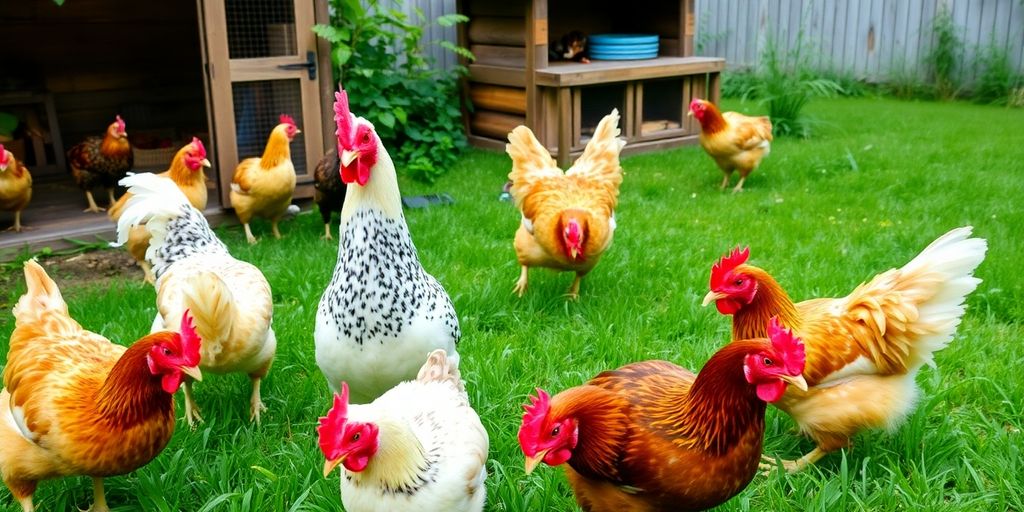
Raising meat birds isn’t just about feeding them; it’s also about keeping them healthy and happy. A healthy flock grows faster and produces better meat. It’s a bit like taking care of any other animal – you need to watch for problems and act fast.
Common Health Issues in Meat Birds
Meat birds, especially the fast-growing breeds, can be prone to certain health problems. One common issue is leg problems, like leg weakness, because their bodies grow so quickly that their legs can’t always keep up. Ascites, or water belly, is another concern, where fluid builds up in the abdomen. Heart problems can also occur due to the rapid growth rate. Keep an eye out for these signs:
- Lethargy or reduced activity.
- Difficulty walking or standing.
- Changes in appetite or water consumption.
- Respiratory issues like coughing or sneezing.
If you notice any of these symptoms, it’s important to act quickly. Isolate the affected bird from the rest of the flock to prevent the spread of disease, and consult with a vet or experienced poultry farmer for advice. Early intervention can make a big difference in the outcome.
Preventative Care and Vaccinations
Preventing health problems is always better than treating them. Good management practices are key. Here’s what I do:
- Maintain a clean coop: Regularly clean and disinfect the coop to reduce the risk of disease. Remove manure and wet bedding promptly.
- Provide adequate space: Overcrowding can lead to stress and increased disease transmission. Make sure your birds have enough room to move around freely.
- Offer a balanced diet: Feed your birds a high-quality feed that meets their nutritional needs. Avoid overfeeding, which can contribute to leg problems and other health issues.
- Consider vaccinations: Depending on your location and the prevalence of certain diseases, vaccinations may be recommended. Talk to your vet about the best vaccination schedule for your flock.
Signs of a Healthy Chicken
Knowing what a healthy chicken looks like can help you spot problems early. Here are some signs of a healthy bird:
- Active and alert: Healthy chickens are usually active and curious, exploring their surroundings and interacting with other birds.
- Bright eyes and clean feathers: Their eyes should be bright and clear, and their feathers should be clean and well-maintained.
- Good appetite and digestion: Healthy chickens eat regularly and have normal droppings. Watch out for signs of diarrhea or other digestive issues.
- Normal gait: They should walk and move around without difficulty. Limping or reluctance to move can be a sign of a problem.
By paying close attention to your flock and providing good care, you can help ensure that your meat birds stay healthy and productive. Regular observation and prompt action are key to preventing and managing health issues. Raising healthy meat birds is rewarding!
Butchering and Processing
Okay, so you’ve raised your meat birds, and they’re ready. Now comes the part that some people find tough: butchering and processing. It’s not exactly fun, but it’s a necessary step to get that delicious, homegrown chicken on your table. Don’t worry, it gets easier with practice.
When to Butcher Your Birds
Timing is pretty important. You want to butcher your birds when they’ve reached a good size but before they get too old and tough. For most breeds, this is around 8-12 weeks. Keep an eye on their weight and overall condition. A good indicator is when they start to slow down their growth rate. You’ll also notice they start eating a lot more feed without gaining as much weight. That’s a sign they’re ready. Also, consider the breed; some breeds mature faster than others. If you’re raising Cornish crosses, they’ll be ready much sooner than, say, a slower-growing heritage breed.
Methods of Butchering
There are a few different ways to butcher a chicken, and everyone has their preference. Here are a few common methods:
- Cone Method: This involves placing the chicken upside down in a cone to restrain it, then quickly severing the jugular vein. It’s considered a humane and efficient method.
- Axe Method: This is the old-fashioned way, using an axe or hatchet to quickly sever the head. It requires a steady hand and a good chopping block.
- Killing Pliers: These pliers are designed to crush the skull quickly and humanely. Some people find this method easier and less messy than the axe method.
No matter which method you choose, make sure you do it quickly and humanely. The goal is to minimize the bird’s suffering. After the bird is bled out, you’ll need to scald it in hot water (around 145-150°F) for a minute or two to loosen the feathers. Then, you can start plucking.
Processing and Storing Chicken Meat
Once the chicken is plucked, it’s time to eviscerate it. This involves removing the internal organs. Be careful not to puncture the intestines, as this can contaminate the meat. After eviscerating, rinse the chicken thoroughly with cold water. Now you have a few options for storing the meat:
- Refrigerating: You can store the chicken in the refrigerator for up to 2-3 days. Make sure it’s properly wrapped to prevent it from drying out.
- Freezing: For longer storage, freezing is the way to go. Wrap the chicken tightly in freezer paper or place it in a freezer bag. Properly frozen chicken can last for up to a year.
- Canning: Canning is another option for long-term storage, but it requires a pressure canner and some knowledge of canning techniques. It’s a great way to preserve chicken if you have a lot of it.
Butchering your own chickens can feel daunting at first, but it’s a skill that can save you money and give you more control over the quality of your food. Don’t be afraid to ask for help from someone who has experience, and remember to always prioritize humane treatment of the animals.
Don’t forget to check out some chicken feed options to ensure your birds are healthy and ready for processing.
Legal Considerations for Raising Chickens
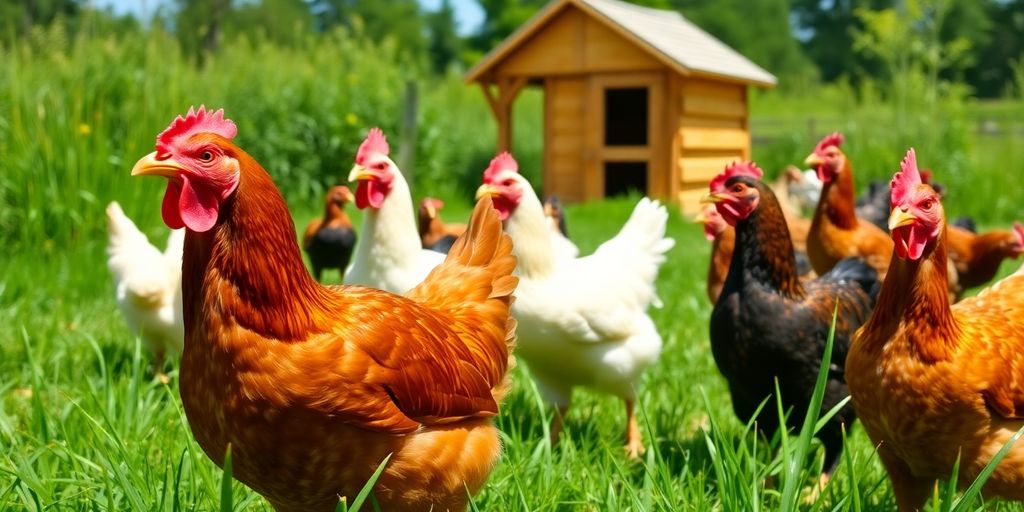
It’s easy to get caught up in the excitement of raising your own meat birds, but before you bring those chicks home, it’s important to check your local regulations. Ignoring these rules can lead to fines or even having to give up your flock.
Understanding Local Regulations
Every city, county, and even homeowner’s association can have different rules about keeping chickens. These regulations can cover a wide range of topics, from the number of chickens you’re allowed to keep to how far your coop needs to be from property lines. It’s your responsibility to know and follow these rules.
- Check with your city hall or county clerk’s office for specific ordinances.
- Look into any neighborhood or homeowner’s association rules that might apply.
- Be aware that regulations can change, so it’s a good idea to check periodically.
Permits and Licenses
Some areas require permits or licenses to keep chickens, even if it’s just a small backyard flock. The process for obtaining these can vary, and there might be fees involved. In Florida, many areas require permits for keeping chickens, and some counties mandate completing a backyard chicken-keeping course. The specific requirements and types of permits can vary by location.
- Contact your local government to find out if permits or licenses are needed.
- Be prepared to provide information about your coop, flock size, and waste management plans.
- Understand the renewal process and any ongoing requirements for maintaining your permit.
Zoning Laws for Chicken Keeping
Zoning laws dictate what types of activities are allowed in different areas. Some zones might prohibit livestock, including chickens, while others might allow them with certain restrictions. Make sure your property is properly zoned for chicken keeping before you start building your coop.
- Consult your local zoning map to determine your property’s zoning designation.
- Understand any restrictions related to animal keeping in your zone.
- If you’re unsure, contact your local planning or zoning department for clarification.
It’s always better to be safe than sorry when it comes to legal matters. Taking the time to research and comply with local regulations can save you a lot of headaches down the road. Plus, being a responsible chicken owner helps ensure that everyone in your community can enjoy the benefits of backyard farming without any conflicts.
Wrapping It Up
So, there you have it! Raising chickens for meat isn’t just a fun hobby; it can be a rewarding experience. You’ve learned about choosing the right breed, setting up a coop, and keeping your birds healthy. Sure, it might seem a bit overwhelming at first, but take it one step at a time. Remember, every chicken farmer started where you are now. Don’t hesitate to ask questions and seek advice from others in the community. With a little patience and care, you’ll be well on your way to enjoying fresh chicken right from your backyard. Happy farming!
Frequently Asked Questions
What are chicken meat birds?
Chicken meat birds, also known as broilers, are chickens raised specifically for their meat. They grow quickly and are bred to provide a lot of meat.
Can I keep chickens where I live?
Before getting chickens, check your local laws. Some places have rules about keeping chickens, including how many you can have.
What space do I need for my chickens?
Chickens need enough space to move around comfortably. A good rule is to have at least 2 to 4 square feet per bird inside the coop and 8 to 10 square feet in the outdoor run.
Which chicken breeds should I start with?
For beginners, popular breeds include Cornish Cross and Red Ranger. These breeds grow fast and are easy to care for.
Should I start with chicks or eggs?
Starting with day-old chicks is usually easier for beginners. They are ready to grow, while hatching eggs require more care and equipment.
How do I feed my chickens?
Chickens need a balanced diet that includes grains, protein, and vitamins. You can buy specially formulated feed that meets their nutritional needs.