“This post contains affiliate links. As an Amazon Associate, I earn from qualifying purchases”
Raising chicken layers for maximum egg production can seem tricky at first, but with the right knowledge, you can have a thriving flock. From choosing the best breeds to ensuring they have a comfortable living space, there are several key factors to consider. This guide covers everything you need to know about how to raise chicken layers effectively, so you can enjoy a steady supply of fresh eggs.
Key Takeaways
- Select breeds known for high egg production, like Leghorns or Production Reds.
- Feed your layers a quality diet and ensure they have access to clean water.
- Keep nesting boxes clean and comfortable to encourage laying.
- Manage light exposure to maintain consistent laying cycles, especially in winter.
- Monitor your chickens’ health regularly to prevent issues that could affect egg production.
Breeds and Genetics for Optimal Egg Production
Choosing High-Yield Breeds
So, you want lots of eggs? It all starts with the right chicken. Certain breeds are just genetically predisposed to lay more eggs than others. Think of it like this: some people are naturally good at running, and some chickens are naturally good at laying eggs. It’s in their genes!
- Leghorns are egg-laying machines. They are known for their high production of white eggs.
- Rhode Island Reds are another solid choice, known for their brown eggs and consistent laying.
- Sex-linked hybrids, like Black Sex Links or Red Sex Links, are bred specifically for high egg production. These are often a good bet if you want a reliable layer right off the bat. If you’re looking for younger-aged producers, consider Red or Black Sex Link.
Understanding Breed Characteristics
It’s not just about how many eggs a chicken lays, but also the size, color, and even the chicken’s personality. Some breeds are docile and friendly, making them great for families, while others are more independent and flighty. Consider what’s important to you in a flock. Do you want chickens that are easy to handle? Or are you more focused on maximizing egg output, no matter what? Also, think about egg color. Some people buying eggs from small flocks prefer brown-shelled eggs.
Here’s a quick rundown of some popular breeds and their characteristics:
| Breed | Egg Production (per year) | Egg Color | Personality |
|---|---|---|---|
| Leghorn | 250+ | White | Active, Skittish |
| Rhode Island Red | 200-250 | Brown | Docile |
| Black Australorp | 200-250 | Light Brown | Gentle, Curious |
| Speckled Sussex | 200-250 | Light Brown | Curious, Calm |
Dual-Purpose vs. Layer Breeds
This is a big one. Do you want chickens just for eggs, or do you want chickens that can also be used for meat? Layer breeds are specifically bred for high egg production. They tend to be smaller and don’t put on as much meat. Dual-purpose breeds, on the other hand, lay a decent number of eggs and can also be raised for meat. They’re a good option if you want a more versatile flock. Plymouth Rocks and Rhode Island Reds are examples of dual-purpose breeds that lay eggs with light brown shells. If you’re in a cold climate, Australorp, Plymouth Rock, and Orpington are ideal.
Choosing between dual-purpose and layer breeds really depends on your goals. If you’re all about maximizing egg production, go with layer breeds. But if you want a more self-sufficient setup, dual-purpose breeds might be a better fit. Think about what you want from your flock and choose accordingly.
Feeding Your Chicken Layers Effectively
Alright, let’s talk about food! What you feed your chickens directly impacts how many eggs you get. It’s not rocket science, but it does require some attention to detail. Think of it like this: you wouldn’t expect a car to run well on bad fuel, right? Same goes for your hens.
Importance of Quality Feed
A high-quality layer feed is the cornerstone of good egg production. Don’t skimp on this! Look for feeds specifically formulated for laying hens. These feeds are designed to provide the right balance of protein, carbohydrates, and essential nutrients. I usually go for the pellet form because it reduces waste – those chickens can be messy eaters!
- Check the label for the protein content; it should be around 16-18%. Key amino acids are also important.
- Make sure the feed is fresh and hasn’t expired. Stale feed loses its nutritional value.
- Consider organic or non-GMO options if that’s important to you.
Supplementing with Treats
Treats are great for bonding with your chickens and keeping them entertained, but don’t overdo it. Too many treats can throw off the balance of their diet and reduce egg production. Think of treats as a small bonus, not the main course. I like to give my girls some kitchen scraps, like vegetable peels or leftover greens. They also love mealworms – it’s like chicken candy!
- Offer treats in moderation – no more than 10% of their daily intake.
- Avoid giving them sugary or processed foods.
- Consider offering grit to help them digest their food properly. You can buy chick grit at most feed stores.
Ensuring Adequate Calcium Intake
Calcium is absolutely crucial for strong eggshells. Laying hens need a lot of it! While layer feed contains calcium, some hens may need extra, especially as they get older. I always provide a separate dish of oyster shells for my chickens to peck at as needed. It’s a simple and effective way to ensure they’re getting enough calcium.
- Provide a constant source of calcium, such as oyster shells.
- Monitor eggshell quality – thin or weak shells can indicate a calcium deficiency.
- Consider adding a calcium supplement to their water if needed.
It’s important to provide enough feeder space so all chickens can eat comfortably. Overcrowding at the feeder can lead to some hens not getting enough food, which will negatively impact egg production. Make sure everyone has a spot at the table!
Creating a Comfortable Laying Environment
It’s no secret that happy chickens lay more eggs. And a big part of keeping your chickens happy is making sure they have a comfortable and safe place to live. Think of it as their home – you want it to be a place they enjoy spending time in. A well-designed coop and run can make all the difference in your flock’s egg production.
Designing the Perfect Coop
When it comes to coops, size matters. You need to make sure you have enough space for all your chickens to move around comfortably. Overcrowding can lead to stress, which can then lead to decreased egg production and even health problems. A good rule of thumb is to provide at least 4 square feet of coop space per chicken. More is always better! Also, consider these points:
- Ventilation: Good airflow is key to preventing moisture buildup and respiratory issues.
- Protection: The coop needs to be secure from predators like foxes, raccoons, and hawks.
- Accessibility: Make sure you can easily access the coop for cleaning and egg collection.
Maintaining Clean Nesting Boxes
Nesting boxes are where the magic happens. Chickens prefer a clean, dark, and quiet place to lay their eggs. Here’s how to keep those nesting boxes in tip-top shape:
- Use soft bedding: Straw, wood shavings, or even recycled newspaper pellets work well.
- Clean regularly: Remove soiled bedding and replace it with fresh material at least once a week. This helps prevent bacteria buildup.
- Provide enough boxes: A good rule is one nesting box for every 3-4 hens. Though, they might all fight over the same one!
Providing Adequate Space for Roosting
Chickens naturally want to roost at night. Roosting bars provide a comfortable and safe place for them to sleep, keeping them off the ground and away from potential drafts. Here are some things to keep in mind:
- Provide enough space: Each chicken needs about 8-10 inches of roosting space. If light requirements are met, they’ll be happy.
- Use the right material: Wood is a good choice for roosting bars. Avoid metal, as it can get too cold in the winter.
- Place them high enough: Roosting bars should be at least 2-3 feet off the ground. This gives the chickens a sense of security.
Creating a comfortable laying environment is an investment in your flock’s well-being and your egg production. By providing a safe, clean, and spacious coop, you’ll be well on your way to collecting plenty of fresh eggs every day. Don’t underestimate the importance of a happy hen!
Managing Light Exposure for Consistent Laying
Understanding Light Requirements
Chickens are super sensitive to light when it comes to laying eggs. They need a good amount of light each day to keep those eggs coming. Think of it like this: light tells their bodies it’s time to produce. Usually, about 14-16 hours of light is the sweet spot. Without enough light, egg production can drop off, especially during the shorter days of fall and winter. It’s all about tricking their bodies into thinking it’s springtime all year round!
Using Supplemental Lighting
When natural daylight isn’t cutting it, supplemental lighting is your best friend. I use a simple timer with a regular 60-watt bulb in my coop. It kicks on in the early morning hours before sunrise and then again in the evening after sunset. This makes sure my hens get the light they need, even when the days are short. You don’t need anything fancy, just consistent light. Here’s a quick guide:
- Type of Bulb: Incandescent or LED (warm light is best)
- Wattage: 60-watt is usually enough for a small coop
- Timer: A simple on/off timer works great
- Placement: Position the light so it evenly illuminates the coop
Adjusting Light for Seasonal Changes
Adjusting the light is key as the seasons change. In the spring and summer, you might not need any extra light at all. But as fall rolls around, start gradually increasing the supplemental light to maintain that 14-16 hour window. Keep an eye on your hens’ egg production. If you notice a dip, it might be time to bump up the light a bit. It’s all about finding the right balance to keep those eggs coming consistently. Remember, proper nutrition is also important.
I’ve found that keeping a log of egg production alongside the hours of light helps me stay on top of things. It’s a simple way to spot any trends and make adjustments before egg production drops significantly. It’s like having a little cheat sheet for keeping my hens happy and laying!
Monitoring Health and Well-Being of Layers
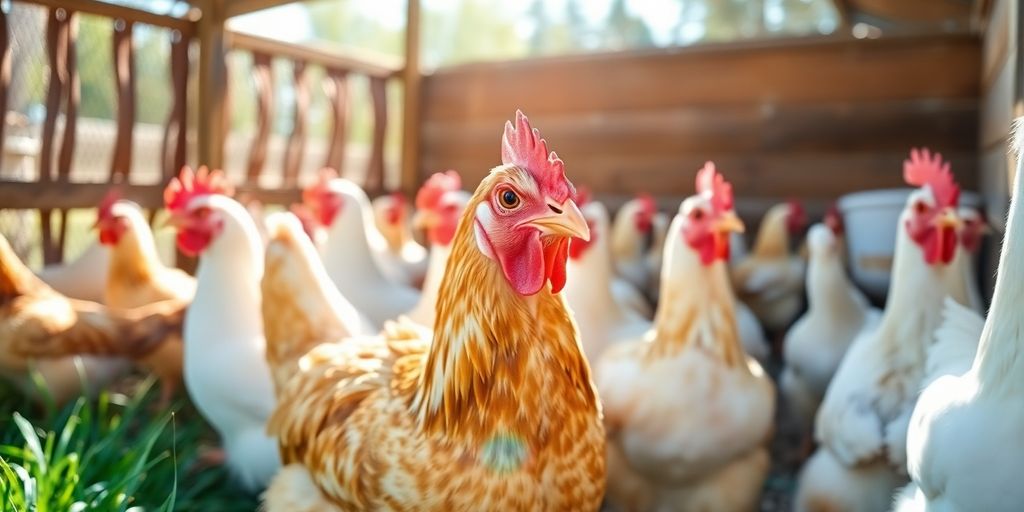
Keeping a close eye on your laying hens is super important for their health and, of course, for getting those eggs! It’s not just about feeding them; it’s about making sure they’re happy and healthy chickens. I’ve learned that a little observation goes a long way.
Recognizing Signs of Stress
Spotting stress early can prevent bigger problems down the road. Here’s what I look for:
- Changes in behavior: If a hen that’s usually active suddenly becomes withdrawn, that’s a red flag.
- Feather picking: This can be a sign of boredom, overcrowding, or nutritional deficiencies. Make sure they have enough space for roosting.
- Decreased egg production: A sudden drop in eggs could mean something’s off.
- Changes in droppings: Runny or unusual droppings can indicate illness.
Preventing Common Health Issues
Prevention is way easier than dealing with sick chickens. Here are some things I do:
- Maintain a clean coop: Regular cleaning helps prevent the spread of disease. I try to clean mine weekly.
- Provide quality feed: Good nutrition is key to a strong immune system. I always make sure they have access to quality layer feed.
- Control parasites: Mites and lice can really stress out chickens. I use diatomaceous earth in the coop and dust the chickens occasionally.
- Ensure adequate space: Overcrowding leads to stress and disease. Make sure your coop and run are big enough for your flock.
Regular Health Check-Ups
I try to do a quick check of each hen every week. It only takes a few minutes, and it can catch problems early. Here’s what I look for:
- Check their combs and wattles: They should be bright red and healthy-looking. Pale combs can indicate anemia or illness.
- Examine their feathers: Look for signs of feather loss, parasites, or injury.
- Feel their crop: The crop should be full in the evening and empty in the morning. A impacted crop can be a serious problem.
- Observe their gait: Watch how they walk. Limping or difficulty moving can indicate injury or illness.
Keeping chickens healthy isn’t rocket science, but it does require attention and care. By being proactive and observant, you can keep your flock happy and productive. Remember, a healthy hen is a happy hen, and a happy hen lays more eggs!
Understanding Egg Production Cycles
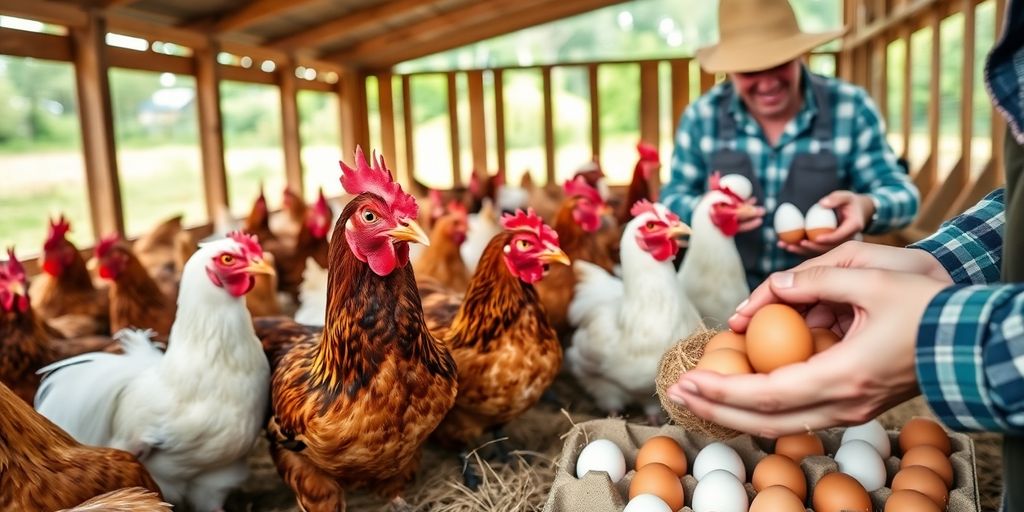
When Chickens Start Laying
Okay, so you’ve got your chicks, they’re growing fast, and you’re probably wondering, “When do I get some eggs?!” Generally, most hens will start laying around 18-32 weeks old. It really depends on the breed, the time of year they hatched, and their overall health. Some breeds are just naturally faster at getting the egg-laying show on the road.
- Early maturing breeds like Red Sex Links might start closer to 18 weeks.
- Other breeds might take their sweet time and not start until closer to 30 weeks.
- If you got your chicks late in the season (like after May), they might not start laying until the following spring. It’s all about daylight hours!
Factors Affecting Laying Frequency
So, your hens are laying, great! But why are some days better than others? Lots of things can affect how often a hen lays. It’s not always consistent, and that’s normal. Here’s the deal:
- Breed: Some breeds are just egg-laying machines, while others are more relaxed about it. Best egg laying chicken breeds will naturally lay more eggs.
- Age: Young hens lay more consistently than older hens. Peak production is usually in their first couple of years.
- Nutrition: If they’re not getting enough of the right nutrients, they won’t lay as well. Quality feed is key!
- Stress: Stress can shut down egg production faster than you can say “chicken coop.” Predators, changes in the flock, or even just a noisy environment can stress them out.
- Light: Hens need at least 12-14 hours of light a day to lay consistently. Shorter days mean fewer eggs.
Managing Molting Periods
Molting is when chickens lose their old feathers and grow new ones. It usually happens in the fall, and it’s a natural part of their life cycle. But, it also means a break from egg laying. During molting, hens put all their energy into growing new feathers, so egg production takes a back seat. It can last anywhere from a few weeks to a couple of months. Here’s what you need to know:
- Molting usually happens once a year, typically in the fall.
- Egg production will decrease or stop altogether during the molt.
- Provide extra protein during the molt to help them grow new feathers. Think sunflower seeds or mealworms.
- Avoid stressing them out during this time. They’re already dealing with a lot!
Molting is a tough time for your chickens, so be patient and supportive. It’s a sign they’re healthy and preparing for another year of laying. Just think of it as their annual vacation from egg-laying duties.
Purchasing and Introducing New Layers
Adding new chickens to your existing flock can be exciting, but it’s important to do it right to avoid stress and potential problems. It’s not as simple as just tossing them in the coop! A little planning goes a long way in ensuring a smooth transition for everyone.
Finding Reputable Sources
Where you get your chickens matters a lot. Look for breeders or hatcheries with a good reputation for healthy birds. This can save you a lot of trouble down the road. Consider these options:
- Local Breeders: Often, you can find small-scale breeders in your area. This allows you to see the conditions the chickens are raised in and ask questions directly.
- Reputable Hatcheries: Some hatcheries specialize in specific breeds known for egg production. Do your research and read reviews before ordering.
- Farm Supply Stores: Many farm stores sell chicks or pullets (young hens) in the spring. Check their sources and health guarantees.
It’s always a good idea to ask about vaccination records and any health issues the chickens may have had. A reputable source will be transparent and willing to answer your questions. Don’t be afraid to ask for references or visit their facilities if possible.
Acclimating New Chickens to the Flock
Introducing new chickens to an established flock requires patience. Chickens have a social hierarchy (the pecking order), and introducing new members can disrupt this. Here’s a step-by-step approach:
- Separate Introduction: Keep the new chickens in a separate, secure area within sight of the existing flock for at least a week. This allows them to get used to each other’s presence without direct contact. Some owners find that raising multiple egg-laying birds of the same breed can also enhance the experience.
- Supervised Visits: After a week, allow the chickens to mingle for short periods under your supervision. Watch for excessive aggression. If things get too rough, separate them again and try again later.
- Full Integration: Once the chickens seem to be tolerating each other, you can integrate them fully into the coop. Make sure there’s plenty of space and multiple food and water sources to reduce competition.
Quarantine Procedures for New Arrivals
Quarantine is a must! Before introducing any new chicken to your flock, isolate it for at least 30 days. This helps prevent the spread of diseases or parasites. Here’s what to do:
- Separate Housing: Keep the new chicken in a completely separate coop or pen, away from your existing flock. This area should have its own food, water, and equipment.
- Monitor for Symptoms: Watch closely for any signs of illness, such as sneezing, coughing, diarrhea, or lethargy. If you notice anything unusual, consult a veterinarian.
- Practice Biosecurity: Always tend to your existing flock before going near the quarantined chicken. Wash your hands and change your clothes afterward to avoid cross-contamination. You can also give them quality layer feed to help them adjust to their new environment.
Final Thoughts on Raising Egg-Laying Chickens
So, there you have it! Raising chickens for eggs can be a fun and rewarding experience if you keep a few things in mind. Make sure they have a good diet, a clean and cozy place to lay, and enough space to roam. It’s all about creating a happy environment for your hens. Remember, patience is key. It might take some time to see those eggs rolling in, but with the right care, you’ll be enjoying fresh eggs before you know it. Happy chicken keeping!
Frequently Asked Questions
What are the best chicken breeds for egg production?
Some of the best breeds for laying eggs include the White Leghorn, Rhode Island Red, and Production Red. These breeds are known for producing a lot of eggs.
How much light do chickens need to lay eggs?
Chickens need about 12 to 14 hours of light each day to keep laying eggs. If they don’t get enough light, they might stop laying.
What should I feed my chickens to maximize egg production?
You should provide high-quality layer feed that has all the nutrients they need. Adding some healthy treats like fruits and vegetables can also help.
How often do chickens lay eggs?
Most hens lay about one egg per day, but this can vary based on their age, breed, and the time of year.
What can I do if my chickens are not laying eggs?
If your chickens aren’t laying, check their diet, make sure they have enough light, and look for signs of stress or illness.
How do I introduce new chickens to my flock?
When bringing new chickens home, keep them separate for a few weeks to make sure they are healthy. Then, slowly introduce them to the rest of your flock.