“This post contains affiliate links. As an Amazon Associate, I earn from qualifying purchases”
Thinking about raising chickens at home? You’re in for a fun and rewarding experience! Not only will you get fresh eggs, but you’ll also enjoy the antics of these feathered friends. This guide will help you learn how to raise chickens at home, covering everything from setting up your space to caring for your flock. Let’s get started!
Key Takeaways
- Check local laws before getting chickens to avoid any issues.
- Choose the right chicken breeds based on your needs and climate.
- Provide a clean and safe environment for your chickens to thrive.
- Understand the basics of egg production and how to manage it.
- Be prepared to handle common challenges like health issues and pecking order.
Preparing Your Home for Chickens
Understanding Local Regulations
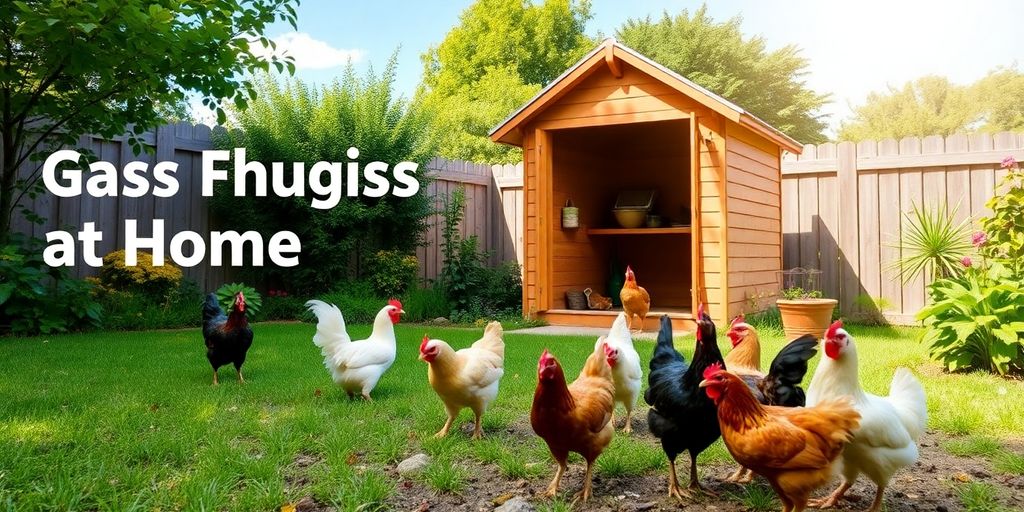
Before you buy chicks or build a coop, figure out what your town and your neighbors will let you do.
- Local zoning codes—some areas ban backyard hens outright.
- Limits on how many hens you can keep.
- Rules about roosters (spoiler: most places say no).
- Homeowner association requirements and fines.
Always check your town rules before you build or buy a coop.
Getting a notice to remove your flock after you’ve already sunk money into a coop is a total headache.
Setting Up a Brooder
A brooder is just a safe, warm spot for your new chicks until they can handle the outdoors. You can rig one up in a tote or a box—whatever works.
- Sturdy container with tall sides to keep chicks from escaping
- Absorbent bedding like pine shavings
- Heat source (lamp or heat plate) set at proper height
- Starter feed in a shallow dish
- Fresh water in a low cup or a chick waterer to cut down on spills
- Daily clean-up to keep them healthy
Here’s a quick guide to brooder temps:
| Week | Temp (°F) |
|---|---|
| 1 | 95 |
| 2 | 90 |
| 3 | 85 |
| 4 | 80 |
Choosing the Right Coop
When chicks are old enough, they’ll move into the coop. You want a spot that keeps them dry, safe, and comfy.
| Bird Count | Min Floor Space (sq ft) |
|---|---|
| 1–4 | 4 |
| 5–6 | 8 |
| 7–10 | 12 |
- Good airflow without drafts
- One nesting box per 4–5 hens
- Secure latches and hardware cloth to block predators
- Easy-to-clean surfaces and access points
Give yourself room to expand. Chickens multiply faster than you think, and nobody wants a cramped coop.
Selecting the Best Chicken Breeds
Choosing the right chicken breeds is a big deal when you’re starting your backyard flock. It’s not just about getting eggs; it’s about finding chickens that fit your lifestyle, climate, and goals. Some breeds are egg-laying machines, while others are better suited for meat production, and some are just plain friendly and fun to have around. Let’s explore some key considerations.
Top Breeds for Beginners
Starting with chickens can be a bit overwhelming, so choosing the right breed is important. Some breeds are known for being docile, hardy, and good egg layers, making them perfect for beginners. Here are a few popular choices:
- Rhode Island Reds: These are reliable layers and adapt well to different environments. They’re also pretty friendly.
- Buff Orpingtons: Known for their gentle nature and good egg production, they’re great for families with kids.
- Australorps: These chickens are excellent layers of brown eggs and are known for being calm and easy to handle. Consider these top chicken breeds for your backyard.
Egg Production vs. Meat Production
When selecting breeds, think about what you want from your chickens. Are you primarily interested in eggs, or do you also want to raise them for meat? Some breeds excel in one area but not the other.
- Egg-laying breeds: Leghorns are famous for their high egg production, laying around 300 eggs per year. Ancona chickens are also great layers.
- Dual-purpose breeds: These breeds are good for both egg and meat production. Examples include Plymouth Rocks and Wyandottes.
- Meat breeds: Cornish crosses are specifically bred for meat production and grow quickly. However, they aren’t ideal for egg laying.
Considerations for Climate
Your local climate plays a big role in which breeds will thrive in your backyard. Some chickens are more cold-hardy, while others do better in hot weather. It’s important to choose breeds that can handle your region’s conditions.
- Cold-hardy breeds: These breeds have smaller combs and wattles, which are less prone to frostbite. Examples include Rhode Island Reds, Wyandottes, and Orpingtons.
- Heat-tolerant breeds: These breeds have larger combs and wattles, which help them stay cool. Examples include Leghorns and White Faced Black Spanish chickens.
Choosing the right chicken breed is a balance of considering egg production, temperament, and climate adaptability. Take the time to research different breeds and find the ones that best fit your needs and preferences. This will help ensure a happy and productive flock.
Essential Chicken Care Practices
Feeding Your Chickens
Okay, so feeding chickens isn’t rocket science, but it’s more than just tossing some scraps their way. A balanced diet is key for healthy chickens and good egg production. You’ve got to think about their age, too. Baby chicks need starter feed, which is high in protein to help them grow. Once they’re older, you switch to grower feed, and then finally, layer feed when they start laying eggs. Layer feed has extra calcium, which they need to make strong eggshells.
- Starter feed (0-8 weeks): High protein for growth.
- Grower feed (8-20 weeks): Balanced nutrition for development.
- Layer feed (20+ weeks): Extra calcium for egg production.
Don’t forget treats! Chickens love treats, but moderation is important. Too many treats can throw off their diet and lead to health problems. Think of treats as a supplement, not a replacement for their regular feed. Also, make sure they always have access to fresh, clean water. I use large feeders to make sure they always have enough food.
It’s a good idea to check your chickens’ crop (the pouch in their neck where they store food) regularly. It should feel full but not hard. If it feels hard or impacted, that could be a sign of a problem.
Maintaining Cleanliness
Chickens are pretty good at keeping themselves relatively clean, but they need our help too. A clean coop is a happy coop, and it’s essential for preventing diseases and parasites. Regularly cleaning the coop is a must. I’m talking about removing old bedding, droppings, and any spilled food. How often you need to clean depends on the size of your coop and the number of chickens, but a good rule of thumb is to do a deep clean at least once a month.
- Daily: Remove droppings from the roosting area.
- Weekly: Replace soiled bedding.
- Monthly: Deep clean the entire coop.
Also, chickens need a chicken dust bath area. They use dust baths to get rid of mites and lice. You can create a dust bath by filling a shallow container with sand, dirt, and wood ash. Chickens will roll around in it, coating their feathers and suffocating any parasites. It’s pretty fun to watch, actually. I also have a shoe scrubber to clean my boots after being in the coop.
Health Monitoring and Veterinary Care
Just like any other animal, chickens can get sick. It’s important to keep an eye on them and watch for any signs of illness. Some common signs include:
- Lethargy (lack of energy)
- Loss of appetite
- Changes in droppings
- Respiratory problems (coughing, sneezing)
- Feather loss
If you notice any of these signs, it’s important to take action quickly. Isolate the sick chicken from the rest of the flock to prevent the spread of disease. You might be able to treat some minor ailments at home, but for anything serious, it’s best to consult a avian/poultry veterinarian. Prevention is key. Make sure your chickens have a clean coop, a balanced diet, and plenty of space to roam. This will help them stay healthy and happy. Also, make sure to toddler-proof the area to avoid dangerous materials that they might eat. I also have a large dog crate for emergencies.
Creating a Safe and Comfortable Coop
Designing the Coop Layout
Okay, so you’re ready to build a coop. First, think about space. Chickens need room to roam, even in their coop. A good rule of thumb is about 4 square feet per chicken inside the coop and 8-10 square feet in the protected run. Make sure you can access the coop easily for cleaning and egg collecting.
Here’s a few things to consider:
- Roosting bars: Chickens like to sleep off the ground. Provide about 8 inches of roosting space per bird.
- Nesting boxes: One box for every three hens is usually sufficient. Each box should be about 1 square foot.
- Easy access: A door for you to get in and clean is a must. Consider a ramp for the chickens to easily enter and exit.
Think about the flow. Where will you put the food and water? How will you collect eggs? A well-designed layout makes chicken keeping much easier.
Predator-Proofing Your Coop
Predators are a real concern. You need to build a coop that’s like Fort Knox for chickens. Here’s how:
- Strong materials: Use sturdy wood and hardware cloth (not chicken wire) for the walls and roof.
- Secure doors: Raccoons are smart. Use latches they can’t open. A solid door is a must.
- Bury the perimeter: Dig down at least 12 inches and extend the hardware cloth outward to prevent digging predators.
- Cover the top: If possible, cover the run with hardware cloth or netting to protect from aerial predators.
Providing Enrichment and Space
Chickens get bored, just like us. A bored chicken is more likely to start pecking at others or eating eggs. So, give them things to do!
- Dust bath area: Chickens need to dust bathe to keep mites away. Provide a designated area with sand and dirt.
- Toys: Chicken swings, old CDs hanging from strings, or even a head of cabbage can keep them entertained.
- Space to roam: The more space, the better. If you can, let them free-range in a secure area for part of the day.
Here’s a simple table to help you visualize space requirements:
| Breed Size | Coop Space (per bird) | Run Space (per bird) |
|---|---|---|
| Bantam | 2 sq ft | 6 sq ft |
| Standard | 4 sq ft | 8-10 sq ft |
| Large | 6 sq ft | 10-12 sq ft |
Understanding Egg Laying Basics
Signs of a Healthy Laying Hen
So, you’re waiting for those first eggs? It’s like waiting for Christmas morning! But how do you know if your hens are actually ready to lay, or if something’s off? A healthy laying hen will typically have a bright red comb and wattle. These should be plump and warm to the touch. They’ll also be active, alert, and have a good appetite.
Here’s a quick checklist:
- Bright, alert eyes
- Healthy feather condition (not too much feather loss unless it’s molting season)
- Consistent eating and drinking habits
- Regularly roosting at night
If you notice a hen isolating herself, losing weight, or having pale comb/wattles, it could be a sign of illness or that she’s not laying properly. Keep an eye on her and consider consulting a vet if things don’t improve.
Managing Egg Production
Okay, your hens are laying – awesome! Now, how do you keep those eggs coming? First, make sure they have a high-quality feed formulated for laying hens. This will provide them with the necessary nutrients, especially calcium, for strong eggshells. Also, ensure they have access to fresh, clean water at all times. You can also supplement their diet with treats, but don’t overdo it – treats should only make up a small portion of their overall diet. Consider a homemade flock block for extra nutrients.
Nest boxes are also important. Provide one nest box for every 3-4 hens. Keep the boxes clean and lined with soft bedding like straw or wood shavings. Hens prefer a dark, quiet, and safe place to lay their eggs. You can even put wooden dummy eggs in the nest to encourage them to lay there!
Seasonal Changes in Egg Laying
Don’t be surprised if your hens’ egg production slows down or even stops during the winter months. Shorter days mean less sunlight, which affects their laying cycle. Molting, when hens lose and regrow their feathers, also impacts egg production. This usually happens in the fall.
Here’s what to expect:
- Winter: Reduced egg production due to less sunlight.
- Fall: Molting can cause a temporary stop in egg laying.
- Spring/Summer: Peak egg production due to longer days and warmer weather.
To help maintain egg production during the winter, you can supplement with artificial light. Aim for about 14-16 hours of light per day. However, some people prefer to let their hens rest naturally during the winter, which is perfectly fine too. Just be prepared for fewer eggs! Remember that chickens stop laying eggs from time to time, so don’t panic if you see a dip in production.
Handling Common Challenges
Dealing with Illnesses
Okay, so your chickens aren’t feeling their best. It happens! Just like us, they can get sick. Early detection is key. Keep an eye out for changes in behavior, like a drop in egg production, unusual droppings, or if they seem less active than usual.
- Check them over regularly, like every few days. A quick once-over can catch problems early.
- Have a quarantine area ready. A spare dog crate works great for isolating sick birds.
- Know your local vets. Find one that handles poultry before you need them.
It’s a good idea to have some basic supplies on hand, like a poultry spray and something to stop bleeding if they get injured. Being prepared can make a big difference.
Managing Pecking Order
Chicken society can be brutal. They have a strict pecking order, and sometimes it gets out of hand. You might see some bullying, feather pulling, or even injuries. It’s not fun to watch, but there are things you can do. Make sure there’s enough space in the coop and run. Overcrowding makes things worse. Provide multiple feeding and watering stations so everyone has access. Sometimes, adding new chickens to the flock can disrupt the peace. Introduce them slowly and keep an eye on things. If you have a real bully, you might need to isolate them for a bit to give the other chickens a break. It sounds harsh, but it can help restore order. Consider using a chicken coop to separate the bully.
Preventing Egg Eaters
Ugh, egg eaters. This is a frustrating one. You go to collect your eggs, and they’re all cracked and empty. Not cool, chickens! There are a few reasons why this might happen. Sometimes, it’s a sign of boredom or nutritional deficiencies. Make sure your chickens have enough to do and that they’re getting a balanced diet. Oyster shells can help with calcium, which is important for strong eggshells. Collect eggs frequently. The longer they sit in the nest, the more likely they are to get pecked at. You can also try using rollaway nest boxes, which are designed to keep the eggs out of reach. If you catch a chicken in the act, isolate it for a few days. Sometimes, that’s enough to break the habit. It’s a pain, but dealing with egg eaters is part of raising chickens.
Enjoying the Benefits of Backyard Chickens
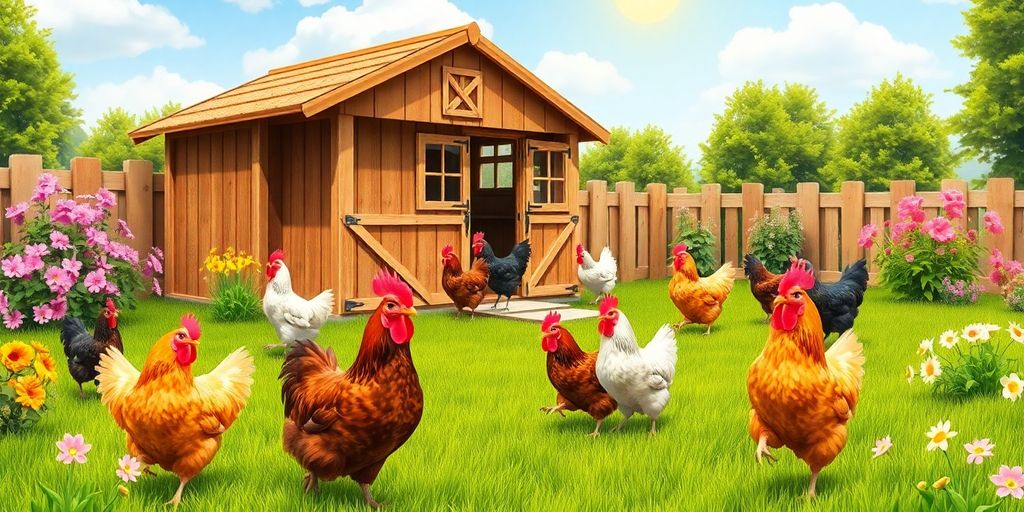
So, you’ve put in the work, built the coop, and raised your chicks. Now comes the fun part: reaping the rewards of having backyard chickens! It’s more than just eggs; it’s a lifestyle. Let’s explore what makes keeping chickens so great.
Fresh Eggs Daily
Okay, let’s be real, this is probably the biggest draw for most people. There’s nothing quite like collecting your own fresh eggs every morning. The taste is richer, the yolks are a vibrant orange, and you know exactly where they came from. Plus, you can say goodbye to those questionable grocery store eggs! Raising chickens for eggs is a game changer.
Natural Pest Control
Chickens are basically tiny, feathered exterminators. They LOVE bugs. Slugs, snails, grasshoppers, you name it, they’ll gobble it up. Letting your chickens roam (safely, of course) in your garden can significantly reduce pest populations without the need for harmful chemicals. Just be careful around your prized plants – they might mistake them for snacks!
Creating Compost with Chicken Manure
Chicken manure is a fantastic source of nitrogen, phosphorus, and potassium – all essential nutrients for healthy plant growth. However, fresh chicken manure is too strong to use directly on plants and can burn them. The solution? Composting! Properly composted chicken manure makes an excellent soil amendment, enriching your garden and reducing your reliance on synthetic fertilizers.
Turning chicken waste into garden gold is a win-win. It reduces waste, improves your soil, and helps your plants thrive. Just remember to compost it properly to avoid any unpleasant odors or harmful bacteria.
Here’s a simple breakdown of the composting process:
- Collect the manure: Scrape up the soiled bedding from the coop.
- Mix with carbon-rich materials: Add things like leaves, straw, or shredded paper.
- Maintain moisture: Keep the pile damp, like a wrung-out sponge.
- Turn regularly: This helps aerate the pile and speeds up decomposition.
- Wait: It takes several months for the manure to fully compost.
Wrapping It Up: Your Chicken Journey Awaits
So there you have it! Raising chickens at home can be a fun and rewarding experience. You get fresh eggs, a little entertainment, and a chance to connect with nature right in your backyard. Sure, there’s some work involved—feeding, cleaning, and keeping them safe from predators—but it’s all worth it when you see those happy hens clucking around. If you’re ready to take the plunge, go ahead and set up your coop and grab some chicks. You won’t regret it! Enjoy the journey, and happy chicken-keeping!
Frequently Asked Questions
What do I need to prepare before getting chickens?
Before bringing chickens home, make sure to check your local laws to see if you can keep them. You’ll also need to set up a brooder for the chicks and a coop for when they grow up.
Which chicken breeds are best for beginners?
Some great chicken breeds for beginners are Rhode Island Reds, Leghorns, and Orpingtons. These breeds are friendly and good egg layers.
How do I take care of my chickens?
Chickens need clean water, healthy food, and a safe place to live. You should also keep their coop clean and check them regularly for any signs of illness.
How can I keep my chickens safe from predators?
To protect your chickens, make sure your coop is strong and secure. Use strong wire for fencing and cover any openings to keep out animals like raccoons and foxes.
What should I do if my chickens stop laying eggs?
If your chickens stop laying eggs, check if they are healthy, if they are getting enough light, and if their diet is balanced. Sometimes, stress or changes in the weather can also affect egg production.
Can I let my chickens roam free in my yard?
Yes, letting your chickens roam can be good for them, as they can scratch for bugs and enjoy the outdoors. Just make sure to supervise them to keep them safe from predators.