“This post contains affiliate links. As an Amazon Associate, I earn from qualifying purchases”
Thinking about keeping chickens? You’re in for a treat! Raising chickens can be a fun and rewarding hobby. They’re not just for eggs; they can be entertaining pets and help with pest control in your yard. This guide will walk you through the basics of how to raise chickens for beginners, from choosing the right breed to setting up their coop and caring for them properly. Let’s get started!
Key Takeaways
- Choose the right breed based on your needs and space.
- Build a safe and comfortable coop with proper ventilation.
- Feed your chickens a balanced diet and always provide fresh water.
- Monitor their health and behavior regularly for any issues.
- Learn how to collect and store eggs properly for freshness.
Choosing The Right Chicken Breed
Choosing the right chicken breed is a big deal. It’s not just about picking the cutest bird; it’s about making sure your chickens fit your lifestyle, your space, and what you want to get out of having them. I remember when I first started, I went for looks over practicality and ended up with a bunch of birds that were terrible egg layers. Lesson learned!
Understanding Different Breeds
There are so many chicken breeds out there, it can be overwhelming. You’ve got your Orpingtons, known for being friendly and good egg layers. Then there are Rhode Island Reds, which are super reliable egg producers. And don’t forget the Easter Eggers, which lay eggs in all sorts of fun colors. Each breed has its own personality and quirks. Some are better suited for cold weather, while others thrive in the heat. Some are calm and docile, while others are more active and independent. It’s worth doing your homework to find breeds that match your climate and your temperament.
Egg Production vs. Meat Production
What do you want from your chickens? Are you after a steady supply of fresh eggs, or are you more interested in raising them for meat? Some breeds are specifically bred for egg production, like the Leghorn, which can lay upwards of 300 eggs a year. Others, like the Cornish Cross, are bred for meat and grow quickly. Dual-purpose breeds, like the Plymouth Rock, are a good compromise if you want both eggs and meat, though they won’t be as efficient as specialized breeds. Think about your priorities and choose accordingly.
Temperament and Behavior
Chicken personalities vary a lot. Some breeds are naturally friendly and enjoy human interaction, while others are more skittish and prefer to keep their distance. If you have kids or other pets, you’ll want to choose a breed that’s known for being docile. Orpingtons and Sussex chickens are generally good choices for families. On the other hand, if you’re looking for birds that can free-range and forage for food, you might want to consider more active breeds like the Wyandotte. Just remember that a chicken’s temperament can also be influenced by how you raise it, so regular handling and socialization are important.
I’ve found that spending time with my chickens each day, even just a few minutes, makes a big difference in their behavior. They get used to me, and they’re less likely to be scared or aggressive. Plus, it’s just fun to watch them and see what they’re up to.
Setting Up A Chicken Coop
Before you even bring those fluffy little chicks home, or introduce full-grown hens to your backyard, you absolutely must have their living space ready. Don’t jump the gun and get the chickens before you have a suitable coop and run set up. Trust me, it’ll save you a lot of headaches.
Essential Coop Features
Okay, so what makes a coop essential? Well, think of it as your chickens’ fortress. It needs to protect them from the elements and predators. Here’s a checklist:
- Nesting Boxes: You’ll want about one nest box for every three hens. They like a cozy, private spot to lay their eggs.
- Roosting Bars: Chickens naturally want to roost off the ground at night. Provide bars or sturdy branches for them to perch on.
- Ventilation: Good airflow is key to preventing moisture buildup and respiratory problems. Make sure there are vents, but avoid drafts.
- Security: This is huge. Raccoons, foxes, hawks… they all love chicken. Use strong wire mesh and secure latches to keep them out. An automatic predator-proof door can also be a great investment.
- Easy Access for Cleaning: You’ll be cleaning the coop regularly, so make it easy on yourself. A door that opens wide or a removable floor will be a lifesaver.
Choosing The Right Location
Location, location, location! It’s not just for real estate; it’s for chicken coops too. Here’s what to consider:
- Sunlight: Some sunlight is good for warmth and helps keep the coop dry, but too much can overheat it. Aim for a spot with partial shade.
- Drainage: Avoid low-lying areas that can become waterlogged. You want a spot that drains well to prevent muddy conditions.
- Proximity to Your House: Close enough to easily check on the chickens and collect eggs, but far enough away to minimize any potential odor issues.
- Protection from Wind: A sheltered spot will help keep the coop warmer in the winter.
- Local Ordinances: Double-check your local regulations regarding backyard chickens. Some areas have restrictions on coop placement or even ban chickens altogether.
Building or buying a coop that’s appropriately sized for your flock is important. Also, make sure chickens are permitted where you live. Certain residential areas have bans on backyard chickens or only allow you to keep hens, not roosters.
Bedding and Nesting Options
Choosing the right bedding and nesting material is important for your chickens’ comfort and the cleanliness of the coop. Here are some popular options:
- Straw: A classic choice. It’s absorbent, provides insulation, and is relatively inexpensive. Just make sure it’s dry and free of mold.
- Pine Shavings: Another good option. They’re absorbent and have a pleasant smell. Avoid cedar shavings, as they can be harmful to chickens.
- Hemp Bedding: A newer option that’s becoming increasingly popular. It’s very absorbent, dust-free, and composts well.
- Nesting Material: For the nesting boxes, straw or pine shavings work well. You can also add some dried herbs like lavender or chamomile for their calming properties.
Consider turning an old shed into a coop. You can find cheap used sheds in great condition on sites like Craigslist, then easily create nesting boxes and a roost.
Feeding Your Chickens
Types of Chicken Feed
Choosing the right feed is super important for healthy chickens and good egg production. There are different types of feed for different stages of life. Starter feed is for chicks, grower feed is for pullets (young hens), and layer feed is for laying hens. Layer feed has extra calcium to help with eggshell formation. Make sure you’re getting the right kind for your flock’s needs. I usually buy mine in big bags from the local farm supply store. It’s way cheaper that way.
Supplementing Their Diet
Chickens love treats! You can give them kitchen scraps, garden veggies, and even weeds from the yard. Just be careful about what you’re giving them. Avoid things like avocado pits, chocolate, and salty snacks. Too much of the wrong stuff can make them sick. I like to give mine mealworms as a treat sometimes. They go crazy for them!
Chickens also need grit to help them digest their food properly. If they’re free-ranging, they’ll usually find enough on their own. But if they’re mostly confined to a coop or run, you’ll need to provide it for them. Oyster shells are also a great supplement for laying hens, providing extra calcium for strong eggshells. You can get crushed oyster shells at most feed stores.
Here’s a quick guide to safe and unsafe treats:
| Treat | Safe? | Notes |
|---|---|---|
| Watermelon | Yes | A favorite in the summer! |
| Lettuce | Yes | Good source of vitamins. |
| Tomatoes | Yes | But avoid the leaves, which are toxic. |
| Chocolate | No | Toxic to chickens. |
| Avocado Pit | No | Contains persin, which is harmful. |
| Onions | No | Can cause anemia in large quantities. |
Watering Needs
Chickens need constant access to clean, fresh water. I use a poultry drinker that holds several gallons, so I don’t have to refill it every day. In the winter, you’ll need a heated waterer to keep the water from freezing. Make sure to clean the waterer regularly to prevent algae and bacteria from growing. Nobody wants a dirty water source!
Caring For Your Chickens
Daily Care Routines
Okay, so you’ve got your chickens, the coop is set up, and you’re feeding them right. Now what? Daily care is super important. It’s not just about tossing some feed and hoping for the best. Think of it like having any other pet – they need attention and a routine.
- First thing in the morning, let them out of the coop. They’ve been cooped up all night (pun intended!), and they’re ready to stretch their legs and start scratching around.
- Check their water. Make sure it’s clean and full. Chickens drink a surprising amount, especially in warm weather. A poultry drinker is a great investment.
- Give them fresh feed. I usually do this twice a day, morning and evening.
- Collect eggs! This is the fun part. The fresher the eggs, the better.
- Spot check for any signs of illness or injury. Look for anything out of the ordinary – lethargy, ruffled feathers, or unusual droppings.
Health Monitoring
Keeping an eye on your chickens’ health is key to preventing problems before they become big issues. Regular observation is your best tool.
- Feather Condition: Healthy chickens have smooth, glossy feathers. Ruffled or missing feathers can indicate stress, parasites, or pecking order issues.
- Droppings: Yep, we’re talking poop. Normal chicken poop is firm and dark with a bit of white urate. Runny or unusual colors can signal illness.
- Behavior: Watch for changes in behavior. A chicken that’s usually active and suddenly becomes withdrawn might be sick.
- Weight: Feel your chickens occasionally to check their weight. A sudden loss of weight can be a sign of underlying health problems.
It’s a good idea to have a relationship with a vet who knows about chickens. Not all vets are experienced with poultry, so find one in your area who is. They can help you diagnose and treat any serious health issues that come up.
Dealing With Common Issues
Even with the best care, chickens can sometimes run into problems. Here are a few common issues and how to deal with them:
- Mites and Lice: These little pests can make your chickens miserable. You’ll notice them scratching a lot and their feathers might look ratty. Treat with poultry dust or sprays. Make sure to clean the coop thoroughly too.
- Worms: Worms can steal nutrients from your chickens and make them sick. You can get a worming treatment from your vet or feed store.
- Egg Binding: Sometimes, a hen can have trouble laying an egg. This is more common in young hens or older hens. You can try giving her a warm bath and some calcium. If she doesn’t pass the egg, you’ll need to see a vet.
- Coccidiosis: This is a parasitic disease that can be deadly to young chicks. Symptoms include bloody droppings and lethargy. Treat with medication from your vet.
- Predators: Foxes, raccoons, hawks – they all love chickens. Make sure your coop and run are secure to protect your flock. Consider a larger run if you can’t let them roam freely.
Remember, prevention is always better than cure. Keep your coop clean, provide fresh water and feed, and monitor your chickens regularly. With a little care, you can keep your flock happy and healthy.
Raising Chicks Successfully
Raising chicks is super rewarding! It’s a great way to bond with your flock from day one. You can buy chicks from local places or even big hatcheries. Just remember, they’re fragile and need gentle handling. Kids especially need to learn how to treat them right.
Setting Up A Brooder
Okay, so you’ve got your chicks. Now what? They need a brooder – basically, a safe, warm home until they’re big enough to handle the outside world. A big plastic tub works great, or even a spare room if you’re feeling ambitious. Make sure it’s secure, so they can’t escape, and line it with something easy to clean, like newspaper or wood shavings. The most important thing is a reliable heat source.
Here’s a quick checklist for your brooder:
- Heat lamp (red is best to minimize pecking)
- Thermometer to monitor the temperature
- Food and water dishes (shallow ones are best to prevent drowning)
- Clean bedding
Temperature and Care Requirements
Temperature is key! For the first week, aim for 95°F (35°C) right under the heat lamp. Then, gradually reduce the temperature by 5°F each week until they’re ready to move outside. Watch your chicks closely – if they’re huddled together under the lamp, they’re too cold. If they’re spread out and panting, they’re too hot. Adjust the lamp accordingly. Fresh water and starter feed are also a must.
Cleanliness is next to godliness when it comes to chicks. Change the bedding regularly to prevent the buildup of ammonia, which can cause respiratory problems. Also, make sure their water is always clean and fresh.
Transitioning To The Coop
Once your chicks are fully feathered (around 6 weeks old), and the weather is warm enough, they can move to the coop. Make sure they have access to the coop and a secure run. Introduce them slowly to the rest of the flock, if you have one. Supervise their interactions to prevent bullying. It’s a big step, but with a little care, they’ll adjust just fine. You’ll want to make sure the coop is ready with all the essential coop features before moving them in.
Managing Chicken Behavior
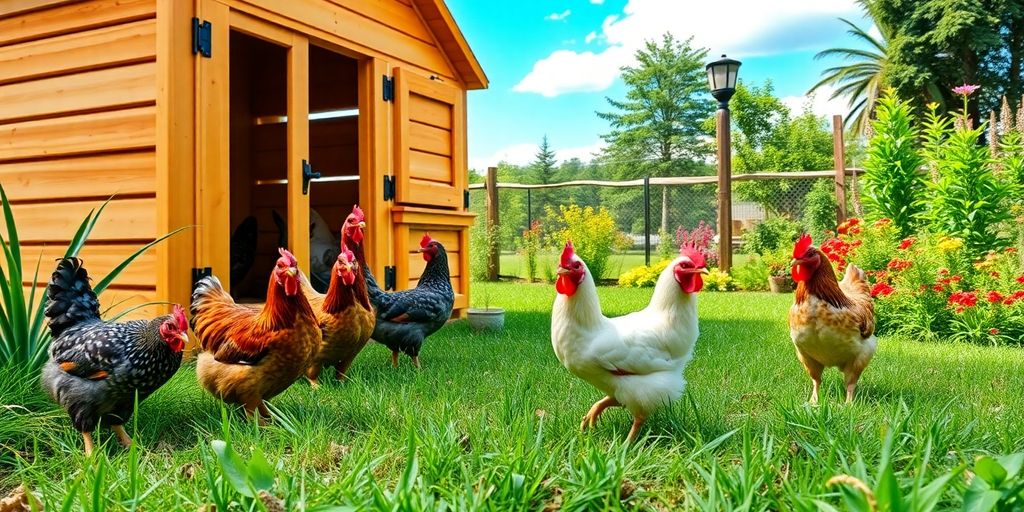
Chickens, like any social animal, have their own quirks and ways of interacting. Understanding these behaviors is key to keeping a happy and healthy flock. It’s not always sunshine and roses; sometimes you’ll see squabbles, but knowing how to handle them can make a big difference.
Understanding Pecking Order
The pecking order is a real thing! It’s how chickens establish dominance. Usually, it sorts itself out, but sometimes you need to step in. You’ll notice the more dominant chickens might get first dibs on food or the best roosting spots. It’s all about establishing who’s who in the coop. Introducing new chickens can disrupt this order, so be prepared for some initial scuffles as they figure things out.
Socialization Tips
Socialization is important, especially when introducing new chickens. Here are a few tips:
- Introduce new chickens slowly: Keep them separate but within sight of the flock for a few days before letting them mingle.
- Provide plenty of space: Overcrowding can lead to stress and aggression. Make sure your chickens have enough room to roam.
- Offer multiple feeding and watering stations: This reduces competition and ensures everyone gets their fair share.
A good way to think about it is like introducing new kids to a playground. You want to make sure everyone has enough space and resources to avoid unnecessary conflict. A little patience goes a long way in helping them adjust.
Preventing Aggression
Sometimes, chickens can get a little too aggressive. Here’s how to handle it:
- Identify the bully: Watch your flock closely to see who’s causing the trouble. Sometimes it’s obvious, other times you need to observe them for a while.
- Provide enrichment: Bored chickens are more likely to pick on each other. Add things like dust baths, perches, or even a chicken swing to keep them entertained.
- Isolate the aggressor (temporarily): If a chicken is consistently bullying others, you might need to separate it for a few days to break the behavior. This gives the other chickens a break and can help the bully reset. Learn how to manage aggressive baby chicks effectively.
| Behavior | Possible Cause | Solution |
|---|---|---|
| Feather pecking | Overcrowding, boredom, nutritional deficiencies | Provide more space, enrichment, check feed for proper nutrients |
| Bullying | Establishing dominance, stress | Isolate aggressor temporarily, ensure adequate space and resources |
| Egg eating | Nutritional deficiencies, boredom | Provide calcium supplements, collect eggs frequently, offer enrichment |
Harvesting Eggs
When To Expect Eggs
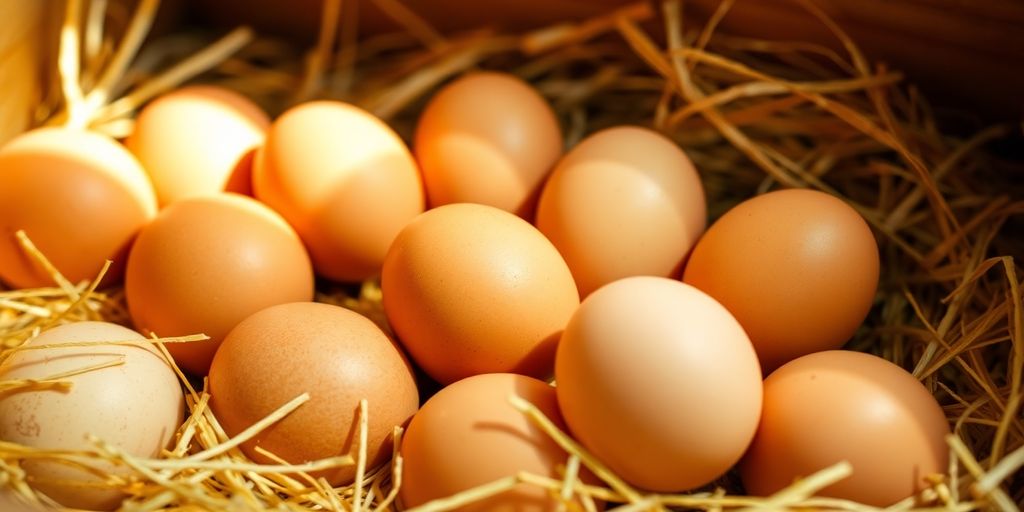
Okay, so you’ve got your chickens, they’re all settled in, and now you’re waiting for the eggs to start rolling in. When exactly can you expect those first eggs? Well, it varies a bit depending on the breed, but generally, most hens will start laying around 6 months old. Some breeds might start a little earlier, others a bit later. Don’t get discouraged if it takes a little longer! Just make sure they’re getting the right chicken feed and are healthy.
Collecting and Storing Eggs
Once your hens start laying, you’ll want to collect the eggs regularly. I usually check the nesting boxes once or twice a day. This helps keep the eggs clean and reduces the chance of them getting broken or eaten by the chickens. Here’s a few tips:
- Collect daily: Especially during hot weather, to prevent spoilage.
- Use a basket or egg carton: To avoid cracking.
- Wash only when necessary: Washing removes the protective “bloom” on the eggshell. If they’re dirty, gently wipe them clean with a dry cloth. If you must wash them, use warm water (warmer than the egg) and dry them immediately.
Storing eggs is pretty simple. Just keep them in the refrigerator in their carton, with the pointy end down. This helps keep the yolk centered. Fresh eggs can last for several weeks in the fridge.
Troubleshooting Egg Production
Sometimes, egg production can drop off. There are a few reasons why this might happen. Here’s a quick rundown:
- Age: Older hens lay fewer eggs.
- Molting: Chickens molt (lose and regrow feathers) once a year, and they usually stop laying during this time.
- Stress: Changes in the environment, predators, or illness can all cause stress and reduce egg production.
- Nutrition: Make sure they’re getting a balanced diet with enough calcium. You might need to supplement with oyster shells if their egg production is low.
- Broodiness: If a hen is broody (wants to hatch eggs), she’ll stop laying. You can try to “break” her broodiness by removing her from the nesting box and discouraging her from sitting in it.
If you’re having trouble figuring out why your hens aren’t laying, do a little research or ask a local poultry expert. There’s usually a simple solution!
Wrapping It Up
So, there you have it! Raising chickens isn’t just about getting fresh eggs; it’s about enjoying the whole experience. From picking the right breed to building a cozy coop, each step is part of the fun. Don’t stress if things don’t go perfectly at first. Just take your time, learn as you go, and enjoy your feathered friends. Before you know it, you’ll be a pro at chicken keeping. Happy clucking!
Frequently Asked Questions
What is the best chicken breed for beginners?
For beginners, breeds like Rhode Island Reds or Leghorns are great choices. They are friendly, easy to care for, and good egg layers.
How much space do chickens need in a coop?
Chickens need about 4 square feet of space inside the coop per bird. They also need a safe outdoor area to roam.
What should I feed my chickens?
Chickens need a balanced diet of commercial feed, grains, and some kitchen scraps. Make sure to provide fresh water daily.
How can I tell if my chickens are healthy?
Healthy chickens are active, have bright eyes, and smooth feathers. Look out for any signs of illness like lethargy or changes in eating.
When will my chickens start laying eggs?
Chickens usually start laying eggs between 5 to 6 months old, depending on the breed.
What should I do if my chickens are fighting?
If your chickens are being aggressive, ensure they have enough space and resources. Sometimes, introducing new birds slowly can help reduce fighting.