“This post contains affiliate links. As an Amazon Associate, I earn from qualifying purchases”
When you find yourself short on heavy cream, don’t panic! You can easily whip up a substitute using just butter and milk. This combo is not only simple but also effective, giving you that creamy texture and rich flavor you need for your recipes. Whether you’re baking a cake or making a creamy sauce, this guide will help you navigate the best ways to use butter and milk as a stand-in for heavy cream.
Key Takeaways
- Mix 3/4 cup of milk with 1/4 cup melted butter to replace 1 cup of heavy cream.
- For a richer taste, use half-and-half and butter instead of just milk.
- Vegan options like soy milk and olive oil can also mimic heavy cream.
- Making heavy cream from scratch is as easy as blending milk and butter together.
- Store your homemade substitutes properly to keep them fresh longer.
Combining Milk And Butter For Substitutes
Understanding The Fat Content
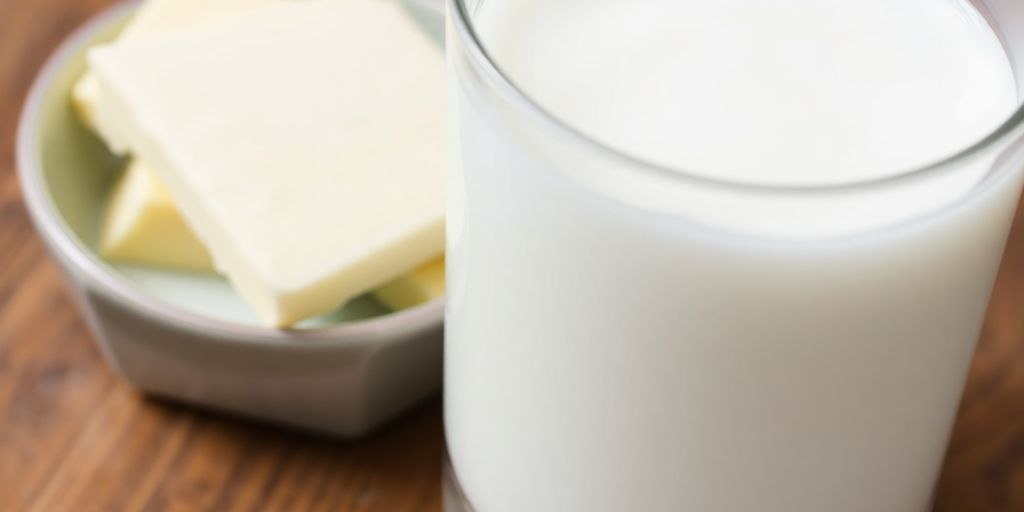
So, you’re out of heavy cream? Don’t panic! A simple solution involves combining milk and butter. The key here is understanding the fat content. Heavy cream typically has a fat content around 36-40%. Milk, on the other hand, is much lower, usually around 3%. The butter is what bridges that gap, adding the necessary fat to mimic heavy cream’s richness. By carefully controlling the ratio of milk to butter, you can get pretty close to the real thing. It’s not an exact science, but it’s a lifesaver in a pinch. This method is a last-minute alternative if you’re out of heavy cream and need it for a recipe. The butter adds extra fat to the milk, making its fat percentage similar to that of heavy cream.
Mixing Ratios For Best Results
Okay, let’s talk ratios. The ideal ratio depends on what you’re trying to achieve. For most cooking and baking applications, a good starting point is 3/4 cup of milk mixed with 1/4 cup of melted butter for every 1 cup of heavy cream needed. However, if you need whipped cream, you’ll need a higher fat content, so a 1:1 ratio might be better. Here’s a quick guide:
- General Cooking/Baking: 3/4 cup milk + 1/4 cup melted butter
- Whipped Cream (attempting): 1/2 cup milk + 1/2 cup melted butter (results may vary)
- Adjusting for Milk Type: Whole milk works best, but you can use lower-fat milk with a bit more butter.
Keep in mind that this substitute won’t whip as stiffly as heavy cream, but it will add richness and moisture to your recipes. If a recipe calls for heavy cream in the batter, it can be substituted with a mixture of 75% milk and 25% butter. However, when it comes to whipped cream, a 1:1 ratio of butter and milk is required.
When To Use This Substitute
This milk and butter substitute works well in many cooking and baking scenarios. Think sauces, soups, casseroles, and baked goods like cakes and muffins. It’s especially useful when you need the fat content for flavor and texture. However, it’s not ideal for recipes where heavy cream is the star, like whipped cream or certain types of frosting. The lower fat content means it won’t whip properly, and the texture might be slightly different. Also, be mindful of the added salt from the butter, and adjust the recipe accordingly.
Using milk and butter as a heavy cream substitute is a great way to save a trip to the store. It’s not a perfect replacement, but it’s often good enough, especially in cooked dishes where the slight difference in texture won’t be noticeable. Just remember to adjust your ratios based on the recipe and your desired outcome.
Using Half-And-Half With Butter
Creating A Richer Flavor
So, you’re out of heavy cream? Don’t panic! Half-and-half combined with butter can be a surprisingly good substitute in many recipes. Half-and-half is basically a mix of whole milk and cream, but it has less fat than heavy cream. Adding butter helps boost the fat content, bringing it closer to that of heavy cream. This can make a big difference in the final taste and texture of your dish. It’s not a perfect match, but it’s a solid option when you’re in a pinch.
Ideal Ratios For Substitution
Getting the ratio right is key to a successful substitution. Too much half-and-half, and your dish might be too thin. Too much butter, and it could end up greasy. Here’s a good starting point:
- For 1 cup of heavy cream, use 7/8 cup of half-and-half.
- Add 1/8 cup of melted butter.
- Whisk them together until well combined.
This ratio works well in many recipes, but you might need to adjust it slightly depending on what you’re making. For example, if you’re making a sauce, you might want to use a little less butter to avoid making it too heavy. If you’re baking, stick to the ratio for best results. You can also use heavy cream recipes as a guide.
Best Uses In Cooking
This substitute works best in recipes where heavy cream is used for richness and moisture, but not necessarily for whipping. Think sauces, soups, and baked goods like muffins or quick breads. It’s not the best choice for whipped cream or frostings, as it won’t whip up as nicely as heavy cream. You can use half-and-half in sauces and soups without adding butter, if you’re willing to forgo a little richness.
Using half-and-half and butter is a great way to add richness to dishes without the full fat content of heavy cream. It’s a versatile substitute that can be used in many different recipes, but it’s important to keep in mind that it won’t always produce the exact same results as heavy cream. Adjust your expectations and be prepared to experiment a little to find what works best for you.
Exploring Vegan Alternatives
Okay, so you’re ditching dairy but still need that creamy goodness? No problem! There are actually a bunch of ways to get a similar texture and richness without using any animal products. It might take a little experimenting to find your perfect match, but trust me, it’s worth it. Let’s explore some options.
Soy Milk And Olive Oil Combination
This is a pretty straightforward swap. The soy milk provides the liquid base, and the olive oil adds the fat content you’d normally get from heavy cream. It’s a simple way to mimic the texture, though the flavor will be slightly different. I’ve found that using a high-quality olive oil makes a big difference in the final taste. You can use this in savory dishes, but maybe not for super delicate desserts where the olive oil flavor might clash. For sweeter applications, try a neutral oil like canola instead.
Coconut Cream As A Substitute
Coconut cream is a game-changer! If you haven’t tried it, you’re missing out. You can buy it in a can, and when chilled, the thick cream separates from the watery liquid. This cream is super rich and can be whipped just like dairy heavy cream. It does have a distinct coconut flavor, so keep that in mind when choosing recipes. It’s amazing in curries, desserts, and even coffee! Just be sure to buy the canned coconut cream, not the coconut milk beverage you find in cartons. The canned stuff has a much higher fat content, which is what you need for a good substitute. You can find a great vegan meat substitutes guide online if you want to explore more plant-based options.
Other Dairy-Free Options
Beyond soy and coconut, there’s a whole world of dairy-free alternatives to explore. Here are a few ideas:
- Cashew Cream: Soak raw cashews in hot water, then blend them until smooth. It’s incredibly rich and versatile.
- Oat Milk + Vegan Butter: Oat milk is naturally creamy, and adding a bit of melted vegan butter boosts the fat content.
- Silken Tofu: Sounds weird, but blended silken tofu can add a creamy texture to sauces and desserts. You won’t taste the tofu, I promise!
Experimenting is key! Don’t be afraid to try different combinations and ratios to find what works best for your recipes. Each alternative has its own unique flavor and texture, so have fun discovering your favorites.
Making Heavy Cream From Scratch
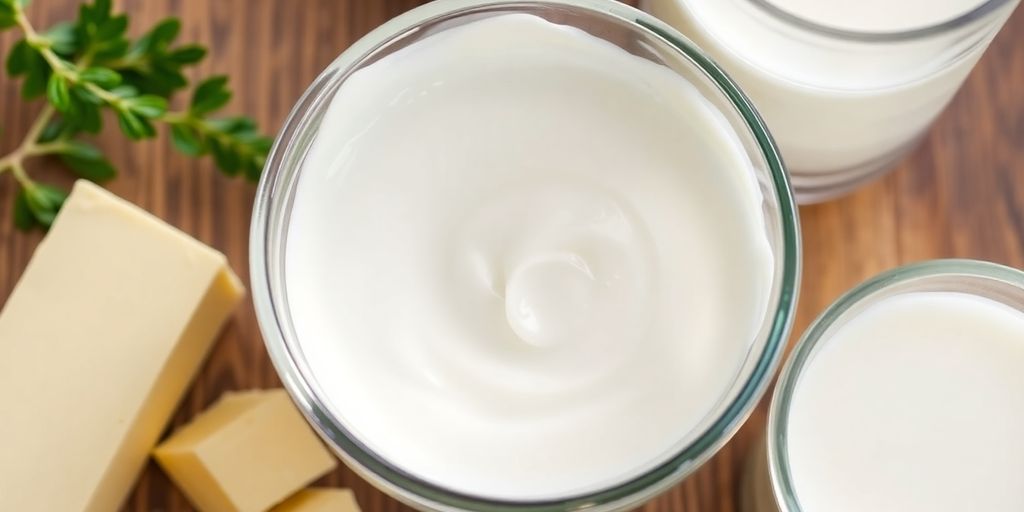
Okay, so you’re in a pinch and need heavy cream, but all you have is milk and butter? Don’t worry, you can actually make a pretty decent substitute right at home. It’s not exactly the same, but it’ll work in a lot of recipes. I’ve done it a bunch of times, and it’s saved me from running to the store more than once.
Transforming Milk And Butter
The key here is to combine the right amount of fat from the butter with the liquid from the milk to mimic the consistency of heavy cream. It’s a bit of a science, but nothing too complicated. Think of it as a kitchen experiment. You’re basically emulsifying the butter into the milk. It’s kind of cool when you think about it.
Equipment Needed For The Process
To make this work, you’ll need a few things:
- A saucepan: For melting the butter.
- A blender or food processor: To combine the milk and melted butter smoothly. An immersion blender also works.
- Measuring cups and spoons: Accuracy is important for the right consistency.
- A container: To store your homemade heavy cream.
Step-By-Step Instructions
Here’s how to do it:
- Melt the butter in the saucepan over low heat. You don’t want it to brown, just melt it completely.
- Let the butter cool slightly. This is important so it doesn’t cook the milk when you combine them.
- In the blender, combine the milk and the melted butter. Blend on high speed for a minute or two until the mixture is smooth and creamy. If you want to make fresh cream, this is the way to go.
- Pour the mixture into a container and refrigerate for at least 30 minutes to allow it to thicken. It won’t get as thick as store-bought heavy cream, but it will thicken up a bit.
Honestly, this method is great when you’re in a bind. It’s not perfect, but it’s a lifesaver. Just remember to adjust your recipes accordingly, as the fat content might be slightly different from regular heavy cream.
Common Recipes That Use Heavy Cream
Heavy cream is a staple in many kitchens, showing up in both sweet and savory dishes. It’s that secret ingredient that can take a recipe from good to amazing. Let’s explore some common uses.
Baking With Heavy Cream
Heavy cream is a baker’s best friend. It adds moisture and richness to cakes, cookies, and pastries. Think about it: scones that practically melt in your mouth, cakes with a tender crumb, and cookies that are soft and chewy. Using heavy cream can really change the texture and flavor of your baked goods. It’s not just about adding fat; it’s about creating a better overall experience. For example, adding a splash of heavy cream to your cinnamon rolls before baking makes them extra gooey and delicious.
Savory Dishes That Benefit
It’s not just for sweets! Heavy cream can elevate savory dishes too. Creamy soups, rich sauces, and decadent pasta dishes all benefit from a touch of heavy cream. It adds a smoothness and depth of flavor that’s hard to beat. Consider these options:
- Creamy tomato soup: A swirl of heavy cream makes it extra comforting.
- Alfredo sauce: The base of a classic, rich pasta sauce.
- Mashed potatoes: For the ultimate creamy side dish.
I remember one time I was making a mushroom sauce for steak, and I accidentally grabbed half-and-half instead of heavy cream. The sauce was still okay, but it lacked that certain something. It wasn’t nearly as rich or flavorful. That’s when I realized how important heavy cream is for certain recipes.
Desserts Enhanced By Cream
Of course, we can’t forget about desserts! Heavy cream is essential for many classic desserts. From whipped cream to ice cream, it’s the key to creating a truly indulgent treat. Here are some examples:
- Whipped cream: A simple topping that elevates any dessert.
- Panna cotta: A smooth and creamy Italian dessert.
- Ice cream: The foundation of a rich and decadent frozen treat.
| Dessert | Benefit of Heavy Cream | Texture Improvement | Flavor Enhancement |
|---|---|---|---|
| Whipped Cream | Stability | Light and airy | Richness |
| Panna Cotta | Creaminess | Smooth | Subtle sweetness |
| Ice Cream | Richness | Creamy | Enhanced flavor |
Tips For Successful Substitutions
Adjusting For Different Recipes
Okay, so you’re diving into the world of heavy cream substitutes. That’s cool! But here’s the thing: not all recipes are created equal. What works like a charm in one dish might be a total flop in another. Think about it – a delicate pastry needs something different than a hearty soup. The key is to consider the role heavy cream plays in the original recipe. Is it there for richness? For thickening? For whipping? Once you know that, you can pick a substitute that does a similar job. For example, if you’re making a sauce, a milk and butter mix might be fine. But if you’re trying to whip up some frosting? You’ll need something with a higher fat content, like coconut cream. It’s all about matching the substitute to the task at hand.
Understanding Texture Changes
One thing you’ll notice right away when you start swapping out heavy cream is that the texture of your dish can change. Like, a lot. Milk and butter, for example, won’t thicken the same way heavy cream does. And some substitutes, like Greek yogurt, can add a tanginess that wasn’t there before. So, what do you do? Well, you might need to tweak the recipe a bit. Maybe add a little cornstarch to thicken things up, or adjust the amount of liquid. It’s all about experimenting and finding what works best for you. Here’s a few things to keep in mind:
- Fat Content: Lower fat substitutes will result in a less rich texture.
- Water Content: Higher water content can make your dish thinner.
- Acidity: Some substitutes, like yogurt, can add acidity, affecting the overall flavor and texture.
Flavor Considerations
Don’t forget about the flavor! Heavy cream has a pretty neutral taste, so it doesn’t usually mess with the overall flavor profile of a dish. But some substitutes? They definitely do. Coconut cream, for example, will add a coconutty flavor, which might be great in some desserts but not so much in a savory sauce. Greek yogurt has a tangy flavor. Cottage cheese has a distinct, cheesy flavor. So, before you swap out the heavy cream, think about how the substitute will affect the taste of your dish. Maybe you’ll need to adjust the other ingredients to balance things out. Or maybe you’ll just need to pick a different substitute altogether. If you’re looking for more plant-based substitutions, there are many options available.
It’s important to taste as you go. Start with a small amount of the substitute and add more until you reach the desired consistency and flavor. Don’t be afraid to experiment and adjust the recipe to your liking. After all, cooking is all about having fun and creating something delicious!
Storage And Shelf Life Of Substitutes
How To Store Homemade Cream
Okay, so you’ve whipped up a batch of homemade cream using milk and butter (or maybe a vegan alternative!). Now what? The key here is to treat it like you would any other dairy product. That means immediate refrigeration. Transfer your substitute to an airtight container as soon as it’s cool enough. Glass containers are great because they don’t absorb odors, but plastic works too. Just make sure it’s clean!
Shelf Life Of Milk And Butter Mix
Don’t expect miracles here. Unlike store-bought heavy cream, your homemade version won’t last forever. Because you’re using fresh ingredients and no preservatives, it’s best to use it within a few days. I usually aim for 2-3 days max. After that, the quality starts to decline, and you risk spoilage. It’s a good idea to label the container with the date you made it, so you know exactly how long it’s been hanging out in the fridge.
Signs Of Spoilage To Watch For
Alright, let’s talk about the not-so-fun part: spoilage. Here’s what to look for to make sure your milk and butter mix hasn’t gone bad:
- Smell: If it smells sour or off, toss it. Trust your nose! That’s usually the first sign.
- Appearance: Check for any discoloration or mold. If you see anything funky, don’t risk it.
- Texture: If it’s separated or curdled, it’s past its prime. Fresh cream should be smooth.
When in doubt, throw it out. Food poisoning is no joke, and it’s better to be safe than sorry. If you’re unsure about the freshness of your substitute, it’s always best to err on the side of caution and make a fresh batch.
Proper storage is key to extending the shelf life of your homemade cream substitute.
Wrapping It Up
So, there you have it! If you find yourself in a pinch without heavy cream, mixing milk and butter is a solid backup plan. Just remember the right ratios—like ¾ cup of half-and-half with ¼ cup of melted butter for a cup of heavy cream. It’s a simple trick that works in most recipes, whether you’re cooking or baking. Sure, it won’t whip up like heavy cream, but it’ll still add that creamy goodness to your dishes. Next time you’re in the kitchen and realize you’re out of heavy cream, don’t stress. Just grab some milk and butter, and you’re good to go!
Frequently Asked Questions
Can I use milk instead of heavy cream?
Yes, you can use milk, but it won’t be as rich or thick as heavy cream. You might need to adjust your recipe.
What is the best way to substitute heavy cream?
A good substitute is to mix milk with melted butter. For one cup of heavy cream, use 3/4 cup of milk and 1/4 cup of melted butter.
Can I whip milk and butter together like heavy cream?
No, this mixture won’t whip up like heavy cream. It’s better for cooking and baking.
Is there a vegan option for heavy cream?
Yes! You can use coconut cream or mix soy milk with olive oil as a dairy-free substitute.
How do I store leftover milk and butter mixture?
Store it in a sealed container in the fridge. Use it within a few days for the best quality.
What recipes can I use heavy cream substitutes in?
You can use these substitutes in soups, sauces, and baked goods, but not for whipping.