“This post contains affiliate links. As an Amazon Associate, I earn from qualifying purchases”
Have you ever started making creamy soup or pasta sauce and found you’re out of heavy cream? I’ve run into this issue myself. After doing some digging, I discovered many home cooks swap in evaporated milk for heavy cream with great results.
Evaporated milk has a rich taste because it contains about 60% less water than regular milk. Here, I’ll share simple tips on how to safely use evaporated milk instead of whipping cream in baked goods, alfredo sauces, mashed potatoes, and other tasty dishes.
Keep reading for easy advice from one home cook to another.
What Is Evaporated Milk?
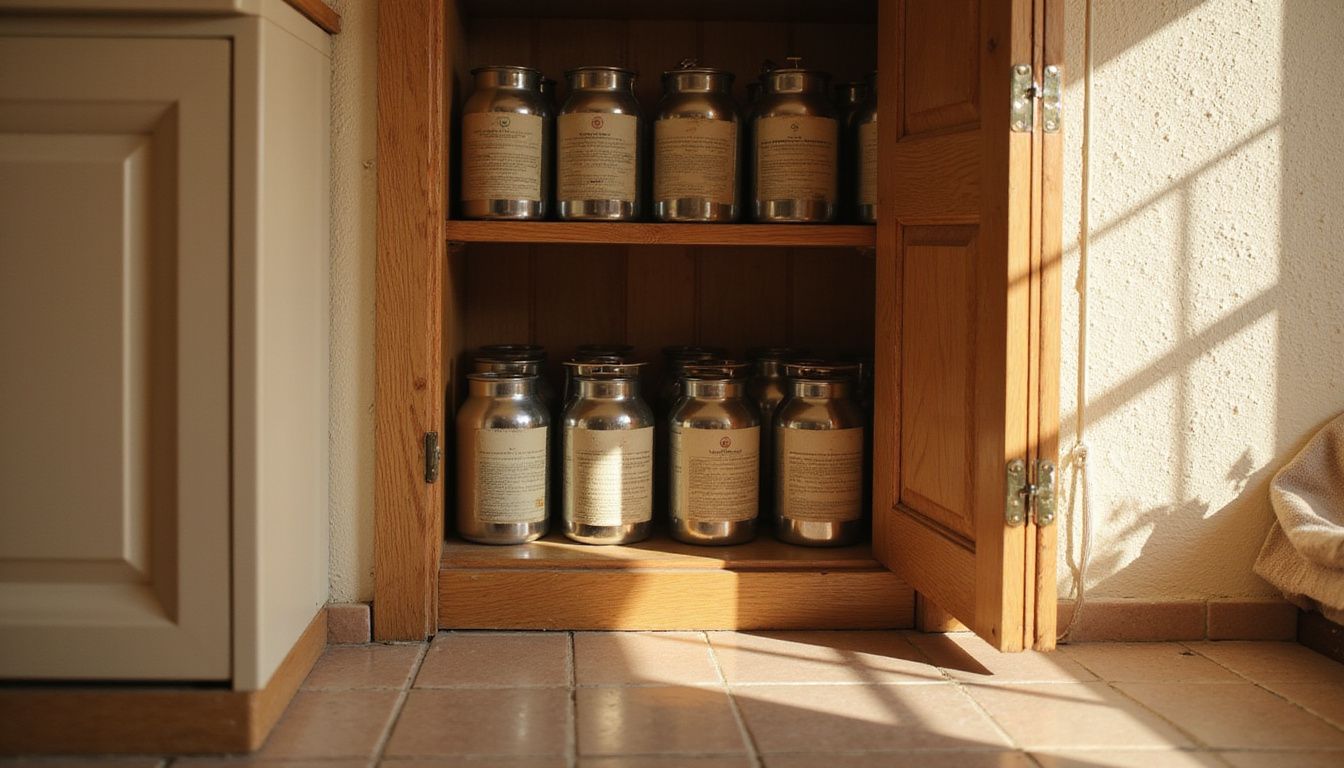
As someone who often cooks at home, I find evaporated milk is a useful pantry staple. Evaporated milk comes from regular whole milk after about 60% of the water has boiled away. It turns thicker and creamier with a mild caramel taste that works well in cooking and baking recipes like creamy soups, pasta sauces, pastries, muffins, cheesecakes, panna cotta, rice pudding and pies.
You can store it unopened for months without needing refrigeration. Unlike fresh heavy whipping cream or half-and-half products which spoil more quickly once opened; evaporated milk lets me easily keep dairy on hand in my kitchen to make meals creamy whenever I need it.
What Is Heavy Cream?
Heavy cream, also called heavy whipping cream, is the thickest and richest part of whole milk. It contains around 36% to 40% fat content, which makes it much thicker than regular milk or evaporated milk.
I often use it as a thickening agent to add richness in sauces like creamy alfredo sauce for pasta dishes or creamy soups. Its high-fat nature allows me to whip air into it easily—perfect when making whipped cream toppings for desserts such as ice creams, cookies, pies, or even hot chocolate.
Heavy cream gives recipes rich texture and fullness that low-fat alternatives lack.
Besides its popular role in cooking and baking sweet treats like cakes and custards—I find heavy whipping cream works great in savory dishes too. It offers flavor depth and smoothness you can’t get from lighter options such as half-and-half mixed with butter or whole milk combined with flour as thickeners.
Because it’s naturally dairy-based though—not typically suitable if looking specifically for dairy alternative choices like coconut milk, soy milk blended with olive oil—or silken tofu puréed smoothly—to replace this ingredient directly without changes elsewhere within your recipes at home!
Key Differences Between Evaporated Milk and Heavy Cream
Evaporated milk and heavy cream may seem alike, but they differ in several important ways—let’s explore what sets them apart.
Fat Content
The fat content makes heavy cream different from evaporated milk. Heavy whipping cream has around 36% to 40% fat, which gives it the thick texture needed for whipped cream or rich alfredo sauce.
On the other hand, evaporated milk is low-fat milk heated until some water goes away—leaving only about 6% to 8% fat behind. This lower fat means you will not get the same rich taste when using evaporated milk in creamy soups, sauces, or desserts that usually need heavy whipping cream.
In my own cooking and baking at home, mixing evaporated milk with melted butter can make a decent substitute if I run out of heavy cream—but not for recipes that depend on high-fat content like whipped toppings or ice creams.
Texture and Creaminess
Evaporated milk feels thinner and lighter than heavy cream. Heavy whipping cream gives soups or sauces a rich, thick texture with its high-fat content, while evaporated milk offers a smoother but less creamy feel.
From first-hand experience, making Alfredo sauce with evaporated milk tasted great but had less thickness and mouthfeel compared to using traditional heavy cream or half-and-half and butter.
Texture makes all the difference between good food and great cooking.
Culinary Uses
Since heavy cream gives dishes like creamy soups and Alfredo sauce their thick texture, substituting with evaporated milk means making slight adjustments. I prefer using evaporated milk for cooking and baking when a lighter taste works well in recipes like pastas, bread puddings, or casseroles.
Its mild and caramely flavor also makes it great in sweet treats such as pies or sauces.
I avoid trying to whip evaporated milk into whipped cream since it doesn’t hold peaks the way whipping cream does. Instead, I blend it easily into coffee creamer substitutes or half-and-half alternatives for morning beverages.
For thicker recipes needing more fat content and body — such as frostings — adding melted butter to evaporated milk can mimic heavy whipping cream without losing richness.
How to Substitute Evaporated Milk for Heavy Cream
I often mix evaporated milk with a bit of melted butter, giving dishes like alfredo sauce and creamy soups the thicker texture they need. Adjusting amounts slightly helps keep cooking and baking recipes smooth and tasty.
Adjusting Ratios for Recipes
Using evaporated milk instead of heavy cream needs a slight change in amounts. Heavy cream has more fat content and thickens recipes better than evaporated milk, so I usually adjust the ratio to keep texture and taste consistent.
For every cup of heavy whipping cream needed, I’ll mix one cup evaporated milk with about two tablespoons melted butter or olive oil. This simple blend gives soups, creamy sauces like Alfredo sauce or baked goods that nice rich feel without making them too thin.
Another trick is to use less liquid overall if I’m skipping butter or oil altogether. Suppose a recipe calls for heavy cream in cooking creamy soups or making whipped cream toppings—I choose evaporated milk but lower other wet ingredients a bit until the desired thickness returns.
If extra richness matters—for instance in desserts—I sometimes swap half-and-half and butter together instead, as this mixture mimics texture closely enough for most foods cooked at home.
Best Recipes for Substitution
I’ve found many tasty recipes where swapping heavy cream for evaporated milk works great. The results are delicious and help cut down on fat content too.
- Creamy soups: Evaporated milk adds smooth texture and thickness to potato or broccoli soups, with fewer calories than heavy cream.
- Alfredo sauce: Combine evaporated milk with parmesan cheese and a bit of butter; it creates a creamy, thickening agent for pasta dishes without the richness of whipping cream.
- Macaroni and cheese: Mixing evaporated milk into my mac and cheese recipe leads to a creamy sauce that’s lighter but still rich in flavor compared to heavy whipping cream sauces.
- Pumpkin pie filling: Blend evaporated milk into pumpkin puree instead of heavy cream; it gives pies a silky, smooth texture and cuts back on unnecessary fat calories.
- Mashed potatoes: Instead of half-and-half and butter or full-fat creams like coconut cream, using evaporated milk provides creamy mashed potatoes that feel lighter, yet stay fluffy and flavorful.
- Casseroles or gratins: Swap heavy whipping cream with evaporated milk in chicken casseroles or vegetable gratins; baked dishes bake up creamy but do not become excessively rich or greasy.
- Pasta carbonara: I sometimes switch out the classic heavy whipped cream sauce with an evaporated milk mix; this approach maintains smoothness without making the pasta overly rich.
- Homemade ice creams: Blending evaporated milk in place of full-fat whole milk or heavy creams reduces the calorie count significantly but keeps homemade ice creams thick, creamy, and satisfying.
- Quiches and savory tarts: Instead of light cream or coconut milks used traditionally, I use evaporated dairy products for custard-like quiches that set perfectly while keeping them healthier overall.
- Coffee creamer substitute: For morning coffee beverages normally made creamy by mixing half-and-half or flavored whipped cream variants like apple butter flavors, adding small quantities of warmed evaporated dairy makes drinks taste deliciously indulgent but less fatty than traditional coffee creams would be.
Pros and Cons of Using Evaporated Milk Instead of Heavy Cream
Evaporated milk offers clear benefits and limits. It has fewer calories and less fat than heavy cream, making it better if I want lighter dishes like creamy soups or alfredo sauce.
Also, evaporated milk stays fresh longer due to preservation methods—the canned form lasts months without spoilage. On the downside, it doesn’t whip well into whipped cream because of low-fat content; for creamy desserts that need thickening agents or fluffiness like mousse or frosting—I find myself using whipping cream or heavy whipping cream instead.
Another factor involves taste: evaporated milk has a slightly sweet, cooked flavor not present in regular whole milk or half-and-half and butter mixtures. Some recipes may change in taste when I swap ingredients—especially subtle foods where flavors stand out clearly.
Creamy sauces usually adapt nicely to evaporated milk substitutes; however dessert recipes demanding precise texture such as cheesecake fillings made from cream cheese might react poorly compared to richer dairy options like coconut cream or coconut milk blends, greek yogurt mixed with regular skimmed milks—or even soy milk boosted by olive oil—for smoother results overall!
Conclusion
Replacing heavy cream with evaporated milk can be easy, practical, and very helpful for home cooking. I’ve found this swap great in creamy soups, alfredo sauce, or even some baked goods needing richness without extra fat.
Adjusting ratios slightly helps achieve the ideal texture—usually a simple one-to-one substitution works fine. This option also saves money at grocery stores and reduces calories in dishes like mashed potatoes or sauces.
For other tasty swaps, coconut cream, half-and-half with butter, or Greek yogurt mixed with milk are healthy alternatives worth trying too. Simple cooking tricks like these boost confidence in any kitchen; small changes often bring delicious results!
FAQs
1. Can evaporated milk replace heavy cream in cooking and baking?
Yes, evaporated milk works well instead of heavy cream for creamy soups, sauces like alfredo sauce, or other dishes needing a thickening agent. It has less fat than whipping cream but still gives a smooth texture.
2. How do I use evaporated milk to make whipped cream?
Evaporated milk alone won’t whip up like heavy whipping cream does. To get whipped cream without using heavy cream, try coconut cream or aquafaba—they whip easily and hold their shape better.
3. What can I mix with evaporated milk to match the richness of heavy whipping cream?
For richer results closer to real whipping cream, blend evaporated milk with butter or olive oil—this adds needed fats for thickness and flavor similar to half-and-half and butter mixtures.
4. Are there healthier options besides evaporated milk as substitutes for heavy creams?
Sure! Greek yogurt mixed with low fat milk makes recipes creamy yet lighter in calories; cottage cheese blended until creamed also works nicely in many cooking methods where whole-milk products are used.
5. Can soy milk replace both evaporated milk and heavy creams effectively?
Soy milk alone is thinner—but mixing it carefully with olive oil creates a thicker consistency suitable as an alternative when you don’t have coconut milk or half-cream handy at home.