“This post contains affiliate links. As an Amazon Associate, I earn from qualifying purchases”
Raising chickens can be a rewarding experience, especially when it comes to enjoying fresh eggs right from your backyard. Whether you’re just starting out or looking to improve your flock, knowing how to raise chicken egg layers is key. This guide will walk you through the essential tips and considerations to keep your hens healthy, happy, and productive.
Key Takeaways
- Choose the right breeds for maximum egg production, focusing on layers rather than dual-purpose birds.
- Ensure your coop is safe, clean, and well-ventilated to protect your chickens from predators and disease.
- Feed your layers a balanced diet with layer feed and consider supplements for optimal health.
- Regular health checks and vaccinations are crucial for maintaining a healthy flock.
- Provide enough space and enrichment to keep your chickens happy and engaged.
Choosing The Right Breeds For Egg Production
Choosing the right chicken breeds is a big deal if you’re aiming for a backyard flock that keeps you stocked with fresh eggs. It’s not just about picking any cute bird; it’s about understanding what different breeds bring to the table in terms of egg-laying capabilities, temperament, and even egg color. Let’s get into the specifics.
Layers Versus Dual Purpose
When you’re thinking about chickens for eggs, you’ve basically got two main categories: dedicated layers and dual-purpose breeds. Dedicated layers are like egg-laying machines. They’re built to produce as many eggs as possible with less focus on meat production. These birds tend to be smaller, eat less, and lay more frequently. Think of breeds like Leghorns or Anconas. They’re economical if your main goal is a constant supply of eggs. Dual-purpose breeds, on the other hand, are a bit of a compromise. They’re larger, lay fewer eggs than dedicated layers, but they’re also suitable for meat production. Breeds like Rhode Island Reds or Plymouth Rocks fall into this category. If you ever think you might want to butcher your chickens, dual-purpose is the way to go. They might eat a bit more and lay slightly less, but you get the added benefit of meat.
Understanding Egg Colors
Egg color might not be a top priority for everyone, but let’s be honest, a colorful egg basket is pretty appealing. Most grocery stores only offer brown or white eggs, but the world of chicken eggs is way more diverse. You can find breeds that lay blue, green, olive, and even pink eggs. It’s all about genetics. For example, Araucanas are known for their blue eggs, while Marans lay dark brown eggs. Easter Eggers are a popular choice if you want a mix of blue and green eggs. The color doesn’t affect the taste or nutritional value, but it definitely adds some visual interest to your breakfast. I personally think it’s fun to have a variety of colors; it makes collecting eggs feel like a treasure hunt.
Top Breeds For Backyard Layers
Okay, so you know about layers versus dual-purpose and the rainbow of egg colors. Now, let’s talk specific breeds. Here are a few top contenders for backyard egg production:
- Rhode Island Red: These are super common for a reason. They’re good layers, lay large brown eggs, and are cold-hardy. Plus, they’re generally pretty friendly.
- Leghorn: If you want a prolific layer of white eggs, Leghorns are your bird. They’re not always the friendliest, but they get the job done.
- Plymouth Rock: Another solid choice. They’re good layers, friendly, lay large brown eggs, and are cold-hardy. They’re also pretty docile, which is a bonus.
- Easter Egger: As mentioned before, these lay blue or green eggs. They’re friendly and good layers, though their eggs are medium-sized.
- Sex-linked: These are bred so you can tell the sex of the chick based on its color. They’re also prolific egg layers. Consider the Rhode Island Red for reliability.
Choosing the right breed really depends on your priorities. Do you want maximum egg production, a specific egg color, a friendly bird, or a dual-purpose breed? Think about what’s most important to you and do some research. There are tons of resources online and in books to help you make the best choice for your backyard flock.
Creating A Safe And Comfortable Coop
Having a good coop is super important for happy and healthy chickens. It’s their home base, protecting them from weather and predators. A well-designed coop makes your life easier too, especially when it comes to cleaning and collecting eggs. Let’s get into the details.
Essential Coop Features
A sturdy and secure structure is the most important thing. Think about the size you need. Each bird needs about three to four square feet inside the coop to sleep comfortably. Larger breeds need more like six. They also need about eight inches of roosting space. Make sure you have enough nesting boxes – one for every three to four hens is usually good.
Here’s a quick checklist:
- Solid roof to keep out rain and snow.
- Secure walls to prevent predators from getting in.
- Easy-to-clean floor (like a removable tray).
- Adequate roosting bars.
- Sufficient nesting boxes.
Ventilation And Cleanliness
Good ventilation is key to preventing moisture buildup and keeping the air fresh. Chickens produce a lot of waste, and without proper airflow, the coop can become damp and smelly, leading to health problems. Make sure you have vents near the roofline that can be opened and closed as needed. Cleaning the coop regularly is also a must. Remove soiled bedding at least once a week, and do a deep clean every few months.
Predator Protection Strategies
Predators are a real threat to backyard chickens. Foxes, raccoons, hawks, and even dogs can cause serious problems. To protect your flock, take these steps:
- Use hardware cloth (not chicken wire) for the coop and run.
- Bury the hardware cloth a few inches below the ground to prevent digging.
- Install secure latches on all doors and windows.
- Consider adding an automatic coop door that closes at dusk and opens at dawn.
- Keep the area around the coop clear of brush and debris where predators could hide.
Building a safe and comfortable coop is an investment in the health and well-being of your chickens. It might take some time and effort upfront, but it will pay off in the long run with happy, healthy, and productive egg layers.
Feeding Your Egg Layers For Optimal Health
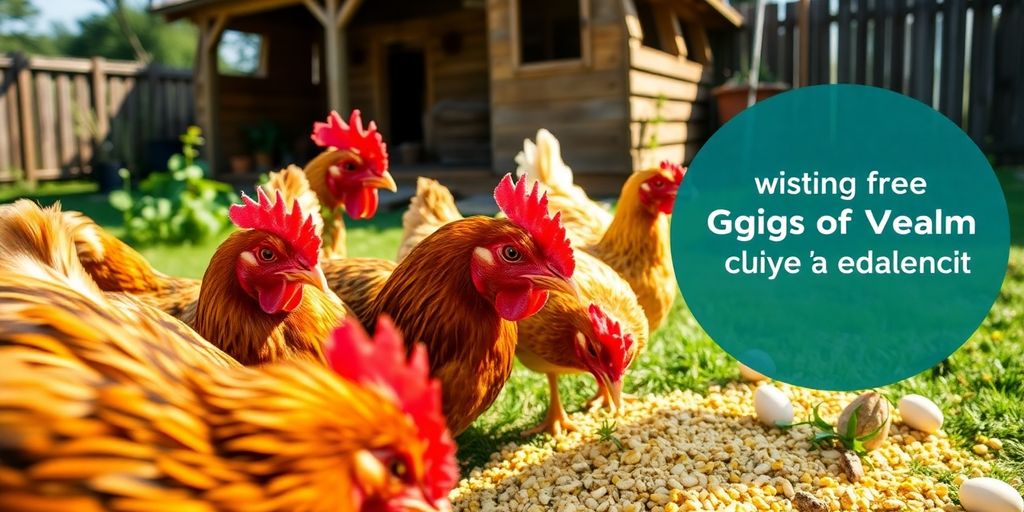
Making sure your egg-laying chickens get the right food is super important for their health and how many eggs they lay. It’s not just about throwing some scraps their way; it’s about understanding what they need at different ages and stages of life. Let’s get into the specifics so you can keep your flock happy and productive.
Nutritional Requirements By Age
Chicks, pullets, and laying hens all have different dietary needs. Chicks need a high-protein diet to grow big and strong, pullets need a balanced diet to prepare for laying, and laying hens need extra calcium to produce strong eggshells. It’s like feeding a baby versus feeding an adult – different stages, different needs.
- Chicks (0-8 weeks): Need a starter feed with 20-22% protein. This helps them grow quickly and develop strong bones.
- Pullets (8-18 weeks): Grower feed with around 15-16% protein is ideal. This prepares them for laying without growing too fast.
- Laying Hens (18+ weeks): Layer feed with 16-18% protein and 3-4% calcium is essential. This supports egg production and strong eggshells.
Choosing the Right Feed
Choosing the right feed can feel overwhelming, but it doesn’t have to be. Look for high-quality, complete feeds that are specifically formulated for each stage of life. Pay attention to the ingredients list and avoid feeds with unnecessary fillers or additives. Premium chicken feeds are a great option.
- Read the Label: Check the protein, calcium, and other nutrient levels to make sure it meets your chickens’ needs.
- Consider Organic Options: Organic feeds are free from synthetic pesticides and fertilizers, which can be better for your chickens’ health.
- Choose the Right Form: Feeds come in different forms, like pellets, crumbles, and mash. Choose the one that your chickens prefer and that minimizes waste.
Supplements For Enhanced Production
While a good quality feed should cover most of your chickens’ nutritional needs, supplements can help boost egg production and overall health. Think of them as the vitamins you take to stay healthy – they can fill in any gaps in your diet.
Supplements aren’t a replacement for a balanced diet, but they can be a great addition. Things like oyster shells for extra calcium, grit for digestion, and treats like mealworms can all contribute to a healthier, more productive flock. Just remember the 90/10 rule: 90% of their diet should be their regular feed, and only 10% should be supplements and treats.
Here’s a quick rundown of some common supplements:
| Supplement | Benefit |
|---|---|
| Oyster Shells | Provides extra calcium for strong eggshells. |
| Grit | Aids digestion, especially for chickens that don’t free-range. |
| Mealworms | High in protein, great as a treat and can help during molting. |
| Fresh Vegetables | Provides vitamins and minerals, adds variety to their diet. |
| Probiotics | Supports gut health, improving nutrient absorption. |
Providing the right nutrition is key to a healthy and productive flock. By understanding the nutritional needs of your chickens at different ages and stages of life, and by choosing the right feeds and supplements, you can ensure that they have everything they need to thrive.
Maintaining A Healthy Flock
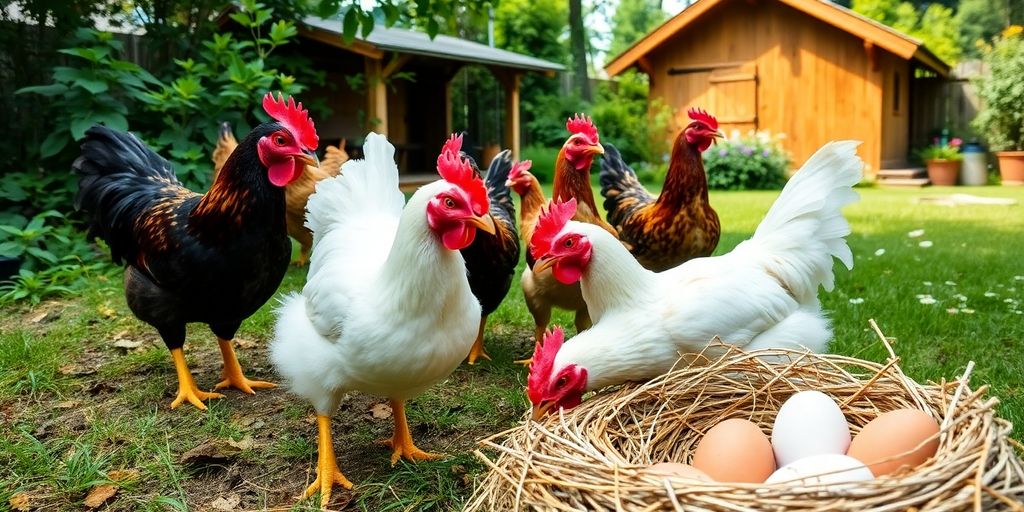
Regular Health Checks
Keeping a close eye on your chickens is super important. It’s not just about collecting eggs; it’s about making sure your birds are happy and healthy. Regularly check your chickens for any signs of illness or injury. Look for things like changes in their behavior, unusual droppings, or problems with their feathers. Early detection is key to preventing bigger problems down the road. Make sure you know what normal looks like for your flock so you can spot anything out of the ordinary quickly.
Common Diseases And Prevention
Chickens, like any other animal, can get sick. Knowing about common diseases and how to prevent them is a big part of responsible chicken keeping. Some common issues include coccidiosis, fowl pox, and respiratory infections. Prevention is always better than cure, so here are a few things you can do:
- Maintain a clean coop: Regularly clean and disinfect the coop to reduce the build-up of harmful bacteria and parasites.
- Provide good ventilation: Proper airflow helps prevent respiratory problems.
- Quarantine new birds: Before introducing new chickens to your flock, keep them separate for a few weeks to make sure they’re not carrying any diseases.
Keeping a clean coop is the first step in preventing diseases. Make sure to remove soiled bedding regularly and disinfect surfaces. Good ventilation is also key to preventing respiratory issues. A dry coop is a happy coop!
Vaccination Guidelines
Vaccinations can play a big role in keeping your flock healthy, especially if you live in an area where certain diseases are common. Talk to your vet or a local poultry expert to figure out what vaccinations are recommended for your area. Vaccinations can help protect against diseases like Marek’s disease and infectious bronchitis. It’s also important to understand the nesting boxes requirements for your chickens. Here’s a basic vaccination schedule to consider:
| Age | Vaccination | Reason |
|---|---|---|
| Day 1 | Marek’s Disease | Prevents Marek’s disease |
| 4-6 Weeks | Coccidiosis | Protects against coccidiosis |
| 12-16 Weeks | Fowl Pox | Prevents fowl pox |
Remember, this is just a general guideline. Always consult with a vet to create a vaccination plan that’s right for your flock. Also, make sure you are providing the right chicken feed for optimal health.
Managing Egg Production
Understanding Laying Cycles
Okay, so your chickens are finally laying. Awesome! But it’s not like they just crank out eggs non-stop forever. They have cycles, just like everything else. Understanding these cycles is key to managing your expectations and your flock. Most hens lay the most eggs during their first year or two. After that, production naturally declines. Also, daylight hours play a huge role. Chickens need a certain amount of light to stimulate egg production, which is why you’ll see fewer eggs in the winter months unless you supplement with artificial light. Molting, when they lose and regrow feathers, also puts a temporary stop to laying. It’s all part of the process.
Factors Affecting Egg Production
Lots of things can impact how many eggs you get. It’s not just about the breed, although that’s a big part of it. Stress is a major factor. If your chickens are being harassed by predators, dealing with extreme weather, or have changes in their environment, their laying can drop. Nutrition is also super important. They need a balanced diet with enough protein and calcium to produce eggs regularly. And don’t forget about water! Dehydration can also cause a decline. Here’s a quick rundown:
- Stress (predators, weather, changes)
- Nutrition (protein, calcium, balanced feed)
- Water (access to fresh, clean water)
- Age (younger hens lay more)
- Light (affects laying frequency)
Keeping a close eye on your flock and addressing any issues promptly can help maintain consistent egg production. It’s all about creating a happy and healthy environment for your hens.
Collecting And Storing Eggs
Collecting eggs seems simple, but there’s a right way to do it. Gather eggs at least once a day, and more often during hot weather to prevent spoilage. Discard any cracked or dirty eggs. To store them, keep them in the refrigerator, pointed end down. This helps keep the yolk centered and extends their shelf life. Don’t wash them unless they’re visibly dirty, as washing removes the protective bloom that prevents bacteria from entering the shell. Properly stored eggs can last for several weeks. If you want to maximize egg production, make sure you collect them regularly.
Providing Enrichment And Space
It’s easy to think chickens just need food, water, and shelter, but they’re way more interesting than that! They need stuff to do, places to explore, and things to keep them from getting bored and picking on each other. Think of it like this: happy chickens lay more eggs, and they’re just generally more fun to have around.
Free Range Versus Confinement
Okay, so the big question: should you let your chickens roam free, or keep them in a coop and run? There are pros and cons to both. Free-ranging lets your chickens forage for bugs and plants, which is great for their health and the flavor of their eggs. However, they’re also more vulnerable to predators and can cause damage to your garden. Confinement keeps them safe, but you need to make sure they have enough space to move around and stay entertained.
Toys And Activities For Chickens
Chickens get bored easily, so it’s important to give them things to do. Here are a few ideas:
- Dust Baths: Chickens need to take dust baths to keep their feathers clean and free of parasites. Provide a designated area with dry dirt or sand. You can even add some wood ash to help with pest control.
- Chicken Swings: Yes, really! Chickens can learn to swing, and it’s a fun way for them to get some exercise and entertainment.
- Treat Dispensers: Hang a cabbage or lettuce head from the roof of the coop, or use a treat ball that they have to peck at to release food. This encourages natural foraging behavior.
- Mirrors: Chickens are curious creatures, and they’ll often spend time looking at their reflection in a mirror. It’s a simple way to add some visual stimulation to their environment.
Providing enrichment isn’t just about preventing boredom; it’s about promoting natural behaviors and reducing stress. A happy, stimulated chicken is a healthy chicken, and a healthy chicken is a productive layer.
Bedding And Nesting Options
The right bedding can make a big difference in the comfort and cleanliness of your coop. Good bedding absorbs moisture, controls odor, and provides a comfortable place for your chickens to sleep and lay eggs. Some popular options include:
- Straw: A classic choice, straw is inexpensive and readily available. However, it doesn’t absorb moisture as well as some other options and can become moldy if it gets too wet.
- Wood Shavings: Wood shavings are more absorbent than straw and provide good insulation. Just make sure to use pine shavings, as cedar shavings can be harmful to chickens.
- Hemp Bedding: Hemp bedding is a newer option that’s becoming increasingly popular. It’s highly absorbent, controls odor well, and is compostable. It can be a bit more expensive than straw or wood shavings, but many chicken keepers find it to be worth the investment.
For nesting boxes, make sure they’re in a quiet, dark area of the coop. Line them with soft bedding, such as straw or wood shavings, to make them inviting for your hens. You can even add some dried herbs, like lavender or chamomile, to help keep the nesting boxes clean and fresh. Consider adding scratch feed to their diet to enhance their foraging experience.
Handling And Caring For Chicks
Brooding Essentials
Okay, so you’ve got chicks! Now what? The first few weeks are super important for their development. You’ll need a brooder – basically, a safe, warm space for them to live. Think of it as their nursery. You can buy one, or make one yourself. A big cardboard box works in a pinch, but make sure it’s secure. They grow fast and can fly out sooner than you think!
Here’s a quick checklist:
- Heat Source: A heat lamp or a heating plate is a must. Heating plates are safer, less fire-prone, and mimic a mother hen better.
- Bedding: Pine shavings are popular, but sand or even puppy pads (though messy) can work. Just make sure it’s easy to clean and compostable. compost pile is a great way to dispose of the waste.
- Food and Water: Small chick feeders and waterers are best to prevent messes and drowning.
- Space: Give them enough room to move around. Overcrowding leads to stress and health problems.
Keep the brooder clean! Dirty brooders breed disease. Change the bedding regularly and make sure their food and water are always fresh.
Transitioning To Layer Feed
Chicks need special food called
Wrapping It Up
Raising chickens for eggs can be a rewarding experience. With the right setup, proper feeding, and a little patience, you’ll have a flock that keeps you stocked with fresh eggs. Remember to keep their living space safe and clean, and always provide fresh water and quality feed. Don’t forget to enjoy the quirky personalities of your chickens—they can be quite entertaining! Whether you’re a newbie or have some experience, there’s always something new to learn about chicken care. Happy chicken keeping!
Frequently Asked Questions
What types of chickens are best for laying eggs?
The best chickens for laying eggs are those specifically bred for egg production, known as layers. They are smaller, eat less, and lay more eggs than dual-purpose breeds.
How do I keep my chickens safe at night?
You should always lock your chickens in their coop at night to protect them from predators. Make sure the coop has proper perches for them to roost comfortably.
What should I feed my egg-laying hens?
Egg-laying hens need a special layer feed that is high in calcium and protein. This helps them produce strong eggs and stay healthy.
How can I tell if my chickens are healthy?
Regular health checks are important. Look for signs like bright eyes, clean feathers, and active behavior. If they seem lethargic or have any unusual symptoms, consult a vet.
What can affect how many eggs my hens lay?
Factors like age, breed, diet, and environment can all affect egg production. Stress from changes in their environment or poor nutrition can reduce the number of eggs they lay.
Do chickens need toys or activities?
Yes, chickens benefit from enrichment activities like toys or space to roam. This keeps them active and happy, which can also help with egg production.