“This post contains affiliate links. As an Amazon Associate, I earn from qualifying purchases”
Thinking about raising chickens? It can be a fun and rewarding experience! Whether you’re looking to collect fresh eggs or just want some feathery friends in your backyard, knowing how to properly raise chickens is key. This guide will walk you through everything from setting up your space to caring for your flock. Let’s get started!
Key Takeaways
- Pick a good spot for your coop that follows local rules.
- Get the right supplies before your chickens arrive.
- Choose breeds that fit your needs, whether for eggs or companionship.
- Keep an eye on your chickens’ health and cleanliness.
- Learn about chicken behavior to keep them happy.
Preparing Your Space for Chickens
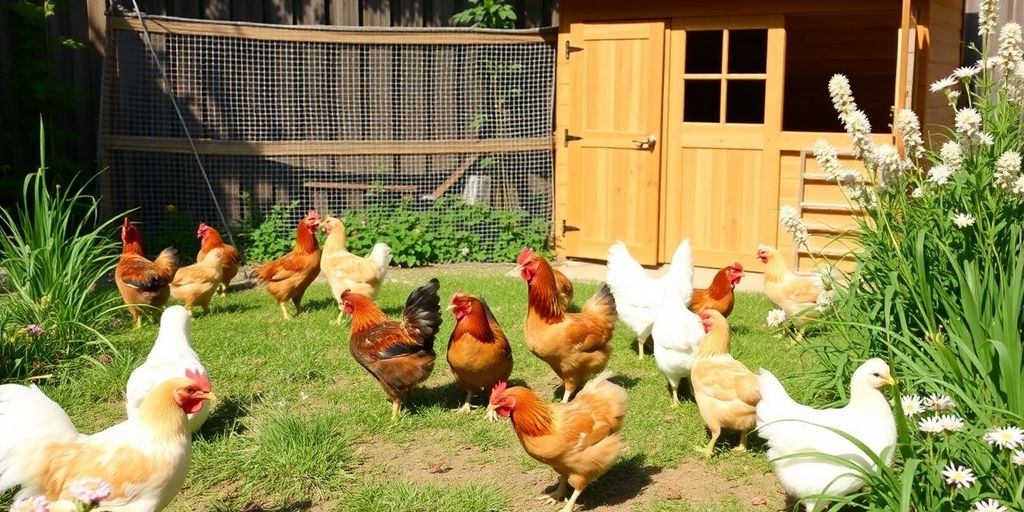
Before you even think about bringing those fluffy little chicks home, you’ve got to get your space prepped and ready. It’s more than just throwing up a coop; it’s about creating a safe, comfortable, and legal environment for your new feathered friends. Trust me, a little planning goes a long way in preventing headaches down the road.
Choosing the Right Location
Location, location, location! It’s not just for real estate; it’s crucial for chickens too. You’ll want a spot that’s relatively flat, well-drained, and offers some protection from the elements. Think about sunlight – chickens need some, but too much can overheat them in the summer. Also, consider proximity to your house and your neighbors. You don’t want the coop right outside your bedroom window, and your neighbors might not appreciate the early morning wake-up calls. A good rule of thumb is to aim for a spot that’s convenient for you but also minimizes any potential disturbances.
- Accessibility: Easy access for feeding, cleaning, and egg collecting.
- Drainage: Prevents muddy conditions and reduces the risk of disease.
- Sunlight: A mix of sun and shade throughout the day.
Consider the prevailing winds in your area. Positioning the coop so that it’s sheltered from strong winds can help keep your chickens warm in the winter. Also, think about the view from your kitchen window – you’ll be looking at that coop for a while, so make sure it’s aesthetically pleasing!
Understanding Local Regulations
This is the not-so-fun but absolutely necessary part. Before you build anything, check your local ordinances regarding chicken coop setbacks, the number of chickens allowed, and any restrictions on roosters. Some areas have strict rules about coop size, distance from property lines, and even waste disposal. Ignoring these regulations can lead to fines, legal battles, and having to re-home your beloved birds. Do your homework and make sure you’re in compliance before you start building. It’s always better to be safe than sorry.
Designing a Comfortable Coop
The coop is your chickens’ home, so make it a good one! The design should prioritize safety, comfort, and functionality. Think about space – each chicken needs at least 4 square feet of coop space and 8-10 square feet of run space. The coop should be predator-proof, with sturdy walls, a secure roof, and wire mesh covering any openings. Ventilation is also key to prevent moisture buildup and ammonia odors. Nesting boxes should be provided for egg laying, and roosting bars for sleeping. Don’t forget about easy access for cleaning – a removable floor or a large door can make a huge difference. You can even find backyard chicken coop designs online to inspire you.
Here’s a basic guideline for coop size:
| Number of Chickens | Coop Size (Square Feet) | Run Size (Square Feet) |
|---|---|---|
| 4 | 16 | 32-40 |
| 6 | 24 | 48-60 |
| 8 | 32 | 64-80 |
- Predator-Proofing: Secure walls, roof, and wire mesh.
- Ventilation: Adequate airflow to prevent moisture and odors.
- Nesting Boxes: One box for every 3-4 hens.
Essential Supplies for Raising Chickens
Raising chickens requires more than just a coop and some feed. To ensure your flock thrives, you’ll need to gather some key supplies. Let’s break down the essentials.
Feeding and Watering Equipment
Providing fresh food and water is non-negotiable for healthy chickens. You’ll need appropriate feeders and waterers, and there are a few options to consider.
- Traditional Feeders: These are simple and inexpensive, but chickens can easily scratch feed out, leading to waste. Look for ones with lips or dividers to minimize spillage.
- Hanging Feeders: These keep the feed off the ground, reducing the risk of contamination and waste. They’re also great for preventing rodents from helping themselves to your chicken’s dinner.
- Nipple Waterers: These provide a clean and constant water supply. Chickens peck at the nipples to release water, which minimizes spillage and contamination. They might require some training for chicks to learn how to use them.
- Water Troughs: Easy to fill and clean, but can get dirty quickly. Change the water daily to prevent bacteria growth.
Choosing the right feeder and waterer depends on your flock size, coop setup, and personal preferences. Consider how easy they are to clean and refill, and how well they prevent waste and contamination.
Bedding and Nesting Boxes
Comfortable bedding is important for your chickens’ well-being and for keeping the coop clean. Nesting boxes provide a safe and private space for hens to lay eggs.
- Pine Shavings: A popular and affordable choice. They absorb moisture well and are easy to clean. Avoid cedar shavings, as they can be harmful to chickens.
- Straw: Another good option, especially for nesting boxes. It provides insulation and comfort. However, it doesn’t absorb moisture as well as pine shavings.
- Hay: Similar to straw, but can be more prone to mold if it gets wet. Make sure to keep it dry and clean.
For nesting boxes:
- Provide one nesting box for every three to four hens.
- Line the boxes with straw or hay to create a comfortable and inviting space.
- Place the boxes in a dark and quiet area of the coop to encourage egg laying.
Heat Sources for Chicks
Chicks need a supplemental heat source for the first few weeks of their lives, as they can’t regulate their body temperature. Here are some common options:
- Heat Lamps: A traditional choice, but they can be a fire hazard if not used properly. Use a red bulb to reduce pecking and aggression among chicks. Make sure to secure the lamp properly and monitor the temperature closely. A wooden chicken coop is a great place to start.
- Brooder Plates: These provide radiant heat and are safer than heat lamps. Chicks can snuggle up to the plate to stay warm. They’re also more energy-efficient.
- Infrared Bulbs: These provide heat without emitting light, which can help chicks sleep better. They’re also more energy-efficient than traditional heat lamps.
Here’s a simple table to compare the options:
| Heat Source | Pros | Cons |
|---|---|---|
| Heat Lamps | Inexpensive, readily available | Fire hazard, can be too hot, chicks can get burned |
| Brooder Plates | Safer, energy-efficient, provides radiant heat | More expensive than heat lamps |
| Infrared Bulbs | Energy-efficient, no light emission, promotes better sleep | Can be more expensive than heat lamps, may not provide enough heat |
Remember to monitor the chicks’ behavior to ensure they’re comfortable. If they’re huddled together under the heat source, they’re too cold. If they’re spread out and panting, they’re too hot. Adjust the height or temperature of the heat source accordingly. You can plan the size of your brood accordingly.
Selecting the Right Chicken Breeds
Choosing the right chicken breeds is a big deal. It’s not just about picking the prettiest bird; it’s about finding breeds that fit your lifestyle, climate, and goals. Do you want lots of eggs? Are you looking for friendly chickens that are good with kids? Or are you interested in preserving heritage breeds? All these questions will help you narrow down your options.
Popular Backyard Breeds
There are tons of chicken breeds out there, but some are more popular for backyard flocks than others. Here are a few favorites:
- Rhode Island Reds: These are known for being reliable egg layers. They’re also pretty hardy and can handle different climates.
- Plymouth Rocks: Another good choice for egg production, Plymouth Rocks are also known for their docile temperament. They come in different colors, including the popular Barred Rock.
- Orpingtons: If you want a friendly, fluffy chicken, Orpingtons are a great option. They’re not the best egg layers, but they’re known for being broody, meaning they’re more likely to sit on eggs and hatch chicks.
- Leghorns: If you want lots of eggs, Leghorns are your bird. They’re prolific layers, but they can be a bit flighty and aren’t always the friendliest.
- Wyandottes: These are dual-purpose birds, meaning they’re good for both meat and eggs. They’re also cold-hardy, making them a good choice for colder climates. In Texas, breeds like Leghorns, Plymouth Rocks, Wyandottes, and Orpingtons thrive.
Considerations for Egg Production
If your main goal is to get lots of eggs, you’ll want to pay attention to a breed’s egg-laying ability. Some breeds are known for laying more eggs than others. Also, consider the size and color of the eggs. Some people prefer brown eggs, while others like blue or green eggs. Here’s a quick look at some breeds and their egg-laying potential:
| Breed | Egg Color | Avg. Eggs/Year | Notes |
|---|---|---|---|
| Leghorn | White | 280-320 | Prolific layers, can be flighty |
| Rhode Island Red | Brown | 250-300 | Reliable layers, hardy |
| Plymouth Rock | Brown | 200-280 | Docile, good for beginners |
| Orpington | Brown | 150-220 | Friendly, broody |
| Wyandotte | Brown | 200-240 | Cold-hardy, dual-purpose |
Temperament and Care Needs
Temperament is another important factor to consider. If you have kids or other pets, you’ll want to choose a breed that’s known for being friendly and docile. Some breeds are more independent and don’t like to be handled, while others are happy to be petted and cuddled. Also, think about the care needs of different breeds. Some breeds are more prone to certain health problems than others. Some breeds also require more space than others. For example, the best chicken breed for you might depend on your climate and limitations.
It’s also worth thinking about whether you want a sustainable flock. This means having a rooster and hatching out chicks each year. If you’re not planning on hatching chicks, you can choose hybrid breeds, which often lay more eggs but may not be as broody. Heritage breed birds are great for preserving history.
Caring for Your Chickens
Alright, so you’ve got your chickens, the coop is set up, and you’re ready to go. Now comes the part where you actually, you know, care for them. It’s not rocket science, but it does take some dedication. Think of them as feathered, egg-laying dogs that need less walking.
Daily Feeding Routines
Feeding time! This is probably the easiest part. Just make sure they have constant access to food and water. I usually fill their feeders in the morning and check again in the evening. You’ll quickly figure out how much they eat and adjust accordingly.
- Use a good chicken feeder to avoid waste.
- Keep the feeder clean to prevent mold.
- Provide fresh, clean water daily.
I like to supplement their feed with kitchen scraps sometimes – things like vegetable peels, leftover rice, or even stale bread. They go crazy for it! Just be careful not to give them anything that’s bad for chickens, like avocado or chocolate.
Health Monitoring and Veterinary Care
Chickens are generally pretty hardy, but they can get sick. Keep an eye out for anything unusual. Are they acting lethargic? Are their feathers ruffled? Are they eating less? These could be signs of a problem.
- Check for external parasites like mites or lice.
- Monitor their droppings for any abnormalities.
- Isolate any sick chickens from the rest of the flock.
If you suspect something is seriously wrong, don’t hesitate to call a vet. Yes, even for chickens! There are vets who specialize in poultry, and they can help you diagnose and treat any issues.
Maintaining Clean Living Conditions
Cleanliness is key to keeping your chickens healthy and happy. A dirty coop can lead to all sorts of problems, from respiratory issues to parasite infestations.
- Clean the coop regularly – at least once a week.
- Replace the bedding with fresh straw or shavings.
- Remove any droppings or spilled food.
I also like to give the coop a deep clean a couple of times a year, scrubbing it down with a disinfectant. It’s a bit of work, but it’s worth it to keep the chickens healthy and the coop smelling (relatively) fresh. Keeping the coop and run clean is essential for their well-being.
Understanding Chicken Behavior
It’s not enough to just feed and house chickens; understanding their behavior is key to ensuring their well-being and maximizing egg production. Chickens are social creatures with complex interactions, and observing their actions can tell you a lot about their health and happiness. Plus, it’s just plain interesting to watch them!
Social Structure and Pecking Order
Chickens establish a social hierarchy known as the “pecking order.” This order determines access to resources like food and nesting spots. You’ll often see dominant hens pecking at subordinate ones to assert their authority. Introducing new chickens to an existing flock can disrupt this order, leading to increased aggression until a new balance is established. It’s important to monitor these interactions, especially when integrating new birds, to prevent serious injuries. A stable pecking order generally means a happier, more productive flock.
Signs of Stress or Illness
Chickens are pretty good at hiding when they don’t feel well, so you need to be observant. Changes in behavior can be early indicators of stress or illness. Here are some things to watch out for:
- Decreased egg production
- Changes in appetite (eating less or not at all)
- Lethargy or inactivity
- Feather plucking or excessive preening
- Respiratory issues (coughing, sneezing)
- Changes in droppings (unusual color or consistency)
Early detection is key to addressing health problems before they become severe. Regular health checks and a keen eye for behavioral changes can make a big difference.
Enrichment Activities for Chickens
Just like any animal, chickens need mental stimulation to prevent boredom and destructive behaviors. Providing enrichment activities can improve their quality of life and reduce stress. Here are some ideas:
- Dust Baths: Chickens love to take dust baths to keep their feathers clean and free of parasites. Provide a designated area with dry dirt or sand. They will enjoy cleaning your coop and run.
- Foraging Opportunities: Scatter feed in the coop or run to encourage natural foraging behaviors. You can also hang a cabbage or lettuce head for them to peck at.
- Perches: Chickens enjoy roosting on perches, especially at night. Provide a variety of perch heights and materials.
- Toys: Yes, chickens can play with toys! Try hanging a shiny object or providing a chicken-safe ball for them to peck at. Consider chicken coop stories from other owners.
By understanding and catering to the behavioral needs of your chickens, you can create a happy, healthy, and productive flock.
Collecting Eggs and Managing Production
Best Practices for Egg Collection
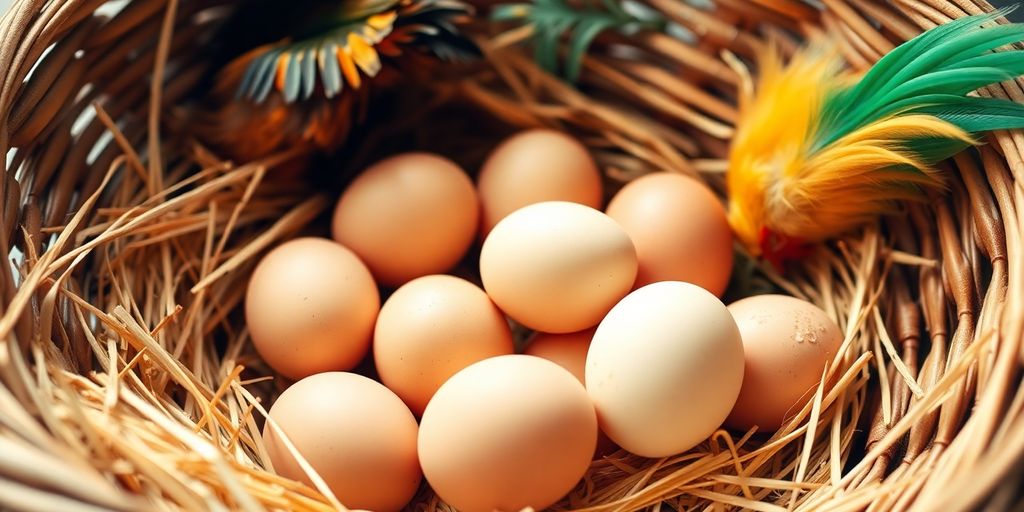
Okay, so you’ve got chickens, and they’re laying eggs. Awesome! But don’t just leave them in the coop all day. You need to collect them regularly. I usually aim for at least once a day, but twice is better, especially during hot weather. This helps keep the eggs clean and reduces the chance of them getting broken or eaten by the chickens themselves. Plus, fresher eggs just taste better. When you collect hatching eggs, handle them gently to avoid cracks. I use a basket lined with soft cloth to prevent damage.
Storing and Handling Eggs
Once you’ve gathered your eggs, proper storage is key. Don’t wash them right away! Washing removes the protective coating (the bloom) that keeps bacteria out. Instead, store them in the fridge, unwashed, in their carton. They’ll last much longer that way – usually several weeks. When you’re ready to use them, then give them a wash. Also, always check for cracks or damage before using. Nobody wants a shell in their scrambled eggs!
Understanding Egg Laying Cycles
Chickens aren’t egg-laying machines; they have cycles. Most hens lay best during their first year or two. After that, production naturally declines. Also, daylight hours play a big role. Chickens need about 14-16 hours of light a day to lay consistently. That’s why egg production often slows down in the winter. Some people use artificial light in the coop to keep their hens laying through the darker months, but I prefer to give my girls a break. It’s natural, and they deserve it. Remember that healthy food is important for egg production.
It’s important to keep track of your hens’ laying habits. Note any changes in egg size, shell quality, or frequency. This can be an early indicator of health problems or nutritional deficiencies. Addressing these issues promptly can help maintain egg production and the overall well-being of your flock.
Here’s a simple table to give you an idea of what to expect:
| Factor | Impact on Egg Production |
|---|---|
| Age of Hen | Decreases after 2 years |
| Daylight Hours | Less in winter |
| Nutrition | Poor diet = fewer eggs |
| Breed | Some lay more than others |
| Stress | Reduces egg laying |
Here are some things to keep in mind:
- Breed Matters: Some breeds are just better layers than others. Do your research before you get your chicks.
- Nutrition is Key: Make sure your chickens are getting a high-quality feed with enough protein and calcium.
- Stress-Free Zone: Keep the coop clean, safe, and free from predators. Stressed chickens don’t lay well.
Dealing with Common Challenges
Okay, so you’re raising chickens. It’s not always sunshine and eggs, right? Things come up. Predators, smells, sick chickens – it’s all part of the deal. Let’s talk about how to handle some of the more common problems you might face.
Predator Protection Strategies
Predators are a real concern, whether you’re in the country or even a suburban area. Foxes, raccoons, hawks, even neighborhood dogs can pose a threat. A secure coop and run are your first line of defense.
Here are some things you can do:
- Bury hardware cloth around the perimeter of the run to prevent digging.
- Use a coop with a solid roof and secure latches that predators can’t open.
- Consider a motion-activated light or sprinkler to deter nocturnal visitors.
- If you have a persistent predator problem, a livestock guardian dog might be a good investment.
I remember one time, a raccoon kept trying to get into my coop. It was relentless! I ended up reinforcing the latches with carabiners, and that finally did the trick. It’s all about being proactive and thinking like a predator.
Managing Waste and Odor
Chicken poop happens. And it can smell. A lot. But there are ways to manage it. Proper ventilation in the coop is key. Also, regular cleaning is a must.
Here’s a simple breakdown:
- Daily: Remove any wet or soiled bedding from under the roosts.
- Weekly: Clean out the entire coop, replacing all the bedding.
- Monthly: Deep clean the coop with a coop cleaner, letting it dry completely before adding new bedding.
Composting chicken manure is a great way to turn waste into a garden fertilizer. Just make sure to compost it properly to kill any harmful bacteria.
Addressing Health Issues
Chickens can get sick, just like any other animal. Knowing the signs of illness is important. Look for things like:
- Lethargy
- Loss of appetite
- Changes in droppings
- Respiratory problems (coughing, sneezing)
- Feather loss or skin problems
If you suspect a chicken is sick, isolate it from the rest of the flock to prevent the spread of disease. Consult with a poultry veterinarian for diagnosis and treatment. Prevention is also key. Provide a clean living environment, good nutrition, and consider vaccinating against common diseases.
Wrapping It Up
So, there you have it! Raising chickens isn’t just about getting fresh eggs; it’s a whole experience. You’ve learned the basics, from picking the right breed to setting up a cozy coop. Remember, it might feel a bit overwhelming at first, but take it one step at a time. Don’t hesitate to reach out to fellow chicken keepers or local experts if you hit a snag. They can be a great resource. And most importantly, enjoy the process! Watching your flock grow and thrive can be incredibly rewarding. Happy chicken raising!
Frequently Asked Questions
What do I need to prepare before getting chickens?
Before bringing chickens home, you need to set up a safe space for them. This includes building or buying a coop, preparing a run, and gathering supplies like food and water containers.
How much space do chickens need?
Chickens need enough room to roam and be comfortable. A good rule is to have at least 4 square feet per chicken inside the coop and 10 square feet per chicken in the run.
What should I feed my chickens?
Chickens eat a mix of grains, seeds, and special chicken feed. You can also give them kitchen scraps like vegetables and fruits, but avoid giving them anything toxic like chocolate or onions.
How can I tell if my chickens are healthy?
Healthy chickens are active, have bright eyes, and eat well. Look for signs like a clean vent area, smooth feathers, and no signs of limping or unusual behavior.
How often do chickens lay eggs?
Most hens lay eggs about once a day, but this can vary based on the breed, age, and time of year. Some may lay fewer eggs in winter.
What should I do if my chickens get sick?
If you notice that a chicken is acting strangely or has symptoms like not eating, coughing, or having a runny nose, it’s best to consult a vet who specializes in birds.