“This post contains affiliate links. As an Amazon Associate, I earn from qualifying purchases”
Raising chickens can be a rewarding experience, whether you’re after fresh eggs or just want some feathered friends in your backyard. But if you’re new to this, it can feel a bit overwhelming. Fear not! This guide will walk you through the basics of how to learn to raise chickens successfully, covering everything from choosing the right breeds to setting up a cozy coop and caring for your flock.
Key Takeaways
- Start by understanding different chicken breeds to find the best fit for your lifestyle.
- Build a safe and comfortable coop that meets your chickens’ needs and keeps them secure.
- Prepare adequately for the arrival of your chicks, including setting up a proper brooder.
- Focus on providing balanced nutrition and clean water to keep your chickens healthy and productive.
- Engage with local and online communities to share tips and learn from other chicken keepers.
Understanding Chicken Breeds
Choosing the right chicken breed is a big first step when you’re starting out. It’s not just about which ones look the prettiest; it’s about finding breeds that fit your lifestyle, climate, and goals. Some chickens are great egg layers, while others are better suited for meat production, and some are just friendly backyard pets. Let’s explore some popular options and how to pick the best ones for you.
Popular Chicken Breeds for Beginners
Okay, so you’re new to this whole chicken thing? There are a few breeds that are known for being pretty easy to handle. These breeds are generally docile, good egg layers, and can adapt to different climates. Here are a few to consider:
- Orpingtons: These are big, fluffy birds with a super friendly personality. They lay a decent amount of eggs and are cold-hardy, which is great if you live somewhere with harsh winters. I have a lavender Orpington named Oprah, and she’s the sweetest chicken ever.
- Golden Comets: These are egg-laying machines! They’re known for producing a lot of eggs, making them a popular choice for beginners who want a steady supply. They are also pretty docile.
- Easter Eggers: If you want some color in your egg basket, Easter Eggers are the way to go. They lay eggs in shades of blue, green, and pink. Plus, they’re curious and cold-hardy.
Choosing the Right Breed for Your Needs
So, how do you actually pick the right breed? Think about what you want from your chickens. Are you mainly interested in eggs? Do you want them for meat? Or are you just looking for some fun backyard pets? Here are some things to consider:
- Egg Production: Some breeds lay way more eggs than others. If you want a lot of eggs, look for breeds like Golden Comets or Leghorns. Keep in mind that egg production slows down in the winter and as the chickens get older.
- Climate: Some breeds are better suited for cold climates, while others do better in hot weather. If you live somewhere with cold winters, look for cold-hardy breeds like Orpingtons or Wyandottes.
- Temperament: Some breeds are more docile and friendly than others. If you want chickens that are easy to handle, look for breeds like Orpingtons or Cochins.
When I’m picking out chicken breeds, I always go for the bigger ones because we have a lot of hawks around here. I also want good egg layers that are easy to handle and can handle the cold. It’s all about finding what works best for your situation.
Understanding Breed Characteristics
Each chicken breed has its own unique characteristics. Some are known for being broody (meaning they like to sit on eggs and hatch chicks), while others are known for being good foragers. Understanding these characteristics can help you choose the right breed for your needs. Here’s a quick rundown of some common traits:
- Broodiness: Some breeds, like Silkies, are known for being very broody. If you want to hatch your own chicks, a broody breed might be a good choice.
- Foraging Ability: Some breeds are better at finding their own food than others. If you want chickens that can supplement their diet by foraging, look for breeds like Leghorns or Rhode Island Reds.
- Size: Chicken size can vary a lot. Larger breeds, like Brahmas, are good for meat production, while smaller breeds, like Bantams, are good for small backyards.
Choosing the right chicken breeds for beginners can feel overwhelming, but with a little research, you can find the perfect chickens for your backyard. Take your time, consider your needs, and enjoy the process!
Setting Up Your Chicken Coop
Designing a Safe and Comfortable Coop
Okay, so you’re getting chickens! Awesome. First things first: they need a place to live. And not just any place, but a safe and comfy coop. Think of it as their fortress against the world. A well-designed coop protects your chickens from predators, harsh weather, and even themselves.
- Consider the size of your flock. More chickens means more space needed.
- Elevate the coop slightly off the ground to prevent moisture buildup and deter rodents.
- Ensure proper ventilation to avoid ammonia buildup from droppings.
A good coop is more than just four walls and a roof. It’s an investment in the health and happiness of your flock. Take the time to plan it out carefully, and you’ll be rewarded with healthy, productive chickens for years to come.
Essential Features of a Chicken Coop
Alright, let’s talk must-haves. A chicken coop isn’t just a box; it’s got to have certain features to keep your birds happy and laying. We’re talking about the essentials that make a coop a home. You’ll need wooden chicken coop that has:
- Roosting bars: Chickens need a place to sleep off the ground. Provide enough space for all your chickens to roost comfortably.
- Nesting boxes: These are where the magic happens – egg laying! One nesting box for every three to four hens is usually sufficient.
- Secure run: An enclosed outdoor area where chickens can roam safely during the day. Make sure it’s predator-proof!
- Easy access for cleaning: You’ll be cleaning the coop regularly, so make it easy on yourself.
Maintaining Cleanliness in the Coop
Cleaning? Yeah, it’s not the most glamorous part of chicken keeping, but it’s super important. A clean coop means healthy chickens, fewer diseases, and fresher eggs. Trust me, your chickens will thank you. Here’s the deal:
- Regular cleaning: Remove soiled bedding at least once a week. More often if needed.
- Deep cleaning: A few times a year, do a thorough cleaning of the entire coop. Scrub everything down with a safe disinfectant.
- Fresh bedding: Use clean, dry bedding materials like straw, wood shavings, or shredded paper. Avoid cedar shavings, as they can be harmful to chickens.
| Task | Frequency | Importance |
|---|---|---|
| Spot Cleaning | Daily | High |
| Bedding Change | Weekly | High |
| Deep Clean | Quarterly | High |
| Check for Pests | Monthly | Medium |
Don’t forget to keep the three chickens water clean too! Dirty water can spread diseases quickly. Change it daily and scrub the waterer regularly. A little effort goes a long way in keeping your flock healthy and happy.
Preparing for Chick Arrival
Creating a Brooder for New Chicks
When the chicks first get here, they need a warm, tucked-in spot to feel safe. I remember my first batch—feeling a bit frantic—but once you’ve got the basics, it all comes together.
- Pick a box or tub tall enough so they can’t hop out.
- A heater, bedding, food, and water are the four basics your new chicks can’t live without.
- Use a red or white heat lamp clamped on one side.
- Spread a 2-inch layer of absorbent bedding (pine shavings work great).
- Place a shallow waterer and feeder just outside the hottest zone.
- Clean any wet spots daily to cut down on bacteria.
Once they’re fully feathered at around six weeks, you can think about moving them into the coop and a covered run.
Essential Supplies for New Chicks
Before the peepers arrive, round up these items:
| Supply | Quantity/Notes |
|---|---|
| Heat lamp | One lamp per 8–10 chicks |
| Feeder | Small chick feeder, 1 per flock |
| Waterer | Shallow, tip-proof style |
| Bedding | 2–3 inches of pine shavings |
| Starter feed | At least 5 pounds for the first 4 weeks |
| Grit | Offer after week 2 if feeding treats |
Temperature and Care for Chicks
Keeping a steady temp is job number one. If they huddle, it’s too cold; if they scatter to the edges, it’s too hot.
| Age (Weeks) | Brooder Temp (°F) |
|---|---|
| 0–1 | 95 |
| 2 | 90 |
| 3 | 85 |
| 4 | 80 |
| 5 | 75 |
- Check the lamp height every day to keep temps steady.
- Swap out soiled bedding at least twice a week.
- Refill water with fresh, clean water each morning.
- Offer feed in small amounts several times a day to avoid waste.
A simple, no-fuss routine helps chicks stay calm and grow strong. Overthinking it only makes you sweat more—trust the basics and adjust as you go.
Feeding and Nutrition Basics
Choosing the Right Feed for Your Chickens
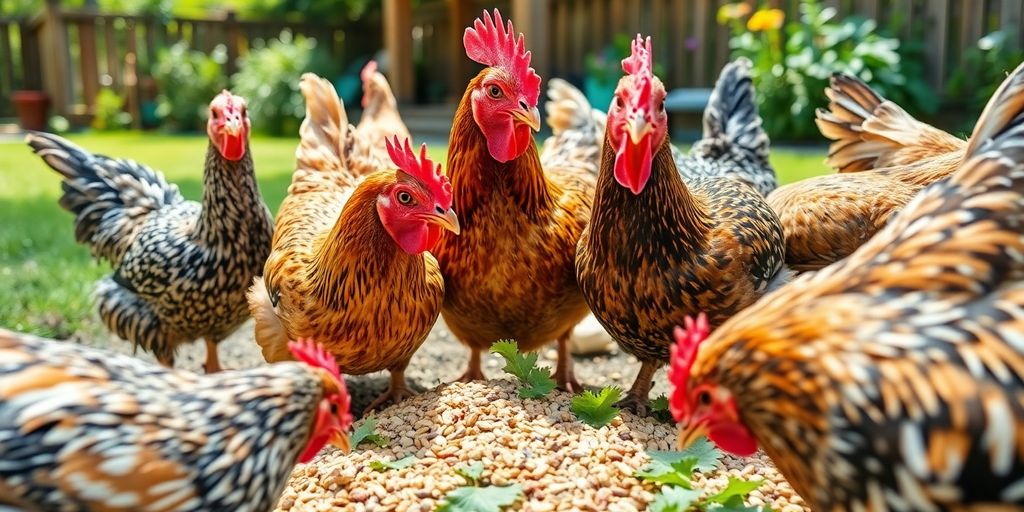
Selecting the correct feed is super important for your chickens’ health and egg production. Different stages of life require different nutrient balances. Starter feed is for chicks, grower feed is for pullets (young hens), and layer feed is for laying hens. Make sure you’re buying the right one! I usually get mine from the local farm supply store, but there are tons of options online too. Don’t just grab the cheapest bag; read the labels and understand what your chickens need.
Understanding Chicken Dietary Needs
Chickens aren’t just eating machines; they have specific dietary needs. They need protein for growth and egg production, carbohydrates for energy, and calcium for strong eggshells. Vitamins and minerals are also important for overall health. A good quality feed will cover most of these needs, but it’s good to know what they are. For example, laying hens need a higher percentage of calcium than chicks do. You can also supplement their diet with things like oyster shells to boost calcium levels, especially during peak laying season.
Supplementing with Treats and Scraps
Giving your chickens treats and scraps can be fun, but it’s important to do it in moderation. Too many treats can throw off their nutritional balance. Think of treats as just that – treats, not a main course. Good options include vegetable scraps, fruits, and grains. Avoid giving them anything salty, sugary, or processed. Also, be careful about what you’re feeding them in terms of potentially toxic foods. For example, avocado pits and skins are a no-go. Always research before you toss something into the chicken run.
I like to give my chickens leftover salad greens and watermelon rinds in the summer. They go crazy for it! It’s a great way to reduce food waste and give them a little something extra. Just remember to keep it balanced and don’t overdo it.
Health and Wellness Management
Okay, so keeping your chickens healthy is super important. It’s not just about getting eggs; it’s about making sure your birds have a good life. Here’s what I’ve learned about keeping my flock in tip-top shape.
Common Chicken Diseases and Prevention
Chickens, like any animal, can get sick. Some common issues include coccidiosis, fowl pox, and respiratory infections. Prevention is way easier than treatment, trust me.
Here’s what I do:
- Keep the coop clean: Seriously, a clean coop is a happy coop. I scoop out the old bedding regularly and replace it with fresh stuff. This helps prevent the buildup of nasty bacteria and parasites.
- Provide clean water: Dirty water is a breeding ground for all sorts of bad stuff. I change the water daily and scrub the waterer every few days.
- Quarantine new birds: If you’re adding new chickens to your flock, keep them separate for a few weeks to make sure they’re not carrying anything. It’s like a chicken version of social distancing.
Prevention is key. A little effort goes a long way in keeping your chickens healthy and happy. Regular cleaning, proper nutrition, and vigilant observation can help you avoid many common chicken diseases.
Vaccination and Health Checks
Vaccinations can protect your chickens from some of the more serious diseases. I usually talk to my local vet about what vaccinations are recommended in my area. It’s also a good idea to do regular health checks. I look for things like:
- Lethargy: Are they moving around and acting normal, or are they just standing around looking sad?
- Changes in appetite: Are they eating and drinking normally?
- Discharge from eyes or nose: This can be a sign of a respiratory infection.
- Abnormal droppings: Nobody likes talking about poop, but it can tell you a lot about a chicken’s health. Look for changes in color or consistency.
If you notice anything unusual, it’s always best to consult with a vet who knows about poultry. They can help you figure out what’s going on and recommend the best course of action. Don’t be afraid to ask for help! It’s better to be safe than sorry when it comes to your chickens’ health. Consider a poultry vet visit if you notice anything out of the ordinary.
Signs of a Healthy Chicken
Knowing what a healthy chicken looks like can help you spot problems early. Here are some signs of a happy, healthy bird:
- Bright eyes: Their eyes should be clear and alert, not dull or watery.
- Clean feathers: Their feathers should be clean, smooth, and well-groomed. A healthy chicken will preen regularly to keep its feathers in good condition.
- Active behavior: Healthy chickens are usually active and curious. They should be scratching, pecking, and exploring their surroundings.
- Good appetite: A healthy chicken will have a good appetite and will eat and drink regularly. Make sure they have access to quality chicken feed at all times.
- Regular egg laying: If you have laying hens, they should be laying eggs regularly. A sudden drop in egg production can be a sign of illness or stress.
If your chickens are showing these signs, chances are they’re doing just fine. Keep up the good work, and enjoy your healthy, happy flock!
Egg Production and Care
Understanding the Egg Laying Process
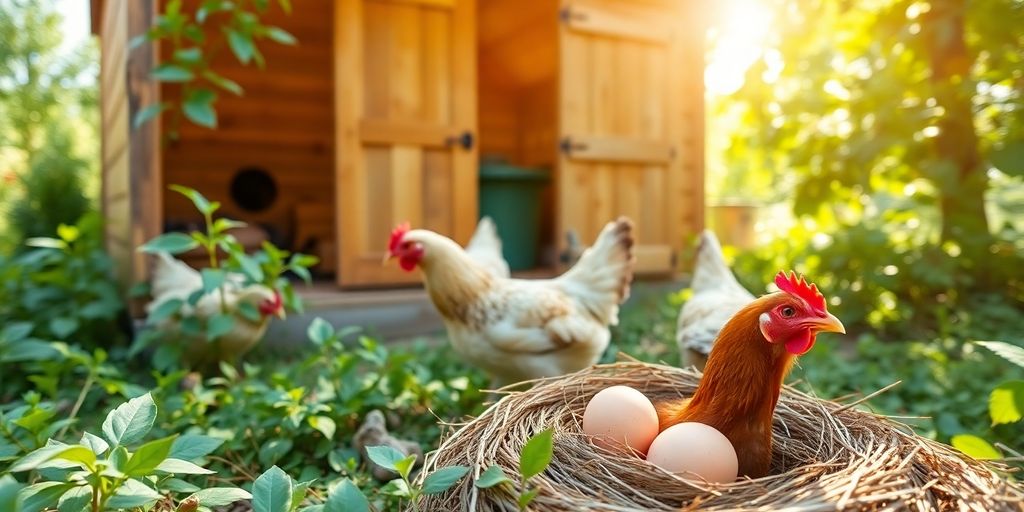
Okay, so you’ve got chickens, now you want eggs, right? It’s not always as simple as just waiting. Several factors influence when and how often your hens lay. Breed plays a big role – some breeds are egg-laying machines, while others are more ornamental. Age matters too; young hens (pullets) usually start laying around 6 months old, and their production peaks in their first couple of years. After that, it gradually declines. Light is also super important; hens need about 14-16 hours of light a day to lay consistently. Additional light might be needed during winter months.
Collecting and Storing Eggs
Collecting eggs seems easy, but there’s a right way to do it. Gather eggs daily, or even twice a day during hot weather, to prevent them from getting too warm or being broken by the hens. Use a basket or egg carton to collect them gently. Don’t wash them immediately unless they’re visibly dirty; washing removes the protective coating that keeps bacteria out. Store unwashed eggs in the refrigerator, pointy end down, and they’ll last for several weeks. I had no clue what to do with the egg, but I learned everything I needed to know on how to care for my fresh egg!
Managing Egg Production
If your hens aren’t laying as many eggs as you’d like, there are a few things you can try. First, make sure they’re getting a high-quality feed formulated for laying hens. This feed should have enough protein and calcium to support egg production. Also, check for signs of stress or illness. Stress can temporarily halt egg laying. Provide a clean, comfortable environment, and address any health issues promptly. Sometimes, older hens just slow down, and that’s normal. Remember, a happy and healthy brood means more eggs. Healthy chickens need plenty of water, protein-rich feed, calm spaces for roosting, dark and quiet nesting boxes, adequate hygiene, suitable climate control, and plenty of ventilation.
It’s important to understand that egg production naturally declines as hens age. Don’t expect the same output from a five-year-old hen as you would from a pullet. Consider adding new young hens to your flock to maintain a steady supply of eggs.
Here’s a quick guide to factors affecting egg production:
- Breed: Some breeds lay more eggs than others.
- Age: Young hens lay more consistently.
- Nutrition: Proper feed is crucial.
- Light: Adequate light is essential, especially in winter.
Building a Community of Chicken Enthusiasts
So, you’re raising chickens! That’s awesome. But it can be even better if you connect with other people who are just as into it as you are. Trust me, you’ll have questions, and they’ll have answers (and probably some hilarious stories too).
Joining Local Chicken Keeping Groups
Seriously, look around for local groups. Facebook is a good place to start, but also check community centers or even your local feed store. These groups are goldmines of information specific to your area, like what predators to watch out for or which chicken breeds do best in your climate. Plus, it’s just nice to chat with people who understand the joys (and occasional frustrations) of chicken ownership. You can learn about local chicken keeping groups and connect with fellow enthusiasts.
Online Resources and Forums
If you can’t find a local group, or you just want even MORE chicken content (and who doesn’t?), the internet is your friend. There are tons of online forums and resources dedicated to chickens. Here’s a few things you can do online:
- Watch YouTube channels about chicken care. Some people are really good at showing you exactly how to do things, like trim beaks or treat minor injuries.
- Join a chicken forum. You can ask questions and get advice from experienced keepers.
- Read blogs about chicken keeping. There are so many blogs out there with tips and tricks for everything from building a coop to dealing with broody hens.
I remember when my first hen went broody. I had no idea what was going on! I thought she was sick. I posted on a forum, and within minutes, people were telling me exactly what to do. It was a lifesaver.
Sharing Experiences and Tips
Don’t be afraid to share your own experiences, too! Even if you’re a beginner, you probably have something to offer. Maybe you found a great deal on chicken feed, or maybe you figured out a clever way to keep your chickens from escaping the run. Share it! Here are some ways to share:
- Post pictures of your chickens on social media. Use relevant hashtags so other chicken people can find you.
- Write a blog post about your chicken keeping journey. It doesn’t have to be perfect, just share what you’ve learned.
- Offer to mentor a new chicken keeper. Pass on your knowledge and help someone else get started. Sharing your knowledge about egg color can be a great way to contribute to the community.
Wrapping It Up: Your Chicken-Raising Journey
So, there you have it! Raising chickens can be a fun and rewarding experience, but it does take some work. Remember to plan ahead, gather your supplies, and set up a cozy home for your flock. Don’t hesitate to ask for help from fellow chicken lovers if you hit a snag. They’re usually more than happy to share tips and tricks. And most importantly, enjoy the process! Watching your chickens grow and thrive is truly a joy. Happy chicken-keeping!
Frequently Asked Questions
What are the best chicken breeds for beginners?
Some great chicken breeds for new chicken owners include Rhode Island Reds, Leghorns, and Orpingtons. They are friendly and good at laying eggs.
How much space do chickens need?
Chickens need about 4 square feet of space in the coop and 10 square feet in the run to be happy and healthy.
What should I feed my chickens?
Chickens need a balanced diet that includes commercial chicken feed, grains, and some fruits and vegetables as treats.
How do I keep my chickens healthy?
To keep your chickens healthy, make sure they have clean water, a clean coop, and check them regularly for signs of illness.
When do chickens start laying eggs?
Most chickens start laying eggs around 5 to 6 months old, but it can vary depending on the breed.
Can I raise chickens in my backyard?
Yes, you can raise chickens in your backyard, but check your local laws first to make sure it’s allowed.