“This post contains affiliate links. As an Amazon Associate, I earn from qualifying purchases”
If you’re thinking about how to raise chickens in your backyard, you’re in the right place. Raising chickens can be a fun and rewarding hobby that not only provides you with fresh eggs but also adds a lively element to your yard. This guide will walk you through everything you need to know, from preparing your space to caring for your flock and collecting those delicious eggs. Let’s get started!
Key Takeaways
- Check local regulations before getting chickens to avoid any issues.
- Choose the right coop and outdoor space for your flock’s safety and comfort.
- Select chicken breeds that suit your needs for egg production and personality.
- Provide a balanced diet and lots of fresh water to keep your chickens healthy.
- Learn the best practices for collecting and storing eggs to maintain freshness.
Preparing Your Backyard For Chickens
So, you’re thinking about getting chickens? Awesome! But before you bring home those fluffy little balls of joy, you need to get your backyard ready. It’s not just about throwing up a coop and hoping for the best. There are a few things to consider to make sure your chickens are safe, happy, and your neighbors don’t hate you.
Understanding Local Regulations
First things first: check your local laws and HOA rules. Seriously, don’t skip this step. You might be dreaming of fresh eggs, but your town might have other ideas. Some places have restrictions on the number of chickens you can have, whether you can have roosters (spoiler alert: crowing at 5 AM might not win you any friends), and how far the coop needs to be from property lines. Nobody wants a fine or, worse, to have to rehome their flock. It’s better to be safe than sorry. You might be surprised at how many towns across the U.S. don’t allow residents to keep chickens.
Setting Up the Chicken Coop
Okay, you’ve got the green light from the local authorities. Now it’s time to think about the coop. This is where your chickens will sleep, lay eggs, and take shelter from the elements. You can buy a pre-made coop, build your own, or even repurpose an old shed or playhouse. The important thing is that it’s secure, dry, and has enough space for your flock. A good rule of thumb is at least 4 square feet of coop space per chicken. Don’t forget about nesting boxes! One box for every 3-4 hens should do the trick. There are a plethora of backyard chicken coop designs to inspire you, from a simple barn style like mine to beachy cottages or elaborate multi-level French chateaus with porches.
Creating a Safe Outdoor Space
Chickens need space to roam, scratch, and peck. A chicken run is a great way to give them that space while keeping them safe from predators. Foxes, raccoons, hawks, and even neighborhood dogs can pose a threat to your flock. Make sure the run is enclosed with sturdy wire mesh, and consider burying the wire a few inches deep to prevent digging predators. A secure run is essential for protecting your chickens. I use welded 2×4 wire on our run because it is so much stronger and longer lasting than chicken wire. That’s not to say chicken wire with its smaller openings isn’t still important for safety. It’s the best way to keep little chicks inside the fence, so you might need both. Also, think about providing some shade and shelter within the run. A tarp, some bushes, or even an old umbrella can give your chickens a place to escape the sun or rain.
Consider the impact on your yard. Chickens love to scratch and dig, so be prepared for them to turn your pristine lawn into a dust bath. Also, they will eat bugs, so they absolutely will throw your fresh mulch in every direction, looking for snacks. If you can live with that, you have nothing to worry about.
Choosing The Right Chicken Breeds
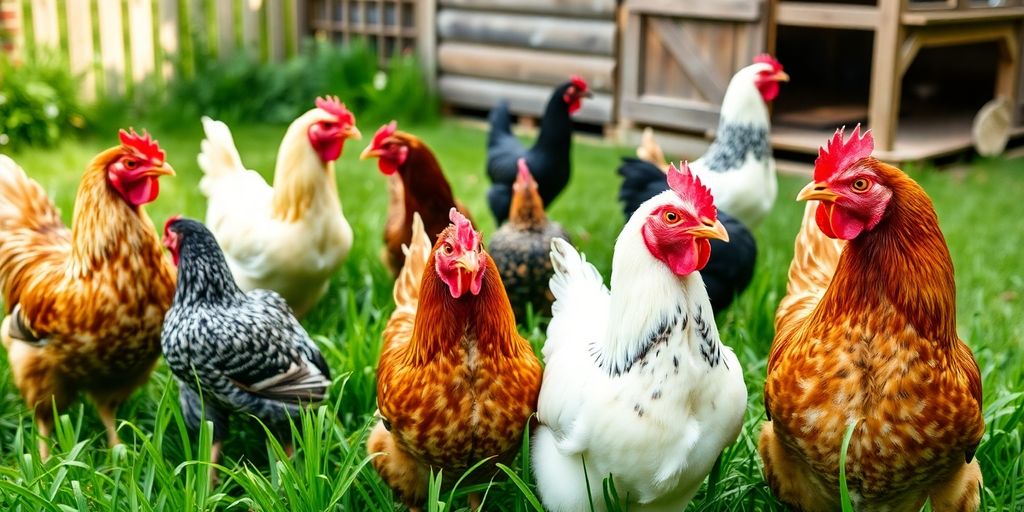
Okay, so you’re ready to get chickens. Awesome! But hold on a sec – not all chickens are created equal. Picking the right breed is super important, and it really depends on what you want from your flock. Are you all about maximum egg production? Or are you looking for friendly chickens that are good with kids? Maybe you want something that can handle cold winters. Let’s get into it.
Popular Breeds For Beginners
So, you’re new to this whole chicken thing? No worries! Some breeds are way easier to manage than others. These breeds are generally docile, hardy, and good egg layers, making them perfect for first-timers.
Here are a few popular choices:
- Rhode Island Reds: These are egg-laying machines! They’re also pretty hardy and can handle different climates. Plus, they’re generally friendly. You can explore chicken breeds like the Rhode Island Red for your backyard.
- Orpingtons: These are big, fluffy chickens that are known for being super docile. They’re great if you have kids or just want chickens that are easy to handle. The Lavender Orpington is a rare variety to add to your flock.
- Plymouth Rocks: Another good all-around breed. They lay a decent amount of eggs and are pretty hardy. They also come in a bunch of different colors, which is fun.
Understanding Egg Production
Alright, let’s talk eggs. If you’re mainly in this for the fresh eggs, you’ll want to pay attention to how many eggs a breed typically lays. Some breeds are just way more productive than others. Also, think about egg color! Some people have a preference for brown, blue, or even green eggs.
Here’s a rough idea of what to expect:
| Breed | Average Eggs Per Year | Egg Color | Notes |
|---|---|---|---|
| Rhode Island Red | 250-300 | Brown | Consistent layers |
| Leghorn | 280-320 | White | High-production breed |
| Easter Egger | 200-280 | Blue/Green | Fun, colorful eggs |
| Plymouth Rock | 200-280 | Brown | Good all-around breed |
Temperament and Care Needs
Okay, so egg production is important, but you also want chickens that you actually like. Some breeds are naturally more docile and friendly, while others are more independent and flighty. Think about how much time you want to spend handling your chickens and what kind of personality you’re looking for. Also, consider the care needs of different breeds. Some breeds are more susceptible to certain health problems, and some need more space than others. It’s important to consider which breeds will suit your needs best.
Don’t underestimate the importance of temperament! If you have kids or other pets, you’ll want to choose a breed that’s known for being gentle. And if you’re new to chickens, it’s probably best to avoid breeds that are known for being difficult to handle. Trust me, a friendly flock makes the whole experience way more enjoyable.
Starting Your Backyard Chicken Flock
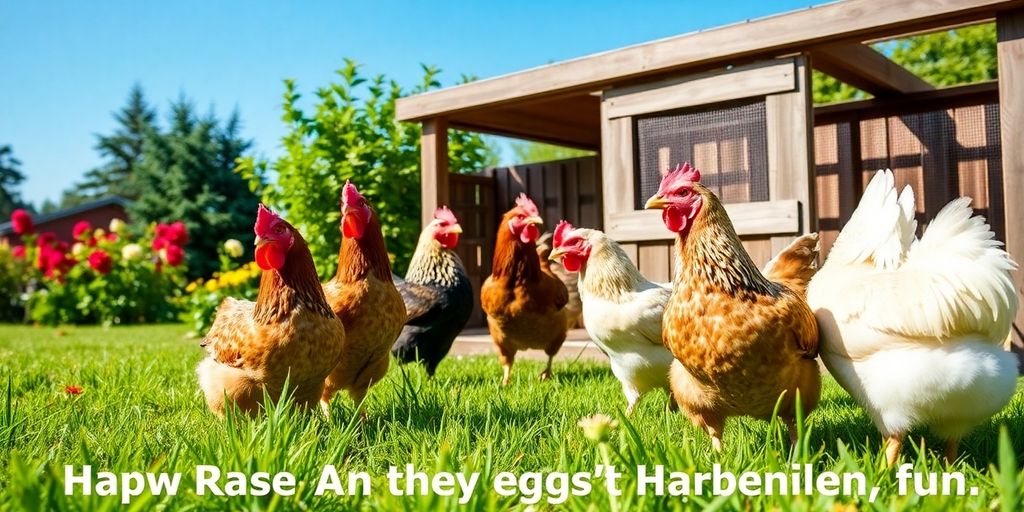
So, you’re ready to get some chickens! Exciting times. This part is all about actually getting your flock started. There are a few ways to go about it, and each has its pros and cons. Let’s break it down.
Selecting Chicks or Hens
Okay, first things first: are you going to start with baby chicks or older hens? Chicks are adorable, no doubt, but they require more care and attention, especially in the beginning. You’ll need a brooder setup and to keep a close eye on them. Hens, on the other hand, are more independent and will start laying eggs sooner. However, they might take longer to adjust to their new home. The choice really depends on your experience level and how much time you have to dedicate to your flock.
Here’s a quick comparison:
| Feature | Chicks | Hens |
|---|---|---|
| Care Level | High | Moderate |
| Egg Production | Delayed (4-6 months) | Immediate (or shortly after arrival) |
| Cost | Lower initial cost | Higher initial cost |
| Socialization | Easier to bond with humans | May take longer to adjust to new owners |
| Health Risks | More susceptible to illness | Generally more robust |
Purchasing From Local Sources
Where are you going to get your chickens? You have a few options. Local breeders are a great choice because you can often see the birds in person and ask questions about their health and temperament. Feed stores also sell chicks, especially in the spring. Another option is to check with local farms or homesteaders who might be selling off some of their flock. Buying locally supports your community and reduces the stress on the chickens during transport. Plus, you might find some rare or interesting breeds that aren’t available from larger hatcheries. I’ve had good luck finding local chicken breeds through word of mouth, so don’t be afraid to ask around!
Setting Up a Brooder
If you decide to go with chicks, you’ll need a brooder. This is basically a warm, safe space for them to live until they’re old enough to go outside. A brooder can be as simple as a large cardboard box or a plastic tub. You’ll need a heat lamp to keep them warm, some bedding (like pine shavings), and feeders and waterers designed for chicks. Make sure the brooder is draft-free and protected from predators.
I remember when I first got my chicks, I was so worried about them being cold that I kept the heat lamp way too close. They were panting and miserable! It’s important to monitor their behavior and adjust the temperature accordingly. You want them to be comfortable, not roasting.
Here’s a checklist for setting up your brooder:
- Choose a safe location, away from drafts and predators.
- Set up the heat lamp and adjust the height to maintain the correct temperature (95°F for the first week, then reduce by 5°F each week).
- Add bedding to the brooder floor.
- Provide chick-sized feeders and waterers.
- Monitor the chicks closely and adjust the brooder setup as needed.
Feeding and Caring For Your Chickens
Essential Nutritional Needs
Okay, so feeding chickens isn’t rocket science, but it’s more than just tossing them some scraps. They need a balanced diet to stay healthy and lay those delicious eggs. Think of it like this: you wouldn’t eat pizza every day (well, maybe sometimes), and neither should your chickens.
- Chick Starter (0-8 weeks): High in protein (around 20-22%) to help them grow big and strong.
- Grower Feed (8-20 weeks): A bit less protein (around 16-18%) as they mature.
- Layer Feed (20+ weeks): Packed with calcium for strong eggshells. This is the best chicken feed for adult hens.
Also, don’t forget about grit! Chickens don’t have teeth, so they need grit (small stones or sand) to help them digest their food. Free-range chickens can usually find grit on their own, but if your chickens are mostly confined, you’ll need to provide it.
Providing Fresh Water
Water is super important. I mean, duh, right? But seriously, chickens need access to clean, fresh water at all times. A good rule of thumb is to change their water daily, especially during hot weather. You can use a regular waterer, but I’ve found that nipple waterers are great because they keep the water cleaner and prevent the chickens from making a mess. Just make sure the chicken water is always available.
Supplementing With Treats
Treats are a fun way to bond with your chickens and give them some extra nutrients. But remember, treats should only make up a small portion of their diet – like 10% or less. Too many treats can lead to health problems and decreased egg production. Some good treat options include:
- Mealworms (chickens go crazy for these!)
- Fruits and vegetables (watermelon, berries, leafy greens)
- Scratch grains (a mix of cracked corn and other grains)
I like to give my chickens kitchen scraps, but I’m careful about what I give them. Avoid things like avocado pits, raw potatoes, and anything moldy or rotten. Also, remember that chickens enjoy variety, so move things around and mix it up.
Maintaining Chicken Health
Common Health Issues
Okay, so chickens aren’t exactly invincible. They can get sick, just like any other animal. Some common problems to watch out for include things like mites, lice, coccidiosis (a parasitic infection), and respiratory illnesses. Keep an eye on your flock for signs of illness, like lethargy, decreased egg production, changes in droppings, or unusual behavior. Early detection is key to keeping things from getting out of hand. I’ve found that a quick check-up every few days can save you a lot of trouble down the road.
Preventative Care Practices
Prevention is way easier than dealing with a sick chicken, trust me. Here’s what I do:
- Clean Coop: Keep that coop clean! Regular cleaning helps prevent the buildup of bacteria and parasites. I try to do a deep clean at least once a month.
- Dust Baths: Make sure your chickens have access to a dust bath. They use this to get rid of mites. If mites are a real issue, you can consider mixing in some Diatomaceous Earth (DE) with their dust bath.
- Proper Nutrition: A well-fed chicken is a healthy chicken. Make sure they’re getting a balanced diet with enough protein and calcium. If their shells are brittle and crack super easy it may be time to add some calcium to their diet. You can accomplish this multiple ways. The cheapest (though not the easiest) is to save eggshells and bake them until they’re dry. Then crush this up (or blend it in a high-powered blender) and mix this crumble in with their feed to keep their calcium up. To simplify this you could also give your chickens the egg shells whole, however, I don’t do this because it could teach them to eat their own eggs. Then you have a bigger issue on your hands. Alternatively, you can buy oyster shells and supplement your chicken’s diet with that.
- Quarantine New Birds: If you’re introducing new chickens to your flock, quarantine them for a couple of weeks to make sure they’re not carrying any diseases.
I always keep a close eye on my chickens’ droppings. It might sound gross, but it’s a great way to catch potential problems early. Changes in color or consistency can be a sign of illness.
When to Consult a Veterinarian
Sometimes, you just can’t handle it on your own. If your chickens are showing serious signs of illness, like severe respiratory distress, paralysis, or open wounds, it’s time to call a vet. Not all vets treat chickens, so you might have to do some searching to find one who does. Don’t wait too long – prompt veterinary care can make a big difference. It’s better to be safe than sorry when it comes to your flock’s health.
Collecting and Storing Fresh Eggs
Best Practices for Egg Collection
Collecting eggs might seem simple, but a few smart habits can make a big difference. I usually aim to gather eggs at least once a day, but twice is better, especially during hot weather. This reduces the chance of the eggs getting cracked or eaten by the chickens themselves (yes, they do that!). Plus, it keeps them cleaner. I use a simple basket, but some people swear by egg aprons with special pockets. Whatever works, right? Here’s a quick rundown:
- Collect eggs daily, or even twice a day.
- Use a basket or egg apron to prevent breakage.
- Check for cracks or damage before collecting.
Storing Eggs Safely
Once you’ve got your eggs, proper storage is key. I always wipe them clean with a dry cloth if they’re dirty, but never wash them unless absolutely necessary. Washing removes the natural protective coating (the bloom) that keeps bacteria out. I store mine in the fridge, pointy end down, in an egg carton. This helps keep the yolk centered.
Storing eggs properly isn’t just about keeping them fresh; it’s about food safety. Bacteria can penetrate the shell, so refrigeration is a must. I’ve found that eggs stored correctly can last for several weeks, sometimes even longer.
Understanding Egg Freshness
How do you know if an egg is fresh? There are a few tricks. The float test is a classic: put the egg in a bowl of water. If it sinks and lies flat, it’s super fresh. If it sinks but stands on one end, it’s still good but should be used soon. If it floats, toss it. Another way is to crack the egg open. A fresh egg will have a firm, rounded yolk and thick egg white. An older egg will have a flatter yolk and a watery white. I also write the date on the [egg carton](https://www.fresh eggs daily.com/) when I collect them, just to be sure.
Enjoying The Benefits of Backyard Chickens
Backyard chickens offer more than just fresh eggs; they bring a unique set of advantages to your home and garden. From pest control to composting, these feathered friends can significantly enrich your lifestyle. The rewards of raising chickens extend far beyond the breakfast table.
Fresh Eggs Daily
There’s nothing quite like collecting your own fresh eggs every morning. The taste and quality are noticeably superior to store-bought eggs. Plus, you know exactly where your food is coming from and how the chickens are treated. It’s a satisfying experience that connects you to your food source in a meaningful way. You can even keep mealworms on hand as a treat for your chickens.
Natural Pest Control
Chickens are excellent foragers, and they love to eat insects, weeds, and larvae. Letting them roam in your yard (under supervision, of course) can help keep pest populations down without the need for harmful chemicals. They’ll happily munch on ticks, slugs, and other unwanted garden visitors. Just be sure to make these inaccessible if you don’t want them digging up your plants!
Creating Compost with Chicken Waste
Chicken manure is a fantastic source of nutrients for your garden. When properly composted, it becomes a rich soil amendment that can boost plant growth and improve soil health. Composting chicken waste is a great way to reduce your environmental impact and create a closed-loop system in your backyard. You can even supplement with oyster shells for added calcium.
Wrapping It Up
So there you have it! Raising chickens in your backyard can be a fun and rewarding experience. You get fresh eggs, a little entertainment, and a chance to connect with nature. Sure, there’s some work involved—like cleaning the coop and making sure they’re fed—but it’s totally worth it. Plus, watching those little fluff balls grow up is a joy all on its own. If you’re ready to take the plunge, go ahead and set up your coop. Grab some chicks, and enjoy the journey. You won’t regret it!
Frequently Asked Questions
What do I need to consider before getting chickens?
Before you get chickens, check your local laws to see if you can keep them. Some places have rules about how many you can have or if you can have roosters.
How do I choose the right breed of chicken?
Pick a chicken breed that fits your needs. Some breeds are better for laying eggs, while others are friendly and easy to care for.
What do chickens eat?
Chickens need a balanced diet that includes chicken feed, grains, and fresh vegetables. You can also give them treats like mealworms.
How can I keep my chickens healthy?
To keep your chickens healthy, make sure they have clean water, a safe coop, and regular check-ups for any health issues.
How do I collect and store eggs?
Collect eggs daily to keep them fresh. Store them in a cool place, and you can keep them in the fridge for up to a month.
What are the benefits of raising chickens?
Raising chickens gives you fresh eggs, helps with pest control in your garden, and you can use their waste to create compost.