“This post contains affiliate links. As an Amazon Associate, I earn from qualifying purchases”
Thinking about starting your own chicken flock? You’re in the right spot! Raising chickens can be a fun and rewarding hobby that not only gives you fresh eggs but also a great way to connect with nature. Whether you’re looking to keep a few hens in your backyard or want to dive into a larger operation, this guide will help you understand how to start to raise chickens. From choosing the right breeds to setting up their home, we’ll cover everything you need to know to get started on this exciting journey.
Key Takeaways
- Choose beginner-friendly chicken breeds like Rhode Island Reds or Leghorns for easy egg production.
- Build a safe and comfortable coop to protect your chickens from predators and harsh weather.
- Provide a balanced diet with quality feed and fresh water to keep your flock healthy.
- Learn about chicken behavior to ensure their happiness and well-being.
- Regularly check your chickens for health issues and keep their living space clean.
Choosing The Right Chicken Breeds
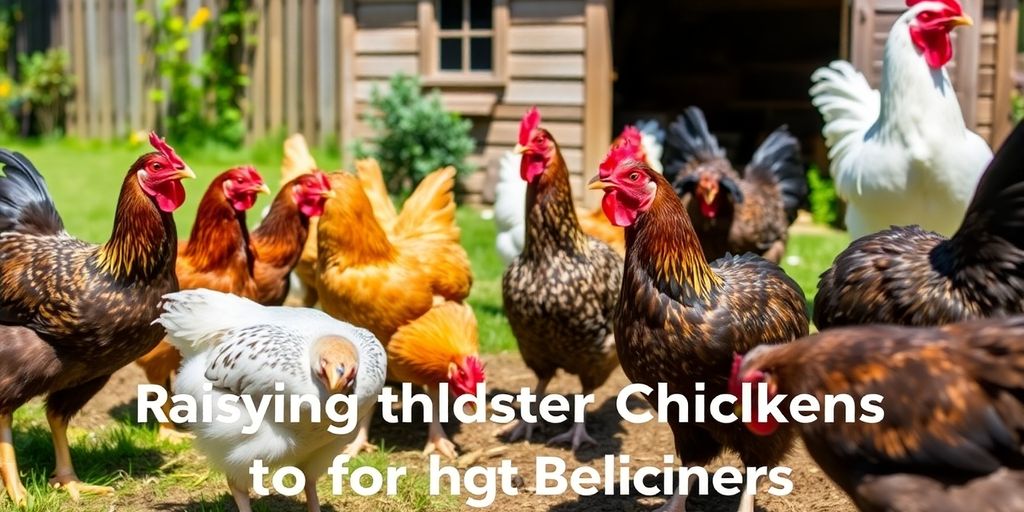
Okay, so you’re thinking about getting chickens. Awesome! One of the first, and honestly most fun, steps is figuring out what breeds you want. It’s easy to get overwhelmed because there are so many! But don’t worry, we’ll break it down.
Popular Breeds For Beginners
When you’re just starting out, some breeds are definitely easier than others. These breeds are generally known for being friendly, relatively low-maintenance, and good egg layers.
Here are a few popular choices:
- Rhode Island Reds: These are hardy birds that lay a lot of eggs. They’re pretty independent, which can be good if you don’t have tons of time to spend with them.
- Buff Orpingtons: These are like the golden retrievers of the chicken world – super friendly and docile. They’re also decent egg layers.
- Easter Eggers: If you want a variety of egg colors, these are your birds! They lay blue, green, or even pinkish eggs. Their temperaments can vary a bit, but they’re usually pretty good.
- Wyandottes: These are beautiful birds that come in a bunch of different colors and patterns. They’re cold-hardy, which is great if you live in a colder climate, and they lay a good number of eggs.
It’s a good idea to check with local hatcheries or breeders to see what breeds do well in your specific area. Some breeds are more heat-tolerant, while others are better suited for colder climates. Also, consider if you want birds that are good at foraging or if you’ll be providing most of their food.
Egg Production Rates
Let’s talk eggs! Different breeds lay different amounts of eggs, and it can vary quite a bit. If you’re raising chickens primarily for eggs, this is a big factor to consider. You can explore expert insights to help you decide.
Here’s a rough idea of what you can expect from some popular breeds:
| Breed | Average Eggs Per Year | Egg Color | Notes |
|---|---|---|---|
| Rhode Island Red | 250-300 | Brown | Consistent layers |
| Buff Orpington | 180-240 | Brown | Good layers, especially in their first year |
| Easter Egger | 200-280 | Blue/Green | Egg color varies |
| Leghorn | 280-320 | White | Known for high egg production |
| Wyandotte | 200-260 | Brown | Cold-hardy and reliable layers |
Keep in mind that these are just averages. A chicken’s egg production can be affected by things like age, diet, and overall health. Also, most hens lay fewer eggs in the winter when there’s less daylight.
Temperament And Behavior
Okay, so egg production is important, but so is the personality of your chickens! You’ll be interacting with these birds, so you want to choose breeds that fit your lifestyle. Some breeds are super friendly and love to be petted, while others are more independent and prefer to do their own thing.
Here are a few things to think about:
- Friendliness: Do you want chickens that will come running when you call them? Or are you okay with birds that are a bit more aloof?
- Docility: Some breeds are more prone to aggression than others. If you have kids or other pets, you’ll want to choose a docile breed.
- Activity Level: Some chickens are active foragers, while others are content to stay closer to the coop. Consider how much space you have and how much time you want to spend supervising them.
It’s also worth noting that chickens have a pecking order. When you introduce new birds to the flock, there might be some squabbles as they figure out who’s in charge. It’s usually nothing to worry about, but it’s good to be aware of it. You can get the best backyard chicken breeds to avoid this.
Setting Up Your Chicken Coop
Okay, so you’re ready to get some chickens! That’s awesome. One of the first big steps is figuring out their living situation. A good chicken coop is more than just a house; it’s their safe space, their bedroom, and sometimes, their playground. Let’s talk about how to set one up right.
Designing A Safe Coop
First things first: safety. Predators are a real concern, whether you live in the country or even in a suburban area. Raccoons, foxes, even neighborhood dogs can pose a threat. A secure coop is non-negotiable.
- Make sure the coop is fully enclosed, including a roof. No gaps or holes!
- Use strong materials like hardware cloth (not chicken wire!) for any openings.
- If you have a dirt floor, bury the hardware cloth at least 12 inches deep to prevent digging predators. Some people even pour a concrete slab for extra security.
- Install secure latches on all doors and windows. Those little hook-and-eye latches? Raccoons can open those in seconds. Think carabiner clips or locking latches.
Think of your coop as a fortress. It needs to withstand not just predators, but also weather. Wind, rain, snow – it all needs to be considered when you’re designing for chicken supplies.
Essential Coop Features
Beyond safety, there are some must-have features for a happy and healthy flock:
- Roosting Bars: Chickens naturally want to roost at night. Provide smooth, sturdy bars (2x4s with the wide side up work well) for them to perch on. Allow about 8-10 inches of roosting space per bird.
- Nesting Boxes: These are where your hens will lay their eggs. One nesting box for every 3-4 hens is usually sufficient. Make them cozy with straw or wood shavings. Dimensions of 12x12x12 inches are generally adequate.
- Ventilation: Proper airflow is crucial to prevent moisture buildup and ammonia smells. Install vents near the top of the coop, but make sure they’re covered with hardware cloth to keep out predators. Avoid drafts, especially in winter.
- Easy Access for Cleaning: You’ll be cleaning the coop regularly, so make it easy on yourself. A large door or removable panels will make the job much simpler. Consider a automatic coop door for convenience.
Location Considerations
Where you put your coop is almost as important as the coop itself. Here are some things to keep in mind:
- Sun and Shade: Chickens need both sun and shade. Sunlight helps keep the coop dry and discourages parasites, while shade provides relief from the heat. If you don’t have natural shade, consider planting a tree or using a tarp to create a shaded area.
- Drainage: Avoid low-lying areas that tend to get waterlogged. Good drainage will help keep the coop dry and prevent the spread of disease.
- Proximity to Your House: You’ll be visiting the coop daily, so it’s best to locate it within easy walking distance of your house. But not too close – chicken coops can be noisy and attract flies.
- Local Ordinances: Check your local zoning regulations before building a coop. Some areas have restrictions on the size and location of chicken coops. Make sure you have adequate chicken coop bedding to keep the coop clean.
Feeding And Caring For Chickens
Nutritional Needs
Okay, so feeding chickens isn’t just about tossing them any old scraps. They need a balanced diet to stay healthy and lay those delicious eggs. Think of it like this: you wouldn’t eat pizza every day, right? Chickens need variety too, but with the right nutrients.
- Chick Starter (0-8 weeks): High in protein for growth.
- Grower Feed (8-20 weeks): Moderate protein, prepares them for laying.
- Layer Feed (20+ weeks): Lower protein, high in calcium for strong eggshells. You can find organic feed at most farm supply stores.
It’s important to switch feeds gradually. Don’t just swap one day to the next. Mix the old and new feeds together for a week or so to avoid upsetting their digestive systems.
Watering Systems
Fresh, clean water is absolutely vital. You’d be surprised how much chickens drink! Here’s the deal:
- Automatic Waterers: These are great because they keep the water clean and prevent spills. Plus, you don’t have to refill them as often.
- Nipple Waterers: Another good option, especially in winter, as they prevent freezing. Chickens peck at the nipple to get water.
- Regular Bowls/Buckets: These work, but they get dirty fast. You’ll need to clean them daily. Make sure the water is clean to prevent diseases.
Common Health Issues
Chickens are generally pretty hardy, but they can get sick. Knowing the signs of common problems is key.
- Mites and Lice: These little pests can cause itching and feather loss. Check your chickens regularly, especially around their vents.
- Worms: Internal parasites that can affect egg production and overall health. Regular deworming is important.
- Respiratory Issues: Sneezing, coughing, and discharge from the eyes or nose can indicate a respiratory infection. Keep the coop clean and well-ventilated.
| Issue | Symptoms | Treatment |
|---|---|---|
| Mites/Lice | Itching, feather loss | Insecticide dust or spray |
| Worms | Weight loss, diarrhea, reduced egg lay | Dewormer medication |
| Coccidiosis | Bloody stool, lethargy | Coccidiostat medication |
Understanding Chicken Behavior
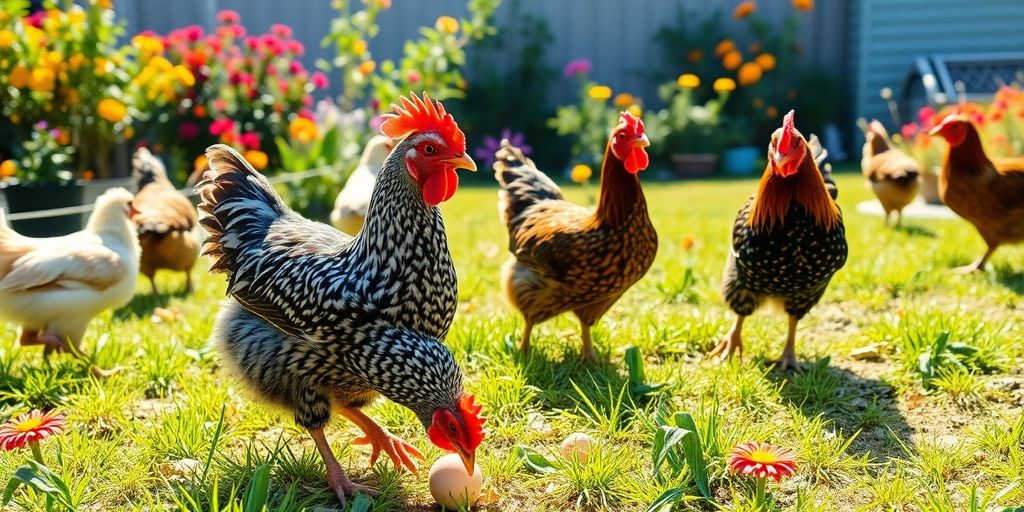
It’s super helpful to understand how chickens act. It makes taking care of them easier and more fun. You’ll start to notice their little quirks and habits, and it’s honestly pretty entertaining. Plus, knowing what’s normal helps you spot when something’s wrong.
Social Structure
Chickens have a pecking order, and it’s a real thing. The strongest or most assertive hen usually leads the flock. You’ll see them sorting themselves out, especially when they’re young. It can look a little rough sometimes, but it’s how they establish who’s in charge. Once it’s settled, things usually calm down. It’s important to provide enough space and resources so the lower-ranked chickens don’t get bullied too much. Make sure there’s enough chicken run flooring for everyone.
Signs Of Stress
Chickens can get stressed out, just like us. Things like changes in their environment, overcrowding, or predators can cause stress.
Here are some signs to watch for:
- Feather picking (when they pluck their own or others’ feathers)
- Decreased egg production
- Changes in eating habits
- Hiding or avoiding the flock
If you notice these signs, try to figure out what’s causing the stress and fix it. Maybe they need more space, or maybe there’s a bully in the flock that needs to be separated. Sometimes, just adding some new toys or activities can help reduce stress.
Handling Chickens
Knowing how to handle chickens is important, especially if you need to check them for injuries or give them medication. The key is to be gentle and confident. Approach them calmly and avoid sudden movements.
Here’s a basic way to pick up a chicken:
- Gently approach the chicken.
- Place one hand over its wings to prevent it from flapping.
- Slide your other hand under its body to support its weight.
- Lift it gently, keeping it close to your body.
It’s also a good idea to get them used to being handled when they’re young. This will make it easier to care for them later on. Spend time with your flock – catching up on gossip over a handful of mealworms.
Collecting And Storing Eggs
Best Practices For Egg Collection
Collecting eggs is one of the most rewarding parts of keeping chickens! Daily collection is key to prevent breakage, reduce the chance of hens going broody, and to keep your eggs as fresh as possible. I usually head out to the coop in the late morning and then again in the late afternoon. This helps minimize the chance of eggs sitting in the nest for too long, especially during hot weather.
- Collect eggs at least once a day, or twice during hot weather.
- Use a basket or egg apron to safely carry eggs.
- Check for cracked or dirty eggs and handle them separately.
I’ve found that training my chickens to lay in specific nesting boxes really helps with keeping the eggs clean. A little bit of straw or wood shavings goes a long way in providing a comfortable and clean environment for them to lay in. Plus, it makes collection a breeze!
Cleaning Eggs
Not all eggs will be perfectly clean, especially if your chickens like to walk around in the mud. But don’t worry, there are a few ways to clean them without damaging the protective bloom that keeps bacteria out. I usually only clean the eggs that are visibly dirty. Over-cleaning can actually reduce their shelf life. You can use fine sand paper to gently remove dirt. You can also use a wet cloth.
- Only clean eggs that are visibly dirty.
- Use a dry brush or cloth to gently remove dirt.
- If washing is necessary, use warm water (slightly warmer than the egg) and a mild soap.
- Dry the eggs thoroughly before storing.
Storing Eggs Safely
Proper storage is crucial for maintaining the freshness and quality of your eggs. The refrigerator is your best friend here. I always store my eggs in the fridge in an egg carton. This helps prevent them from absorbing odors from other foods and keeps them at a consistent temperature. Store them with the pointed end down to help keep the yolk centered.
- Store eggs in the refrigerator at a temperature below 40°F (4°C).
- Keep eggs in their original carton to prevent odor absorption and moisture loss.
- Store eggs with the pointed end down to prolong freshness.
Here’s a quick guide to egg storage:
| Storage Method | Temperature | Shelf Life |
|---|---|---|
| Refrigerator | Below 40°F | 4-5 weeks |
| Room Temperature | Above 40°F | A few hours max |
Maintaining A Healthy Flock
Keeping your chickens healthy is super important, and it’s not as hard as it might seem. It’s all about being proactive and knowing what to look for. A little bit of effort goes a long way in preventing problems and keeping your flock happy and productive. I try to do a quick check on my chickens every few days, just to make sure everyone is doing okay.
Regular Health Checks
Regular health checks are key to catching problems early. I usually do a quick visual inspection of each chicken, looking for anything out of the ordinary.
Here’s what I look for:
- Eyes and Nose: Are they clear and bright, or is there any discharge?
- Feathers: Are they clean and well-kept, or are there bald patches or signs of parasites?
- Droppings: Are they normal in color and consistency? Changes can indicate illness.
- Behavior: Is the chicken acting normally, or is it lethargic or isolated?
It’s also a good idea to handle your chickens regularly so they get used to it. This makes it easier to do more thorough health checks when needed. I usually pick them up and check their vent area for any signs of problems.
Vaccination And Medications
Vaccination schedules can vary depending on where you live and what diseases are common in your area. Talk to your local vet or agricultural extension office to figure out what’s best for your flock.
Here’s a basic idea of what to consider:
- Marek’s Disease: Usually given to chicks at the hatchery.
- Fowl Pox: Can be given as a wing-web injection.
- Coccidiosis: Often managed through medicated chick feed.
It’s also a good idea to have a basic first-aid kit on hand for minor injuries. This might include:
- Antiseptic spray
- Bandages
- Styptic powder (to stop bleeding)
Dealing With Common Pests
Pests like mites, lice, and worms can be a real pain for chickens. They can cause irritation, feather loss, and even anemia. Here’s how I deal with them:
- Mites and Lice: I use a poultry dust specifically designed for these pests. I apply it under their wings, around their vent, and on their roosts.
- Worms: I do a fecal test to check for worms and then use an appropriate dewormer if needed. There are both chemical and natural deworming options available.
- Prevention: I keep the coop clean and dry, and I provide a dust bath area for my chickens. Dust baths help them naturally control mites and lice.
I also make sure to clean the coop regularly. I use a dog poop scoop to remove droppings and old bedding. This helps to reduce the risk of pests and diseases. I also add fresh bedding regularly to keep the coop clean and dry.
Engaging With Your Chickens
Fun Activities With Chickens
Okay, so you’ve got chickens. Now what? Turns out, there’s more to chicken ownership than just collecting eggs. You can actually interact with these birds! Think of them as feathered, egg-laying pets. One of the simplest things is just observing them. Chickens have surprisingly complex social lives, and watching their interactions can be pretty entertaining. You might even want to try giving them treats. Mealworms are like chicken crack – they go wild for them. Scatter some in their run and watch the chaos unfold. It’s way more fun than watching TV, trust me.
- Set up a dust bath area. They’ll love you for it.
- Hang a cabbage or lettuce head for them to peck at.
- Build a chicken swing (yes, really!).
Training Chickens
Believe it or not, chickens are trainable! It’s not like training a dog, but you can teach them simple things. Target training is a good starting point. Use a stick or your finger and reward them with a treat when they peck at it. You can then use this to guide them to certain areas or even get them to jump onto a perch. Some people even teach their chickens to come when called! It takes patience and consistency, but it’s definitely possible. Just don’t expect them to fetch your slippers anytime soon.
Creating A Chicken-Friendly Environment
Your chickens’ environment plays a huge role in their happiness and well-being. Make sure they have plenty of space to roam and forage. A cramped coop can lead to stress and aggression. Provide them with enrichment activities to keep them stimulated. Things like roosting space and dust baths are essential. Also, consider their safety. Protect them from predators by ensuring their run is secure. And think about the plants in their area. Some plants are toxic to chickens, so do your research before planting anything new. A happy chicken is a productive chicken, and a safe environment is key to their happiness.
Creating a chicken-friendly environment also means understanding their natural behaviors. Chickens love to scratch and peck, so provide them with areas where they can do this without destroying your entire yard. Consider using chicken wire to protect your prized plants or creating a designated digging area for them. This will keep them happy and prevent them from turning your garden into a wasteland. Also, remember to give them love and attention to ensure they are healthy.
Wrapping It Up
So, there you have it! Raising chickens can be a fun and rewarding adventure. You’ll get fresh eggs, and it’s a great way to connect with nature. Just remember, it takes some work to keep them happy and healthy. Start with a good coop, feed them well, and give them plenty of love. Before you know it, you’ll be collecting eggs and enjoying the little quirks of your flock. Don’t stress too much if things don’t go perfectly at first; every chicken keeper has their ups and downs. Just enjoy the journey and the fresh eggs will follow!
Frequently Asked Questions
What are the best chicken breeds for beginners?
Some good chicken breeds for beginners include Rhode Island Reds, Leghorns, and Orpingtons. They are friendly and lay a lot of eggs.
How many eggs can chickens lay in a week?
Most hens can lay about 3 to 6 eggs each week, depending on the breed and their age.
Do chickens need special food?
Yes, chickens need a balanced diet that includes grains, protein, and vitamins. You can buy chicken feed that has everything they need.
How can I tell if my chickens are healthy?
Healthy chickens are active, have bright eyes, and their feathers are smooth. If they are quiet, have dull feathers, or are not eating, they might be sick.
Can I let my chickens roam free?
Yes, chickens can roam free, but make sure your yard is safe from predators like dogs or hawks.
How do I collect and store eggs properly?
Collect eggs daily, and keep them in a cool place. You can wash them gently if they are dirty, but avoid washing them too much to keep the protective coating.