“This post contains affiliate links. As an Amazon Associate, I earn from qualifying purchases”
Seeing a fox in my yard was surprising. I learned they’re looking for food or a place to stay. Here’s how to make your backyard unwelcome to foxes.
Foxes come around for food or shelter. To keep them out, secure trash cans and pick up fallen fruit—these are major food sources for urban foxes. Try using motion-activated sprinklers as a deterrent; they work well.
For pet owners, especially of small pets like guinea pigs, strong enclosures are vital. Use chicken wire or electric fences around gardens and pet areas. This helps protect against raccoons too.
Lastly, remove cozy hiding spots like dense shrubs where fox dens might form. Doing this reduces the chances of pests settling down in your yard.
Key Takeaways
- Keep foxes away by locking up trash, picking up fallen fruit, and putting up tall fences.
- Try using smells they don’t like, lights that turn on when they move, or sprinklers to gently push them away.
- Get rid of clutter and close off spots where foxes might want to hide or live.
- Make noise or use water sprays to scare them off if they enter your yard.
Secure Your Yard
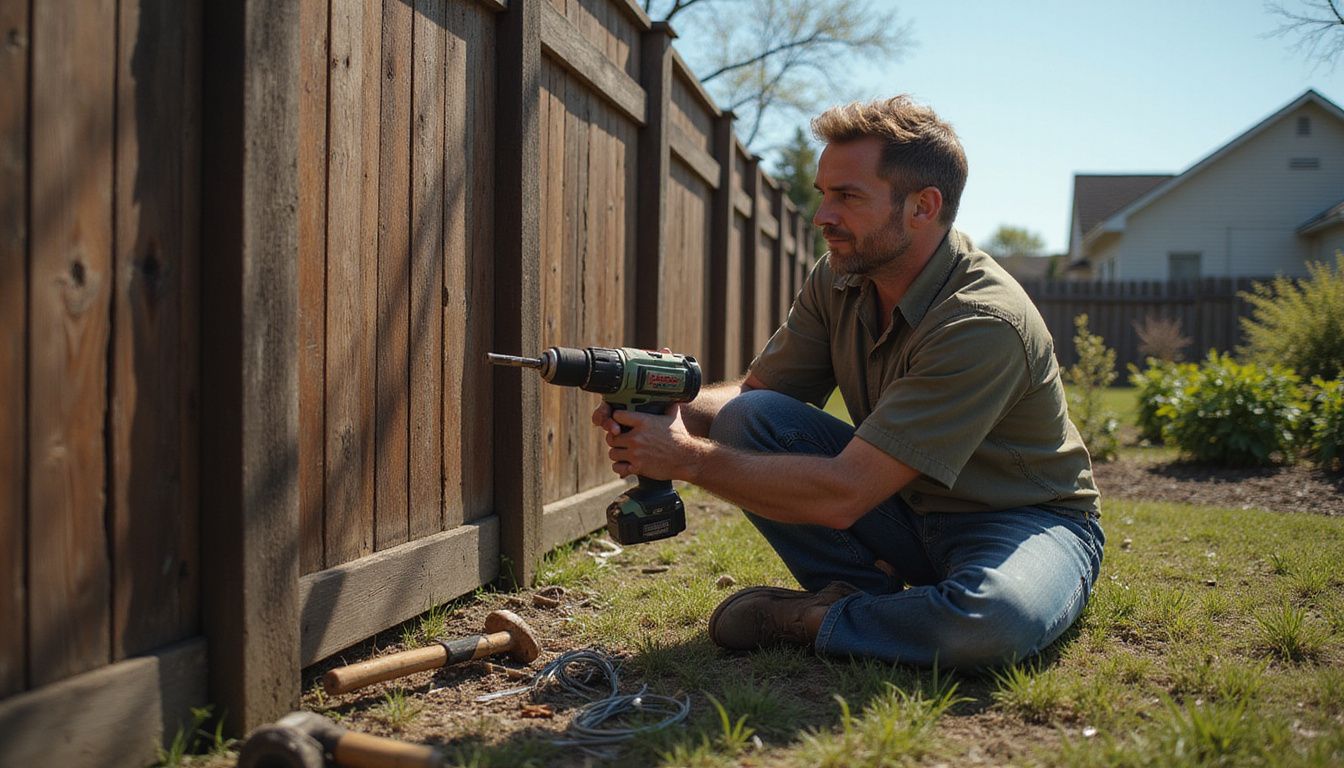
To protect my yard from foxes, I install tall fences they can’t climb and cover places where they might set up dens.
Install fox-proof fencing
I had a problem with foxes trying to dig under my fence. Here’s how I stopped them:
- I chose metal or solid wood for the fence because foxes can chew through weaker materials.
- I installed the fence at least 2 feet into the ground, which prevents foxes from digging underneath.
- The fence is about 6 feet tall since foxes can jump high.
- An overhang on top of the fence stops them from climbing over.
- Adding an electrified fence provides a safe shock that scares off foxes without harming them.
- I closed all gaps and holes in and around the fence to block entry points for foxes.
- Checking the fence regularly allows me to fix any damage or holes quickly to keep out foxes.
- Locking lids on trash cans reduce food smells that attract urban foxes into my yard.
Secure pet enclosures, especially for small animals like guinea pigs, are kept away from the fence.
Removing fallen fruit and food scraps daily eliminates food sources that invite urban European red Fox pest control
By taking these actions, my yard stays free of European Red Fox intrusions safely.
Seal crawl spaces and potential den sites
Foxes enter my yard looking for food or a place for their dens. I stop them by sealing off crawl spaces and potential den sites:
- Look around the garden for holes or openings where foxes might enter.
- Block entrances under decks or sheds with chicken wire, which is strong enough to keep them out.
- Use concrete or bricks to fill gaps around the house’s foundation since foxes can’t dig through these materials.
- Secure fences at the bottom with chicken wire buried a foot deep to prevent digging.
- Ensure garages and tool sheds are secure and that doors close tightly.
- Close off spaces under porches with wire mesh or wooden panels.
These actions have led to fewer fox sightings in my backyard as they look for easier places. This shows that effective wildlife control can deter foxes from settling in your area.
Remove Attractants
To keep foxes out of your yard, remove food and hiding spots. Secure trash cans and don’t leave pet food outside to make your backyard less appealing to them.
Eliminate food sources
I had a problem with foxes looking for food in my backyard. Here’s what I did to solve it:
- I made sure trash cans were sealed tight so foxes couldn’t get into the garbage.
- I picked up any fallen fruit quickly to prevent foxes from eating them.
- Pets were fed inside, avoiding leaving food outside that could attract foxes.
- Bird seed was kept in containers that rodents couldn’t get into, keeping away both rodents and foxes.
- I got rid of all standing water sources since foxes need water as well.
- Grills and BBQs were cleaned after use because their smell can attract foxes.
Then, clearing clutter and debris became important.
Clear clutter and debris
Clearing clutter and debris from the yard helps avoid foxes. They like hiding or making dens in old wood piles and thick brush near my garden. A clean yard does not attract foxes as much.
I also removed food sources like fallen fruit, which can attract rodents—a favorite snack for foxes. Securing trash cans well stops them from scavenging. This way, my backyard becomes less appealing to urban foxes looking for a new home or an easy meal.
Use Fox Deterrents
To deter foxes from my backyard, I use smells they dislike and install motion-activated sprinklers. These methods discourage them from entering.
Apply scent-based repellents
I had trouble with foxes near my guinea pig’s enclosure. I discovered several scent-based fox repellents that were effective.
- I found out foxes dislike human hair smell. So, I got hair clippings from my barber and spread them in the garden.
- Garlic scent also keeps them at bay. I created a mixture of garlic powder and water and sprayed it in the yard.
- I bought a fox repellent from a store, ensuring it was safe for both pets and plants.
- I put mothballs in socks and hung them around potential fox dens. The strong smell of mothballs repels foxes.
- I soaked rags in white vinegar and positioned them along the fence. Foxes are turned away by the sour smell.
- I used predator urine as a repellent, available online or from hunting shops.
These steps led to a noticeable decrease in fox visits. Next, I plan to add motion-activated sprinklers.
Install motion-activated lights or sprinklers
Urban foxes, including European red foxes, began visiting my backyard and getting close to the pet enclosures. To keep them away:
- Installed motion-activated lights around the garden. These turn on with movement, which foxes dislike because they prefer darkness.
- Set up motion-activated sprinklers at strategic spots. The water sprays scare the foxes off by surprising them.
I made sure to cover all potential entry points for the foxes, especially near trash cans and areas with fallen fruit from trees.
- Chose LED lights for their longevity and energy efficiency.
- Selected sprinklers capable of covering large yard areas with water spray.
Carefully placed both devices to avoid blind spots yet kept them spaced out to ensure no overlap in coverage.
This strategy effectively kept foxes away from my guinea pigs and chicken wire without harming any animals or using chemicals.
Now focusing on scent-based repellents…
Employ Active Deterrence
I scare foxes by making noise and spraying water. This keeps them away from my garden and pets.
Use hazing techniques
Dealing with foxes in the backyard requires smart strategies. Hazing is effective without harming them, guiding them to find another place. Here are tactics I use:
- Waving arms largely makes me seem bigger.
- Loud noises, like clapping or banging pots, deter foxes.
- A hose spray can startle them.
- Flashing lights at night keeps them away.
- Tossing non-food items like small sticks or soft balls near the fox creates discomfort.
- Using different repellents around garden edges changes scents and keeps foxes out.
- Securing pet enclosures ensures they don’t attract foxes.
These steps keep my yard less appealing to foxes while avoiding harm to the animals.
Consider the presence of dogs
Having a dog can keep foxes away. Their barking and scent make your yard less appealing to foxes looking for food or shelter. My friend’s Labrador has kept urban foxes out of their garden.
Different dog breeds might be more effective, but any dog can help. Yet, it’s important to secure pet enclosures to protect smaller pets like guinea pigs from these predators. Also, check with a veterinarian about protecting your dogs from parasites that could come from fox dens or rabid animals.
Conclusion
I got rid of a fox in my yard with several steps. First, I made my fence taller so the fox couldn’t jump over it. This blocked any easy access. Next, I removed all food sources that could attract the fox, like garbage near trash cans and fallen fruit from trees.
I cleaned up everything. Then, I used fox repellents with strong smells and installed motion-activated lights to scare the fox away at night. Finally, having a dog helped keep the fox away permanently.
These actions showed that keeping urban foxes out requires smart planning and some physical barriers like tall fences and pet enclosures. Fox deterrents such as smell-based repellents and automatic lights play a key role too.
By taking these measures, you can protect pets like guinea pigs from becoming prey and avoid issues related to nuisance animals in your garden or yard.
FAQs
1. How can I keep foxes away from my backyard?
You can use fox deterrents, such as motion-activated sprinklers and fox repellents. Also, secure your trash cans to eliminate food sources that attract urban foxes.
2. What should I do if a fox has made a den in my garden?
If you find fox dens in your garden, consider using rodent control methods since rodents are a primary food source for them. Consult with nuisance animal experts for safe removal options.
3. Are my guinea pigs at risk from the presence of a fox?
Yes, guinea pigs could be at risk. To protect them, ensure pet enclosures are robust and covered with chicken wire to prevent any unwanted visitors.
4. How do I stop attracting urban foxes into my yard?
Eliminate all potential food sources including securing trash cans tightly and cleaning up fallen fruit promptly from the ground which attracts these creatures.
5. Can health issues like sarcoptes scabiei affect how often I see a fox in my backyard?
Yes! Foxes suffering from sarcoptes scabiei may become more visible during daylight hours due to increased discomfort causing changes in their behavior.