“This post contains affiliate links. As an Amazon Associate, I earn from qualifying purchases”
Raising chickens without relying on commercial feed is not only possible but can also be a rewarding and sustainable practice. By understanding their natural foraging habits and creating an environment that meets their needs, you can keep your backyard flock healthy and happy. This guide will walk you through practical steps on how to raise chickens without feed, focusing on sustainable practices that benefit both your chickens and the environment.
Key Takeaways
- Chickens thrive on foraging; provide access to a variety of plants and insects.
- Utilize kitchen scraps and compost to supplement their diet.
- Implement rotational grazing to improve soil health and reduce feed costs.
- Choose chicken breeds that are naturally good foragers for better sustainability.
- Monitor chicken health regularly to ensure they are getting the nutrients they need.
Understanding Chicken Foraging Habits
Natural Foraging Behaviors
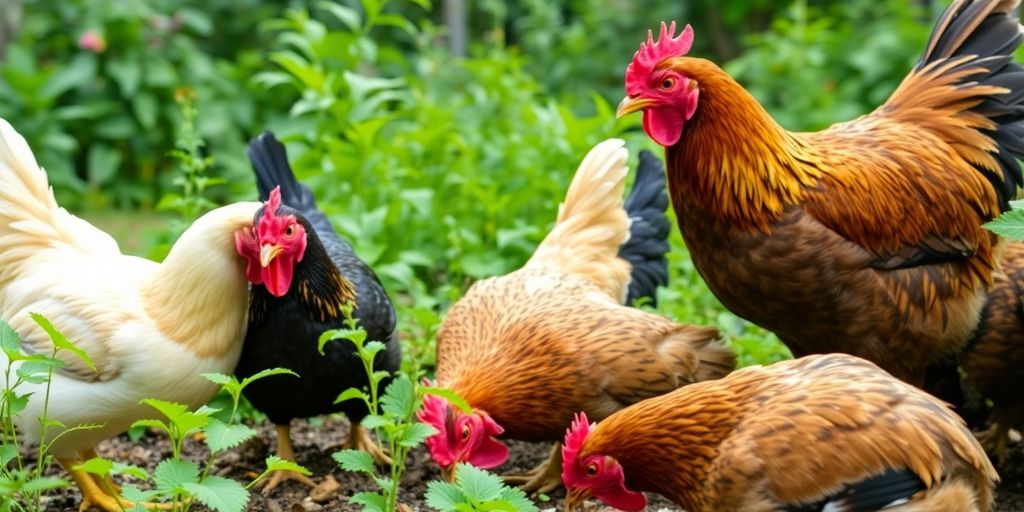
Chickens are natural foragers, and understanding this instinct is key to raising them without relying solely on commercial feed. They instinctively peck and scratch at the ground, searching for insects, seeds, and other edible items. This behavior isn’t just about finding food; it’s also a form of enrichment that keeps them mentally stimulated. Different breeds exhibit varying levels of foraging drive; some are more diligent hunters than others. Production breeds, bred for rapid growth and egg laying, sometimes lack the foraging instincts of older breeds. If your chickens aren’t interested in kitchen scraps, maybe they are getting too many chicken treats.
Benefits of Free-Range Living
Allowing chickens to free-range offers numerous advantages, both for the birds and for you.
- Improved Diet: Free-ranging chickens have access to a wider variety of food sources, leading to a more balanced and nutritious diet.
- Reduced Feed Costs: By supplementing their diet with foraged food, you can significantly reduce your reliance on commercial feed.
- Pest Control: Chickens are excellent at controlling garden pests, such as insects, slugs, and snails.
Free-ranging chickens also exhibit more natural behaviors, leading to happier and healthier birds. This can translate to better egg quality and overall well-being. It’s a win-win situation for both the chickens and the environment.
Seasonal Foraging Opportunities
The availability of natural food sources for chickens varies throughout the year. In spring and summer, insects, worms, and fresh greens are abundant. Fall brings opportunities to forage for fallen fruits and seeds. Even in winter, chickens can find food by scratching through leaf litter and accessing stored food sources. Understanding these seasonal changes allows you to supplement their diet accordingly and ensure they have access to a balanced diet year-round. Consider these points:
- Spring: Focus on providing access to grassy areas with plenty of insects.
- Summer: Ensure access to shade and water, as well as a variety of plants and insects.
- Fall: Supplement their diet with fallen fruits, seeds, and grains.
- Winter: Provide access to stored food sources, such as hay or compost, and consider sprouting grains to provide fresh greens.
Creating a Sustainable Foraging Environment
It’s all about setting up your backyard so your chickens can find a good portion of their food themselves. This not only cuts down on feed costs but also makes for happier, healthier birds. Think of it as creating a little ecosystem where chickens and your garden work together.
Utilizing Kitchen Scraps
Don’t toss those veggie peels and stale bread crusts! Chickens are like little garbage disposals, happily gobbling up many of the scraps we usually throw away. Just be mindful of what you’re feeding them. Avoid things like avocado pits, raw potato peels, and anything overly salty or processed. A good rule of thumb is if you wouldn’t eat it, don’t give it to your chickens. Here’s a quick guide:
- Good Scraps: Fruit cores, vegetable trimmings, cooked pasta, stale bread.
- Scraps to Avoid: Avocado pits/skins, raw potato peels, salty/processed foods, chocolate.
- Occasional Treats: Cooked meat scraps (in moderation), yogurt (plain, unsweetened).
Planting Chicken-Friendly Gardens
Consider planting a garden specifically with your chickens in mind. Things like clover, alfalfa, and various herbs are great for them to forage on. Sunflowers are also a good choice; the chickens can eat the seeds, and you can enjoy the beautiful blooms. Plus, a well-planned garden can attract beneficial insects, which are another tasty treat for your flock. Think about sustainable livestock care when planning your garden.
Incorporating Composting Practices
Composting and chickens go hand-in-hand. You can toss your kitchen scraps and yard waste into a compost pile, and then let the chickens scratch through it. They’ll eat any bugs or worms they find, aerating the compost in the process. Just make sure the compost pile isn’t too hot, and that they have access to other areas if they get tired of scratching. This is a great way to reduce waste and create nutrient-rich compost for your garden.
Integrating chickens into your composting system is a win-win. They help break down the material, eat pests, and add their manure to the mix, creating a super-charged fertilizer for your plants. It’s a closed-loop system that benefits everyone involved.
Implementing Rotational Grazing Techniques
Benefits of Rotational Grazing
Rotational grazing is a game-changer if you’re serious about raising chickens without relying solely on commercial feed. The core idea is to divide your chicken’s foraging area into sections and move them between these sections regularly. This method isn’t just about saving money on feed; it’s about creating a healthier, more sustainable environment for your flock and your land.
- It allows vegetation to recover, preventing overgrazing and soil erosion.
- It reduces the buildup of parasites and pathogens, leading to healthier chickens.
- It distributes manure more evenly, naturally fertilizing the soil.
How to Set Up a Rotational System
Setting up a rotational grazing system doesn’t have to be complicated. Start by assessing your available space and dividing it into manageable sections. The number of sections will depend on the size of your flock and the rate at which they graze. Shawn Jadrnicek, for example, uses seven sections of land, each around 7400 sq ft, for 40 chickens. Electric poultry netting is a great way to keep the chickens in their set area. You can find a full kit for electric poultry netting at many farm supply stores. Here’s a basic outline:
- Divide your pasture: Use fencing (temporary or permanent) to create multiple paddocks.
- Determine rotation schedule: Observe how quickly your chickens graze down each section and adjust accordingly. A good starting point is to move them every few days to a week.
- Provide adequate shelter and water: Ensure each paddock has access to shelter from the elements and a constant supply of fresh water.
- Monitor pasture health: Keep an eye on the vegetation in each paddock. If it’s not recovering quickly enough, reduce the grazing time or increase the number of paddocks.
Impact on Soil Health
Rotational grazing has a significant positive impact on soil health. By preventing overgrazing, it allows plants to regrow and maintain healthy root systems, which helps to prevent soil erosion. Chicken manure acts as a natural fertilizer, enriching the soil with essential nutrients. This can lead to increased soil fertility and improved plant growth. Integrating chickens into garden systems can help reduce the pest population and remove unwanted weeds.
Rotational grazing isn’t just about moving chickens around; it’s about creating a symbiotic relationship between your flock and your land. It’s a way to mimic natural grazing patterns, promoting biodiversity and soil health while reducing your reliance on external inputs.
Selecting the Right Chicken Breeds
Choosing the right chicken breed is super important if you’re aiming to reduce your reliance on commercial feed. Some breeds are just naturally better at foraging than others. It’s all about picking chickens that are active, hardy, and have a strong instinct to find their own food.
Breeds That Excel at Foraging
Some breeds are simply born to forage. They’re active, alert, and spend their days scratching and pecking around for tasty treats. These breeds can significantly reduce your feed costs and improve the overall health of your flock.
Here are a few breeds known for their foraging abilities:
- Leghorns: These Italian chickens are efficient egg layers and love to forage. The brown variety is particularly good at finding food.
- Hamburgs: Originating from Turkey and further developed in Europe, Hamburgs are winter-hardy and excellent foragers, known for their flying skills.
- Old English Game: This ancient breed is active, hardy, and often seen foraging in rural areas.
- Welsumers: Developed in Holland, Welsumers are active and winter-hardy, with a knack for finding insects.
Egg Production vs. Foraging Ability
It’s a balancing act. Some breeds are egg-laying machines but aren’t the best foragers, while others excel at foraging but might not lay as many eggs. You need to consider what’s more important to you. If you want lots of eggs, you might need to supplement their diet more. If you prioritize low-feed costs, a good foraging breed is the way to go. You can check out Light Sussex chickens, which are dual-purpose.
Meat Breeds and Their Foraging Skills
While some meat breeds aren’t known for foraging, there are exceptions. Some meat breeds are efficient foragers and can help with pest control. Red Rangers, for example, are known to eat a lot of pests. Other quick-maturing meat birds include Cornish, Plymouth Rock, and New Hampshire.
Choosing the right breed is a big step toward sustainable chicken keeping. Think about your goals, your climate, and the space you have available. A little research can go a long way in finding the perfect foraging flock for your backyard.
Utilizing Alternative Feed Sources
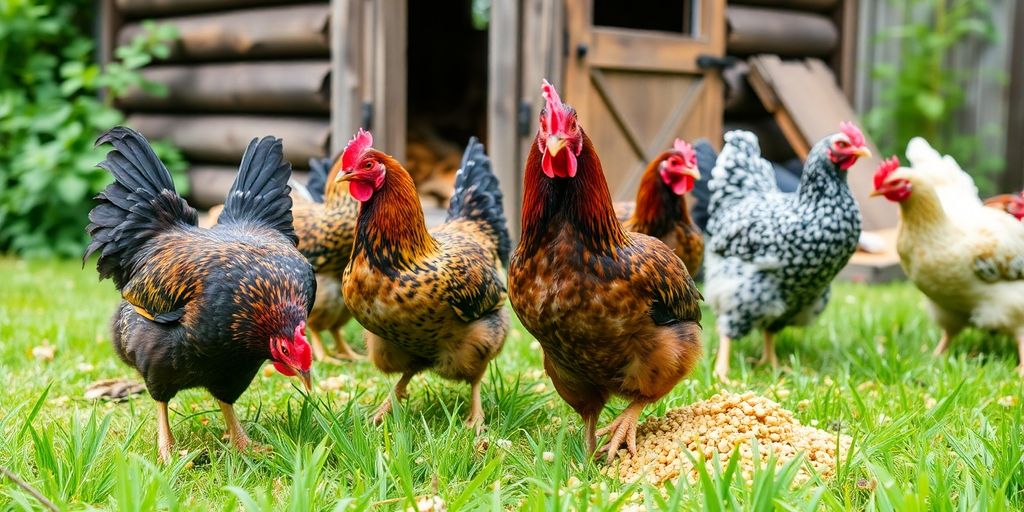
Okay, so you’re trying to ditch the commercial feed? Awesome! There are plenty of ways to keep your chickens happy and healthy without relying on those expensive bags. It’s all about getting creative and tapping into what’s available around you. Think of it as a treasure hunt for your flock!
Sprouted Grains and Seeds
Sprouting grains and seeds is like giving your chickens a superfood boost. It increases the nutritional value and makes them easier to digest. Plus, it’s a fun little project for you. You can sprout things like wheat, barley, oats, and sunflower seeds. Just soak them, rinse them, and let them sprout for a few days. Your chickens will go crazy for them!
Insects and Worms as Protein Sources
Chickens are natural bug hunters, so why not encourage that? You can set up a worm bin or even just turn over logs and rocks in your yard to find insects. Black soldier fly larvae are also a great option; they can eat a lot of waste and provide a lot of protein for your chickens. It’s a win-win!
Local and Organic Feed Options
If you’re not quite ready to go completely feed-free, consider sourcing your feed locally. This reduces the environmental impact of chicken feed and supports small farmers. Look for organic options to avoid harmful chemicals. Here are some brands by region:
- Pacific Northwest: Scratch n’ Peck Feeds
- California: Modesto Milling
- Midwest: Countryside Natural Products
- Southwest: Coyote Creek Organic Feed Mill
- East Coast: Green Mountain Feeds
Sourcing locally and organically is not only better for your chickens but also better for the planet. It reduces transportation costs, supports local economies, and minimizes the use of harmful chemicals in crop production.
Managing Chicken Manure for Sustainability
Chicken manure is a fantastic resource, often overlooked. Instead of seeing it as waste, think of it as a valuable asset for your garden and a key component of a sustainable chicken-raising system. It’s all about closing the loop – using what your chickens produce to benefit your plants, and in turn, your chickens.
Using Manure as Fertilizer
Raw chicken manure is potent stuff. Applying it directly to your garden can burn plants due to its high nitrogen content. That’s why composting is so important. Composting not only reduces the risk of burning your plants, but it also kills off harmful bacteria and pathogens that might be present in the manure. Think of it as a way to sanitize and dilute the manure, making it safe and effective for your garden. You can also manage poultry manure effectively by working with local farmers.
Here’s a simple breakdown of why composted manure is better:
- Reduces the risk of burning plants.
- Kills harmful bacteria.
- Provides a slow-release source of nutrients.
- Improves soil structure.
Composting Chicken Waste
Composting chicken manure is pretty straightforward. You’ll need a compost bin or pile, some carbon-rich materials like leaves or straw, and a little bit of patience. The ideal ratio is about 3 parts carbon to 1 part nitrogen (manure). Layer the materials in your compost bin, turning it regularly to ensure proper aeration and decomposition. The pile should heat up, which is a good sign that the composting process is working. You can even let your chickens help you with your compost pile.
Composting isn’t just about getting rid of waste; it’s about transforming it into something beneficial. It’s a way to mimic nature’s recycling process, turning organic matter back into valuable nutrients for your plants.
Integrating Chickens into Garden Systems
One of the coolest ways to manage chicken manure is to integrate your chickens directly into your garden system. This can be done through rotational grazing or by allowing chickens to free-range in your garden during the off-season. Chickens will naturally scratch and till the soil, spreading their manure evenly and helping to break down organic matter. Just be sure to supervise them, or fence off areas you don’t want them to disturb!
Here’s a simple table showing the benefits of integrating chickens into your garden:
| Benefit | Description |
|---|---|
| Natural Fertilization | Chickens spread manure, providing a natural source of nutrients for plants. |
| Pest Control | Chickens eat insects and weed seeds, reducing the need for pesticides. |
| Soil Aeration | Chickens scratch and till the soil, improving aeration and drainage. |
| Reduced Waste | Chickens consume kitchen scraps and garden waste, reducing the amount of material that ends up in the trash. |
Monitoring Chicken Health Without Commercial Feed
It’s definitely possible to raise chickens without relying solely on commercial feed, but it does require a more hands-on approach to monitoring their health. You can’t just assume they’re getting everything they need; you have to be observant and proactive. I’ve found that paying close attention to their behavior, appearance, and egg production is key to ensuring they stay healthy and happy.
Signs of Nutritional Deficiencies
Okay, so how do you know if your chickens aren’t getting enough of something? Well, there are a few telltale signs to watch out for. Changes in their feathers, like dullness or feather picking, can indicate a lack of protein or certain vitamins. Here’s a quick rundown:
- Reduced egg production: A sudden drop in the number of eggs can signal a deficiency.
- Soft or thin eggshells: This often points to a calcium deficiency.
- Lethargy or weakness: Chickens that seem unusually tired or weak might be lacking essential nutrients.
- Changes in appetite: A chicken that suddenly stops eating or becomes overly picky could have an underlying issue.
It’s important to remember that these signs can also indicate other health problems, so it’s always best to consult with a vet if you’re concerned. But being aware of these potential warning signs can help you catch deficiencies early and make adjustments to their diet.
Maintaining Egg Production
If you’re raising chickens for eggs, maintaining consistent egg production is probably a priority. When you’re not using commercial feed, it can be a bit trickier to ensure they’re getting the right balance of nutrients to support laying. One thing I’ve found helpful is to supplement their diet with kitchen scraps. Here’s what I do:
- Provide a variety of food sources: Make sure they have access to a range of greens, grains, and protein sources.
- Supplement with calcium: Offer oyster shells or crushed eggshells to ensure they’re getting enough calcium for strong eggshells.
- Monitor egg quality: Keep an eye on the size, shape, and shell quality of the eggs. Changes can indicate a nutritional imbalance.
Regular Health Check-Ups
Just like any other animal, chickens need regular health check-ups to stay in tip-top shape. Since you’re not relying on commercial feed to provide all their nutrients, it’s even more important to be vigilant about their health. I usually do a quick check of each chicken every week or so. Here’s what I look for:
- Check their weight: Feel their breastbone to make sure they’re not too thin or too fat.
- Examine their feathers: Look for signs of parasites, feather picking, or unusual feather loss.
- Inspect their droppings: Changes in the color or consistency of their droppings can indicate a health problem.
- Observe their behavior: Watch for signs of lethargy, lameness, or other unusual behaviors.
If you notice anything concerning, don’t hesitate to consult with a vet who has experience with poultry. Catching problems early can make a big difference in their overall health and well-being. Also, remember that saving money on feed is great, but not at the expense of your chickens’ health!
Final Thoughts on Raising Chickens Sustainably
In the end, raising chickens without relying on commercial feed is totally doable. Sure, it might take some creativity and a bit of effort, but the rewards can be worth it. By letting your chickens forage and using kitchen scraps, you not only save money but also contribute to a more sustainable lifestyle. Remember, it’s all about finding what works for you and your flock. Your chickens can thrive on a varied diet, and you’ll feel good knowing you’re doing your part for the environment. So, whether you’re just starting out or looking to make your chicken-keeping more eco-friendly, don’t hesitate to experiment and adapt. Happy chicken raising!
Frequently Asked Questions
Can chickens live without commercial feed?
Yes, chickens can survive without commercial feed if they have enough space to forage for bugs and plants. However, they may not lay as many eggs as they would with a proper feed.
What do chickens eat if not chicken feed?
Chickens can eat kitchen scraps, sprouted grains, seeds, and insects. Allowing them to roam freely helps them find food naturally.
How can I create a good environment for my chickens to forage?
You can create a foraging environment by planting chicken-friendly plants in your yard and using compost, which also helps fertilize the soil.
What are the benefits of rotational grazing for chickens?
Rotational grazing allows chickens to access fresh grass and bugs while helping to improve soil health by spreading manure.
Which chicken breeds are best for foraging?
Breeds like Leghorns, Hamburgs, and Red Rangers are known for their excellent foraging abilities and can thrive on less feed.
How can I tell if my chickens are healthy without commercial feed?
Look for signs like good feather condition, active behavior, and consistent egg production. Regular health check-ups are also important.