“This post contains affiliate links. As an Amazon Associate, I earn from qualifying purchases”
Raising chickens without grain might sound tricky, but it’s totally doable with the right approach. In this guide, we’ll explore how to raise chickens without grain by focusing on sustainable feeding practices. From utilizing kitchen scraps to incorporating natural foraging, you’ll discover various ways to keep your flock healthy and happy without relying on traditional grain-based feeds. Let’s get started on this sustainable journey!
Key Takeaways
- Chickens can thrive on a grain-free diet by foraging and eating kitchen scraps.
- Insects and grubs are excellent protein sources for chickens.
- Pasture-raising chickens can improve their diet and reduce feed costs.
- Creating a balanced diet with homemade feed can be easy and rewarding.
- Regular health checks are essential to ensure chickens are getting the right nutrients.
Understanding Chicken Nutrition Without Grain
The Importance of a Balanced Diet
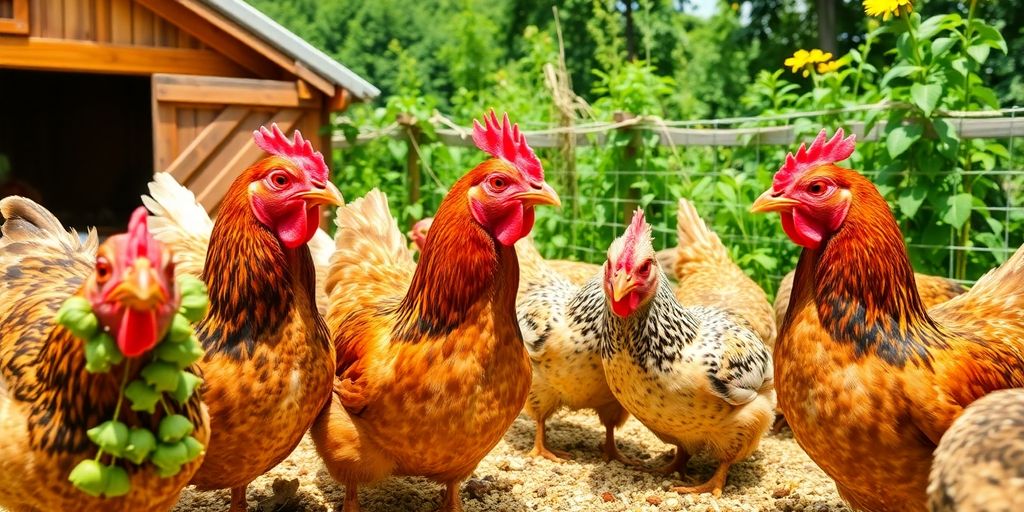
Okay, so you’re thinking about ditching the grain for your chickens? Awesome! But before you toss out that bag of feed, let’s talk about why a balanced diet is super important. Chickens need a mix of nutrients to stay healthy, lay eggs, and just generally be happy birds. Think of it like this: you can’t live on pizza alone, and neither can your chickens live on just bugs and kitchen scraps. They need the right balance of protein, carbs, fats, vitamins, and minerals. Without it, you might see fewer eggs, sick birds, and a whole lot of problems.
Key Nutrients for Chickens
So, what exactly do chickens need to thrive without grain? Here’s a quick rundown:
- Protein: Essential for growth, muscle development, and egg production. Think insects, legumes, and even meat scraps.
- Carbohydrates: Provide energy. Chickens can get carbs from things like root vegetables and some fruits.
- Fats: Important for absorbing certain vitamins and keeping them warm, especially in winter. Consider adding some seeds or nuts.
- Vitamins and Minerals: These are crucial for overall health and strong bones. You might need to supplement with a vitamin/mineral supplement, especially if your chickens aren’t getting a wide variety of food.
Common Misconceptions About Grain-Free Feeding
There are a few things people often get wrong about grain-free chicken diets. One big one is that it’s automatically healthier. Just because it’s grain-free doesn’t mean it’s balanced. Another misconception is that chickens can live on kitchen scraps alone. While scraps can be a part of their diet, they shouldn’t be the only thing they eat. Also, some people think that grain-free means no carbs at all, which isn’t true. Chickens still need energy, and carbs are a good source. It’s all about finding the right alternative chicken diets and balance.
It’s easy to assume that ditching grain is the magic bullet for healthier chickens, but it’s not that simple. You really need to pay attention to what your birds are eating and make sure they’re getting everything they need. Otherwise, you might end up with more problems than you started with.
Exploring Alternative Feed Sources
Utilizing Kitchen Scraps
Okay, so you’re thinking about ditching the grain. Awesome! One of the easiest ways to supplement (or even replace) your chickens’ feed is by using kitchen scraps. I mean, think about it – you’re already generating this stuff, why not let your chickens turn it into eggs? Just make sure you know what’s safe and what’s not.
Here’s a quick rundown:
- Yes: Vegetable peels, fruit cores, stale bread, cooked pasta (plain), cooked rice.
- Maybe (in moderation): Cooked meat scraps (small amounts), cheese (small amounts), yogurt.
- Absolutely NOT: Avocado pits and skins, raw potato peels, onions, garlic, chocolate, anything moldy.
It’s important to remember that kitchen scraps should only be a part of their diet, not the entire thing. You still need to make sure they’re getting all the nutrients they need. Think of it as a supplement, not a replacement. Also, avoid anything too salty or processed.
Incorporating Insects and Grubs
Chickens love bugs. Seriously, they go nuts for them. And lucky for us, insects are a fantastic source of protein. You can actually buy dried insects, but that can get expensive. A better option is to encourage natural foraging or even start your own insect farm. Consider insect-based feeds like black soldier fly larvae.
Here are some ideas:
- Let them free-range: If you have the space, let your chickens roam around your yard. They’ll naturally find bugs to eat.
- Compost pile: Chickens love picking through compost piles for grubs and worms. Just make sure your compost is safe for them (no meat or dairy).
- DIY insect farm: You can actually build a small setup to raise mealworms or black soldier fly larvae. It’s a bit of work, but it can be a great source of protein.
Growing Fodder for Chickens
Fodder is basically sprouted grains or seeds, and it’s a nutritional powerhouse for chickens. It’s packed with vitamins, minerals, and enzymes, and it’s super easy to grow. Plus, it’s a great way to provide fresh greens, especially during the winter months. You can use a variety of grains, like wheat, barley, or oats. I’ve found that fermenting chicken feed can also boost its nutritional value.
Here’s the basic process:
- Soak your chosen grains in water for 8-12 hours.
- Drain the water and spread the grains in a shallow tray.
- Rinse the grains with fresh water 1-2 times per day.
- In a few days, the grains will start to sprout. Once the sprouts are a few inches long, you can feed them to your chickens.
It’s really that simple! You can even set up a system with multiple trays so you always have a fresh supply of fodder available.
Implementing Pasture-Raising Techniques
Benefits of Pasture-Raising
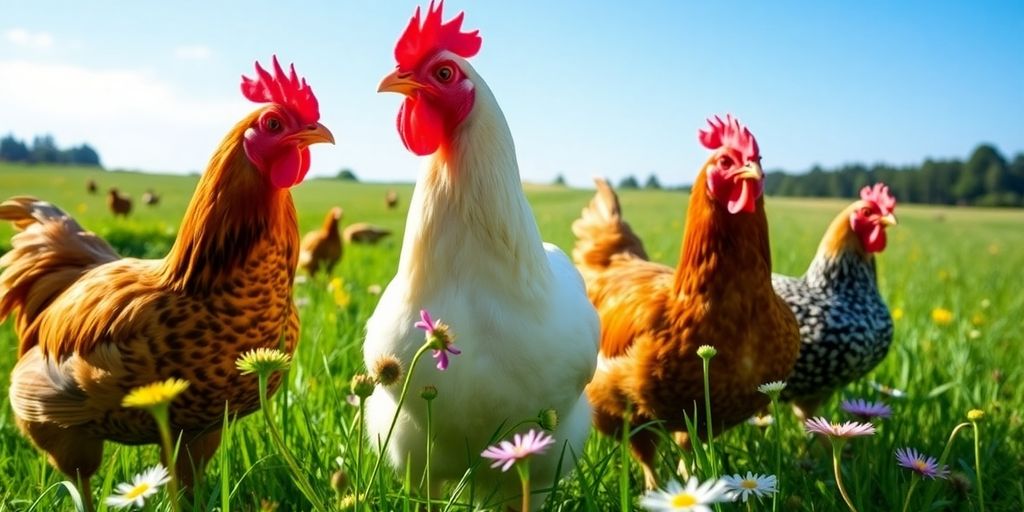
Pasture-raising chickens is a game-changer. It’s not just about letting your chickens roam around; it’s about creating a healthier, more sustainable environment for them and, ultimately, for you. When chickens have access to pasture, they can forage for a significant portion of their diet, reducing your reliance on commercial feed. Plus, it’s just plain fun to watch them do their thing!
- Improved Chicken Health: Access to fresh air, sunshine, and a varied diet of insects and plants boosts their immune systems.
- Reduced Feed Costs: Foraging can significantly cut down on the amount of feed you need to buy.
- Better Egg Quality: Pasture-raised eggs often have richer yolks and higher nutritional content.
Pasture-raising isn’t just good for the chickens; it’s good for the land too. Their manure acts as a natural fertilizer, enriching the soil and promoting plant growth. It’s a win-win situation.
Creating a Rotational Grazing System
Okay, so you’re sold on pasture-raising, but how do you actually make it work? A rotational grazing system is key. The idea is to divide your pasture into several sections and move your chickens between them regularly. This prevents overgrazing, allows the vegetation to recover, and reduces the buildup of parasites. Shawn Jadrnicek, a farmer, uses a rotating pasture system on a small lot to reduce dependency on store-bought grain.
Here’s a simple example of how you might set up a rotational grazing system:
| Section | Size (approx.) | Grazing Period | Recovery Period |
|---|---|---|---|
| 1 | 1/4 of total pasture | 1 week | 3 weeks |
| 2 | 1/4 of total pasture | 1 week | 3 weeks |
| 3 | 1/4 of total pasture | 1 week | 3 weeks |
| 4 | 1/4 of total pasture | 1 week | 3 weeks |
- Divide your pasture into sections using temporary fencing (poultry netting works great).
- Move your chickens to a fresh section every week or so.
- Allow each section to fully recover before the chickens return.
Integrating Chickens with Other Livestock
This is where things get really interesting. Integrating chickens with other livestock, like cows or sheep, can create a synergistic relationship. The larger animals graze on the pasture, and then the chickens come in and clean up the insects and larvae in their manure. It’s a natural form of pest control and helps to break the parasite cycle. Chickens can clean crop fields after harvest, eating vegetables that aren’t sellable.
Here’s how it works:
- Cattle graze a pasture.
- Chickens follow behind, eating insects and larvae in the manure.
- The pasture benefits from the chickens’ manure, which acts as fertilizer.
It’s important to manage the timing and density of your livestock to avoid overgrazing and ensure that everyone has enough to eat. But when done right, integrating chickens with other livestock can create a more sustainable and productive farm.
Creating a Sustainable Feeding Plan
It’s one thing to want to raise chickens without grain, but it’s another to do it in a way that’s actually good for the birds and the environment. This section is all about making a plan that works long-term.
Assessing Your Flock’s Needs
First things first, you gotta figure out what your chickens actually need. It’s not a one-size-fits-all kind of deal. Are they laying hens? Meat birds? Bantams? Each type has different nutritional requirements. A good starting point is to observe your flock. Are they actively foraging? Do they seem energetic? Are their feathers healthy? These are all clues. Also, consider the breed. Some breeds are naturally better foragers than others. For example, Leghorns are known for their foraging abilities, while heavier breeds might be a bit lazier. Don’t forget to factor in the age of your chickens. Chicks have different needs than adults, and older hens might need extra support. Keep a record of your flock’s health and egg production. This will help you identify any potential nutritional deficiencies early on. You can also consult with a vet or poultry expert to get personalized recommendations for your flock.
Seasonal Feeding Adjustments
What your chickens eat in the summer shouldn’t be the same as what they eat in the winter. In the summer, there are usually more bugs and plants available for foraging. This means you can rely more on natural sources of food. In the winter, things get tougher. Bugs disappear, and plants die back. You’ll need to supplement their diet with other sources of protein and nutrients. Consider things like sprouted grains, root vegetables, and even dried insects. Also, think about the weather. If it’s really cold, your chickens will need more calories to stay warm. Adjust their feed accordingly. Here’s a simple table to illustrate seasonal adjustments:
| Season | Foraging Availability | Supplementation Needs | Example Foods |
|---|---|---|---|
| Spring | High | Low | Fresh greens, insects |
| Summer | Very High | Very Low | Pasture, garden scraps |
| Fall | Medium | Medium | Root vegetables, seeds |
| Winter | Low | High | Fermented chicken feed, dried insects |
Monitoring Health and Egg Production
The best way to know if your feeding plan is working is to keep a close eye on your chickens. Look for signs of nutritional deficiencies, like poor feathering, reduced egg production, or lethargy. Regular health checks are a must. Check their weight, comb color, and overall appearance. If you notice anything unusual, consult with a vet. Egg production is another key indicator. If your hens suddenly stop laying, it could be a sign that they’re not getting enough nutrients. Keep a record of egg production to track any changes over time. Also, pay attention to the quality of the eggs. Are the shells strong? Are the yolks a healthy color? These are all signs of a well-balanced diet.
It’s important to remember that raising chickens without grain is an ongoing process. You’ll need to be flexible and adapt your feeding plan as needed. Don’t be afraid to experiment with different feed sources and techniques. The goal is to create a sustainable system that works for you and your chickens.
Utilizing Homemade Feed Recipes
Okay, so you’re thinking about ditching the store-bought stuff and making your own chicken feed? Awesome! It can seem a little intimidating at first, but it’s totally doable, and you get way more control over what your chickens are eating. Plus, it can be really rewarding to know you’re providing them with the best possible nutrition using ingredients you trust. Let’s get into it.
Basic Ingredients for Homemade Feed
When you’re whipping up your own chicken feed, you’ve got to think about balance. It’s not just about throwing a bunch of random stuff together. You need to make sure your chickens are getting enough protein, carbs, vitamins, and minerals. Here are some common ingredients to consider:
- Grains: Corn, wheat, oats, and barley are great for energy. You can use them whole or cracked, depending on your chickens’ preferences. A complete mash or whole grain feed can be a great base.
- Protein Sources: Peas, sunflower seeds, flaxseed, and even dried black soldier fly larvae are excellent protein boosters. Fish meal is another option, but it can be harder to source and might affect the taste of the eggs.
- Greens and Veggies: Think about adding things like alfalfa meal, kelp (for minerals), and even dried garden scraps. These add vitamins and fiber.
- Calcium: Oyster shells or aragonite are essential, especially for laying hens. They need the extra calcium to produce strong eggshells.
Fermenting Feed for Nutritional Boost
Fermenting feed? Sounds fancy, right? But it’s actually pretty simple, and it can seriously boost the nutritional value of your homemade feed. Basically, you’re soaking the feed in water for a few days, which allows beneficial bacteria to grow. This makes the nutrients more digestible for your chickens, and it can even improve their gut health.
Here’s the gist:
- Mix your feed with water in a bucket (use non-chlorinated water!).
- Make sure the water covers the feed completely.
- Let it sit for 2-4 days, stirring once a day.
- You’ll see bubbles and it might smell a little sour – that’s normal!
- Feed it to your chickens! They’ll love it.
Fermenting feed not only increases the availability of nutrients but also introduces probiotics into your chickens’ diet, which can improve their immune system and overall health. It’s a win-win!
Customizing Recipes for Different Breeds
Not all chickens are created equal! Different breeds have different needs. For example, heavy breeds like Orpingtons might need a little less protein than active breeds like Leghorns. And laying hens obviously need more calcium than chicks. Pay attention to your flock and adjust your recipes accordingly. If you have a mixed flock, you might need to experiment a bit to find a balance that works for everyone.
Here’s a basic idea of how to adjust:
- Laying Hens: Higher calcium, moderate protein.
- Growing Chicks: Higher protein, balanced nutrients.
- Meat Birds: High protein for rapid growth.
Don’t be afraid to experiment and see what works best for your chickens! Keep an eye on their health and egg production, and adjust your recipes as needed. Making your own feed is a journey, not a destination!
Encouraging Natural Foraging Behavior
Designing a Foraging-Friendly Environment
Okay, so you want your chickens to forage like pros? It’s not just about letting them loose in the yard. You need to think about creating an environment that actually encourages foraging. This means providing a variety of textures, hiding spots, and things to scratch through. Think of it as building a chicken playground, but with bugs and tasty plants instead of swings and slides.
- Variety is key: Different areas with different substrates (wood chips, leaves, bare earth) will attract different insects and offer different foraging opportunities.
- Provide cover: Chickens feel safer foraging when they have places to duck under if they sense danger. Shrubs, logs, or even piles of branches can work.
- Think vertical: Chickens don’t just forage on the ground. Adding logs or stumps for them to jump on can expand their foraging range and provide new perspectives (and new bugs!).
Creating a good foraging environment doesn’t have to be expensive or complicated. Use what you have available, and observe what your chickens seem to enjoy. You can always tweak things as you go.
Planting Chicken-Friendly Gardens
Want to take your chickens’ foraging game to the next level? Plant a garden specifically for them! This doesn’t mean sacrificing your vegetable patch. Instead, create a separate area with plants that chickens love to eat and that are safe for them. This can supplement their diet and provide them with hours of entertainment. You can even grow fermenting chicken feed to give them a nutritional boost.
Here are some ideas for your chicken-friendly garden:
- Leafy greens: Spinach, kale, and lettuce are all great choices. Plant them in a protected area or use chicken wire to prevent them from being completely devoured.
- Herbs: Many herbs, like mint, lavender, and oregano, are not only safe for chickens but also have health benefits. Plus, they can help deter pests.
- Flowers: Edible flowers like nasturtiums and calendula add color to your garden and provide a tasty treat for your flock. They also attract beneficial insects.
Using Cover Crops for Foraging
Cover crops aren’t just for farmers! They can also be a fantastic way to provide your chickens with a constant source of fresh greens and foraging opportunities. Plant cover crops in areas where you want to improve the soil or provide a temporary foraging patch. As the chickens scratch and peck, they’ll also help till the soil and spread the seeds. It’s a win-win!
Here’s a simple table showing some good cover crop options:
| Cover Crop | Benefits |
|---|---|
| Oats | Fast-growing, provides lots of biomass, attracts beneficial insects. |
| Clover | Fixes nitrogen in the soil, provides a good source of protein. |
| Rye | Winter-hardy, suppresses weeds, improves soil structure. |
| Buckwheat | Fast-growing, attracts pollinators, releases phosphorus into the soil. |
Remember to rotate your cover crops to prevent nutrient depletion and pest buildup. And always supervise your chickens when they’re foraging in a new area to make sure they don’t eat anything harmful. You can also give them healthy treats to supplement their diet.
Maintaining a Healthy Flock Without Grain
Switching to a grain-free diet for your chickens can be super rewarding, but it also means you need to be extra vigilant about their health. It’s not just about tossing out the usual feed; it’s about understanding what they need and making sure they get it from other sources. Let’s dive into how to keep your flock thriving without relying on grains.
Signs of Nutritional Deficiencies
Okay, so how do you know if your chickens aren’t getting what they need? Keep an eye out for these signs. It’s like being a chicken detective!
- Reduced egg production: This is often the first sign that something’s off. If your hens suddenly stop laying as many eggs, or the eggs are smaller or have weak shells, it could be a nutritional issue.
- Feather problems: Dull, brittle, or missing feathers can indicate a lack of protein or certain vitamins. Chickens need good feathers to stay warm and protect themselves.
- Lethargy: A healthy chicken is usually pretty active. If your birds seem tired, weak, or uninterested in foraging, it’s a red flag.
- Changes in appetite: A sudden loss of appetite or, conversely, excessive eating can both be signs of a nutritional imbalance. They might be trying to compensate for something missing in their diet.
- Behavioral changes: Sometimes, nutritional deficiencies can manifest as behavioral issues, like feather-pecking or aggression. It’s their way of saying, “Hey, something’s not right!”
Regular Health Checks and Monitoring
Regular check-ups are key. It’s like taking your car in for maintenance – you want to catch small problems before they become big ones. Make it a habit to observe your chickens regularly. Look at their combs and wattles – they should be bright red and healthy-looking. Check their droppings for any signs of diarrhea or unusual colors. And, of course, handle them occasionally to check their weight and feel for any lumps or bumps. If you notice anything unusual, don’t hesitate to consult with a vet who’s familiar with poultry. Early detection can make a huge difference.
Adjusting Diet Based on Life Stages
Just like humans, chickens have different nutritional needs at different stages of their lives. Chicks need a diet that’s high in protein to support their rapid growth. Laying hens need plenty of calcium for strong eggshells. And older chickens may need fewer calories to prevent obesity. Adjusting their diet based on their life stage is super important for keeping them healthy and happy. For example, you might want to supplement the diet of laying hens with alternative chicken diets rich in calcium, like crushed oyster shells.
It’s important to remember that transitioning to a grain-free diet is a process. Don’t expect to see results overnight. It may take some time for your chickens to adjust and for you to fine-tune their diet. Be patient, observant, and willing to make changes as needed. Your chickens will thank you for it!
Wrapping It Up: Raising Chickens Sustainably
So there you have it! Raising chickens without grain is totally doable and can be a fun challenge. By using natural foraging, scraps, and even some homemade feed, you can keep your flock healthy and happy. Remember, it’s all about balance and doing what works best for you and your chickens. Don’t stress too much about finding the perfect feed—just focus on providing a variety of good options. Your chickens will thank you with delicious eggs and plenty of joy. Happy chicken raising!
Frequently Asked Questions
Can chickens live without grain in their diet?
Yes, chickens can thrive without grain. They can get their nutrients from other sources like kitchen scraps, insects, and plants.
What are some good alternatives to grain for chicken feed?
You can use kitchen scraps, insects, grubs, and even grow fodder to feed your chickens instead of grain.
How can I make sure my chickens get all the nutrients they need?
To ensure your chickens are healthy, provide a variety of foods, including vegetables, fruits, and protein sources like insects.
Is pasture-raising chickens a good idea?
Yes, pasture-raising allows chickens to forage for food, which can improve their diet and reduce the need for grain.
What should I do if my chickens show signs of nutritional deficiencies?
If you notice any signs of health issues, adjust their diet by adding more variety and nutrients, and consult a vet if necessary.
Can I create my own chicken feed at home?
Absolutely! You can mix different ingredients like seeds, vegetables, and proteins to create a balanced homemade feed for your chickens.