“This post contains affiliate links. As an Amazon Associate, I earn from qualifying purchases”
Recently, my backyard has become a favorite spot for cats. I’m not alone in facing this problem. I found some effective methods to keep them away without harm. Here are those strategies.
Citrus peels in the garden can deter cats because they dislike the smell. Putting chicken wire on top of soil makes it hard for cats to dig and discourages them from using your yard as a litter box.
The trap-neuter-return (TNR) approach is a humane way to reduce stray cat populations over time.
Using cayenne pepper or coffee grounds around plants can also keep cats out of flower beds. Motion-activated sprinklers scare off intruders with a sudden burst of water, making your garden less inviting to them.
To secure your property, consider installing cat-proof fencing or adding rolling bars that make it difficult for cats to climb over fences. Sharp-edged mulch in garden areas discourages visits because it’s uncomfortable for their paws.
For those dealing with unwanted wildlife visits, these tips provide safe and respectful ways to address the issue without harming animals.
Key Takeaways
- Use citrus peels, cayenne pepper, or coffee grounds to keep cats away. Cats dislike the smell.
- Install motion-sensor sprinklers and cat-proof fences with rolling bars to prevent cats from entering your yard safely.
- Grow lavender, rosemary, pennyroyal, rue, or Scaredy Cat plants. Their scents deter cats.
- Apply Trap-Neuter-Return (TNR) to manage stray cat populations humanely. This method involves catching, neutering, and returning them.
- Encourage neighbors to practice responsible pet ownership by using yard deterrents. This reduces strays.
Understanding Stray vs. Feral Cats
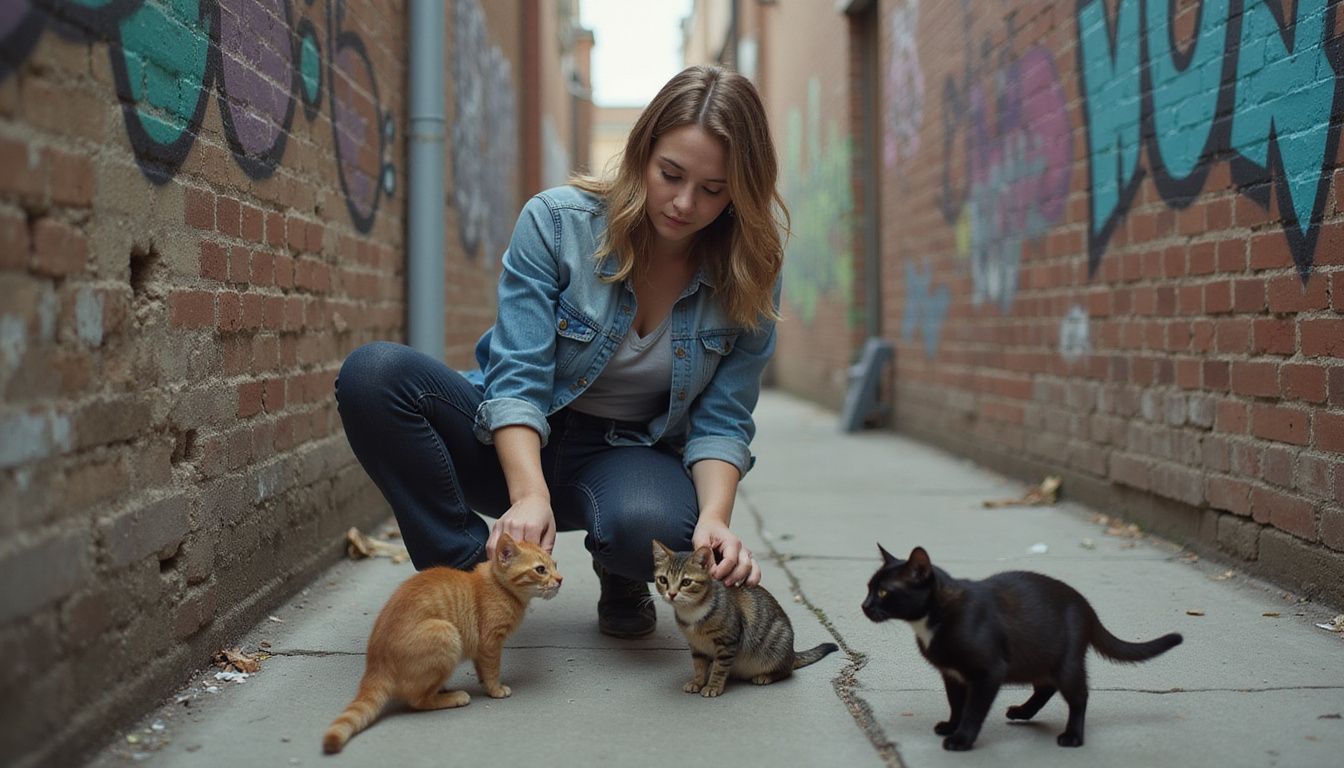
Stray cats lived with people but are now outside. Wild cats never had human contact. This knowledge helps me handle them correctly.
Key differences between stray and feral cats
Cats that stray often used to live with people. They might be lost or abandoned. These cats usually aren’t afraid of humans and might like a gentle touch or a treat from someone kind.
Since they have been around humans before, they can sometimes adjust to living inside again.
Feral cats are different; they’re wild. They are born in places like alleys or open fields where there’s no human contact. I wouldn’t try to touch one because they see people as threats and stay away.
Feral cats have good survival skills, finding food in trash cans or hunting small animals when necessary.
Understanding if you’re dealing with a stray or feral cat is key for handling the situation right.
Why it’s important to identify the type of cat
Understanding if a cat is stray or feral helps me respond better. Stray cats were once pets and are more likely to approach people. Feral cats grew up in the wild and usually avoid humans.
This knowledge determines how I react. A lost, friendly cat might need help returning home.
Trap-Neuter-Return (TNR) is effective for managing feral cats without hurting them. For strays, contacting local shelters can help find them homes or reunite them with their families.
Knowing a cat’s background lets me decide the best way to assist or keep them out of my yard in a safe, kind manner.
Now, let’s discuss natural deterrents for keeping unwanted guests away from the yard…
Citrus peels, cayenne pepper, and coffee grounds work as natural repellents in flower beds. Motion-activated sprinklers startle cats without causing harm. Cat-proof fencing or rolling bars prevent cats from climbing over fences.
Sharp-edged mulch can discourage cats from walking through garden areas.
These strategies offer humane ways to control wildlife interference in our outdoor spaces while respecting the animals’ welfare.
Natural Deterrents to Keep Cats Away
Keeping cats away from your yard might seem tough, but nature gives us some clever tools. Things like coffee remains or the peel of an orange can send them walking the other way.
Scent-based repellents like coffee grounds or citrus peels
I found a method to deter cats from my yard using coffee grounds and citrus peels. These scents are unappealing to them, so spreading them around my flower beds and garden soil effectively keeps cats away.
Also, combining these items with water creates a repellent spray. This solution is useful for areas where cats frequently sit or dig. It’s both simple to make and safe for the plants.
Planting cat-repellent greenery
Using coffee grounds and citrus peels helps keep cats away. Plants like lavender, rosemary, and pennyroyal also work well because their scents don’t appeal to cats. Adding rue or the Scaredy cat plant to gardens deters them too.
These plants can make outdoor spaces look good while keeping stray and community cats at a distance without harm.
Motion-activated sprinklers
I tried motion-activated sprinklers to keep stray cats out of my yard. These devices detect movement and spray water, which scares the cats without harming them. I set up these sprinklers near flower beds and fences where cats usually enter the garden.
After installing them, I noticed that when the sprinklers turned on, the cats quickly left. Over time, fewer cats visited my yard, proving this method effective for deterring them peacefully.
Physical Barriers
To keep cats away, use physical barriers.
– Install cat-proof fencing or add rolling bars on top to prevent them from climbing over.
– Spread sharp-edged mulch around the area; cats don’t like walking on it.
Cat-proof fencing
I found a way to stop cats from jumping over my fence by using cat-proof fencing with rolling bars on top. These bars spin, making it hard for cats to climb and keep them out without hurting them.
I also tried attaching chicken wire at an angle on top of the fence. Cats don’t like climbing things that feel unstable, so this worked well as a deterrent. Both methods were effective in keeping cats out of my yard and safe.
Cats are smart and can move well, but with these strategies, I was able to keep them away politely.
Covering garden soil with sharp mulch or stones
Covering garden soil with sharp mulch or stones deters cats. These materials make walking uncomfortable for them, so they stay away from the areas. As a result, fewer stray and feral cats visit my flower beds.
Sharp-edged mulch and stones are both effective and safe. Spread them over the soil in spots where cats usually enter. This approach protects plants without harming any animals, offering a straightforward solution to keep unwanted visitors out of gardens.
Humane Methods for Managing Cat Populations
Trap-Neuter-Return (TNR) helps control stray cat populations by catching, neutering, and returning them.
– Setting up feeding stations away from your yard keeps cats at a distance while caring for them.
Trap-Neuter-Return (TNR)
I learned about Trap-Neuter-Return, or TNR. This method catches stray and feral cats, has them neutered or spayed, and returns them outside. It controls the cat population humanely.
Alley Cat Allies supports it to stop more kittens from being born on the streets.
For TNR to be effective, communities must get involved. Setting up feeding stations away from yards helps. Watching the health of these cats after return is also vital. Chicken wire or sharp-edged mulch around flower beds can prevent neutered cats from returning and deter new ones.
Providing feeding stations away from your yard
Create feeding spots away from the garden to attract stray and feral cats elsewhere. This prevents them from turning flower beds into litter boxes or preying on local wildlife. Place cat food in these areas, ensuring they’re distant enough to keep cats out of the yard.
Promoting responsible pet ownership is crucial too.
Encouraging Responsible Pet Ownership in the Community
I talk to neighbors about keeping pets safe. This includes how to handle stray cats using chicken wire or motion-activated sprinklers to keep them in their own yards. Doing this helps prevent pets from getting lost or hurt.
Spaying and neutering are vital. They reduce the number of stray kittens born. We work on trap-neuter-return (TNR) programs to manage the cat population safely.
In community meetings, we discuss setting up feeding stations away from our homes. This approach helps avoid unwanted visits from community cats.
We focus on promoting responsible pet ownership together.
Conclusion
First, figure out if the cats in your backyard are strays or wildlife. This helps you choose the right approach. Use citrus peels or coffee grounds to keep them away. Planting certain types of plants can also deter them.
For more protection, install motion-activated sprinklers. Cat-proof fencing is another effective option. If there’s a problem with too many cats, trap-neuter-return (TNR) programs can reduce their numbers humanely.
Also, discuss with neighbors about keeping their pets indoors to prevent this issue.
FAQs
1. How can I discourage stray and community cats from my backyard?
You can use natural deterrents like citrus peels, cayenne pepper, or coffee grounds in your flower beds. Cats dislike these smells and will avoid areas where they are present.
2. What can I do to protect my garden from cats?
Try using chicken wire or sharp-edged mulch around your plants. You could also consider installing motion-activated sprinklers or cat-proof fencing with rolling bars to keep the cats out.
3. Are there humane ways to control feral cats in my backyard?
Yes! The Trap-Neuter-Return (TNR) method is a humane way of managing feral cat populations. It involves trapping the cat, having it neutered by a professional, then returning it back to its territory.
4. Can pets help deter stray and feral cats?
Dogs may help as their presence often scares away cats but be careful not to create more issues between animals in your yard.
5. Is wildlife control an option for getting rid of unwanted cats?
Absolutely! If you’ve tried everything else without success, contacting local wildlife control services might be necessary for removing persistent strays or ferals from your property.