“This post contains affiliate links. As an Amazon Associate, I earn from qualifying purchases”
Seeing a groundhog in your backyard is common. I’ve found some kind ways to make them leave. Here are my tips.
First, cover their burrows with chicken wire fencing. This stops them from digging new ones. Also, fill old tunnel systems with soiled kitty litter; they hate the smell.
Adding epsom salts or castor oil around your yard can also keep them away. These smells are bad for groundhogs and prevent them from coming close.
Spread cayenne pepper near your vegetable garden and under fruit trees to protect them. Groundhogs won’t eat anything covered in it.
To stop groundhogs from eating fallen fruit, pick it up often. This makes your yard less inviting.
Using scents like bobcat urine, fox urine, coyote urine, or wolf urine scares groundhogs away. They think a predator is nearby.
Hair clippings and blood meal sprinkled around can also frighten them off without harming them.
Lastly, putting talcum powder along the edges of gardens acts as another repellent.
For those who might need stronger solutions, installing an electric fence works well but requires more effort and cost.
Key Takeaways
- Cover groundhog holes with chicken wire and add used cat litter to drive them away.
- Spread Epsom salts, castor oil, or pepper in your yard. Groundhogs dislike these scents and tastes.
- Put up fences or set up motion-sensing water sprinklers to protect your garden from groundhogs.
- Trap groundhogs by using fresh vegetables as bait in traps placed near their tunnel entrances.
- Clean up your yard regularly. Remove fallen fruit and block any tunnels or holes.
Signs of a Groundhog Infestation
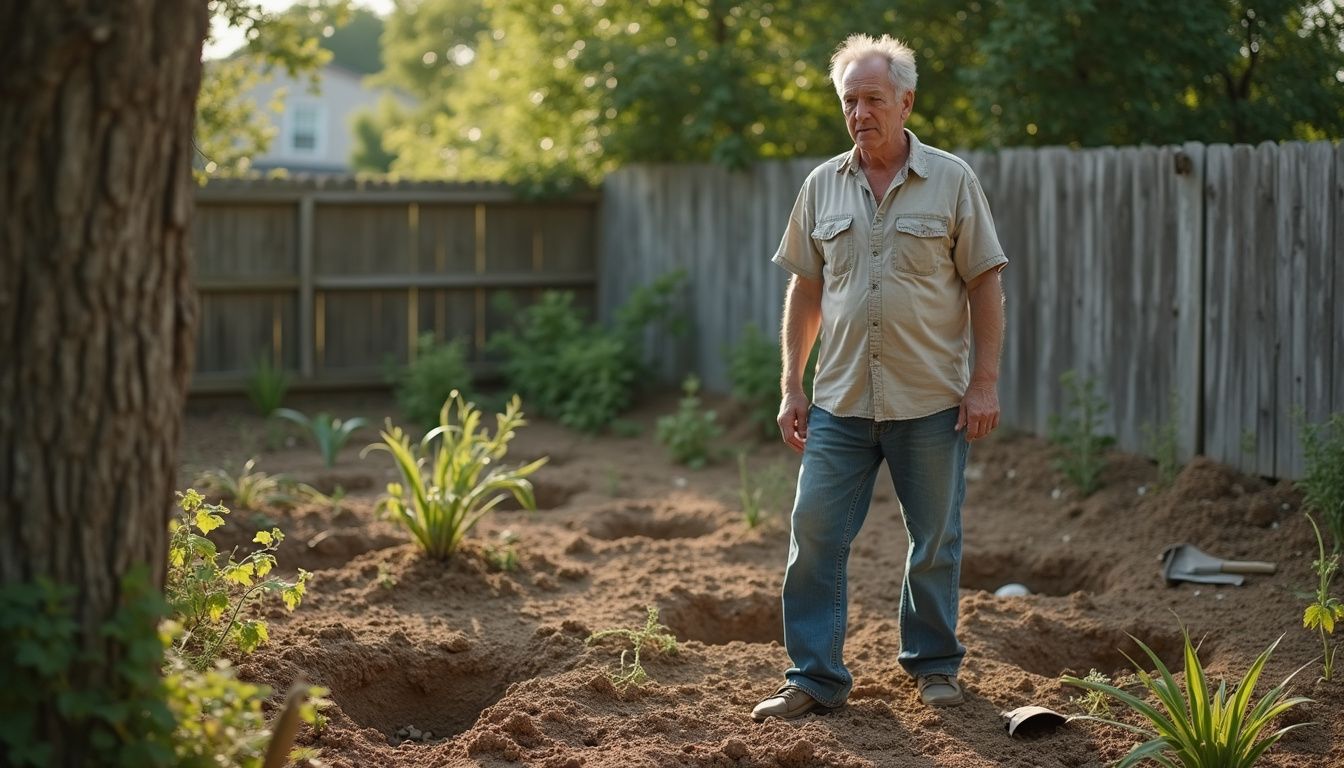
If my yard has holes and my plants are damaged, groundhogs might be the problem. They create tunnel systems that can destroy gardens.
Burrows and tunnels
Groundhogs, also known as whistle pigs, create large burrows in yards. These tunnels have multiple entrances and rooms. Last summer, a network of these tunnels damaged my vegetable garden.
Groundhogs use these burrows to live and hide from predators.
Their tunneling can ruin the soil structure, making the ground uneven. This makes walking or mowing the lawn difficult. The holes collect water, causing erosion and possibly harming nearby structures’ foundations.
To solve this problem without hurting the groundhogs, I learned about their behavior to deter them effectively.
Damage to plants and crops
I found burrows and tunnels in my yard, which meant trouble for my vegetable garden. Groundhogs had started to attack the plants, eating lettuce, carrots, and damaging fruit trees.
They quickly ate large areas of greenery.
To protect the remaining plants, I installed chicken wire fencing deep into the ground because groundhogs can dig well. I also used cayenne pepper around the plants to deter them since they dislike spicy food.
Protecting crops is essential after spending time growing them.
Natural Ways to Get Rid of Groundhogs
To keep groundhogs away, you can use items right from your home like Epsom salt and castor oil. Even smells they don’t like, such as clove or rosemary oil, can make them find a new place to live.
Epsom salt
I found that using Epsom salts helps keep groundhogs away from my garden. Sprinkling it around plants keeps them at bay because they dislike its taste and smell. It’s effective, yet needs another application after rain.
Moving on, I discovered castor oil also works well.
Castor oil
Mixing castor oil with soap and water makes a natural repellent. Pouring this mix into groundhog burrows and around the garden keeps them away. The smell of the soil becomes unpleasant to groundhogs, making them leave.
Last spring, I saw burrows near my vegetable garden. After using the castor oil solution around their tunnels and crops, the groundhogs stopped coming in a few days.
This method protects gardens from these creatures without harming plants.
Essential oils (clove, lemongrass, rosemary)
I use a natural spray to keep ground hogs away from my yard. This spray contains clove, lemongrass, and rosemary oils mixed with water. I apply it around burrows and my vegetable garden.
The strong scents discourage ground hogs without harming plants or the environment. I make this spray often to ensure ground hogs stay away from my garden areas. It also leaves my backyard smelling fresh.
Physical Deterrents and Barriers
To deter groundhogs, try these methods:
– Erect chicken wire fencing around your garden.
– Cover fruit trees and vegetable gardens with netting.
– Place motion-activated water sprayers in key areas.
Fencing and nettingChicken wire fencing helps me keep groundhogs away. I make sure it’s 3 feet high and buried a foot deep. I also bend the bottom outward in an “L” shape to stop them from digging into my garden.
I use netting over my vegetable garden to protect plants from groundhogs. Adding cayenne pepper around the area works as an extra repellent. This approach keeps those hungry groundhogs out of my yard.
Motion-detecting water sprinklers
I discovered that motion-detecting water sprinklers effectively keep groundhogs away. These devices detect movement and spray water, scaring off the animal. I installed one near my vegetable garden to deter these frequent visitors.
The impact was immediate.
My neighbor noticed the success in my yard and installed these sprinklers too. We both saw a decrease in groundhog visits. This method doesn’t hurt them; it just surprises them enough to stay away.
Our gardens are now safe from their damage.
Humane Trapping and Relocation
Catching and moving groundhogs can be kind. Place a cage near their tunnel and use food they like as bait.
Proper trap placement
To trap a groundhog, placing the trap near their tunnel entrances or paths they frequently use is effective. Groundhog burrows are noticeable by large dirt piles nearby. Positioning the trap’s entrance facing the tunnel improves capture rates.
Using garden fruits and vegetables as bait attracts them inside the trap. The best times for setting traps are early morning or late in the afternoon since groundhogs are most active then.
Recommended baits
I set the trap in a good spot and choose fresh veggies as bait because groundhogs find them irresistible. I use cantaloupe, strawberries, or peas for their sweetness. Adding green beans or carrots to the mix also works well since groundhogs can’t resist them.
Including leafy greens like lettuce or cabbage can be effective too. Combining these fruits and vegetables makes an attractive meal for any hungry groundhog.
Putting soiled kitty litter at the trap’s entrance discourages groundhogs from escaping once they enter for the bait. This method helps catch them easily without harm, allowing them to live safely somewhere else.
Preventing Future Groundhog Problems
To prevent groundhogs from returning, clean your yard and seal their burrows.
– Remove fallen fruit and unused food.
– Seal off tunnels with chicken wire fencing or fill them with soiled kitty litter.
Remove food sources
I keep my yard tidy to deter groundhogs, ensuring no fallen fruit or food is left out. Groundhogs are attracted to the fruits and vegetables in gardens. By cleaning up any leftovers, I reduce their food sources.
I also use a chicken wire fence around my garden. This prevents groundhogs from reaching the plants. Regular checks help me repair any breaches in the fence, blocking paths for potential intruders.
Seal burrow entrances
To keep groundhogs away, start by getting rid of food that attracts them. Next, focus on their homes. Groundhogs dig tunnels and burrows in our yards. Sealing these entrances is key.
Pouring soiled kitty litter into the holes makes groundhogs avoid the area because they dislike the smell.
You can also fill burrow openings with rocks or dirt to prevent digging in the same spot again. A friend mixed soil and gravel to pack a hole tight near his vegetable garden after spotting a woodchuck tunnel.
This method stopped new digging for months and keeps critters away by removing their safe spots in our backyards.
Maintain a clean yard
I keep my yard tidy to deter groundhogs. They prefer hiding in unkempt areas with tall grass and debris, so I mow regularly. Immediately removing fallen fruit and branches makes my yard less attractive to them.
In my vegetable garden, I harvest ripe produce promptly because groundhogs find it appealing.
I install chicken wire fencing around fruit trees and the garden to block their access. The chicken wire extends deep into the ground, preventing them from digging underneath. Regular cleaning includes checking for new burrows or tunnel systems that groundhogs may start near fences or buildings.
Conclusion
Getting rid of a groundhog in your backyard might seem hard, but it’s possible with the right methods. Using Epsom salts or castor oil can naturally keep them away. Fences and motion-activated water sprinklers are good for stopping them from getting close.
Catching one and moving it somewhere else is kind too. Keeping your yard clean and free from their food sources, like fallen fruit, will prevent more from coming back. This approach makes your space less inviting to them while still being nice to the animals.
FAQs
1. What are some effective ways to get rid of a groundhog in your backyard?
You can use several methods to deter groundhogs, including chicken wire fencing around vegetable gardens or fruit trees, castor oil and Epsom salts as repellents, or even soiled kitty litter. Some people also utilize the scent of predators like bobcats, foxes, coyotes or wolves using their urine.
2. How can I protect my garden from groundhog burrows?
Groundhogs create complex tunnel systems which could damage your garden. To prevent this, you might want to install chicken wire fencing deep into the soil around your plants. Removing fallen fruits promptly and sprinkling blood meal may also discourage them.
3. Do natural remedies work for getting rid of groundhogs?
Yes! Many natural substances such as cayenne pepper and talcum powder have been reported to be effective groundhog repellents. Even hair clippings scattered around their burrows could help keep these creatures at bay.
4. Is it true that certain scents repel groundhogs?
Absolutely! Groundhogs dislike many strong smells like Epsom salts and castor oil; predator odors from animals like bobcats or wolves (using urine) can scare them away too!
5. When is the best time to try removing a groundhog from my yard?
The best time would be during winter when they hibernate; however remember that disturbing hibernating wildlife may not be legal in some areas so always check local regulations first.