“This post contains affiliate links. As an Amazon Associate, I earn from qualifying purchases”
Lizards in the backyard are a real problem. I’ve faced this issue myself with both tiny house geckos and big iguanas getting into my home and garden. I learned how to manage these nuisance animals and keep them out.
Here are straightforward steps for lizard control to help your space stay lizard-free.
First, clean up your yard. Lizards love hiding spots like piles of leaves or wood. Remove these areas to discourage them from staying.
Next, use outdoor lights sparingly at night. Lights attract bugs, which in turn attract lizards looking for food.
Seal openings around doors, windows, and foundations to prevent lizards from getting inside your house.
Consider natural repellents like peacock feathers or eggshells around your garden; some believe these deter lizards.
If the problem persists, professional pest control might be necessary for stubborn cases involving common house gecko or western fence lizards issues.
Keeping your space clean and reducing insects will also lower the chances of attracting lizards into your area.
Key Takeaways
- Remove leaf piles and cut the grass to make your yard less appealing to lizards.
- Scatter coffee grounds, garlic juice, or peacock feathers around your garden as eco-friendly lizard repellents.
- Seal gaps in doors, windows, and foundations. Add fine mesh screens to keep lizards out.
- Turn off outdoor lights when not needed to decrease bugs that attract lizards.
- Keep your yard neat by trimming plants and removing water sources to reduce lizard habitats.
Common Lizards Found in Backyards
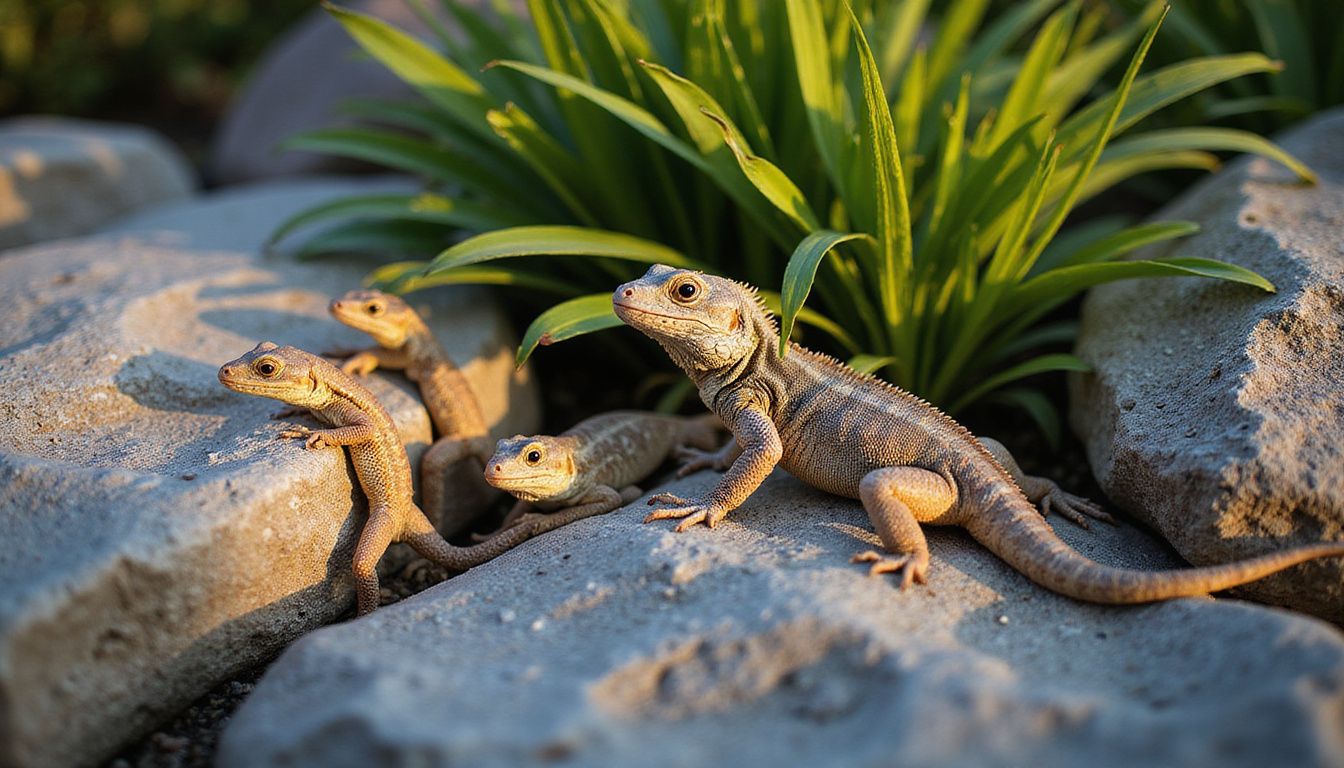
If you’re often outside in your backyard, you might see a few types of lizards. Geckos and iguanas are pretty common sights.
Geckos
Geckos find my backyard inviting because they hunt bugs there. They sneak in through small openings and make themselves at home. I notice them on walls near lights where bugs cluster at night, making the common house gecko a frequent visitor.
For lizard control, I apply slippery substances to surfaces to prevent them from climbing and finding places to rest. Also, turning off outdoor lights reduces the number of insects, making my garden less appealing for geckos since their food source decreases.
Iguanas
Iguanas can be a problem in backyards. They are bigger than common house geckos, eat a lot of plants, and need more space. To manage this, I trimmed overgrown bushes and installed fences to block them out of my garden.
Using natural repellents like garlic spray helped too. It keeps away iguanas along with other pests such as the tokay gecko or Carolina anole. Covering water sources also prevented them from returning.
These methods made my backyard less attractive to iguanas without harming other animals or using strong chemicals.
Why Lizards Are Attracted to Your Backyard
Lizards enter my backyard in search of food, like insects, and for safe hiding spots.
Food Sources
I discovered lizards are attracted to my yard because they eat bugs and other small creatures. These insects act like a food source for them, leading to a lot of lizard droppings around.
To solve this, I read that removing the bugs would make the lizards go away too.
“Get rid of their food, and they won’t stay.”
Following this advice, I applied pest control techniques in my garden. As a result, the bugs started to decrease. With fewer insects available as food, the number of lizards dropped significantly.
Shelter and Hiding Spots
Lizards seek out hiding spots for safety. I found wood piles, leaf litter, and dense shrubs in the yard, ideal for lizards to hide. Lizard droppings confirmed their presence.
To fix this, I cleaned up these areas. First, I removed the wood piles and then got rid of overgrown plants and leaves. Keeping bushes trimmed and the garden neat made it tough for lizards to find hiding places near my house.
Water Availability
I found that lizards need water and might come near if you have a pond or leaky faucets outside. Fixing leaks and emptying containers with water helps control lizards in the home and garden.
Also, I check for places where rainwater gathers. I keep dishes under plants or bird baths dry, or change the water often to make my yard less inviting to them while avoiding harmful pest control methods.
Effective Ways to Get Rid of Lizards
To enjoy a lizard-free backyard, use natural repellents and barriers.
– Apply natural repellents against common house geckos.
– Build barriers for effective lizard control, keeping your home and garden comfortable.
Use Natural Repellents
I use natural repellents to control lizards in my garden. This approach is better for the home and safer for the environment. Here are effective methods:
- Coffee grounds around the yard deter lizards due to their dislike of the smell.
- Garlic cloves or garlic juice spray work as barriers, keeping lizards away with their strong scent.
- A mixture of hot sauce and water sprayed where lizards gather repels them because they can’t handle the spice.
- Peacock feathers scare lizards away by making them think predators are close.
- Crushed eggshells spread out harmlessly irritate lizard’s bellies with their sharp edges.
- Onion slices or juice also create an unpleasant barrier for lizards thanks to its strong smell.
- Cinnamon acts as a safe repellent that doesn’t damage plants or pets.
These simple steps help me keep my backyard free from lizards without using harsh chemicals or calling pest control services.
Deploy Homemade Deterrents
Lizards often visit backyards, seeking food, shelter, and water. Here are some effective homemade deterrents:
- Mixing coffee grounds with tabasco sauce and spreading it in the yard repels lizards because they dislike the smell.
- A solution of chopped garlic or onion mixed with water and sprayed around the garden keeps lizards away due to its strong scent.
- Placing peacock feathers around areas where lizards frequent can scare them off. They mistake these for predators.
- Spreading eggshells throughout the garden deters lizards; they find the texture unpleasant.
- Spraying lemon water around helps as well. The citrus smell is something lizards avoid.
These strategies have successfully kept my backyard lizard-free without causing them harm.
Next step involves trimming overgrown landscaping to eliminate lizard hiding spots.
Trim Overgrown Landscaping
I cut back bushes and tall grass to make the yard less inviting for lizards. They like hiding in thick plants, so keeping everything neat is key. I use tools like clippers and lawnmowers regularly and remove dead leaves where lizards might hide.
With a tidy garden, there are fewer spots for them to feel safe. This is effective for lizard control in my yard, making sure they don’t pick my home as theirs.
Install Physical Barriers
After trimming my yard’s overgrowth, I installed physical barriers to keep lizards out. I used affordable materials like fine mesh or wire screens to block gaps under doors and windows.
For bigger spaces, such as fences, I put up tall, smooth barriers that prevent lizards from climbing over.
I also found advice about checking for and sealing cracks in walls or foundations to keep lizards away helpful. Following this, I filled smaller openings with caulk. This method has successfully kept the unwelcome guests outside.
Preventing Future Lizard Infestations
To keep lizards away, make sure your yard is tidy. Here’s how:
– Remove leftover food to avoid attracting insects, which are food for lizards.
Remove Attractants
I need to keep lizards out of my home and garden. Here’s how:
- Immediately clean spills, especially fruits and crumbs that attract insects for lizards.
- Store food in sealed containers to keep bugs away, cutting off lizard food sources.
- Eliminate standing water like bowls or puddles so lizards can’t drink from them.
- Seal cracks and openings to prevent lizards from entering the house.
- Use garbage cans with tight lids to reduce insect attraction that could feed lizards.
- Clear the yard of leaf piles and clutter where lizards might hide.
- Control outdoor lights as they bring in bugs at night, which lure in lizards.
- Check for signs like lizard droppings regularly to tackle any lizard issues fast.
Following these steps helps me deter geckos and other pests, allowing me to manage my space effectively without harsh chemicals.
Maintain a Clean and Tidy Yard
Cleaning my yard regularly keeps lizards away. They look for hiding places, so removing fallen leaves, trimming bushes, and mowing the lawn cuts down on their spots to hide. Sealing cracks in my home’s walls or foundation stops them from sneaking in.
Getting rid of standing water is also key. Lizards need water, so fixing leaks and making sure gutters drain well helps reduce their numbers. This step also controls other pests, reducing insects that attract lizards.
As a result, there are fewer lizards and insects in my garden, making it more peaceful without unwanted guests.
Conclusion
To keep lizards like geckos away from my yard, I first figured out what attracted them. They were coming for food, water, or shelter. Then, I tried natural repellents and made some deterrents at home.
I kept my grass short and sealed any holes to block their entry or hiding spots. Adding physical barriers worked well too. Keeping the yard tidy was key in making sure they didn’t return.
By doing all this, my outdoor area became lizard-free without a lot of effort.
FAQs
1. What can I do to control lizards, such as the common house gecko and iguanas, in my backyard?
Lizard control involves a combination of home and garden maintenance strategies along with professional pest control services. This includes clearing away lizard droppings regularly.
2. How effective is pest control for getting rid of lizards in my backyard?
Pest control services specialize in dealing with various pests including lizards like the gila monster or common house gecko. They use proven methods to eliminate these creatures from your property effectively.
3. Are there any specific precautions I should take while dealing with lizard droppings?
Yes, lizard droppings can carry bacteria that may be harmful if not handled properly. It’s always best to wear gloves when cleaning up and dispose of them safely.
4. Can I purchase pest control products online for lizard control?
Absolutely! Many online stores provide a variety of pest control products at different pricing levels, offering an easy checkout process that accepts credit cards or other payment options like RTS link.