“This post contains affiliate links. As an Amazon Associate, I earn from qualifying purchases”
Finding snakes in the backyard is a common worry. They often enter yards looking for food and a comfortable place to stay. My guide offers tips on removing them safely, using snake traps, and seeking help from wildlife experts.
Key Takeaways
- Cut tall grass and remove hiding spots like leaf piles or wood to make your yard less appealing to snakes.
- If you find dangerous snakes, use traps or contact wildlife experts for safe removal.
- Try snake repellents with cinnamon and clove oils. Also, seal home gaps and keep areas dry to reduce rodent presence.
- Install a snake fence ensuring there are no gaps for entry.
- Regularly check for snake signs: shed skins, slither tracks, or rodent holes.
Common Signs of Snakes in Your Backyard
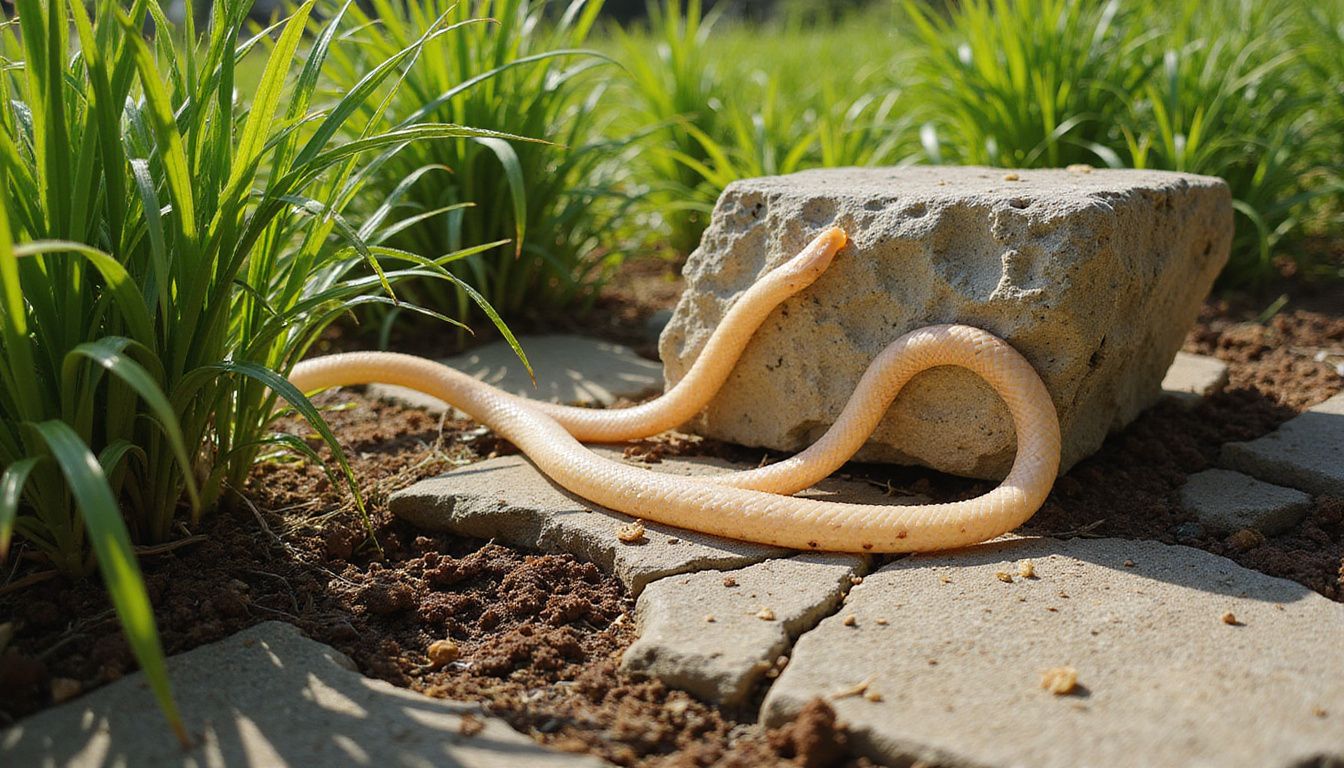
I check my backyard often for snakes. You can spot them by looking for shed skins in tall grass or under stones, a sign they’re growing. Slither tracks near the damp house foundation are common too, since snakes prefer these areas.
Shed skin in the garden usually means a snake is nearby.
Rodent holes and bird nests attract garter snakes and venomous species like rattlesnakes. I’ve noticed that standing water draws both their prey and the predators, so keeping the yard dry helps reduce this risk.
Why Snakes Are Attracted to Your Yard
Snakes enter yards for food, water, and shelter. They feed on mice and insects. Tall grass and standing water offer them hiding spots.
To prevent snakes, I cut the grass short and eliminated standing water. These actions made my yard less attractive to them.
https://www.youtube.com/watch?v=qMhoaa4e9yo
Identifying Common Backyard Snakes
I often spot garter snakes in the grass and occasionally hear the warning rattle of rattlesnakes. Learning about these snakes helps me stay safe in my yard.
https://www.youtube.com/watch?v=4eJdus9WnDA
Garter Snakes
Garter snakes appear in my backyard because they find tall grass and standing water appealing. These spots offer them food and shelter. Although garter snakes are non-venomous, some people prefer to keep their yards snake-free.
To discourage garter snakes, I trim the grass regularly and eliminate any standing water, making the area less attractive to them. Moving on to rattlesnakes, these venomous snakes pose a greater concern if they enter your space.
Rattlesnakes
Rattlesnakes are venomous and dangerous. If you see one, stay calm and keep everyone far from it. They like tall grass and wood piles for hiding.
Call professionals to remove a rattlesnake safely. Cutting your grass short stops them from making your yard their home by removing hiding spots.
How to Safely Remove Snakes from Your Backyard
To remove snakes from your backyard safely, use traps or contact a wildlife expert. This protects both you and the snakes.
– Use traps for snake removal.
– Contact a wildlife expert for safe handling.
Using Snake Traps
I set up snake traps to catch snakes safely. You can find glue traps in stores for small snakes in garages or basements. Place them by walls or doors where snakes enter.
For larger snakes like rattlesnakes, cage traps work best outdoors. These require bait and patience but prevent snake bites. After catching a snake, I wear gloves and release it away from homes.
Always check local laws before releasing snakes.
Calling a Wildlife Control Specialist
Addressing the situation with harmful snakes, such as rattlesnakes or timber rattlesnakes, is a critical matter. Should you encounter them within your residential vicinity, an expert in wildlife management could provide assistance.
These professionals adroitly trap and relocate snakes, ensuring their safety by applying an extensive knowledge of snake habitats.
They also extend guidance in averting the recurrence of snakes. They could recommend tidying the yard or setting up barriers around the residential base to obstruct their entry. In doing so, they tackle the snake issue and simultaneously decrease the presence of other pests.
These professionals may propose recommendations such as maintaining short grass and eliminating stagnant water to challenge snake-friendly habitats. Utilizing harmless repellents such as cinnamon oil or clove oil could deter them as well.
For those who fancy adopting a do-it-yourself approach, an abundance of self-help solutions for snake deterrence and removal are available.
Consistent inspections of crawl spaces and positioning bird feeders at a distance from the house may be beneficial in better pest control and preventing snakes from reclaiming your backyard as their dwelling.
Preventative Measures to Keep Snakes Away
To keep snakes away, make your yard unwelcoming to them.
– Cut the tall grass and clear piles of leaves or wood to eliminate hiding spots.
– Remove standing water to get rid of snake habitats.
– Install a snake fence for extra protection.
Eliminating Food Sources
Snakes enter our yards in search of food. Cutting off their food supply makes them leave. Eliminating pests like rodents by removing bird feeders and standing water stops bugs from breeding.
Sealing spaces under house foundations and crawl spaces keeps rodents away.
“Snakes only stay if they find food.”
Using trash cans with tight lids prevents mice and rats from coming around. This approach quickly improved the snake situation in my backyard. By managing pest control, I reduced not just snakes but also other unwanted animals.
Removing Shelter and Hiding Spots
I keep my yard clean to avoid attracting snakes. Short grass and no piles of leaves or branches mean fewer hiding spots for them. Clutter and tall grass make snakes feel safe, so I remove these to make the area around my house less appealing.
I also seal any holes or gaps in my home’s foundation. This prevents snakes from using crawl spaces as their home. With these steps, I’ve seen fewer snakes near my house. By removing places for them to hide, the environment becomes less inviting for them.
Installing Snake Fencing
After removing hiding spots for snakes, I installed snake fencing next. I chose a solid metal fence with tiny openings to stop snakes from getting into my yard. The bottom of this fence sits flush with the ground, and sometimes people bury it a bit for more safety.
The fence needs regular checks to ensure there are no gaps or holes snakes could use. Cutting grass short near the fence is also important because tall grass can cover snakes or let them climb over.
Do Snake Repellents Work?
I’ve used snake repellents in my yard. They often contain cinnamon oil and clove oil to deter snakes. These smells are not liked by snakes, making them avoid areas with these scents.
In my experience, the success of these repellents varies. Garter snakes and garden snakes might leave if they smell the repellent. Yet, venomous ones like rattlesnakes might not be bothered as much.
So, relying on just repellents isn’t always effective. It’s better to also keep grass short and eliminate places where snakes can hide.
To further prevent unwanted snake visits:
Conclusion
To deter snakes, your yard should be less enticing. Shorten the high grass and get rid of potential hiding spots. If you spot dangerous snakes or harmless ones such as garden snakes or garter snakes, think about utilizing traps.
Occasionally, bringing in an expert for snake removal could be a wise decision.
Eliminate food sources that draw in snakes and utilize snake deterrents such as cinnamon oil or clove oil. Try to maintain dry areas by getting rid of standing water whenever feasible, as it could attract snakes’ prey.
Safeguard bird feeders, for they could lure rodents, which then attract snakes. Verify that crawl spaces are barred to stop them from transforming into snake habitats.
Controlling pests is crucial in warding off uninvited visitors like timber rattlesnakes or eastern massasauga. Implementing these strategies will result in a decreased snake presence with time.
FAQs
1. How can I prevent snakes, like garter snakes and rattlesnakes, from entering my backyard?
You can prevent both venomous and non-venomous snakes such as the garter snake or timber rattlesnake from entering your backyard by maintaining short grass, removing standing water, sealing crawl spaces near your house foundation and taking down bird feeders that attract rodents – a primary food source for many snake species.
2. What are some natural deterrents to keep away snakes?
Natural snake deterrents include cinnamon oil and clove oil which act as effective snake repellents. Also keeping the yard clean of tall grass or clutter reduces potential snake habitats.
3. Can professional pest control help in getting rid of snakes?
Yes, professional pest control services specialize in snake removal and prevention methods including the use of certain toxic chemicals if necessary but always ensuring safety standards.
4. Are there any specific measures to take against venomous snakes like rattlesnakes or eastern massasauga?
To deal with venomous species like rattle snakes or eastern massasauga, it’s best to call professionals who are trained in handling such dangerous creatures without risking harm.
5. How do I handle non-venomous king snakes or scarlet kingsnakes when found in my backyard?
While they might be alarming to find, king snakes including scarlet kingsnakes are harmless and beneficial as they eat other troublesome pests; however if their presence is undesirable you could use digital media resources to learn safe removal techniques or contact local wildlife experts for assistance.