“This post contains affiliate links. As an Amazon Associate, I earn from qualifying purchases”
I found prairie dogs in my backyard and learned they can create large underground towns. This article shares safe ways to remove them and prevent their return.
Key Takeaways
- To deter prairie dogs, trim your lawn and avoid leaving pet food outside.
- Install metal fencing above and below ground to block their entry, as they can chew through mesh fences.
- Live traps or repellents that prairie dogs dislike are humane options. Always check local wildlife laws before relocating any animals.
- If necessary, use poison or traps cautiously to avoid harming other wildlife.
- Maintain a clean yard to prevent them from returning. Attracting natural predators like hawks can also help control their population.
Identifying Prairie Dog Activity
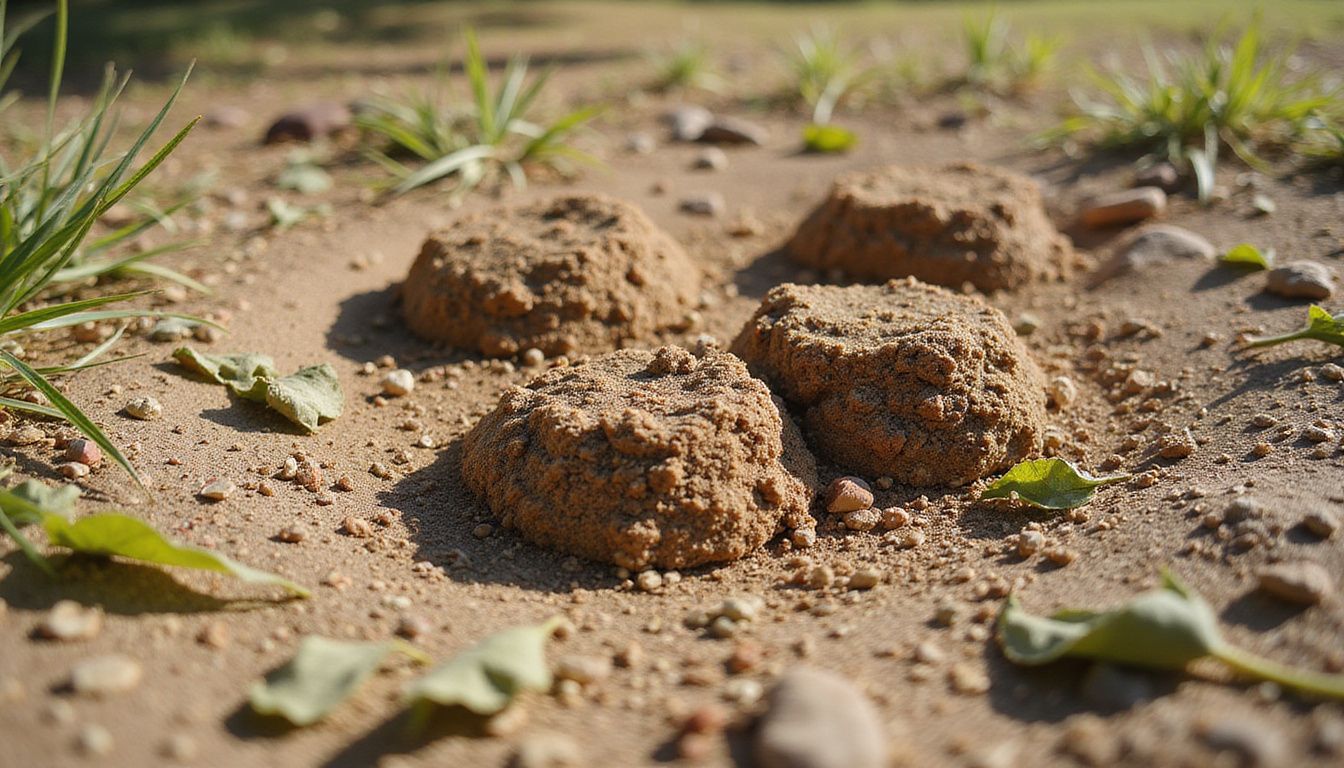
When you spot small, mounded dirt piles in your yard, it’s a sign of prairie dog burrows. These animals also chew on plants for food, leaving visible damage. Tiny footprints can lead to these burrow entrances.
Prairie dogs create towns – extensive underground tunnel systems that take up space and disrupt plant life and soil stability.
Habitat Modification
Reducing food and shelter for prairie dogs can make them move.
– Cutting off their food sources forces them to find new areas.
– Removing hiding spots makes their current location less appealing.
Remove food sources
I keep my yard cut short and weed-free to deter prairie dogs. Prairie dogs eat bugs in tall grass and hide from predators there. A tidy yard is less attractive to them.
Feeding pets inside also helps. Outdoor pet food attracts prairie dogs. By feeding my pets indoors, I’ve seen fewer prairie dogs around. This step protects animals while controlling the prairie dog population.
Eliminate shelter opportunities
To control prairie dogs, I filled their burrows with soil and gravel so they can’t dig through again. Doing this reduces the open holes prairie dog towns need.
I also cut tall grass and removed wood or rock piles where they might nest. This removes shelter, making my backyard less attractive to them. These steps lower wildlife control issues and help manage the prairie dog infestation.
Installing Barriers
To keep prairie dogs away, putting up barriers is key. Think about using metal fences under the ground and tall fences above to block them out.
Underground fencing
I once faced a prairie dog issue in my backyard. I employed subterranean fencing to prevent their burrowing activities. It necessitated trench excavation and installing sturdy mesh deep enough to obstruct their burrowing routes.
An underground barrier deters prairie dogs. This approach was essential in maintaining the cleanliness of the yard and safeguarding it, as well as aiding the local fauna such as mountain plovers, which are impacted by these rodents.
The process of setting up the fence was simple with the appropriate tools and efficiently addressed the prairie dog matter.
Raised physical barriers
To keep prairie dogs away, build fences above ground. They must be tall so the prairie dogs can’t jump over and tight to the ground so they can’t squeeze under. Use wood or metal because mesh doesn’t work; they chew through it.
I built a wooden fence two feet high and deep into the soil in my yard. This stopped the prairie dogs without harming other wildlife.
Now, I’m looking at humane removal methods for these animals.
Humane Removal Methods
I use humane methods to control prairie dog infestations, such as live trapping and relocating them or employing deterrents that don’t harm them.
– Live trap prairie dogs and move them to a safe location.
– Use non-harmful devices to scare them away.
Live trapping and relocation
Using live traps is a kind way to control prairie dog populations. I set these safe traps by their burrows. Baiting them with fruits or vegetables makes trapping easier. After catching, relocating them to a non-problematic area is critical.
It’s necessary to check local laws before moving prairie dogs. Certain areas have specific rules for releasing wildlife to protect both the animals and the environment.
Deterrents and repellents
I discovered prairie dogs dislike certain smells. I applied natural repellents like peppermint oil and eucalyptus oil because these scents repel them. I soaked cotton balls in the oils and placed them near their burrows, which effectively kept them away.
I also used ultrasonic devices that emit sounds annoying to prairie dogs but silent to humans. I positioned several devices around my yard, focusing on areas close to their holes, which significantly helped control the prairie dog presence.
Lethal Removal Options
Sometimes, you might need to use deadly ways to deal with prairie dogs in your yard. This includes using poison bait or kill traps.
Poison bait
I once used poison bait to control a prairie dog infestation in my yard. This method targets the burrowing rodents directly. It’s important to choose the right poison, made for prairie dogs.
I placed the bait near their burrows so they would eat it and reduce the problem.
Safety is crucial. I wore gloves and kept pets and kids away from treated areas. There’s a risk that other animals could access the poison, which needs consideration before using this method.
Using poison requires careful thinking and responsibility to avoid harming other wildlife or our environment.
Kill traps
Switch to kill traps for prairie dog control. Place them near the entrances of burrows to catch these rodents fast. Check traps often for effectiveness and humane handling.
Wear gloves for protection against diseases like sylvatic plague from prairie dogs. Follow instructions closely when setting up the trap to manage prairie dog problems safely in your yard.
Preventing Future Infestations
Keeping prairie dogs away for good means staying on top of yard work. Cutting grass short and removing places where they can hide are key steps. Invite their natural enemies, like hawks and snakes, by making your yard welcoming to these helpers.
This way, you stop new prairie dogs from moving in.
Regular yard maintenance
I cut tall grass and weeds often. Prairie dogs like overgrown areas, so this makes my yard less appealing to them. I also check for burrows and fill them in to reduce their shelter options.
Having stray cats around helps control prairie dog numbers. Since some neighborhood cats started visiting, I see fewer prairie dogs. This way, the ecosystem remains balanced without using chemicals or traps.
Natural predators
Using natural predators like snakes, hawks, and coyotes helps control prairie dogs. These animals hunt prairie dogs, making them reconsider staying in a yard.
Installing barriers is effective for keeping them out permanently.
Conclusion
To manage prairie dogs in your backyard, start by identifying their burrows and food sources. Next, make the area less attractive to them by removing food and cover. Install fences underground and above to block entry.
If prairie dogs persist, trapping them alive for relocation or using deterrents might be necessary. For stubborn cases, stronger control methods may be required – safety is key. Maintain a clean yard and encourage the presence of natural predators to prevent their return.
This strategy ensures a peaceful outdoor space without harming the ecosystem.
FAQs
1. What are prairie dogs and why do they infest backyards?
Prairie dogs are burrowing rodents, including types like the Utah prairie dog, white-tailed prairie dog, Mexican prairie dog, and black-tailed prairie dog. They dig burrows in yards with tall grass or overgrazed areas which can lead to a nuisance animal situation.
2. How can I identify a prairie dog infestation in my backyard?
You may have a prairie dog infestation if you notice numerous mounds of dirt or “prairie dog towns” around your yard. These indicate the presence of their burrows where these pests reside.
3. Are there any natural predators that help control the population of Prairie Dogs?
Yes! Many wild animals act as natural predators for these ground squirrels, contributing to rodent control and maintaining biological diversity in our grasslands ecosystems.
4. How can I get rid of them without harming other wildlife?
Wildlife control methods such as pest management strategies and non-lethal trapping could be effective ways to handle a prairie dog problem without causing harm to other species.
5. Can exterminators help me deal with this issue?
Absolutely! Exterminators specialize in pest species removal including rodent control tactics specifically designed for dealing with black-tailed prairie dogs or other variants found on your property.
6. Are there any precautions I should take when dealing with Prairie Dogs?
Indeed! Prairie dogs often carry fleas that can transmit diseases like Yersinia Pestis so it’s important to use caution during removal efforts or consider using products like Delta Dust for flea prevention.