“This post contains affiliate links. As an Amazon Associate, I earn from qualifying purchases”
I found toads in my backyard because of a few signs. They had triangular glands behind their heads, typical for cane toads. The eggs near my garden were in long strings, not like frog clumps.
There was an odd smell too.
At night, the sound made it clear. Unlike frogs’ songs, these amphibians were noisy. These clues helped me identify them as cane toads without expert help.
Remove Attractants
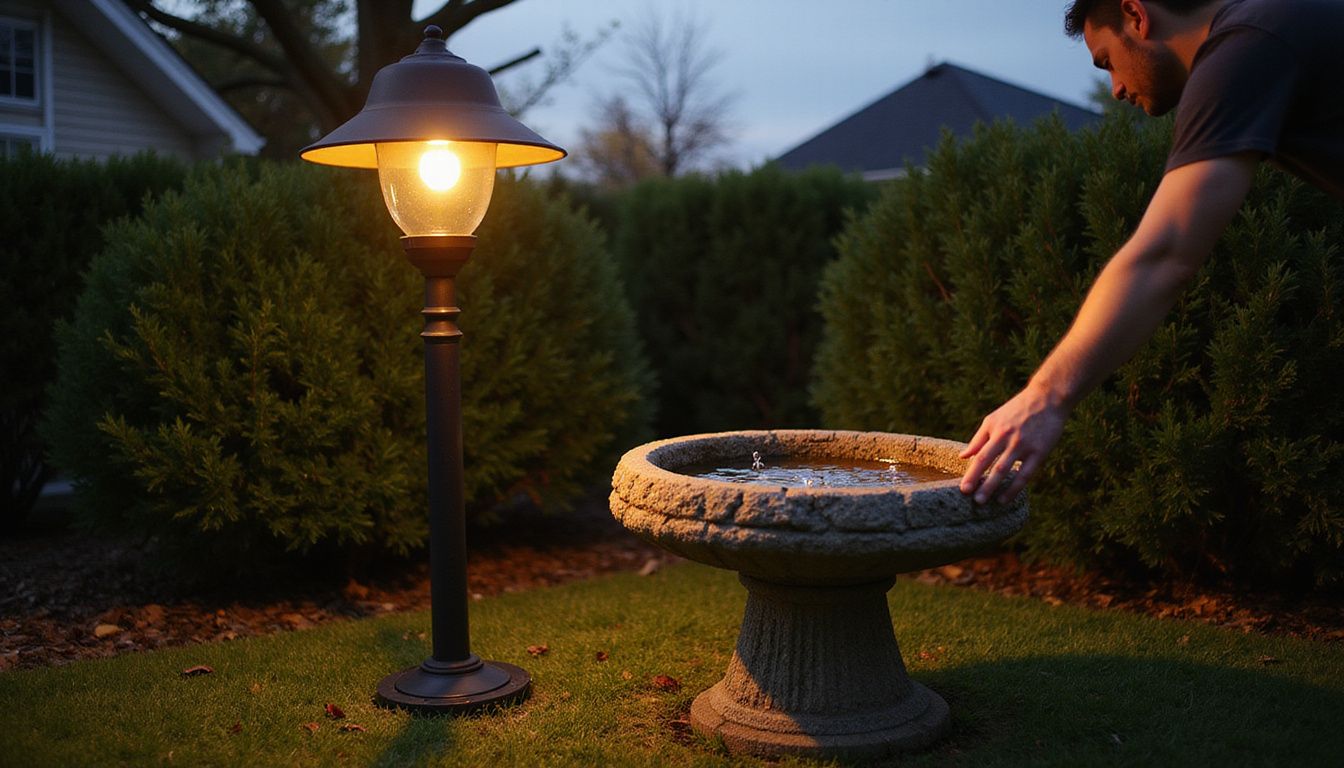
Eliminate toad attractions by removing standing water where they breed and switching off outdoor lights that lure their prey.
– Drain water bodies to prevent cane toads from laying eggs.
– Turn off exterior lights to reduce bug populations that feed toads.
Eliminate standing water sources
To keep toads away, remove standing water from your yard. Empty bird baths, pet bowls, and plant saucers. Also, fix leaks to make your backyard dry.
I find places where water might hide. Old tires and unused pots can trap water without us noticing. Keeping these dry reduces areas for toads to live and breed.
Reduce outdoor lighting that attracts insects
I turn off outdoor lights to reduce bugs. This also lowers the number of toads in my yard. I use yellow bulbs because they attract fewer insects.
Also, I make sure there is no standing water around. This helps prevent toads from gathering in my backyard.
Use Natural Deterrents
To deter toads, I use salt or vinegar around my yard. This creates an unwelcoming environment for them.
– Planting bushes that attract toad predators can also naturally reduce their presence without harm.
Spread salt or vinegar in problem areas
I discovered that using salt or vinegar helps keep toads away. These substances create environments that toads avoid. I apply salt on pathways and non-plant areas since it can damage plants and soil.
For a plant-safe option, I mix vinegar with water and spray it around my garden’s edges and other entry points for toads. This needs reapplication following rainfall.
Salt and vinegar are effective against invasive species like cane toads. They steer clear of the salty or acidic conditions these treatments produce.
Utilize predator-friendly plants
Using salt or vinegar helps, but adding plants that draw in toad predators works better. Planting marigolds attracts wasps that eat cane toad larvae. Also, having native shrubs gives birds and snakes places to hide and hunt adult toads.
This method turns the ecosystem into a team against invasive species like cane toads, cutting down their numbers in my yard and making it more diverse with different plants and animals.
Apply Chemical Deterrents
For those tough toad troubles, chemical deterrents can be a fast solution. Spraying safe substances like disinfectants around your yard’s edge keeps them at bay.
Use toad-specific repellents
Toad-specific repellents effectively keep cane toads away. These products are environmentally safe and do not harm other animals. I apply them around the perimeter of my yard to block cane toads from entering.
Cane toads pose a significant problem, so this solution is valuable.
I also use dettol and similar safe substances near my garden and along house walls. Although it seemed unusual at first, this method proved effective in maintaining a toad-free backyard, enhancing comfort for everyone involved.
Spray dettol or other safe substances around boundaries
I discovered that spraying Dettol around my yard edges keeps cane toads away. It’s safe for most pets and plants when used correctly. I mix a little with water and spray it at the spots where cane toads enter.
This creates a barrier they avoid.
I also use other safe sprays that don’t harm the environment or animals in my yard. My aim is to prevent toads from entering without causing them harm, and these sprays work effectively.
Humanely Remove Toads
To get toads out of your yard without hurting them, try using traps. Once you catch them, move them to a place where they can live safely away from your home.
Trap and relocate them to suitable areas
I use special traps to catch cane toads safely. These traps don’t hurt the amphibians. After trapping them, I move them far from my house but in a place where they can thrive. This method protects both the environment and the toads.
Relocating cane toads means finding a spot good for them but not near people’s homes. It’s about balance – helping the animals without causing problems elsewhere. Always check local laws about moving invasive species like cane toads because of strict guidelines in some areas.
Prevent Future Infestations
To prevent toads, especially invasive species like cane toads, from entering your yard again:
– Keep the area dry and tidy.
– Close small gaps at the bottom of fences.
Seal gaps in fences and walls
I check my yard for any fence openings. I find gaps and fill them with wood, concrete, or metal. This keeps cane toads and other invasive species out.
“Close any gap you find,” that’s what I do.
I also look at the bottom of fences regularly. Toads can dig under small spaces. So, I bury barriers deep around my backyard’s edge. Everything tight means no surprise toad visits.
Clearing overgrowth and debris helps me spot gaps early.
Maintain a tidy and dry backyard
Cutting the grass regularly helps stop cane toads from making your backyard their home. They like hiding in long grass, piles of leaves, or any standing water. So, keep the yard clean by raking leaves and getting rid of yard waste where toads can hide.
Water attracts them too. Make sure there is no standing water in your backyard. Fix leaking taps or hoses immediately and empty out containers that hold rainwater. A dry backyard won’t attract toads looking for a place to live or breed.
Keeping the yard neat is an effective way to control invasive species like cane toads and protect the environment.
Conclusion
To control toads in my backyard, I first recognized their presence. Removing attractions like water sources and lights helped a lot. I also used natural methods, such as spreading salt or planting certain types of plants, to keep them away.
When necessary, I applied safe chemicals or physically relocated the toads myself. Maintaining a clean yard and sealing any openings prevented them from returning. This approach allowed me to manage cane toad issues effectively without harming the environment or the animals.
FAQs
1. What are some ways to control toads in my backyard?
Toad control involves removing items that attract them like pet food, and managing water sources as they breed in standing water. You can also consider professional help for effective cane toad or bufo toad removal.
2. How do I identify a cane toad from other species?
Cane Toads have triangular glands behind their eyes and are larger than most native frogs or toads. Their tadpoles, known as ‘toadpoles’, are black and often found in large groups.
3. Why is it important to get rid of invasive species like the cane toad?
Invasive species like the cane toad have a significant environmental impact due to their rapid reproduction and lack of natural predators which disrupts local ecosystems.
4. Can I use any type of bait for getting rid of the Bufo Toads?
No, using baits that are not specific could harm other wildlife too! It’s best if you consult with a pest control expert on how effectively manage these invasive creatures without causing harm elsewhere.