“This post contains affiliate links. As an Amazon Associate, I earn from qualifying purchases”
Slugs in the garden are a big problem. They eat plants and create chaos. I found some Earth-friendly ways to deal with them. Keeping your garden slug-free is easier than you might think.
Beer traps attract and drown slugs. Placing copper tape around raised beds stops them in their tracks. Using iron or ferric phosphate as slug bait works well, too. Spreading coffee grounds near plants keeps slugs away because they don’t like crawling over it.
Diatomaceous earth is another good option – its sharp edges deter slugs.
For a longer-term solution, growing slug-resistant plants helps reduce damage. Changing watering practices can also make a difference; water in the morning so the soil dries by evening, making it less inviting for slugs.
Adding bark mulch or using a soaker hose minimizes moisture on leaves, discouraging slugs further. Encouraging natural enemies of slugs into your garden, such as birds and frogs, offers natural pest control.
Finally, keeping your compost heap tidy and free of weeds reduces hiding spots for slugs.
Key Takeaways
- Use beer traps and copper tape to keep slugs away.
- Invite birds and frogs into your garden; they eat slugs.
- Put coffee grounds or diatomaceous earth around your plants.
- Grow slug-resistant flowers and herbs for less trouble.
- Water your plants in the morning so slugs stay away.
Encourage Natural Predators
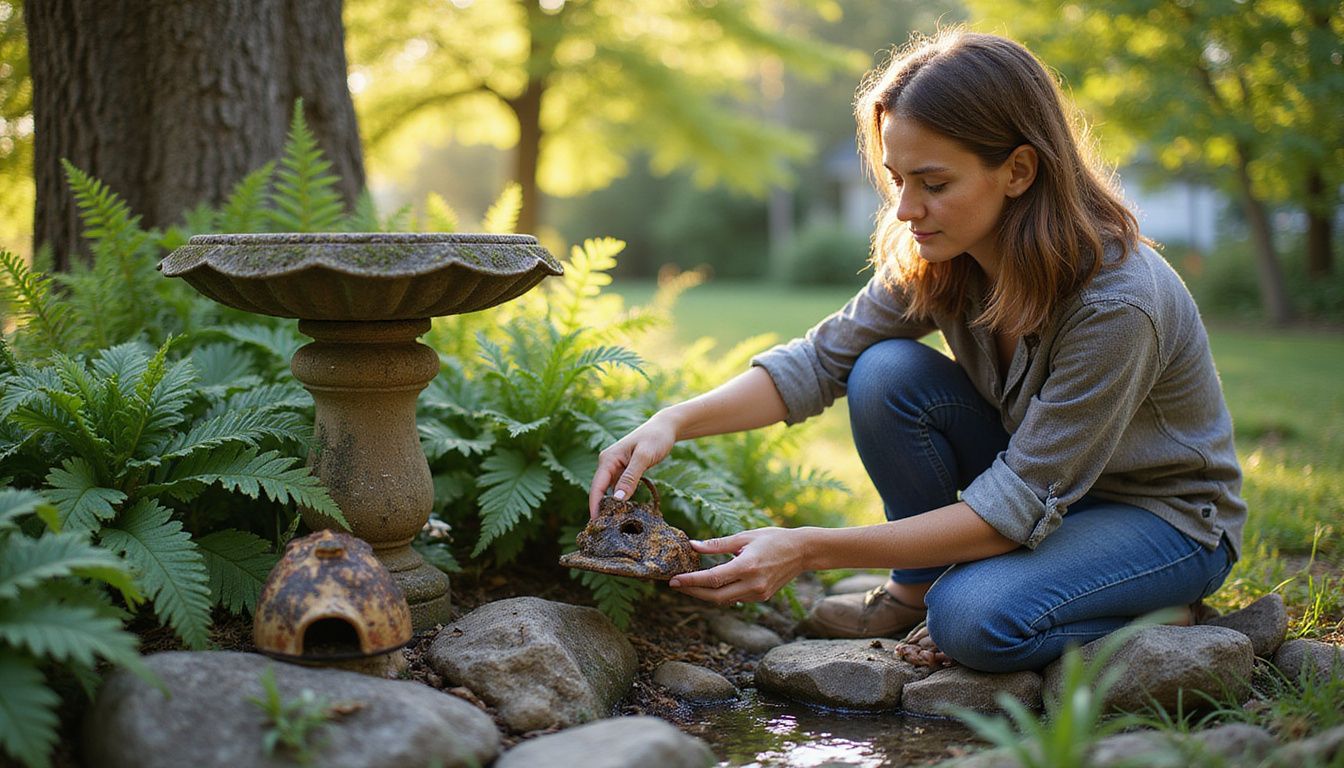
To control slug infestations in my garden, I attract birds, frogs, and insect predators. This organic pest control method reduces slugs naturally with little effort on my part.
Attract birds
I discovered a method for handling slug trouble in my backyard. I enticed birds, who happen to be natural adversaries of these garden intruders, by putting up bird feeders and a birdbath.
This plan was successful because birds that consume slugs, like thrushes and robins, began visiting more frequently.
In an effort to encourage the birds to stay longer, I scattered nesting boxes as well. This strategy gave them a place to live and also made my garden less enticing to slugs.
“The strategy of attracting birds is really all about using nature’s own pest control.””
By growing native shrubs, I gave the birds more reasons to remain. As the bird count in my garden went up, there was a marked reduction in the number of slugs around my plants and raised garden beds.
Host amphibians and reptiles
After making the yard bird-friendly, I focused on attracting frogs and toads because they eat slugs. I made a small pond with shallow water. Then, I added rocks and logs for them to hide.
Snakes help control slugs too. They might scare some people, but they’re useful in eating pests. I built hiding spots with stones and left some tall grass for them. This helped reduce the slug problem in my garden.
Encourage beneficial insects
Gardening means dealing with slugs, which I prefer to avoid. To manage this, I attract beneficial insects like ladybugs and lacewings. These insects eat the pests harming my plants.
Planting marigolds and sunflowers works well to draw them in.
I also create shelters out of sticks or leaves for these insects. This helps keep them safe and encourages them to stay in my garden longer, protecting my plants from pests more effectively.
In short, making my garden inviting for these helpful bugs assists in keeping it pest-free without relying on harsh chemicals.
Use Organic Traps
For fighting off slugs, going organic is smart. You can set up beer traps where the smell draws them in, or use liquid mixes they can’t resist. This way, you keep your garden safe without harsh chemicals.
Beer traps
I use beer traps to fight garden pests. I pour beer into shallow containers and bury them near my plants. Slugs are drawn to the beer smell, crawl in, and can’t escape. This method cuts down on slug damage a lot.
“Slugs love beer, so beer traps work well.”
Now, let’s talk about other liquid traps that also help keep slugs away.
Liquid trapsLiquid traps work well for catching slugs. You set them up by filling a shallow dish with beer and placing it in the soil near your garden plants. Slugs are attracted to the yeast smell, crawl in, and can’t get out.
I found beer traps more effective than soapy water because slugs prefer the smell of beer.
It’s important to check these traps every day. Rainwater can make them less effective by diluting the beer. Also, they might fill up quickly with dead slugs if you have a lot of slug activity around your plants.
Bran or seaweed meal traps
I found a solution for slug infestation in my garden. I use bran and seaweed meal around plants. Slugs are attracted to these, but they can’t move after eating them because they get bloated.
This method is safe for pets and wildlife too. After it rains, I apply more since rain washes it away. It’s an organic pest control method that’s eco-friendly. You can easily find bran and seaweed meal at gardening stores or online, making slug control easy.
Create Physical Barriers
To keep slugs away, setting up solid fences around your plants works great. You can use things like copper strips, small sharp rock powder, and crushed eggshells. These barriers stop slugs from reaching your plants.
Want to learn more about protecting your garden? Keep reading for tips that really work!
Copper tape
I found using copper tape around my raised beds keeps slugs away. The copper sends a slight shock to slugs, making them leave without harming them. I also placed the tape on my planters and pots.
It makes the garden look brighter. This method protects my plants effectively without chemicals or manually removing slugs.
Diatomaceous earth
Diatomaceous earth is a fine powder made from fossilized algae. It keeps slugs away by acting like tiny razor blades, but it’s safe for other animals and humans. Always wear a mask when applying to avoid breathing in the dust.
To protect plants from slugs, spread a thin circle of diatomaceous earth around each one. Reapply after rain or watering because it loses effectiveness when wet. This method fits well into an organic pest control strategy and tackles more than slug damage.
Using gardening tools can help distribute the powder evenly without waste.
Eggshells
I use crushed eggshells to stop slugs. Eggshells have sharp edges, so slugs stay away from them. I dry and crush the shells, then put them around plants and raised beds where slugs could harm.
This method keeps my garden safe organically and adds calcium to the soil.
Adjust Garden Practices
To keep slugs away, changing how you tend to your yard helps a lot. For example, watering your plants early in the day lets them dry before night. This makes it less appealing for slugs.
Also, cutting back on thick bushes gives slugs fewer places to hide and feast.
Water plants in the morning
Watering plants in the morning helps avoid slug damage. Slugs are less active in the early hours, so dry soil and leaves by night deter them. I use a hose or watering can to water deeply, promoting strong root growth for healthier plants.
Next, I focus on clearing dense vegetation…
Remove dense vegetation
I cut thick plants to fight slugs. Fewer hiding spots mean less damage. Shears and rakes help a lot.
Starting seedlings indoors protects them from early slug attacks.
Start seedlings indoors
After clearing thick plants, starting seedlings inside in small pots or trays is smart. They get strong with plenty of light by the window. Moving them outside is easier with raised beds or gardening tools.
This reduces slug damage because slugs struggle to reach tender leaves. Raised beds also help control watering better, keeping conditions less moist and deterring slugs around plants.
Apply Natural Repellents
To keep slugs away, I use natural repellents.
– I make a spray with garlic.
– I sprinkle coffee grounds around plants. These methods are safe for the garden and protect other animals.
Garlic spray
I use a homemade spray to fight slug infestation in my garden. The mixture contains water and crushed garlic cloves, which slugs dislike. I pour this solution into a spray bottle and apply it to my plants.
This method does not harm the plants; instead, it appears to enhance their health. To maintain a garden free from slugs and avoid chemical slug baits or harming the environment, I reapply this garlic solution every few weeks.
Caffeine solutions
Slugs are repelled by caffeine. I conducted a little experiment in my own garden by diluting used coffee grounds in water and creating a mild spray. I was careful to keep the intensity of the solution mild so as not to harm the plants.
I sprayed the solution around the soil and plants preferred by slugs, and I noticed a decrease in slug activity.
As the coffee grounds break down, they are good for the soil, serving a dual purpose by recycling my morning coffee and offering an environmentally friendly method to shield my garden from slugs.
Use Eco-Friendly Products
To keep my garden safe from slugs, I use eco-friendly options like iron phosphate bait and beneficial nematodes.
– Iron phosphate slug bait protects plants.
– Beneficial nematodes target garden pests effectively.
Iron-based phosphate pellets
The use of iron phosphate pellets was indeed successful in combating slugs. These environmentally conscious products attract the nuisances and promptly exterminate them. They also don’t harm pets or wildlife, which is a significant advantage over more severe chemicals.
After their use, I observed a significant reduction in slug-inflicted damages on my lettuce.
The process of utilizing iron phosphate pellets is simple. I merely scatter them surrounding my at-risk vegetable plants that could potentially fall victim to slug intrusion. A single application begins the work, yet a subsequent one might be necessary post heavy rainfall to preserve their efficacy.
Given these pellets don’t pose a threat to other animals or the local garden ecosystem, their application is free of concerns for routine use.
Microscopic nematodes
I use microscopic nematodes to fight slugs in my garden. These tiny worms kill slugs but are safe for plants, pets, and wildlife. I mix them with water and pour it onto the soil. Also, I add slug-resistant flowers and herbs to reduce slug damage further.
Plant Resistant Crops
Plant slug-resistant plants like certain flowers and herbs to make your garden less appealing to slugs.
Flowers and herbs that deter slugs
Certain flowers and herbs serve as natural deterrents for slugs. I employ asters, ginger mint, or lavender to safeguard my garden. These plants do not attract slugs. Moreover, ferns and specific marigolds prove to be efficient.
They are aesthetically pleasing and also keep slugs away.
Selecting these plants eases my task in addressing garden pests. It eliminates the need for chemicals or persistent surveillance for slugs. With the correct plant selection, nature aids in pest management.
Conclusion
Contending with garden slugs is straightforward. Initially, I lure birds and bugs that prey on slugs. Subsequently, I set up traps using beer and place copper tape as impediments. Irrigating my vegetation in the early hours and maintaining garden cleanliness are key.
Misting the area with a garlic concoction or scattering coffee residue deters slugs effectively. For rigorous struggles, harmless pellets or beneficial nematodes are effective. Selecting plants that are resistant to slugs aids in keeping my garden thriving without the use of harsh substances.
Utilizing iron phosphate pellets safeguards my garden from slug damage effectively. Constructing elevated garden beds promotes better water drainage and lessens the attractiveness of my garden to slugs.
Positioning crushed eggshells around the plants forms a sharp blockade that the slugs detest crossing.
Diatomaceous earth provides another practical choice for organic pest control; it’s harmless but fatal to slugs. Frequently spotting for infection symptoms helps me identify any problems early on.
Coffee residue works as a dual-purpose tool – not just repelling slugs, but also boosting soil fertility. Slug bait that contains ferric phosphate offers an efficient resolution while being kind to the ecosystem.
Modifying watering routines to early morning helps to fend off nocturnal pests as dry environments at night are less favorable for them.
In conclusion, handling slug issues involves incorporating eco-friendly procedures such as luring predators, building physical barriers like copper tape, adopting sensible gardening customs including the right watering timings, and leveraging natural repellents such as coffee residue or diatomaceous earth.
FAQs
1. What are some ways to get rid of slugs in my backyard?
You can use beer traps, copper tape, iron phosphate or ferric phosphate slug bait to control a slug infestation. Other organic pest control methods include using coffee grounds, diatomaceous earth and egg shells.
2. Can changing my watering practices help with the slug problem?
Yes! Slugs prefer damp environments so altering your watering practices can make your garden less appealing to these pests.
3. Are there plants that are resistant to slugs?
Indeed, there are certain slug-resistant plants that you can incorporate into your garden as a natural defense against slugs.
4. How do raised beds help in preventing slug damage?
Raised beds provide a barrier to slugs making it difficult for them to reach the plants thereby reducing slug damage significantly.
5. Should I call an exterminator if I have a severe issue with slugs?
While most gardeners manage this issue using gardening tools and strategies like beer traps or copper tape, hiring an exterminator could be beneficial when dealing with severe infestations.