“This post contains affiliate links. As an Amazon Associate, I earn from qualifying purchases”
Chigger bites are a real problem in my backyard. These tiny bugs eat skin cells and cause a lot of itching. I’ve researched ways to get rid of them for good. Here’s what I learned so you can enjoy your yard again.
First, wear protective clothing when walking through tall grass. Chiggers like to live there and grab onto passing hosts. Next, use insect repellent with ingredients like diethyltoluamide to keep chiggers away.
For your lawn, regular maintenance helps reduce chigger populations by removing their habitats. Applying natural pest control methods, such as diatomaceous earth, also works well against chiggers.
If you get bitten, take a hot shower as soon as possible to wash off any remaining chiggers. Then apply hydrocortisone cream or calamine lotion to soothe the itchiness.
Essential oils like tea tree oil and lavender oil offer additional relief from itching and help prevent infections in bite areas.
Lastly, keeping your outdoor space clean and using organic pesticides can lower the chance of chigger infestations significantly.
Key Takeaways
- Wear protective clothes and use bug spray with diethyltoluamide to avoid chiggers.
- Cut your lawn often and remove garbage to make your yard unattractive to chiggers.
- Try natural methods like diatomaceous earth and essential oils for safe chigger control.
- For severe problems, use chemicals like permethrin or bifenthrin effectively.
- Prevent future issues by putting mulch or gravel barriers around your yard and keep rodents out.
Identifying Chiggers in Your Backyard
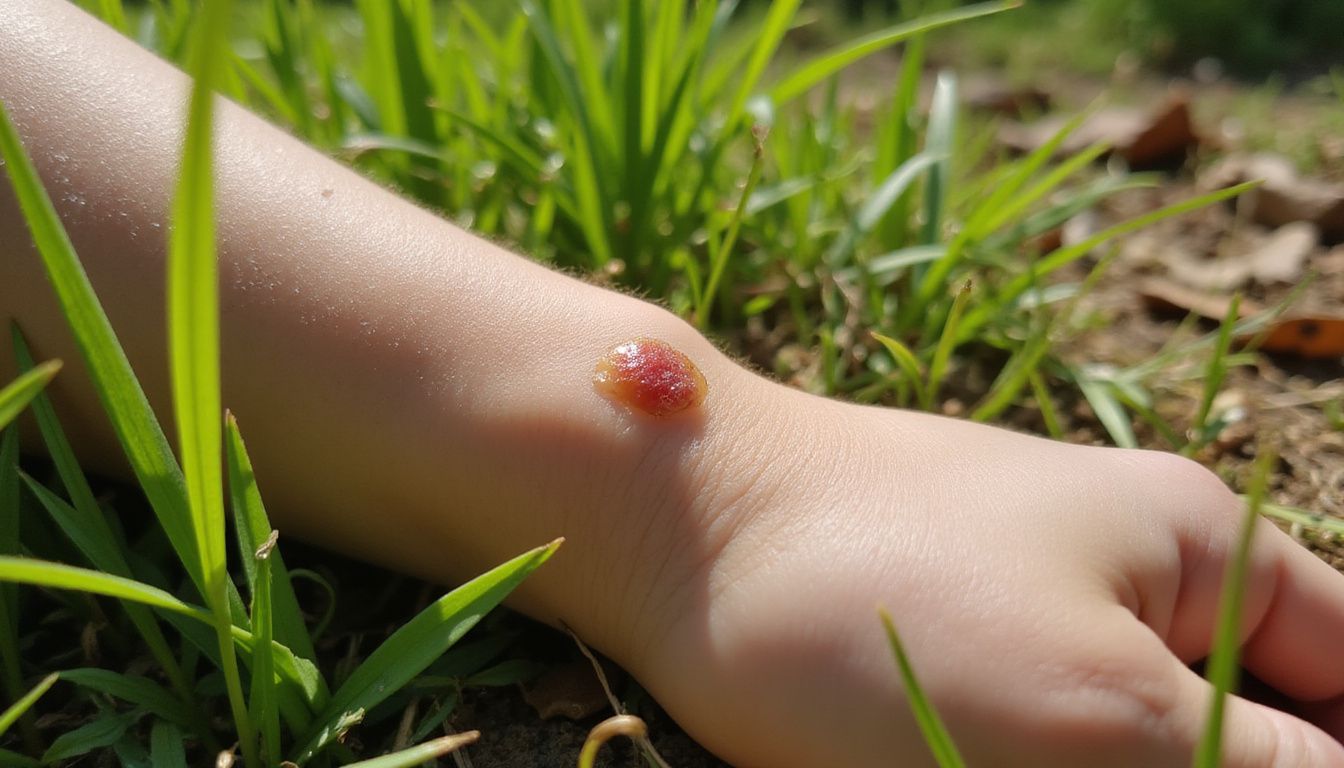
Finding chiggers in the backyard is tough because they’re very small. They need a magnifying glass to see them. These pests enjoy moist areas with lots of vegetation and often wait in tall grass and weeds for hosts.
If itching occurs after walking through the lawn, it’s likely due to chigger bites.
I make sure to check for their bites, which are red and itchy spots. This helps me figure out where they may be hiding. By clearing those areas, I protect myself and my family from them.
Yard Maintenance to Deter Chiggers
To prevent chigger infestations, I keep my lawn mowed and remove debris.
– Mowing cuts down tall grass where chiggers thrive.
– Removing leaves and trash eliminates hiding spots for chiggers.
Mow grass regularly
I cut my grass short to deter chiggers, as they prefer hiding and breeding in tall grass. Regular mowing once a week during warmer months also keeps mosquitoes and fleas away. Besides cutting the grass, I trim shrubs and other vegetation near my house.
This action lets more sunlight and air reach these areas, creating an unfriendly environment for chiggers to survive.
Trim shrubs and vegetation
Trim bushes and plants in the yard to prevent chigger infestations. Chiggers thrive in moist, shaded areas. By exposing these spots to sunlight, the yard becomes less inviting for them.
Using pruning shears helped me reduce overgrown greenery around my lawn’s edges, leading to fewer red bugs.
Also, removing dead leaves and trash from the yard is essential. A clean garden provides fewer hiding places for chiggers.
Remove leaf litter and debris
Chiggers find homes in leaf litter and yard waste. Removing leaves, twigs, and trash from the grass and garden beds helps prevent chigger invasions. It also makes the yard look clean.
Next, keeping the grass short is crucial. Regular lawn mowing prevents chiggers from settling in your yard.
Natural Remedies for Chigger Control
Using things from nature can help keep chiggers away. Sprinkling tiny fossil dust on your yard or using special plant smells like tea tree or lavender can make a big difference. These methods don’t harm the earth and are safe for you and your pets.
Want to learn more? Keep reading to find out how these simple steps can help you win the fight against those annoying bugs!
Sprinkle diatomaceous earth
I found a successful way to eliminate chiggers in my yard by using diatomaceous earth. This powder comes from tiny fossilized algae and is safe for both pets and humans. Its sharp edges pierce the chiggers’ protective layer, causing them to dry out and die.
“Diatomaceous earth keeps my backyard free of chiggers.”
After applying diatomaceous earth where I saw chigger activity, I noticed fewer bites. Now, I plan to use essential oils like tea tree or lavender for added defense.
Use essential oils like tea tree or lavender
Essential oils like tea tree and lavender are effective against chiggers. Mixing them with water creates a natural spray that keeps these pests away. I sprayed this solution around my yard, especially near places where I like to sit outside.
This step reduced the number of chigger bites.
These oils are safe for both plants and animals. They don’t harm the environment like pesticides or chemical bug sprays do. Lavender oil has an added benefit; it attracts bees, which helps flowers pollinate.
This makes the garden healthier and more beautiful.
Chemical Treatments for Severe Infestations
For really bad bug problems in your yard, using strong bug killers like permethrin or bifenthrin can help. These powerful sprays get rid of the pests quickly. If you’ve tried everything else and still have bugs, it might be time to look into these options more.
Apply insecticides with permethrin or bifenthrin
I faced a tough chigger infestation in my yard. These pests, also known as harvest mites or red bugs, were all over. I decided against natural pest control methods and chose chemical insecticides with permethrin and bifenthrin instead.
These substances are effective at killing bugs.
Before starting, I read the instructions on the label carefully and put on gloves for safety. I made sure my pets were not around to keep them safe. Then, I applied the chemicals across my lawn and especially in areas where chiggers tend to hide.
After some time, this approach significantly lowered the number of chiggers in my backyard.
Use professional-grade solutions for large areas
After trying permethrin or bifenthrin insecticides, big yards might still have chiggers. I use professional extermination services for these large areas. They have strong sprays and equipment to treat big spaces well.
These experts can target chigger spots without hurting good insects or plants. Handing this job to them quickly fixes the infestation and stops new ones. This saves me time and makes my yard safe and comfy again.
Preventing Chigger Infestations
To stop chiggers from getting into your backyard, setting up barriers with small stones or bits of wood chips can help. Also, keep animals like mice away from your yard to reduce the chance of chiggers moving in.
Want to learn more? Keep reading for useful tips!
Create barriers with mulch or gravel
I found that using mulch or small stones around the yard helps keep chiggers away. These barriers deter them because they dislike crossing over dry, scratchy surfaces. I made a border where my lawn meets the woods with wood chips and pea gravel.
This created a zone chiggers avoid.
Also, keeping rodents and other host animals out is important.
Keep host animals, like rodents, out of your yard
Rodents often visit yards, bringing chiggers with them. Sealing up holes around the house keeps these unwanted guests away. Removing food sources like open trash bins and outdoor pet food helps too.
Using natural repellents also makes a difference. Planting mint or using citronella near gardens drives rodents away, leading to fewer chiggers. A clean yard with no clutter offers fewer hiding spots for both rodents and chiggers.
Conclusion
Eliminating chiggers from my backyard was essential. I spotted these tiny pests hiding in tall grass and around plants first. To prevent them, I regularly cut the grass and removed leaves.
Earth powder and tea tree oil were effective natural solutions for minor issues. For larger infestations, I applied chemical pesticides specifically designed to kill bugs. Creating barriers and keeping away animals that might carry chiggers helped stop them from entering again.
By maintaining my lawn and using the right treatments, my backyard became free of chigger mites, ensuring outdoor activities were pleasurable once more.
FAQs
1. What are chiggers and how do they infest my backyard?
Chiggers, also known as harvest mites or red bugs, are tiny mites that can cause discomfort when their larvae bite humans. They love tall grass and moist areas in your yard.
2. How can I identify a chigger bite?
A chigger bite often causes skin inflammation, hives or allergic reactions. The bites might itch severely, needing anti-itch ointments like hydrocortisone cream or calamine lotion for relief.
3. Can essential oils help get rid of chiggers?
Yes! Essential oils like tea tree oil, lavender oil and citronella essential oil act as natural pest control solutions against these berry bugs or harvest lice.
4. How else can I control a chigger infestation in my backyard?
Using an organic pesticide such as diatomaceous earth is effective for insect control including bed bugs and chigger mites too! Regular lawn maintenance also helps keep the population down.
5. Is there any protective clothing that could prevent from getting bitten by these pests?
Absolutely! Wearing long-sleeved shirts and pants along with insect repellents on your clothes can protect you from prey-like insects including red mite or other similar pests.
6. What should I do if the itching doesn’t stop after taking a hot shower and applying topical anesthetic?
If over-the-counter remedies don’t work, consider visiting a doctor who may prescribe oral antihistamines to reduce the allergic reaction caused by digestive enzymes released during a chigger’s bite.