“This post contains affiliate links. As an Amazon Associate, I earn from qualifying purchases”
Have you tried dairy-free cooking but can’t find a good substitute for heavy cream? You’re not alone. Almost 65% of people who give up dairy struggle to match the taste and texture in their dishes.
I know how frustrating this can be. After testing many alternatives, I’ve found some easy ingredient swaps that can make your meals tasty again. Read on to learn simple tips for using dairy-free heavy cream substitutes—and enjoy cooking once more!
Common Challenges in Dairy-Free Cooking
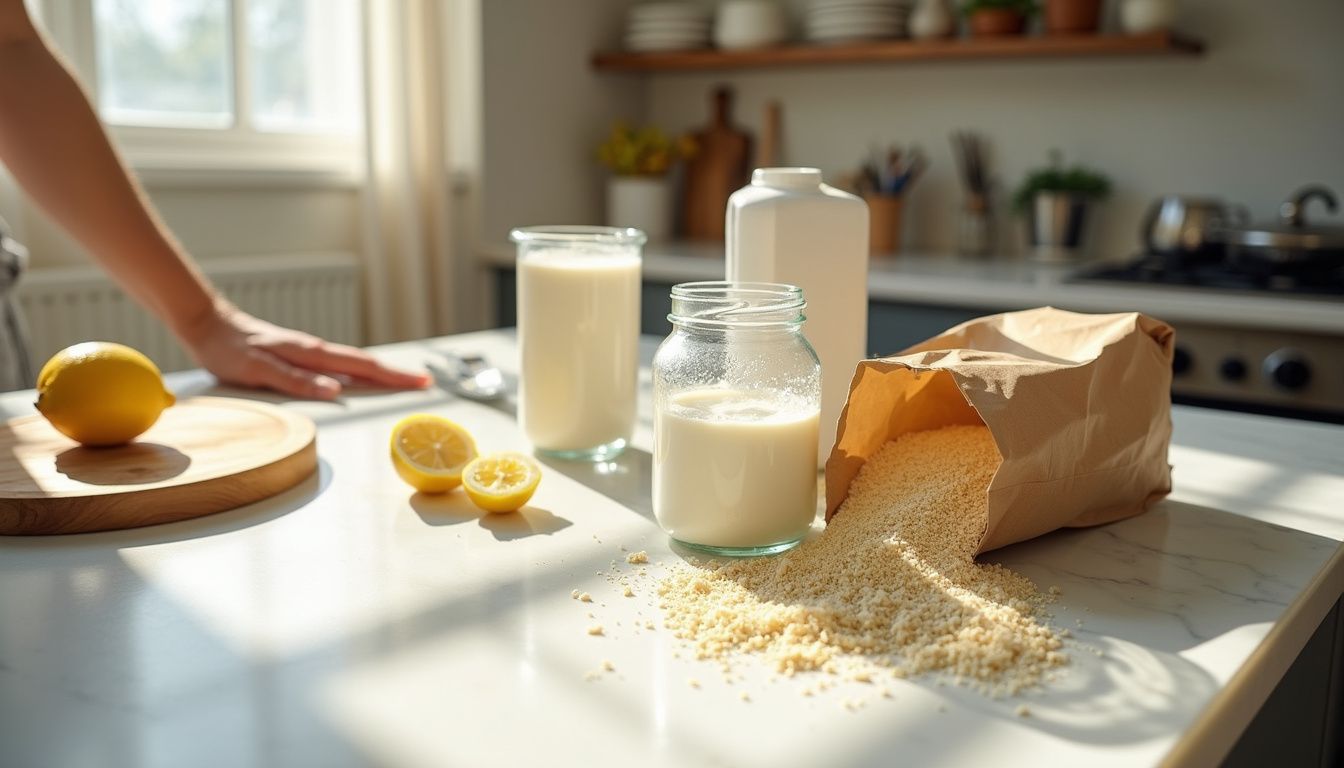
One issue I often face is getting the creamy, smooth feel just right in sauces or soups without dairy. Another challenge for me can be making sure the flavor stays rich and satisfying when using non-dairy ingredients.
Achieving the right texture
I often struggle to get the creamy texture of dairy dishes without using real milk or cream. Coconut milk or coconut cream can give soups, sauces, and vegan desserts a velvety feel close to heavy whipping cream.
For thick pasta sauces, cashew cream offers an even smoother finish when blended in a high-speed blender.
Silken tofu helps me recreate smooth textures for dips, sour cream substitutes, and caesar dressing recipes. Plant-based milks like oat milk or almond milk mixed with cornstarch can work well as a heavy cream substitute in hot chocolate drinks and baked goods.
I find that swapping greek yogurt with full-fat coconut milk adds just enough richness for lighter dishes such as tomato soup or creamy sauces without extra saturated fat.
Matching the flavor profile
Matching flavors in dairy-free cooking can take some trial and error. Dairy often adds a mild taste to dishes, so I carefully choose options like almond milk or oat milk due to their neutral flavor.
For savory soups like vegan tomato soup or creamy soups, coconut cream provides richness without overpowering the dish; it also works well as a heavy cream substitute.
For cheese-like tastes in caesar dressing or pasta sauces, nutritional yeast is my go-to; it has that cheesy hint with added vitamin benefits. Silken tofu blended with soy milk or cashew cream flavored with vanilla extract makes tasty dips for fruits and vegan desserts.
Through tasting and adjusting amounts of these dairy substitutes, I’ve found flavorful matches close enough even non-vegans notice no difference at all.
Popular Dairy-Free Substitutes
I often turn to plant-based options at home when I need a creamy boost without dairy. From nut blends to tofu creations, these subs make cooking much easier—and tasty too!
Plant-based milks (almond, soy, oat, coconut)
Plant-based milks like almond milk, soy milk, oat milk, and coconut milk make dairy-free cooking easier. Almond provides a mild taste for cereals and coffee creamer. Soy offers more protein and works well in baked foods or vegan desserts.
Oat has a creamy texture perfect for vegan tomato soup or sauces needing thickness without heavy cream. Coconut naturally adds richness great for baking treats or making creamy soups.
Switching to plant-based options can open up new flavors and healthy habits at home.
Coconut cream and milk
I often turn to coconut cream and milk in my dairy-free cooking at home. Coconut milk has a creamy texture that works great as a heavy cream substitute in soups, sauces, or vegan tomato soup.
Full-fat coconut milk works best for recipes calling for richness, like ice cream or non-dairy whipping cream alternatives. For whipped toppings on vegan desserts, I chill full-fat cans overnight; the thick layer scooped out becomes whipped coconut cream once blended with some vanilla extract and syrup.
Coconut products have healthy fats but also contain saturated fat; that’s something I keep in mind when using them frequently. Coconut milk adds sweetness to dishes like creamy soups or smoothies—but it may alter flavor profiles meant to be neutral.
Choosing between light coconut milk or thicker coconut cream depends heavily on whether I’m making savory meals like curries and Caesar dressing or sweet recipes such as cakes and puddings.
Another option I’ve found helpful is cashew cream—perfect if you’re after something milder tasting than coconuts offer.
Cashew cream
Cashew cream is a favorite dairy-free substitute in my kitchen. I soak raw cashews in water overnight, drain them well, and blend them with non-dairy milk like almond or oat milk until smooth—a high-speed blender works best.
Cashew cream offers the creamy texture of heavy cream without saturated fat or dairy lactose issues. It fits perfectly into savory dishes like vegan tomato soup or caesar dressing and even sweetens up vegan desserts if mixed with vanilla extract.
The trick is changing the ratio slightly to match what I’m cooking: thicker for cheese spreads, thinner for creamy soups.
Substitutes for Specific Dairy Products
I’ve found some tasty swaps to get that creamy feel without dairy. Making whipped toppings or cheesy sauces can still be easy, using simple plant-based ingredients you have at home.
Heavy cream: Coconut cream, cashew cream, or plant milk with cornstarch
Coconut cream makes a smooth dairy-free substitute for heavy cream, perfect for creamy soups or vegan desserts. Cashew cream is another good option; soaked cashews blended in a high-speed blender form a velvety texture great for sauces and dressings like Caesar dressing.
For dishes needing thickness without the rich taste of nuts or coconut flavor, I mix plant-based milk such as almond milk, oat milk, or soy milk with cornstarch. This simple blend thickens quickly on heat and fits well into savory dishes requiring neutral flavors like vegan tomato soup or pasta sauce recipes.
Whipped cream: Whipped coconut cream or silken tofu with soy milk
Just like heavy cream, finding dairy-free whipped cream is simple with the right substitutes. Whipped coconut cream has become my favorite dairy alternative for desserts. It gives vegan treats a creamy texture and tastes rich.
To make it, chill full-fat coconut milk overnight so that thick cream rises to the top. Scoop this out, then mix using a high-speed blender or hand mixer until fluffy peaks form. A splash of vanilla extract adds sweetness without refined sugar.
Silken tofu blended with soy milk also makes a great non-dairy whipping cream option at home. I blend half a block of silken tofu with about three tablespoons of soy milk in my blender until smooth and airy—perfect for topping pies, cakes or even hot chocolate drinks as dessert toppings at family meals and gatherings around holidays like Thanksgiving or Christmas.
Cheese: Nutritional yeast, vegan cheese, or cashew-based cheese spreads
After finding great substitutes for whipped cream, I needed dairy-free cheese options. Nutritional yeast is a lifesaver in my kitchen; it adds a cheesy taste to vegan tomato soups and caesar dressings without extra saturated fat.
Cashew-based cheese spreads are creamy and smooth, perfect on sandwiches or crackers as snacks you can whip up with your high-speed blender. Vegan cheeses from grocery stores also offer convenience and variety—from slices suited for melting on pizzas to shreds sprinkled over salads or tacos.
Experimenting with these tasty dairy alternatives has made cooking at home simple, fun, and full of flavor.
Tips for Successful Dairy-Free Cooking
I usually test different ratios of cashew cream or oat milk to get the right creamy texture—especially in soups and vegan desserts; read on for more tips.
Experiment with ratios for the desired consistency
Finding the right texture for dairy-free dishes takes a bit of trial and error. Sometimes I’ll use coconut cream or full-fat coconut milk to replace heavy cream in creamy soups, adjusting how much I add by taste-testing along the way.
For whipped toppings on vegan desserts, starting with less silken tofu blended with soy milk helps; adding more as needed lets me control thickness.
Getting just the right creamy texture means mixing different non-dairy milks like oat milk or almond milk until it feels correct. Adding neutral oil can boost richness when substituting low-fat or light creams.
I test small batches first—like blending cashew cream into vegan tomato soup—to find exactly what fits best before serving guests at home.
Choose substitutes based on the dish type (savory or sweet)
For savory dishes, coconut cream or cashew cream works great in creamy soups like vegan tomato soup or dairy-free Caesar dressing. Coconut milk often adds a subtle sweetness I don’t prefer in salty meals; unsweetened soy milk, almond milk, or oat milk suits these better.
For sweet recipes like vegan desserts, whipped coconut cream makes an ideal topping instead of regular whipping cream. Silken tofu blended with plant-based milk and vanilla extract creates smooth desserts without dairy ingredients like heavy cream or Greek yogurt.
Once the right substitute pairs nicely with either salty flavorings or sugary flavors, cooking dairy-free meals becomes easy.
Here are some useful tips to succeed at cooking tasty food without dairy products:
Conclusion
Switching to dairy-free cooking might feel tricky at first, but simple swaps bring tasty results fast. Using almond milk or oat milk in creamy soups makes a big difference, adding smoothness without dairy.
Coconut cream and cashew cheese spreads keep amazing flavor in vegan desserts and dips alike. Trying out ratios and ingredients lets me easily discover what tastes best with each dish or dessert type.
Dairy-free substitutes offer healthy choices anyone can use every day—so go ahead, enjoy the goodness without missing dairy at all!
FAQs
1. What can I use as a dairy-free substitute for heavy cream in cooking?
You can easily swap heavy cream with coconut cream, cashew cream, or silken tofu blended smooth in a high-speed blender. These options give your dishes that creamy texture without dairy.
2. How do I replace whole milk when making vegan desserts?
Try using almond milk, oat milk, soy milk, or cashew milk instead of whole milk. These plant-based milks taste great and work well in baking recipes like cakes and cookies.
3. What’s the best non-dairy whipping cream alternative for toppings?
Whipped coconut cream makes an excellent topping—just chill full-fat coconut milk overnight and whip until fluffy. It tastes delicious on pies or fresh fruit desserts.
4. Can I make creamy soups without using regular dairy products?
Absolutely! Use non-dairy milks such as oat milk or almond milk to create rich vegan tomato soup or other creamy soups at home—adding olive oil gives extra flavor too.
5. Is there a low-fat substitute available if I’m avoiding saturated fat from dairy products?
Yes, you can choose plain yogurt made from soy or almond bases—or blend silken tofu—to get lower saturated fat content compared to traditional cottage cheese or low fat milk.
6. How do I prepare Caesar dressing that’s tasty but completely free of dairy ingredients?
Blend soaked cashews into smooth cashew cream along with neutral oil (like olive oil), garlic powder, lemon juice, salt—and maybe some teaspoons of nutritional yeast—for flavorful Caesar dressing minus any unsalted butter or double cream usually used in recipes containing dairy items like greek yogurt and parmesan cheese.