“This post contains affiliate links. As an Amazon Associate, I earn from qualifying purchases”
If you’re looking to whip up some delicious recipes without dairy, you’re in the right place. Dairy-free heavy cream substitutes are not just limited to store-bought options; you can create your own using ingredients you probably already have at home. Whether you’re baking, cooking, or just need a splash of creaminess in your coffee, there are plenty of alternatives that can fit the bill. Let’s explore some tasty options that can help you enjoy your favorite dishes without the dairy.
Key Takeaways
- Dairy-free heavy cream can be made using non-dairy milk and oil combinations.
- Nut-based creams like cashew or almond can add richness and flavor.
- Coconut cream and milk are great for both cooking and whipping.
- Silken tofu is a versatile ingredient that can mimic cream in many recipes.
- Evaporated non-dairy milk is a handy substitute for heavy cream in baked goods.
Exploring Dairy-Free Heavy Cream Options
Understanding Dairy-Free Cream
So, you’re looking to ditch dairy but still want that rich, creamy texture in your recipes? You’re in the right place! Dairy-free cream is basically any plant-based product designed to mimic the consistency and richness of traditional heavy cream. It’s made from things like nuts, seeds, coconut, or even tofu. The goal is to find something that works as a non dairy cream substitute without sacrificing flavor or texture. It’s not always a perfect match, but there are some surprisingly good options out there.
Benefits of Dairy-Free Alternatives
Why go dairy-free in the first place? Well, lots of reasons! For some, it’s about allergies or lactose intolerance. Dairy can cause digestive issues for many people, and cutting it out can make a huge difference. Others might be looking for vegan options or simply want to reduce their consumption of animal products. Plus, some dairy-free creams are lower in saturated fat and cholesterol than traditional heavy cream. Here are some benefits:
- Reduced risk of digestive discomfort.
- Suitable for vegan and vegetarian diets.
- Often lower in saturated fat.
Switching to dairy-free alternatives can be a game-changer for your health and your conscience. It’s all about finding what works best for you and your lifestyle.
Common Uses for Dairy-Free Cream
Dairy-free cream is surprisingly versatile. You can use it in all sorts of recipes, from sweet to savory. Think creamy soups, decadent sauces, rich desserts, and even whipped toppings. The key is to choose the right type of dairy-free cream for the job. For example, coconut cream is great for whipping, while a blend of non-dairy milk and oil might be better for sauces. Experiment a little, and you’ll be amazed at what you can create! Here are some common uses:
- Thickening sauces and soups.
- Creating creamy desserts like mousse or [silky chocolate mousse].
- Adding richness to coffee and other beverages.
Nondairy Milk and Oil Combinations
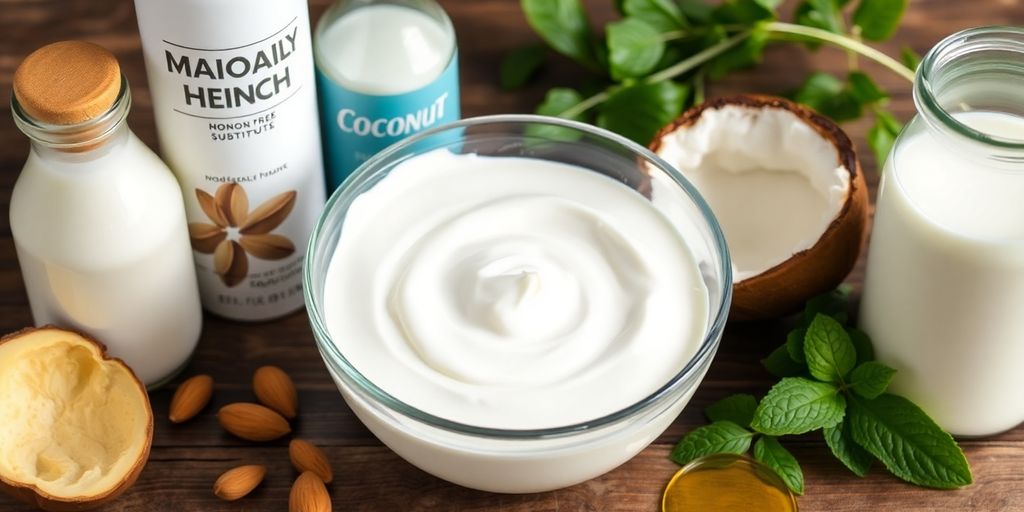
Sometimes, you need a quick and easy substitute for heavy cream, and that’s where combining nondairy milk with oil comes in handy. It’s not going to be exactly the same, but it can work well in many recipes. The key is finding the right balance between the milk and the oil to get the consistency you need.
Soy Milk and Olive Oil Blend
Soy milk and olive oil? It might sound a little strange, but it can actually work! The olive oil adds a richness that plain soy milk lacks. This combination is especially good in savory dishes where the slightly peppery flavor of olive oil complements the other ingredients. I’ve used it in pasta sauces and even some soups with great results. Just remember that the olive oil flavor will be noticeable, so use it in dishes where that flavor makes sense. You can use this vegan alternative in many recipes.
Almond Milk with Vegetable Oil
Almond milk is a lighter option, so pairing it with vegetable oil helps to create a creamier texture. This is a good all-purpose substitute that won’t overpower the flavor of your dish. I often use this when I’m baking and need a dairy-free alternative that won’t change the taste too much. It’s also great in things like mashed potatoes or creamy vegetable soups. Here’s a simple guide:
- Use unsweetened almond milk to avoid adding extra sweetness.
- Start with a 2:1 ratio of almond milk to vegetable oil.
- Adjust the amount of oil to reach your desired consistency.
Oat Milk and Canola Oil
Oat milk is naturally a bit creamier than other nondairy milks, which makes it a great base for a heavy cream substitute. When you combine it with canola oil, you get a really nice, smooth texture that works well in a variety of dishes. I’ve found that this combination is particularly good in coffee and other beverages, as well as in creamy sauces. It doesn’t separate as easily as some other milk and oil combinations, which is a big plus. Here are some tips:
- Heat the oat milk and canola oil gently to help them emulsify.
- Whisk the mixture thoroughly to prevent separation.
- Use immediately for best results.
I tried using oat milk and canola oil in a béchamel sauce last week, and it turned out surprisingly well. It wasn’t quite as thick as a traditional béchamel, but it was still creamy and delicious. I think the key is to use a good quality oat milk and to whisk the mixture constantly while it’s heating. I’m definitely going to be using this combination again in the future.
Nut-Based Cream Alternatives
Cashew Cream for Richness
Cashew cream is a fantastic option if you’re looking for a rich and creamy dairy-free alternative. It’s surprisingly easy to make at home with just raw cashews and water. The texture is incredibly smooth, making it perfect for both sweet and savory dishes. I’ve found it works wonders in thickening sauces or adding a decadent touch to desserts. You can even use it as a base for a vegan alfredo sauce.
- Soak raw cashews in hot water for at least 30 minutes (or cold water for a few hours) to soften them.
- Drain and rinse the cashews.
- Blend the soaked cashews with fresh water until completely smooth. A high-speed blender works best.
I tried using cashew cream in my coffee once, and while it added a nice creaminess, it did have a slight nutty flavor that wasn’t for everyone. It’s definitely something to consider depending on your taste preferences.
Almond Cream for Lightness
Almond cream offers a lighter alternative to cashew cream. It’s still creamy, but with a more delicate flavor. It’s great if you want something that won’t overpower the other ingredients in your recipe. I often use it in baking, especially for recipes where I want a subtle nutty hint. It’s not quite as thick as cashew cream, so keep that in mind if you need a really heavy cream substitute.
Hazelnut Cream for Unique Flavor
If you’re feeling adventurous, hazelnut cream is the way to go. It has a distinctive, nutty flavor that can really elevate a dish. It pairs especially well with chocolate or coffee-based desserts. Making hazelnut cream is a bit more involved than cashew or almond cream, as you typically need to roast and skin the hazelnuts first. But the extra effort is worth it for the unique taste. I love using it to make a silky chocolate mousse.
Coconut-Based Cream Substitutes
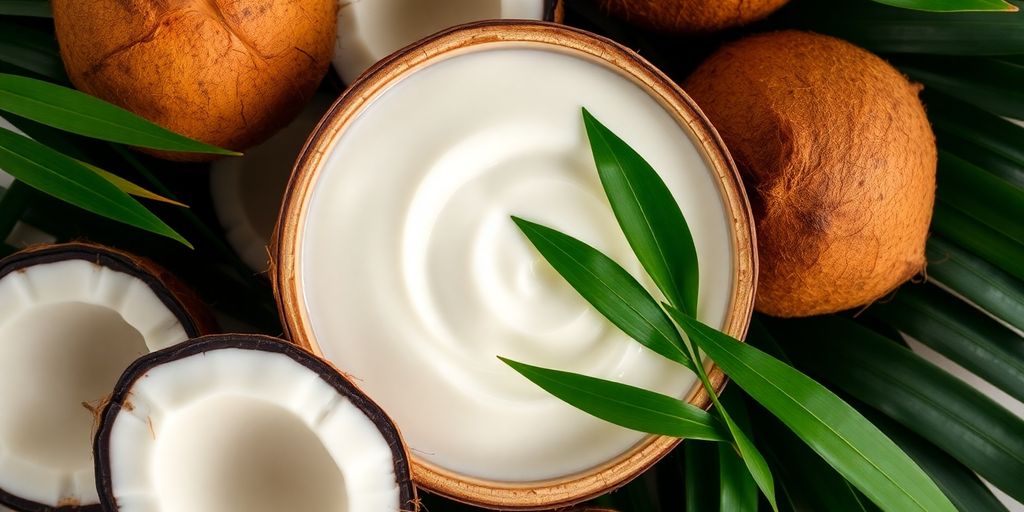
Coconut is a fantastic base for dairy-free alternatives, and it really shines when you’re looking for a heavy cream substitute. It’s versatile and can be used in both sweet and savory dishes. Just be aware that it will impart a coconut flavor, which can be a plus or minus depending on what you’re making.
Coconut Cream for Whipping
Coconut cream is your go-to if you want a dairy-free whipped cream. It’s rich, thick, and whips up beautifully. The trick is to refrigerate a can of full-fat coconut milk overnight. This allows the cream to separate from the watery liquid. Then, you can scoop out the thick cream and whip it just like regular cream. It might take a few minutes longer than dairy cream, but the result is a delicious, vegan-friendly topping. Make sure to buy coconut milk that only contains coconut and water to ensure proper separation. Some brands add emulsifiers that prevent the cream from separating properly. You can use coconut cream in many recipes.
Coconut Milk for Cooking
Full-fat coconut milk is a great option for adding creaminess to sauces, soups, and curries. It doesn’t whip as well as coconut cream, but it’s perfect for cooking. Just shake the can well before using to ensure the fat and liquid are combined. You can also use the watery liquid left over from making coconut cream in smoothies or other recipes. It’s a great way to reduce waste. I’ve found that using coconut milk adds a subtle sweetness and richness to dishes that’s really satisfying. It’s a simple way to make your meals feel a bit more decadent without any dairy.
Coconut Yogurt for Creaminess
Coconut yogurt is another option for adding creaminess, especially in cold dishes or desserts. It has a slightly tangy flavor that can complement certain recipes. It’s not a direct substitute for heavy cream in all cases, but it can work well in things like parfaits, dips, or as a topping for fruit. I like to use it in place of sour cream sometimes, and it adds a nice tropical twist. It’s also a good source of probiotics, which is an added bonus. You can even whip it can even be whipped for a lighter, tangier topping.
Using coconut-based products as heavy cream substitutes is a game-changer for those avoiding dairy. The key is understanding the different forms of coconut and how they behave in various recipes. Experimenting with coconut cream, milk, and yogurt can open up a whole new world of culinary possibilities.
Silken Tofu as a Cream Substitute
Silken tofu? Yeah, I know what you’re thinking. Tofu in my dessert? But trust me on this one. It’s surprisingly versatile as a dairy-free cream substitute. It’s not just for savory dishes anymore! Silken tofu, when blended correctly, can mimic the creamy texture you’re looking for.
Blending Silken Tofu
The key here is silken tofu, not the firm stuff you’d use for stir-fries. Silken tofu has a much higher water content, which makes it blend into a super smooth cream. You’ll want to drain off any excess water first. Then, just toss it into a blender or food processor. Some people like to add a little bit of plant-based milk to help it along, but honestly, sometimes just the tofu on its own works great. Blend until it’s completely smooth – no lumps allowed!
Using Tofu in Desserts
Okay, so you’ve got your blended silken tofu. Now what? Well, this is where the fun begins. You can use it as a base for vegan cheesecakes, mousse, or even a simple chocolate pudding. The tofu itself doesn’t have a super strong flavor, so it takes on whatever flavors you add to it. Think vanilla extract, cocoa powder, fruit purees – the possibilities are endless. For a vegan cream alternative, try blending silken tofu with soy milk and a touch of sweetener.
Tofu in Savory Dishes
Don’t think tofu cream is just for sweets! It works wonders in savory dishes too. I’ve used it to thicken soups and sauces, and it adds a really nice richness without any dairy. It’s especially good in creamy tomato soup or as a base for a vegan Alfredo sauce. Just blend it in at the end of cooking for the best results. You can even use it to make a creamy salad dressing. It’s a great way to add some protein and make your meal a little more filling.
Honestly, I was skeptical about using tofu as a cream substitute at first. But after experimenting with it, I’m a total convert. It’s cheap, it’s healthy, and it’s surprisingly delicious. Plus, it’s a great way to sneak some extra protein into your diet without even realizing it.
Evaporated Milk and Dairy-Free Options
Using Evaporated Coconut Milk
Evaporated coconut milk can be a surprisingly effective substitute in certain recipes. It’s basically coconut milk that has had a significant portion of its water content removed, resulting in a thicker, creamier consistency. This makes it a decent stand-in for evaporated milk in recipes where a slight coconut flavor won’t be a problem. You can often find it in the same section of the grocery store as regular evaporated milk. It’s great in things like curries or some baked goods where the coconut taste complements the other ingredients. Just be aware that it won’t behave exactly like dairy-based evaporated milk in all applications.
Substituting with Almond Milk
While almond milk on its own isn’t a direct substitute for evaporated milk due to its thinner consistency, you can use it in conjunction with other ingredients to achieve a similar effect. For example, you can reduce almond milk on the stovetop to concentrate its flavor and thicken it slightly. Another option is to combine almond milk with a thickening agent like cornstarch or arrowroot powder. This can help mimic the creamy texture of evaporated milk, especially in sauces or desserts. Just remember to whisk constantly while heating to prevent lumps from forming. For a clean dairy-free milk alternative, consider options like Organic Soy Malk.
Combining Evaporated Milk with Oil
If you’re looking to replicate the richness of heavy cream, you can try combining evaporated milk (dairy or dairy-free) with a neutral-tasting oil. This works because the fat content in heavy cream is what gives it its characteristic texture and mouthfeel. By adding oil to evaporated milk, you’re essentially increasing the fat content and creating a richer, creamier mixture. Here’s how you can do it:
- Use a ratio of approximately 2 parts evaporated milk to 1 part oil.
- Whisk the two ingredients together thoroughly until well combined.
- Consider using a neutral oil like canola or vegetable oil to avoid overpowering the flavor of your dish.
- This mixture is best suited for sauces, soups, and some baked goods, but it won’t whip like heavy cream.
I tried this once when making a dairy-free alfredo sauce, and it worked pretty well. The sauce wasn’t quite as thick as with heavy cream, but it was still creamy and flavorful. Just be sure to adjust the seasoning to your liking, as the oil can sometimes mute the flavors slightly.
Creative Uses for Dairy-Free Heavy Cream
In Baking and Desserts
Okay, so you’ve got your dairy-free heavy cream. Now what? Well, let me tell you, the possibilities are pretty awesome. You can use it in almost any baking or dessert recipe that calls for regular heavy cream. Think about it: rich chocolate cakes, creamy cheesecakes (dairy-free, of course!), and even delicate pastries. I recently made a batch of dairy-free cupcakes with a coconut cream frosting, and they were a total hit. The key is to experiment and see what works best for your taste. Don’t be afraid to try it in your favorite recipes – you might be surprised at how well it turns out.
- Cakes and Cupcakes
- Puddings and Mousses
- Pastries and Pies
I’ve found that using a bit of vanilla extract can really help to mask any lingering flavors from the dairy-free cream, especially if you’re using something like coconut cream. It just adds a little extra something that makes everything taste even better.
In Sauces and Soups
Dairy-free heavy cream isn’t just for sweet stuff; it’s a game-changer in savory dishes too. I love using it to make creamy pasta sauces, like a dairy-free Alfredo or a rich tomato cream sauce. It also works wonders in soups, adding a velvety texture to everything from tomato soup to potato soup. Just be careful not to boil it for too long, as some dairy-free creams can separate at high temperatures. A little goes a long way, so start with a small amount and add more to reach your desired consistency. For a savory option, consider blending soy milk and olive oil.
In Coffee and Beverages
Let’s be real, sometimes you just want a little something extra in your coffee. Dairy-free heavy cream can totally elevate your morning cup. It adds a richness and creaminess that’s way better than regular milk, in my opinion. Plus, you can use it to make fancy drinks like dairy-free lattes or cappuccinos. And it’s not just for coffee – try it in smoothies or milkshakes for an extra decadent treat. I’ve even used it to make a dairy-free version of Irish cream, which was surprisingly delicious. It’s a simple way to make your everyday beverages feel a little more special. If you want to try something new, consider Chef Bai’s dairy-free recipes.
Here’s a quick guide on how much to use:
| Beverage | Amount of Dairy-Free Cream | Notes |
|---|---|---|
| Coffee | 1-2 tablespoons | Adjust to your preference |
| Smoothies | 1/4 cup | Adds creaminess and richness |
| Milkshakes | 1/2 cup | Makes it extra thick and decadent |
| Dairy-Free Lattes | 1/4 cup | Creates a velvety texture and flavor |
Wrapping It Up
So, there you have it! Plenty of options for dairy-free heavy cream substitutes that can fit right into your cooking routine. Whether you’re whipping up a creamy pasta sauce or baking a cake, you can find something that works without the dairy. Just remember, some substitutes are better for certain recipes than others, so don’t be afraid to experiment a little. With a bit of trial and error, you’ll find the perfect match for your dish. Happy cooking!
Frequently Asked Questions
What are some good dairy-free substitutes for heavy cream?
You can use a mix of non-dairy milk and oil, like soy milk with olive oil or almond milk with vegetable oil. Nut-based creams, like cashew or almond cream, are also great options.
Can I use coconut milk as a heavy cream substitute?
Yes! Coconut milk is a popular choice. You can use coconut cream for whipping or regular coconut milk for cooking.
How do I make cashew cream?
Soak cashews in water for a few hours, then blend them with a little water until smooth. This creates a creamy texture perfect for many recipes.
Is silken tofu a good heavy cream alternative?
Absolutely! Blending silken tofu with a bit of non-dairy milk can create a creamy texture that works well in desserts and savory dishes.
What about using evaporated milk?
Evaporated coconut milk can be a good substitute in recipes where heavy cream is used as a liquid, but it won’t whip like heavy cream.
How can I use dairy-free cream in baking?
Dairy-free cream can be used in baking for cakes and cookies, as well as in sauces and soups for added creaminess.