“This post contains affiliate links. As an Amazon Associate, I earn from qualifying purchases”
Trying to eat healthy but find it hard to give up tasty ingredients like heavy cream? I get how tough that can be. Just one tablespoon of heavy cream has about 5 grams of saturated fat! I’ve done some research on nutritious options you can use instead.
I’ll share easy, yummy swaps that cut down on bad fats and boost your meal’s nutrition. Keep reading for simple tips to help you feel good about what you’re eating!
Exploring Reasons to Choose Heavy Cream Substitutes
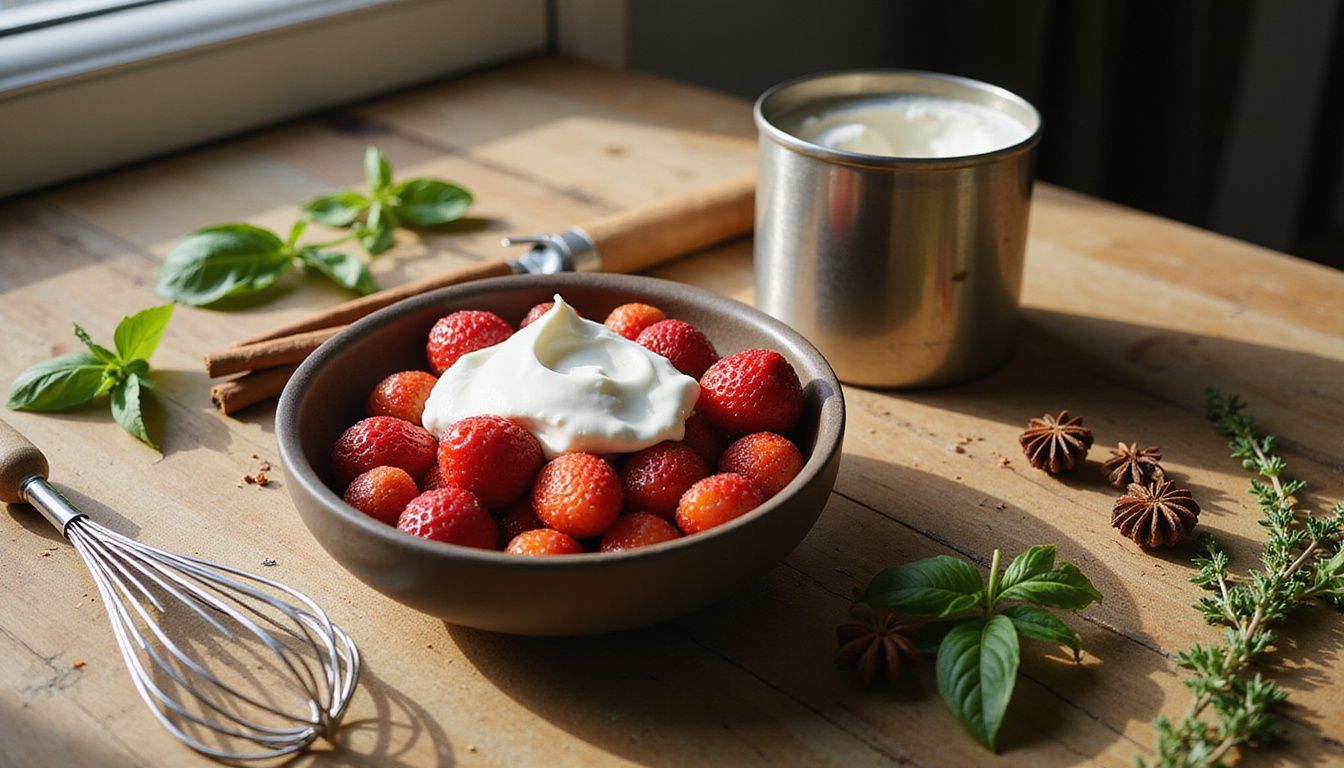
I often look for simple ways to cook healthier meals, with less saturated fat and fewer calories. Switching from heavy cream to substitutes like Greek yogurt or coconut cream can fit dietary needs and add nutrients without sacrificing flavor.
Cut Down on Saturated Fat
Reducing saturated fat helps lower cardiovascular risk and promotes better overall health. Heavy cream, a dairy product high in dietary fat, can raise cholesterol levels if used often.
To avoid this issue at home, I switch to low-fat Greek yogurt or coconut cream instead of cream in soups and desserts; these substitutes contain fewer calories per serving. Last week, my family enjoyed pasta with a tasty Greek yogurt sauce rather than heavy cream—everyone loved it.
Replacing foods high in saturated fats with healthier options can significantly reduce your heart disease risk. – American Heart Association
Boost Nutritional Content
I often look for simple options to boost nutritional value in my meals, even when making creamy soups or sauces at home. Heavy cream substitutes like Greek yogurt add not just thickness but also healthy dietary protein and probiotics for better gut health.
Silken tofu brings vitamins and minerals without extra saturated fat or high calorie levels found in traditional dairy-based creams. Cashew and coconut creams offer plant-based dietary patterns that support heart health with good fats instead of unhealthy trans fats.
These tasty alternatives enrich dishes while fitting into a well-balanced diet easily—and they pave the way for special diets, too, which I’ll discuss next under accommodating dietary restrictions.
Accommodate Dietary Restrictions
Choosing substitutes for heavy cream helps me accommodate dietary restrictions in my meals. For instance, coconut cream or cashew cream suits vegan diets and meets the needs of those sensitive to dairy foods.
Using these plant-based foods makes meal planning simple when hosting guests who avoid animal products.
Greek yogurt as a lower-fat milk choice provides protein and fewer calories than regular cream, ideal for people following healthy eating patterns. Silken tofu gives a smooth texture without saturated fat, perfect if I’m cooking for someone watching their heart health or limiting cholesterol.
Each alternative allows me flexibility in cooking tasty dishes that respect everyone’s nutritional needs at home.
Best Heavy Cream Alternatives for Culinary Use
I often switch heavy cream with nutritious alternatives to reduce saturated fat in my meals. These tasty substitutes help me cook healthier recipes without losing flavor or creamy texture.
Use Greek Yogurt for a Healthier Twist
Greek yogurt makes a great heavy cream substitute in many recipes at home. It has less saturated fat and fewer calories than traditional dairy creams, which helps me maintain cardiovascular health and eat healthy food daily.
Greek yogurt adds extra protein and calcium, boosting the meal’s nutritional values easily.
For creamy sauces or soups, mixing plain Greek yogurt with low-fat milk gives them a rich taste without heaviness. When baking muffins or cakes, I replace half of the butter or oil with Greek yogurt to lower caloric intake while still keeping foods moist.
This simple swap supports healthier diets and adapts well in my kitchen without sacrificing flavor or texture.
Opt for Coconut Cream in Vegan Recipes
If Greek yogurt isn’t your choice, coconut cream is a tasty vegan option. I often use coconut cream in sauces and soups for dairy-free richness and smooth texture. It has less saturated fat than heavy cream but still adds flavor to my healthy eating recipes without animal products.
Coconut cream also provides key nutrients and energy content suited for plant-based diets. Its creamy quality makes it perfect for vegan curries, desserts, or even smoothies instead of high-calorie toppings full of food additives found in junk foods.
Try Cashew Cream for Dairy-Free Richness
Coconut cream adds tasty richness in vegan meals, but cashew cream offers another healthy dairy-free choice. I often soak raw cashews for a few hours and blend them with water until smooth; the result is creamy and nutritious.
It supplies healthy fats and fewer calories compared to regular heavy cream, which helps cut down saturated fat intake for heart health. Cashew cream works well in soups, pastas, sauces made with multigrain pasta or brown rice dishes too.
It’s become my favorite plant-based choice when I want rich texture without dairy products like low-fat milk or Greek yogurt.
Incorporate Silken Tofu for Smoothness
I often choose silken tofu for a creamy texture in sauces and soups at home. Unlike heavy cream, this plant food is low calorie and cuts down saturated fat. Silken tofu blends smoothly into recipes like rich pasta sauce, smoothies, or soup without changing flavor much.
Firm tofu may not blend as well, but silken gives great thickness each time. It’s also packed with protein—around 8 grams per half-cup serving—and minerals like calcium and iron to boost nutritional content.
Swapping heavy cream for silken tofu makes meals healthy eating-friendly for those who watch dietary guidelines closely or prefer vegan dishes without animal products such as red meat or dairy fats.
People sometimes worry about taste changes; experimenting at home showed me that mixing spices and seasonings keeps flavors tasty even after switching ingredients. Cashew cream is another flavorful choice worth trying next in my kitchen experiments, offering dairy-free richness while staying nutritious and simple to prepare.
Health Advantages of Heavy Cream Substitutes
I choose heavy cream substitutes to keep saturated fat down, which helps me follow healthy dietary patterns. Using options like Greek yogurt and coconut cream can also boost nutrition, helping me create lower calorie meals at home.
Enjoy Lower Calorie Meals
Cutting calories can be simple if I use heavy cream substitutes in my kitchen. One tablespoon of heavy cream holds about 51 kcal/g, while Greek yogurt has just about 17—much lighter for meals or desserts.
For savory sauces and soups, mixing silken tofu offers smoothness without extra calories or saturated fat. Swapping out heavy cream helps me enjoy healthy eating choices like multigrain pasta dishes covered with cashew cream sauce or fruit topped with coconut whipped topping.
Meals become nutritious and tasty without the worry of high calorie content from regular dairy products like butter or whole milk; instead, I use alternatives such as low-fat milk, egg whites, and plant-based creams to keep things flavorful but low-calorie at home.
Expand Recipe Options with Versatile Substitutes
I like using versatile substitutes to expand my recipe choices; they allow me to cook tasty dishes in creative ways. For instance, instead of heavy cream, I add Greek yogurt or coconut cream into pasta sauces; it makes recipes healthier and lower in saturated fat.
Silken tofu works well for soups and desserts, giving them a rich texture without dairy.
Experimenting with cashew cream has also opened new meal options for me at home. This dairy-free substitute blends nicely into creamy curries or vegan Alfredo sauce served over multigrain pasta for healthy eating.
These swaps don’t just offer more nutrition but make cooking fun and fresh every day, even if you have dietary restrictions or follow a plant-based diet.
Embrace Plant-Based Choices for Vegan Diets
Expanding my recipe choices often means turning to plant foods instead of dairy. For example, coconut cream brings rich flavor to soups and stews; it’s a tasty vegan choice with less saturated fat than heavy cream.
Cashew cream is another healthy substitute I’ve used in creamy pasta sauces or dips for multigrain pasta dishes—delicious, simply made from blended nuts and water.
Silken tofu has also become one of my kitchen favorites as a versatile alternative protein source. I blend it into smoothies or use it for creamy vegan desserts that are low in calories, high in nutritional content, and friendly to diets free of animal products.
Alongside textured soy protein like tempeh and ground beef alternatives from plant-based meats, these ingredients help me maintain healthier food habits while keeping meals flavorful at home.
Conclusion
Heavy cream substitutes can boost the nutrition in our daily meals. Choosing Greek yogurt or silken tofu cuts calories and saturated fats without losing rich taste. Vegan choices like cashew cream help me cater to various diet needs, adding new flavors and textures.
Simple kitchen swaps like coconut cream make it easy for anyone to enjoy healthy eating every day. With these practical options at hand, each small step toward better nutrition can lead to big improvements for long-term health.
FAQs
1. Why should I use heavy cream substitutes for healthy eating?
Heavy cream has lots of saturated fat, which isn’t great for your health. Using low-fat milk or Greek yogurt instead helps cut calories and adds nutrients to meals.
2. Can meat alternatives also replace heavy cream in recipes?
Not exactly, meat alternatives mainly replace animal protein in dishes like minced fast-food items. For creamy textures without dairy, try soybeans blended smooth or margarine made from plant oils.
3. Are genetically modified foods safe as heavy cream substitutes?
Foods labeled GRAS by FDA’s standards have passed safety checks before market approval; this includes some genetically engineered crops used in margarines and other dairy-free options.
4. How can insect protein enhance nutrition when replacing heavy cream?
Edible insect species offer high digestibility and vitamin B12 content with less environmental impact than traditional farms producing dairy products; entomoculture supports a sustainable food industry too.
5. Do food additives affect the nutritional information of heavy cream substitutes?
Yes, gelling agents and nonprotein nitrogen added during precision fermentation change texture but may alter nutrient levels slightly; always check labels carefully for clear consumer education on ingredients.
6. Is cellular agriculture related to making healthier choices than using regular heavy cream?
Cellular agriculture uses tissue engineering methods like cell culture differentiation and maturation processes to create nutritious alternative proteins; these innovations support a bioeconomy focused on improving our agricultural system beyond typical meat production and consumption practices.