“This post contains affiliate links. As an Amazon Associate, I earn from qualifying purchases”
Discovering earwigs in your garden can be disheartening. These pests consume plants and favor moist locations. Earwigs are nocturnal. Through diligent study, I’ve identified effective ways to eradicate them.
This post discusses ways to remove earwigs using straightforward and natural methods.
Employ newspaper traps for an uncomplicated solution—roll damp newspapers and position them in your garden during nighttime. Earwigs will venture into the confines of the newspaper in search of moisture.
Come morning, dispose of the newspaper trapping the earwigs.
Another approach is the utilization of boric acid. Scatter it around the bases of plants with visible earwig activity. This substance is harmful to them but ensure careful usage around pets and kids.
Beneficial predators can aid in this effort. Birds, frogs, and lizards are known to consume earwigs, so promoting these creatures in your garden can lead to a reduction in the population.
Organic pest control alternatives incorporate the use of sprays made from a blend of vegetable oil and soy sauce in shallow dishes near affected sections—the aroma lures earwigs who then get trapped and drown in the mixture.
A spray of rubbing alcohol directly onto the earwigs exterminates them instantly due to its drying effect.
Diatomaceous earth (DE) is also an effective choice; it’s derived from fossilized diatoms that cut through an earwig’s exoskeleton causing dehydration. Distribute DE around plants that are at risk of damage.
Prior action is key to avoiding serious infestations.
Key Takeaways
- Dry your yard to prevent earwigs. Repair leaks and make soil drain better.
- Catch earwigs using traps like wet newspapers or containers with oil and soy sauce at night.
- Put diatomaceous earth around plants. It keeps pets safe and stops earwigs.
- Invite birds and frogs; they eat earwigs, reducing their number naturally.
- Use garlic or neem oil sprays on plants to guard against earwig damage.
Signs of an Earwig Infestation
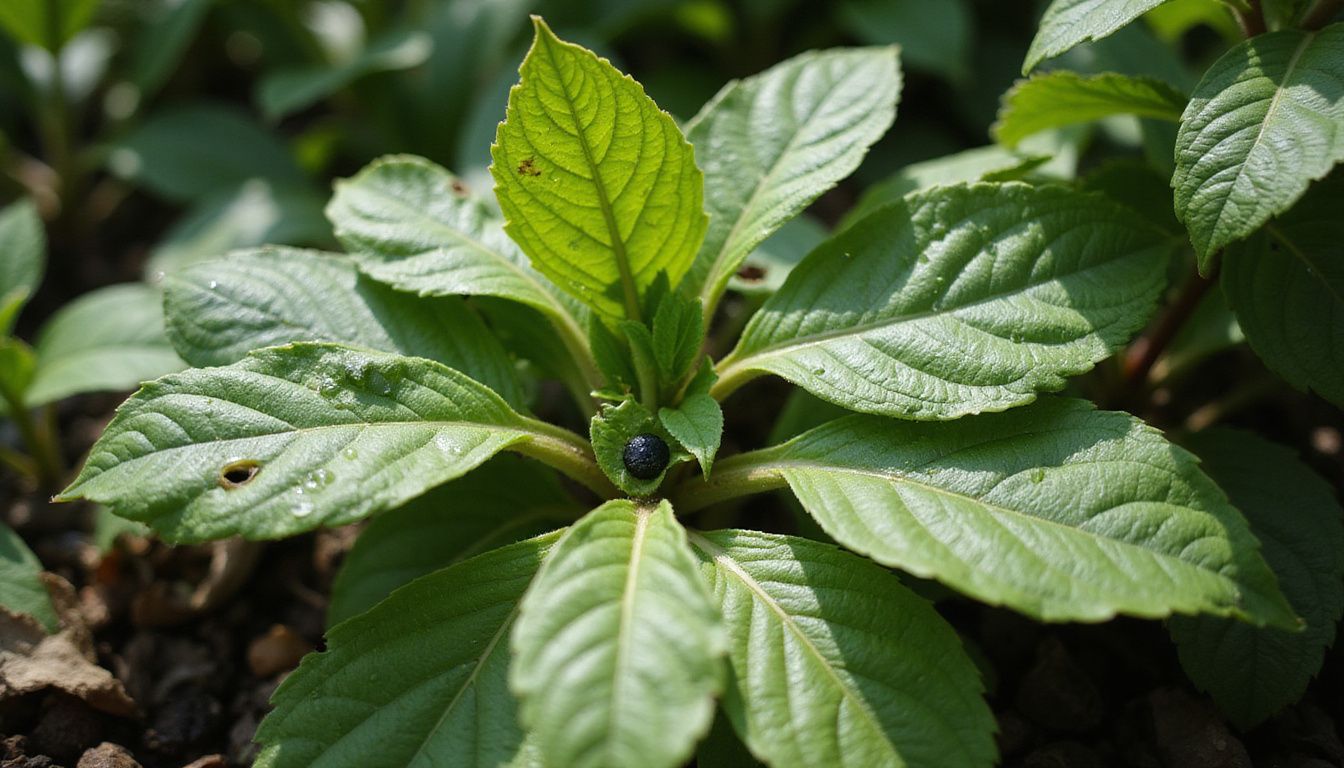
I noticed my garden had problems. Plants’ leaves showed small, irregular holes. Flowers weren’t blooming properly. These signs pointed to an earwig infestation. Earwigs are nocturnal insects that prefer moist places.
They hide during the day and feed at night.
Further evidence of these pincher bugs appeared in damp areas around my backyard. It’s common to find them under pots or debris where moisture collects. Their waste, tiny black pellets, also indicated their presence.
Earwigs favor stone fruit trees and vegetable gardens for their food supply.
To handle the situation, understanding how to manage earwig damage became essential. Identifying garden pests promptly helps protect plants effectively.
What Attracts Earwigs to Your Backyard
After seeing warning signs, I learned earwigs are drawn to moist places and wet areas in the yard. Cutting back on water helped a lot. They also seek hiding spots like leaf or wood piles.
By keeping the yard clean, I reduced these spaces.
Earwigs are attracted to gardens because they find food there. They eat both living and dead plants. Removing dead leaves and maintaining healthy garden plants cut down their food source, making my backyard less appealing to these nocturnal insects.
Effective Ways to Get Rid of Earwigs
Finding the best way to clear out earwigs from your yard doesn’t have to be hard. There are simple steps you can take—like drying up wet areas, cleaning up leaf piles, using a special kind of dust made from fossils, setting traps with everyday items, and making sticky rings around your plants.
Each method is straightforward and uses things you might already have at home or can easily get. Ready to see those pincher bugs say goodbye? Keep reading for more tips on making your backyard a no-earwig zone!
Reduce moisture levels in your yard
Earwigs are drawn to moist areas, so I work to dry out my yard. To do this, I repair leaks and ensure water drains well. I check for spots where water collects and make sure the soil absorbs it quickly.
Adding more sand to the soil helps it dry faster after rain.
I also eliminate hiding places for earwigs such as leaf piles or old wood.
Remove debris and hiding spots
I always clear leaves, rocks, and wood from my backyard to reduce hiding spots for earwigs and other pests. These insects favor dark, moist areas during the day. A tidy yard is less appealing to them.
I also trim bushes and trees often. This lets more sunlight hit the ground, making it dry quicker after rain or watering. Earwigs need moisture to survive, so a drier environment means fewer of them.
Trimming plants away from my home’s foundation prevents them from getting inside.
Use diatomaceous earth
First, clear the yard of any places earwigs might hide. Then, spread diatomaceous earth around your plants and entry points to your home. This powder is made from fossilized algae.
It feels soft to humans but cuts insects like earwigs, causing them to dry out.
Using diatomaceous earth won’t harm pets or plants. Choose food-grade quality for safety. Some people put on gloves and a mask when using it because it’s a fine dust. Apply it when the weather is dry; rain will wash it away, so you may need to do it again after rain.
This method helps control earwigs and other garden pests without using chemicals.
Set up homemade traps
Making homemade traps is effective for catching earwigs. A good trap uses shallow containers with vegetable oil and soy sauce. This mixture smells good to them, so they jump in but can’t escape.
I put these traps near plants or spots where earwigs are common.
Using wet newspapers or cardboard boxes works too. Earwigs look for moist places to hide, so they crawl inside these rolls. In the morning, I shake them into soapy water to kill them.
These methods are affordable and easy because they use household items, allowing quick action against earwigs.
Apply sticky barriers around plants
I wrapped sticky barriers around the stems of my plants. This method created a barrier earwigs couldn’t climb, protecting my flowers and veggies from these garden pests. After I started using sticky barriers, I noticed the damage to my plants stopped.
Earwigs were no longer a problem in my garden because they couldn’t get past these defenses. Sticky barriers became an effective tool for me, keeping earwig damage away from my garden without harming the environment or using harsh chemicals.
Natural Predators to Control Earwigs
Birds, frogs, and some insects naturally eat earwigs. To control earwig damage in the garden, attract these natural predators. Set up bird feeders or a small pond to draw them into your yard.
Ladybugs and lacewings also help by eating earwig eggs. Plant flowers they like to invite these beneficial bugs into your garden. This approach helps reduce earwig populations and keeps your plants healthy without using chemicals.
Organic Pesticide Options
I fight earwig damage in my garden using neem oil spray and garlic mixes. These natural options protect plants without hurting the environment or beneficial insects.
Neem oil spray
Neem oil spray stops earwigs from growing and laying eggs. It’s made from neem tree seeds. This spray is safe for plants in my garden. I mix water, soap, and neem oil to make it. Then, I spray it where needed.
This method also keeps away Japanese beetles and common earwigs, keeping the garden healthy. I can easily make more neem oil spray when necessary.
Garlic-based sprays
Switching from neem oil, I now use garlic-based sprays as an organic way to deter earwigs. To make this spray, blend garlic cloves with water and add a bit of liquid dish soap or vegetable oil.
The soap or oil acts as a sticking agent, making the mixture more effective. While this spray doesn’t kill earwigs instantly, it keeps them away because they dislike the strong smell.
I apply it around my garden beds every few weeks for protection. It’s safe for plants and won’t harm pets or humans, effectively keeping pincher bugs at bay with minimal effort.
Preventing Future Earwig Infestations
Stopping earwig problems before they start means making your yard less inviting to them. You can do this by making sure water drains well and keeping wood chips and plants away from your house walls.
Maintain proper drainage
I learned that dry areas around my house prevent earwig damage. They thrive in wet environments. To combat this, I fixed my gutters and downspouts. This ensured rainwater flowed away from the foundation.
I also created slopes near my home for better water movement.
I added gravel in certain places because it drains water well, unlike soil which holds moisture. After these changes, I noticed fewer earwigs. Improving drainage reduced their hiding spots significantly.
Keep mulch and vegetation away from foundations
Mulch and plants near the house attract earwigs, known as pincher bugs. These insects prefer damp, dark places to hide during the day. So, moving mulch away and cutting back vegetation reduces their numbers around my home.
Regular checks for earwigs under leaves and debris near walls are effective. Clearing these areas out and avoiding watering too close to the foundation also helps keep them away. This approach makes the environment less welcoming for these garden pests by carefully managing surroundings.
Conclusion
To fight earwig damage in your backyard, know why they come. They seek moist places and love to hide. So, I make sure my yard stays dry and clean. Using diatomaceous earth around my plants helps too.
I also use simple traps made with soy sauce and vegetable oil to catch them.
I avoid chemicals by choosing natural options like neem oil or garlic sprays against these garden pests. Also, attracting birds helps reduce the number of earwigs.
By following these steps, you can keep your garden free from annoying insects like forficula auricularia or pincher bugs.
FAQs
1. What are earwigs and why should I be concerned about them in my backyard?
Earwigs, also known as pincher bugs or Forficula auricularia, are nocturnal insects that can cause significant damage to your garden plants. Gardeners often consider these creatures as pests due to their destructive nature.
2. How do I identify if the damage in my garden is caused by earwigs?
Earwig damage is usually noticeable on plant leaves which appear jagged and full of tiny holes. If you see this kind of destruction along with the presence of pinching bugs at night, it’s likely that your garden has an earwig issue.
3. What natural methods can I use for organic pest control against earwigs?
There are several ways! You could make a newspaper trap soaked in vegetable oil and soy sauce, which attracts and traps the bugs overnight. Alternatively, using boric acid or diatomaceous earth (DE) mixed with a wetting agent around your garden can effectively deter these pests.
4. Are there any natural predators that help control the population of earwigs?
Yes indeed! Birds and certain types of insects such as centipedes and spiders act as natural predators to keep the European Earwig population under check.
5. Can household items like rubbing alcohol be used to get rid of earwigs?
Absolutely! Spraying a solution made from water and rubbing alcohol directly onto these nocturnal insects can prove fatal for them while being safe for your plants.