“This post contains affiliate links. As an Amazon Associate, I earn from qualifying purchases”
Red ants in the backyard are a common challenge. These invaders quickly build large colonies. I’ll share methods to get rid of red ants and their nests. We’ll use boiling water and diatomaceous earth, a natural powder.
If you’re facing this issue, these tips can help.
Key Takeaways
- Pour hot water on ant hills to quickly kill them, but be careful around plants.
- Spread diatomaceous earth or a mix of boric acid and sugar in your yard. These are safe for kids and pets.
- Use scents like coffee grounds, citrus peels, or peppermint oil spray to repel ants.
- Plant tansy or lavender; ants avoid these plants.
- If ants persist, call pest control experts for assistance.
Identifying Red Ant Infestations
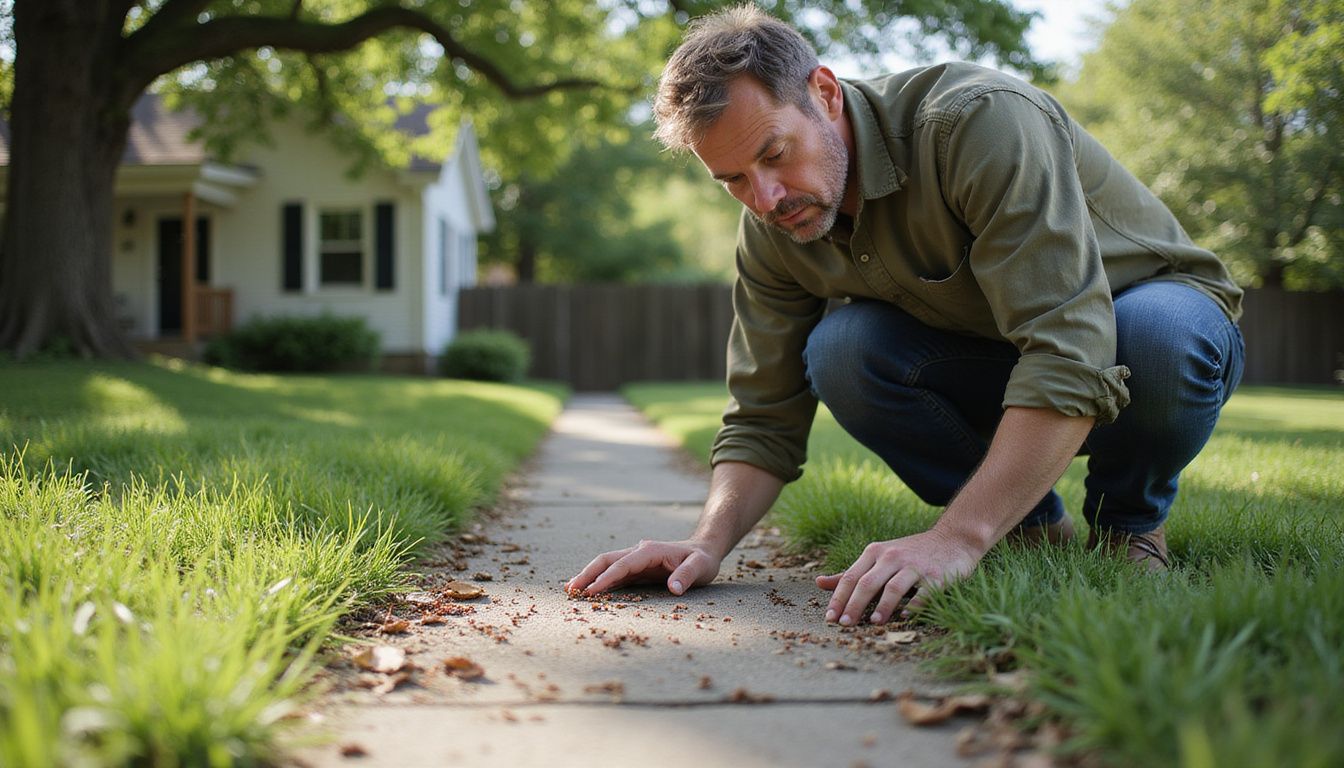
I notice little red insects, likely red ant colonies, making their homes where my grass meets the sidewalk or around my plants. These pests prefer sunny spots for their mounds.
Signs of red ant colonies in your backyard
When you see fire ant mounds in your yard, they look different because they don’t have holes at the top. This is because fire ants use underground tunnels to get in and out. Last summer, these round mounds appeared near my garden.
Fire ants are more aggressive than other ants. If you disturb them, they swarm and attack fast. Their bites and stings hurt a lot. I found this out while planting flowers when I got stung several times.
By recognizing these signs early, you can start controlling the fire ant problem before it gets worse.
Common locations where red ants build ant hills
Red ants, specifically red imported fire ants, choose sunny spots in yards for their ant hills. They prefer places where the soil is warm. This often means open lawns or areas close to pavements and sidewalks.
I noticed several of their mounds near my driveway and around my patio area, likely because these spots receive ample sunlight.
These ants also build near items that retain warmth, such as stones, logs, or garden decorations. I found a small fire ant colony under a flower pot on my deck once. These objects hold onto heat after the sun sets, attracting fire ants.
To spot hidden fire ant mounds, watch for sunny and warm areas in your yard.
For natural pest control against these pests…
Natural Methods to Eliminate Red Ants
To fight red ant infestations, skip the harsh chemicals. You have options:
– Pour hot water over fire ant mounds.
– Spread food-grade diatomaceous earth around their area.
Pouring boiling water on ant hillsPouring boiling water on red fire ant mounds in the backyard kills the ants fast. This method works because the hot water reaches deep inside, killing many ants quickly. Avoid using this near plants that could get damaged by the heat.
To make sure all ants are gone, repeat this process a few times. The first treatment kills most ants, but some can survive deeper in the mound. Treating the hill again catches any missed ones earlier.
Using diatomaceous earth
I use diatomaceous earth to fight fire ant mounds in my yard. This fine powder kills fire ants by drying them out. It’s safe for pets and children playing outside. Diatomaceous earth won’t hurt plants, but it must stay dry to work.
I reapply it after rain or watering to keep red ants away from my backyard.
Applying a mixture of boric acid and sugar
To eliminate red ants, combine boric acid with sugar. The sweet scent draws the worker ants in. They transport this lethal mixture back to their colony, effectively killing it from within.
This method is both simple and efficient for resolving ant problems.
After mixing a teaspoon of boric acid and sugar, I witnessed results quickly. I spread this mix near ant trails and mounds in my backyard. This strategy avoids harmful chemicals while effectively controlling fire ants.
Sprinkling coffee grounds or citrus peels
I found a simple way to keep fire ants out of my yard. I spread coffee grounds and orange peels around. The citrus and coffee smells stop the ants. This method is safe for pets and plants, so it’s great for everyone.
Plus, it recycles kitchen waste. Every few weeks, I put them near ant mounds and garden edges to stop fire ant invasions without using harsh chemicals or bug sprays.
Plant-Based and Organic Repellents
For those looking to keep red ants away, turning to plant-based and organic repellents is a smart move. Simple items like peppermint oil spray can make a big difference. Mixing clove and tea tree oils creates another powerful solution.
Even planting certain plants that bugs don’t like, such as tansy or lavender, can help protect your backyard from these unwelcome guests. These natural methods are safe for both people and pets, making them an excellent choice for anyone wanting to maintain a green yard while fighting off ant invasions.
Want to learn more about how these solutions work? Keep reading….
Peppermint oil spray
I used peppermint oil spray to fight fire ants in my backyard. This natural method also smells nice. I mixed a few drops of peppermint oil with water and sprayed it around ant mounds and trails.
It kept the ants away because they dislike the strong smell.
Peppermint oil confuses ants’ sense of smell, making it effective against them. It’s safe for both plants and pets, which is great. Spraying this mixture regularly prevents fire ants from returning and keeps the yard smelling clean.
Clove and tea tree oil combinations
To keep red ants away, I mix clove and tea tree oils. These essential oils have strong scents that confuse ants. I blend equal parts of each oil with water in a spray bottle. After shaking well, I spray it on ant trails and mounds in my garden.
It’s safe for plants but deters ants.
Also, planting insect-repellent plants such as tansy or lavender helps protect my garden from ants.
Planting insect-repellent plants like tansy or lavender
I found that adding tansy and lavender to my garden keeps red ants away. These plants naturally repel ants, making my yard less attractive for them. They add beauty and fragrance while fitting into organic gardening by avoiding harsh chemicals.
This method also attracts good insects, helping the ecosystem.
Biological Control Methods
Biological control methods use nature’s own tools to fight red ant invasions. We can introduce helpful tiny worms or use special types of mold to break down the ant colonies from within.
Introducing beneficial nematodes
I discovered a natural way to control red ant infestations in my backyard using beneficial nematodes. These small worms target and eliminate fire ant young, disrupting their colonies.
By sprinkling these nematodes over the soil, I tackle the pest problem without harming pets, plants, or the environment. This method provides a safe and effective alternative to chemical pest control, directly addressing fire ant challenges with nature’s solutions.
Using fungi to disrupt ant colonies
Using fungi is an effective way to control red ants in the backyard. Certain fungi work as natural enemies of ant colonies by infecting and killing them from within. This method is safe for plants and pets, targeting fire ant mounds directly.
After spreading fungal spores in areas where ants are active, these spores attach to any ant they encounter. This starts a domino effect that can decimate an entire colony. The approach avoids harsh chemicals or granular insecticides, relying instead on nature’s own mechanisms.
While it requires patience, the decrease in ant numbers proves its effectiveness.
Preventing Red Ants from Returning
To keep red ants away, focus on your yard’s health. Make sure soil and grass are in good shape, take away food and water they might like, and seal up small holes where they get in.
Maintaining healthy soil and lawn conditions
I work on the soil and grass to stop fire ants. Good turf helps a lot. I aerate the lawn for better air, water, and nutrient flow to plants. This reduces pests. Testing soil shows what it needs; often, adding compost or natural fertilizers is good.
Water less but deeply to encourage deep root growth for a strong lawn resistant to pests. I don’t leave food scraps or pet food outside to avoid feeding fire ants. Keeping areas clean limits ant infestations significantly.
Removing food and water sources
To keep red ants away, eliminate their food and water sources. Clean crumbs and spills immediately. Wash and dry pet bowls after use. Store trash far from your home and seal it well.
I discovered that standing water attracts ants and other pests. By fixing outdoor faucet leaks and cleaning gutters to ensure water flows freely, I reduced ant visits significantly.
These actions can help prevent fire ant infestations in your yard effectively.
Sealing cracks and entry points in outdoor areas
After managing food and water sources, I moved to closing up entry spots for pests. I checked outside my home thoroughly. Found cracks in the walls and gaps near doors. I filled these with caulk or a similar product.
Also, I put weather stripping around windows and doors to block ants.
In the garden, there were tiny holes at the base of my house. I covered these with wire mesh. This still let air move for ventilation but kept red ants out of my outdoor areas well.
When to Seek Professional Help
When red ants overwhelm me and their bites cause serious reactions, I call pest control experts. They have the strong tools and know-how to safely handle severe infestations.
Signs that natural methods aren’t enough
I tried natural methods to keep red ants away. I poured boiling water on their mounds and used diatomaceous earth. I even tried mixing boric acid with sugar, but the ant hills kept coming back, bigger each time.
Ants started entering my kitchen in search of food and water. While gardening, I got stung by them which hurt a lot and raised safety concerns for my backyard. So, I decided it was time to get help from pest control experts who specialize in handling fire ant colonies.
Consulting pest control experts for severe infestations
After trying natural methods and still seeing red ants, I decided it was time for professional help. Pest control experts have the tools and chemicals, like granular insecticide, that are stronger than store-bought options.
These professionals check the backyard to find fire ant mounds. They then choose how best to remove them. Their methods are safe for gardens and pets. They also offer advice on preventing future infestations of fire ants.
This approach ensures a peaceful and ant-free backyard without harming the environment or animals.
Conclusion
To tackle red ants in the backyard, I use boiling water, diatomaceous earth, and boric acid. Natural options like coffee grounds also work. Spraying peppermint, clove, or tea tree oils keeps ants at bay.
Growing tansy or lavender deters them since they dislike these plants. Sometimes, hiring professional exterminators is necessary when other methods fail. Regular yard maintenance and sealing cracks prevent ants from returning.
Trying a mix of these strategies can effectively control an ant infestation in your space.
FAQs
1. What are some home remedies to control fire ants in my backyard?
You can use several household items like food-grade diatomaceous earth, white vinegar, baking soda and dish soap to manage a fire ant infestation. These substances disrupt ant trails and kill the ants.
2. How effective is granular insecticide for getting rid of fire ant mounds?
Granular insecticide is highly effective against fire ant colonies when applied correctly. It kills the red imported fire ants (Solenopsis Invicta) directly and also destroys their mounds.
3. Can professional exterminators help with severe pest control issues involving red ants?
Yes, if your backyard has a major problem with carpenter ants or other species, you may need professional exterminators. They have specialized tools and expertise that ensure thorough eradication of the pests.
4. How dangerous are stings from these red ants?
Fire ant bites can cause discomfort due to their stinger but in rare cases might lead to anaphylactic shock in people allergic to them; hence it’s important to get rid of them promptly.
5. Are there preventive measures I can take against future ant infestations?
Definitely! Regularly cleaning up food sources, maintaining lawn hygiene by clearing debris or wood piles helps prevent new colonies from forming thus acting as an efficient form of fire ant prevention.