“This post contains affiliate links. As an Amazon Associate, I earn from qualifying purchases”
If you’re looking to swap out heavy cream for something lighter or dairy-free, you’ve come to the right place. Whether you’re avoiding dairy for health reasons, allergies, or personal preference, there are plenty of great alternatives. This visual guide on milk substitutions will help you find the right options for your recipes, ensuring you never miss out on creamy textures and flavors. Let’s dive into the world of milk substitutes and see how you can make delicious meals without heavy cream!
Key Takeaways
- Coconut cream is a great substitute for heavy cream due to its rich texture.
- Silken tofu blended with milk can create a creamy consistency for soups and sauces.
- Almond and soy milk can be combined with oils to mimic the richness of cream.
- Experiment with different milk alternatives to find the best flavor for your dish.
- Always adjust cooking times and flavors when substituting milk in recipes.
Essential Milk Substitutions
Understanding Milk Alternatives
So, you’re thinking about swapping out milk? Awesome! There’s a whole world of milk alternatives out there, and it’s not just about almond or soy anymore. We’ve got oat milk, cashew milk, coconut milk, and even pea milk hitting the shelves. Each one has its own unique flavor and texture, which can really impact your recipes. It’s all about finding the right fit for your taste and what you’re cooking.
- Almond Milk: Light, slightly nutty flavor, great for cereal and smoothies.
- Soy Milk: Creamier texture, good source of protein, works well in baking.
- Oat Milk: Naturally sweet, creamy, and fantastic in coffee.
Switching from dairy milk can be a big change, but it’s also a chance to explore new flavors and find options that better suit your dietary needs. Don’t be afraid to experiment and see what works best for you.
Choosing the Right Milk for Recipes
Okay, so you’ve got your milk alternatives lined up. Now, how do you pick the right one for your recipe? Think about what you’re making. Are you going for something rich and creamy, or light and refreshing? Coconut milk is your go-to for richness, while almond milk keeps things light. Soy milk is a solid all-rounder, and oat milk adds a touch of sweetness. Also, consider the flavor profile. You don’t want a strong flavor clashing with your dish. Here’s a quick guide:
| Recipe | Best Milk Alternative | Notes |
|---|---|---|
| Creamy Soups | Coconut Milk | Full-fat canned coconut milk for maximum creaminess. |
| Baking | Soy Milk | Adds moisture and structure. |
| Coffee/Lattes | Oat Milk | Froths well and has a naturally sweet flavor. |
| Smoothies | Almond Milk | Light and blends well with fruits. |
Nutritional Benefits of Milk Substitutes
Let’s talk nutrition. One of the big reasons people switch to milk alternatives is for the health benefits. Many plant-based milks are lower in calories and saturated fat than dairy milk. They’re also cholesterol-free and often fortified with vitamins and minerals like calcium and vitamin D. However, it’s important to read the labels. Some brands add sugar or other additives. Here’s a quick comparison:
- Lower in Calories: Many options have fewer calories than whole milk.
- Cholesterol-Free: Plant-based milks don’t contain cholesterol.
- Fortified Nutrients: Often enriched with calcium, vitamin D, and vitamin B12.
Creating Creamy Textures with Milk
Using Coconut Cream for Richness
Coconut cream is a fantastic way to add richness to dishes without using heavy cream. It’s especially great for vegan and dairy-free recipes. To get the best results, chill a can of full-fat coconut milk in the fridge for at least an hour. This allows the cream to separate from the watery liquid. Then, simply scoop out the thick cream from the top, leaving the liquid behind. This cream can be whipped or used directly in sauces and desserts for a decadent texture.
Blending Tofu for Creaminess
Silken tofu is a secret weapon for creating creamy textures in both sweet and savory dishes. When blended, it becomes incredibly smooth and can mimic the consistency of cream. It’s a great option for those looking to reduce fat and calories while still achieving a rich mouthfeel. You can use it in sauces, soups, and even desserts like puddings and mousses. For a lighter cream, choose soft varieties of silken tofu.
Here’s a simple way to make a light cream alternative:
- Blend silken tofu until completely smooth.
- Add a touch of lemon juice or vinegar for brightness.
- Use in a 1:1 ratio as a substitute for light cream.
Combining Milk with Oils
Another way to create a creamy texture is by combining milk with oil. This method works well for sauces and dressings where you want a richer consistency than milk alone can provide. The oil adds fat, which contributes to the creamy mouthfeel. You can use various types of milk, such as soy or rice milk, and pair them with a neutral-flavored oil like extra light olive oil or melted dairy-free margarine. This is a good way to get a light cream equivalent.
I’ve found that the key to success with this method is to blend the milk and oil thoroughly. Using a blender or immersion blender helps to emulsify the mixture, preventing the oil from separating and ensuring a smooth, creamy texture. It might take some experimenting to find the right ratio for your taste, but it’s a versatile technique for adding creaminess to your cooking.
Dairy-Free Cream Alternatives
Coconut Milk vs. Almond Milk
When it comes to dairy-free cream alternatives, coconut milk and almond milk are two popular choices, but they serve different purposes. Coconut milk, especially the full-fat variety, is known for its richness and high fat content, making it a great substitute for heavy cream in many recipes. Almond milk, on the other hand, is much lighter and lower in fat, making it a better option for everyday use like in coffee or cereal.
- Coconut milk adds a distinct coconut flavor, which can be desirable in some dishes but overpowering in others.
- Almond milk has a more neutral flavor, making it a versatile option for various recipes.
- Consider the fat content: coconut milk is high in saturated fat, while almond milk is low in fat.
I’ve found that using canned coconut milk that’s been refrigerated overnight yields the thickest cream. Just be sure to only scoop out the solid cream at the top, leaving the watery liquid behind. This works wonders in desserts!
Soy Milk as a Cream Substitute
Soy milk is another versatile option for replacing cream in recipes. It has a relatively neutral flavor and a creamy texture, making it suitable for both sweet and savory dishes. It’s also a good source of protein and can be fortified with vitamins and minerals. You can even make easy vegan half & half with soy milk.
- Soy milk can be used in sauces, soups, and baked goods as a 1:1 replacement for dairy cream.
- For a richer flavor, consider using a full-fat or barista-style soy milk.
- Be mindful of potential soy allergies when using soy milk as a substitute.
Cashew Milk for Creamy Dishes
Cashew milk is gaining popularity as a dairy-free cream alternative due to its naturally creamy texture and mild, slightly sweet flavor. It’s made by blending cashews with water and then straining the mixture to remove any solids. This results in a smooth, rich milk that can be used in a variety of dishes.
- Cashew milk is excellent for making creamy sauces, soups, and desserts.
- It can also be used as a base for vegan ice cream or whipped cream.
- When using cashew milk, be sure to choose an unsweetened variety to avoid adding unwanted sweetness to your recipes.
| Milk Type | Flavor Profile | Best Uses |
|---|---|---|
| Coconut | Rich, Coconut | Desserts, curries, rich sauces |
| Almond | Mild, Nutty | Coffee, cereal, light sauces |
| Soy | Neutral | Versatile, sauces, soups, baked goods |
| Cashew | Mild, Creamy | Creamy sauces, soups, desserts, ice cream |
Adjusting Recipes for Milk Substitutions
How to Modify Cooking Times
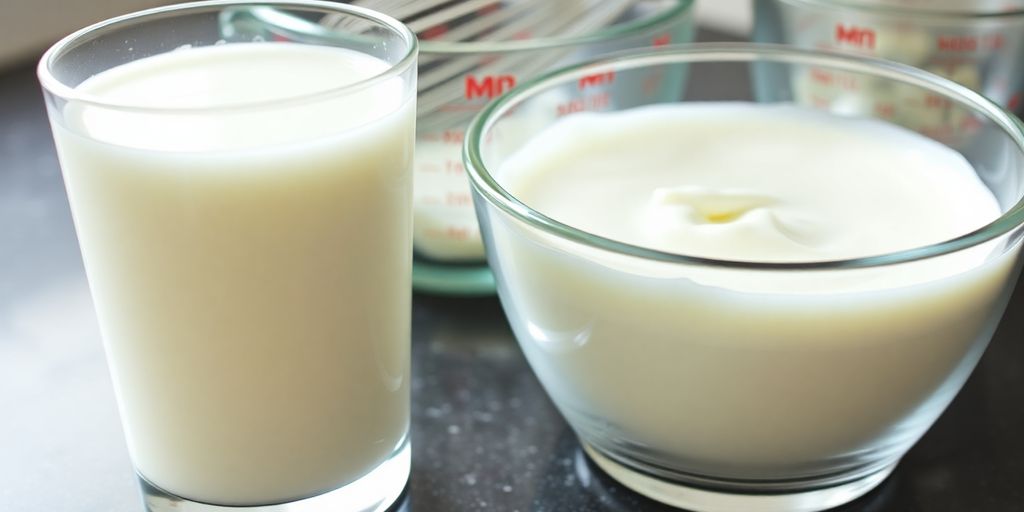
Okay, so you’re swapping out heavy cream for milk alternatives. Cool! But heads up, it’s not always a straight one-to-one thing. Different milks have different consistencies and sugar levels, which can affect cooking times. For example, almond milk is thinner than coconut milk, so your sauce might need a little longer to thicken up. Keep an eye on things and adjust as you go. It’s all about feeling it out, you know?
Balancing Flavors with Milk Alternatives
Each milk alternative brings its own flavor to the party. Almond milk has a nutty vibe, coconut milk is sweet and tropical, and soy milk is pretty neutral. Think about how that flavor will play with the other ingredients in your recipe. Sometimes, a little tweak is all you need. Maybe a squeeze of lemon to brighten things up or a pinch of salt to balance the sweetness. Don’t be afraid to experiment! I once used oat milk in a tomato soup, and it added this amazing subtle sweetness that everyone loved.
Thickening Sauces with Milk Substitutes
Getting that perfect creamy sauce without heavy cream can be tricky, but it’s totally doable. Here are a few tricks I’ve picked up:
- Cornstarch Slurry: Mix cornstarch with cold water and whisk it into your sauce. It’s a classic for a reason.
- Flour Roux: Cook flour with a plant-based butter alternative to create a thickening base.
- Pureed Vegetables: Add pureed potatoes, cauliflower, or butternut squash for a natural, creamy texture. This also adds nutrients!
I’ve found that simmering the sauce on low heat after adding a thickening agent helps everything come together without getting gloopy. Patience is key! Also, remember that some milk alternatives, like cashew milk, naturally thicken as they heat, so you might not need as much added thickener. If you want to try a heavy cream substitute, you can melt butter in whole milk and blend the mixture until combined.
Popular Recipes Using Milk Substitutions
Vegan Whipped Cream Recipe
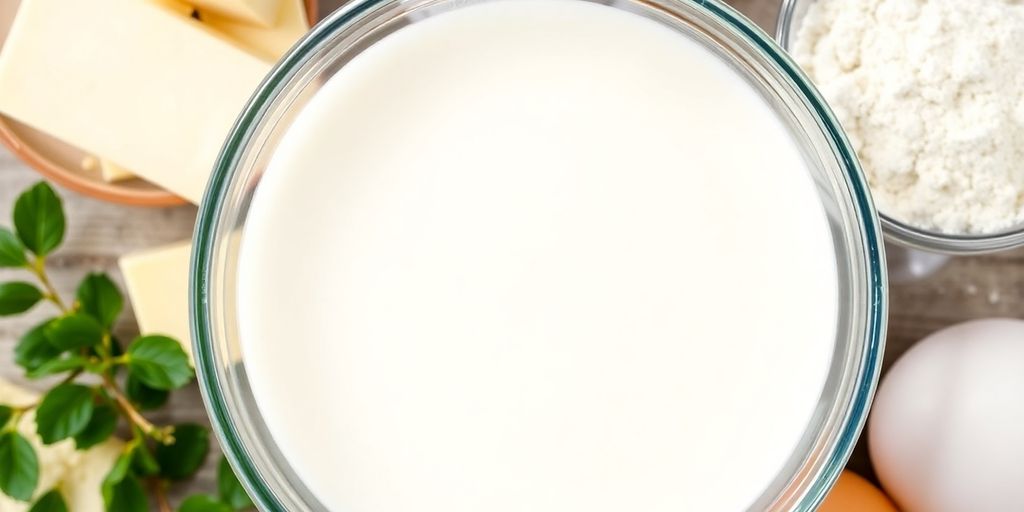
Okay, so you want whipped cream but can’t do dairy? No problem! There are tons of ways to make it happen. Coconut cream is a popular choice, but you can also use cashews or even silken tofu. The key is to start with a really cold base and whip it until it’s light and fluffy. Add a little sweetener and vanilla, and you’re good to go. It’s seriously amazing how close you can get to the real thing. I’ve tried a few different methods, and honestly, they’re all pretty good. It just depends on what you’re going for.
Creamy Soups with Milk Alternatives
Soups are a great place to sneak in milk alternatives. I’ve found that cashew milk works really well for creamy soups because it has a naturally rich flavor. Almond milk is okay, but it can be a little thin, so you might need to add a thickener like cornstarch or arrowroot powder. Coconut milk can also work, but it will impart a slight coconut flavor, which might not be what you want for every soup. Here’s a quick comparison:
| Milk Alternative | Texture | Flavor | Best For |
|---|---|---|---|
| Cashew Milk | Creamy | Rich, nutty | Creamy tomato soup, potato soup |
| Almond Milk | Thin | Mild | Vegetable soup, broth-based soups |
| Coconut Milk | Creamy | Coconutty | Thai soups, curries |
Decadent Desserts with Dairy-Free Milk
Desserts are where milk substitutions can really shine. Think about it: puddings, custards, cakes – all these things traditionally rely on dairy. But you can easily swap in dairy-free milk and get fantastic results. For example, full-fat coconut milk is amazing in chocolate mousse. Oat milk works great in puddings. And almond milk is a solid choice for cakes and muffins. Just be sure to adjust the sweetness and other flavors as needed. I’ve been experimenting with different recipes for years, and I’m always surprised by how good they turn out.
One thing I’ve learned is that it’s all about finding the right milk alternative for the right recipe. Some milks are better for certain things than others. Don’t be afraid to experiment and see what works best for you. And always taste as you go!
Tips for Successful Milk Substitution
Testing Ratios for Best Results
When you’re swapping out heavy cream for milk or a milk alternative, it’s not always a straight one-to-one thing. Different milks have different consistencies and fat contents, which can seriously affect your recipe. Start by substituting a smaller amount than the recipe calls for and then taste as you go. You can always add more, but you can’t take it away! For example, if a recipe calls for 1 cup of heavy cream, try starting with 3/4 cup of milk or milk alternative and see how it goes. This is especially important in baking, where precise measurements matter.
Storing Milk Substitutes Properly
Milk substitutes can be a bit finicky when it comes to storage. Unlike dairy milk, some plant-based milks can separate or change texture if not stored correctly. Always check the expiration date and, once opened, keep them in the fridge. Here’s a quick guide:
- Almond Milk: Lasts about 7-10 days in the fridge after opening.
- Soy Milk: Similar to almond milk, about a week to 10 days.
- Coconut Milk (carton): Use within 5-7 days.
- Coconut Milk (canned): Can last longer, but transfer to a container after opening and use within a week.
Don’t leave milk substitutes at room temperature for more than two hours. Bacteria love that kind of environment, and you don’t want to risk food poisoning. Also, give the carton a good shake before using, as some settling is normal.
Avoiding Common Mistakes
There are a few pitfalls to watch out for when you’re using milk substitutes. One big one is overheating. Some milk alternatives, like almond or soy milk, can curdle if you boil them. Another mistake is not considering the flavor. Almond milk has a distinct nutty taste, while coconut milk has a tropical vibe. Make sure the flavor complements your recipe. Here are some other things to keep in mind:
- Curdling: Avoid high heat with sensitive milks.
- Flavor Clashes: Choose a milk that enhances, not detracts from, the dish.
- Texture Issues: Some milks are thinner and may require a thickening agent like cornstarch or flour. For example, you can use silken tofu to thicken sauces and soups.
Exploring Non-Dairy Cream Options
Plant-Based Creamers
Plant-based creamers have exploded in popularity, and for good reason! They offer a convenient way to add creaminess to coffee and other beverages without any dairy. You can find them made from all sorts of things these days, like:
- Almonds
- Oats
- Coconuts
- Soy
Each one has its own unique flavor and texture, so it’s worth trying a few to see what you like best. Some are sweeter than others, and some froth better for lattes. I’ve found that oat milk creamers tend to be the most neutral in flavor, while coconut creamers add a hint of tropical sweetness. Experiment and find your favorite!
Homemade Dairy-Free Cream Recipes
If you’re feeling adventurous, making your own dairy-free cream is surprisingly easy. Plus, you have total control over the ingredients! Here are a few ideas to get you started:
- Cashew Cream: Soak raw cashews in hot water for at least 30 minutes, then blend them with fresh water until smooth and creamy. You can add a touch of sweetener or lemon juice to taste.
- Coconut Cream: Refrigerate a can of full-fat coconut milk overnight. The thick cream will separate from the watery liquid. Scoop out the cream and use it as a base for whipped cream or other creamy recipes.
- Tofu Cream: Blend silken tofu with a little bit of plant-based milk and sweetener for a smooth, neutral-flavored cream. This works great in sauces and desserts.
Making your own dairy-free cream allows you to avoid additives and preservatives that are often found in store-bought versions. It’s also a great way to customize the flavor and consistency to your liking.
Store-Bought Alternatives
There are tons of dairy-free creamers available in stores now, which is awesome! From whipped toppings to heavy cream substitutes, you can find something for almost any recipe. Here’s a quick rundown of some popular options:
| Product Category | Examples and the list goes on. There are so many non-dairy cream options available now, it’s easy to find something that works for you. Whether you’re looking for a simple coffee creamer or a rich, decadent cream for desserts, there’s a plant-based alternative out there waiting to be discovered.
Wrapping It Up
So, there you have it! Swapping heavy cream for milk is totally doable and can really change up your cooking game. Whether you’re going for a lighter dish or just trying to avoid dairy, there are plenty of options out there. From coconut cream to blended tofu, you can find a substitute that works for you. Just remember, it might take a little trial and error to get the right texture and flavor, but that’s part of the fun in the kitchen. Don’t be afraid to experiment and see what you like best. Happy cooking!
Frequently Asked Questions
What can I use instead of heavy cream?
You can use coconut cream, blended silken tofu, or a mix of milk and oil as a substitute for heavy cream.
Is almond milk a good substitute for milk in recipes?
Yes, almond milk works well in many recipes, but it may change the flavor slightly since it has a nutty taste.
Can I use soy milk to make whipped cream?
Yes, you can blend soy milk with coconut oil to create a whipped cream substitute.
How do I thicken a sauce if I use milk instead of cream?
You can add cornstarch or flour to thicken your sauce when using milk instead of cream.
Are there any dairy-free options for creamy soups?
Yes, you can use coconut milk or blended cashews to make creamy soups without dairy.
What should I remember when substituting milk for cream?
Keep in mind that milk is thinner than cream, so you might need to adjust the amount or add thickeners to achieve the right consistency.