“This post contains affiliate links. As an Amazon Associate, I earn from qualifying purchases”
Many people are looking for ways to cut down on dairy in their diets, but that doesn’t mean you have to give up creamy textures in your cooking and baking. Plant-based milk can step in as a great substitute for heavy cream in a variety of recipes. Whether you’re making a savory sauce or a sweet dessert, there are plenty of options to keep your dishes rich and satisfying without the heavy calories of traditional cream. Let’s explore how to make the switch to plant-based milk heavy cream alternatives.
Key Takeaways
- Plant-based milk can effectively replace heavy cream in most recipes.
- Common options include soy, almond, and oat milk, each bringing unique flavors.
- You can create your own heavy cream substitute using milk and oil or silken tofu.
- When cooking, adjust your techniques and times to suit the plant-based alternatives.
- Consider health benefits like lower calories and dairy-free options when swapping ingredients.
Understanding Plant-Based Milk Heavy Cream Alternatives
What Is Plant-Based Milk?
Okay, so what is plant-based milk anyway? It’s not like plants have udders, right? Basically, it’s a liquid made from plants that looks and acts kinda like dairy milk. Think of it as a clever way to get a creamy texture without involving any cows. You can make it from nuts, seeds, grains, or even legumes. The process usually involves soaking the plant material in water, then grinding and straining it to get a milk-like liquid. It’s become super popular, especially for people who are lactose intolerant, vegan, or just trying to cut back on dairy. There are tons of options out there now, from almond milk to oat milk, and they all have slightly different tastes and textures.
Nutritional Benefits of Plant-Based Milk
Plant-based milks can bring some good stuff to the table nutritionally. Of course, it varies a lot depending on the type of milk and what the manufacturer adds to it. But generally, you can expect:
- Lower in calories: Many plant-based milks are lower in calories than cow’s milk, which can be a plus if you’re watching your weight.
- No cholesterol: Since they come from plants, they’re naturally cholesterol-free.
- Fortified with vitamins and minerals: A lot of brands add vitamins like D and B12, as well as calcium, to make them more nutritionally similar to cow’s milk.
- Good for allergies: They’re a great option if you have a dairy allergy or lactose intolerance.
How Plant-Based Milk Compares to Heavy Cream
So, can you really swap plant-based milk for heavy cream? Well, it depends. Heavy cream is, well, heavy. It’s got a high fat content, which is what gives it that rich, thick texture. Plant-based milks, on the other hand, tend to be thinner and have less fat. However, there are ways to make them work as substitutes. You might need to add some thickeners or use specific types of plant-based milk that are naturally creamier, like oat milk or cashew milk. It’s all about understanding the differences and knowing how to adjust your recipes. For example, blending non-dairy milk and oil can mimic the fat content, but it won’t whip the same way.
Using plant-based milk instead of heavy cream can significantly reduce the fat and calorie content of your dishes. It’s a simple swap that can make a big difference in your overall diet, especially if you’re trying to eat healthier or have dietary restrictions.
Popular Plant-Based Milk Options
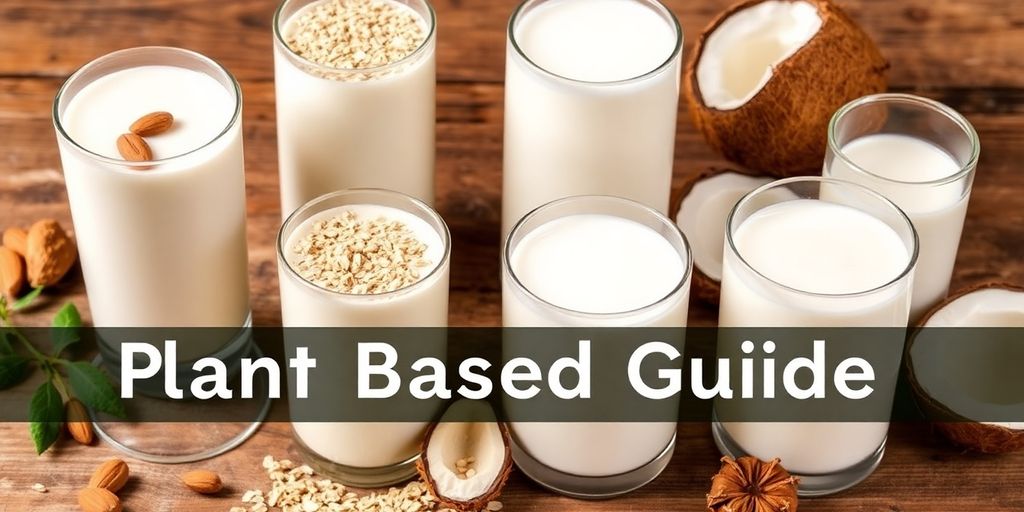
Soy Milk and Its Versatility
Soy milk is a classic plant-based option, and it’s incredibly versatile. It’s been around for ages and is a staple for many vegans and those with dairy sensitivities. I remember when soy milk was pretty much the only widely available non-dairy choice! Now, the options are endless, but soy still holds its own. You can use it in pretty much anything you’d use regular milk for, from cereal to baking. It has a relatively neutral flavor, which makes it a good base for creamy sauces and desserts. Plus, it’s a good source of protein, which is a nice bonus. I’ve found that some brands can have a slightly beany taste, so it’s worth trying a few different ones to find your favorite. For example, you can use soy milk in place of dairy milk in many recipes.
Almond Milk for Creamy Dishes
Almond milk is another popular choice, known for its light and slightly nutty flavor. It’s lower in calories than soy milk, which is a plus for some people. However, it’s also lower in protein. I like using almond milk in smoothies and light desserts where I want a subtle nutty flavor. It’s not the best choice if you’re looking for a super creamy texture, as it tends to be thinner than some other plant-based milks. But, with the right recipe, it can definitely work. Just be aware that some brands can be quite watery, so look for unsweetened varieties with a higher almond content for better results. I’ve had success using it in pancakes and muffins, where it adds a nice, delicate flavor.
Oat Milk: A Creamy Alternative
Oat milk has become a real star in the plant-based milk world, and for good reason! It’s naturally creamy, thanks to the oats, and it has a slightly sweet flavor that’s really appealing. It’s a great option for coffee, as it froths up nicely, and it works well in creamy sauces and soups. I’ve even used it to make vegan ice cream, and it turned out amazing! One thing to keep in mind is that oat milk can be a bit higher in carbohydrates than some other plant-based milks, so if you’re watching your carb intake, it’s something to be aware of. But overall, oat milk is a fantastic all-around option that’s worth trying if you’re looking for a creamy, dairy-free alternative. It’s also great for making vegan cream at home.
I’ve found that oat milk is particularly good in recipes where you want a rich, decadent texture. It adds a certain something that other plant-based milks just can’t replicate. Plus, it’s relatively easy to find in most grocery stores, which is always a bonus.
Here’s a quick comparison of these three plant-based milk options:
| Milk Type | Flavor | Creaminess | Protein | Best Uses |
|---|---|---|---|---|
| Soy Milk | Neutral | Medium | High | Sauces, desserts, baking |
| Almond Milk | Light, nutty | Low | Low | Smoothies, light desserts |
| Oat Milk | Slightly sweet | High | Medium | Coffee, creamy sauces, ice cream |
Creating Your Own Plant-Based Heavy Cream Substitute
Milk and Oil Combination
Okay, so you’re out of heavy cream and trying to avoid dairy? No problem! One super simple trick is to mix plant-based milk with a neutral-tasting oil. This works best in recipes where you need richness, but not necessarily whipping. Think soups, sauces, or even some baked goods. The key is getting the ratio right. Usually, a mix of about 2/3 plant milk to 1/3 oil does the trick. I’ve found that soy milk or almond milk works pretty well for this, but experiment and see what you like best. Just remember, this won’t whip up like real cream, so don’t try it for your frosting!
Using Silken Tofu for Creaminess
Silken tofu is like a secret weapon in the plant-based kitchen. It’s got this amazing ability to blend into a super smooth, creamy texture that’s perfect for replacing heavy cream. I’ve used it in everything from sauces to desserts, and it’s always a hit. Here’s the deal:
- Make sure you use silken tofu, not regular firm tofu. The texture is totally different.
- Drain the tofu well before blending. You don’t want extra water diluting your cream.
- Blend it until it’s completely smooth. No one wants chunks of tofu in their sauce!
I once tried to make a chocolate mousse with silken tofu, and it was surprisingly good. My friends couldn’t even tell it was vegan! It’s a great way to add creaminess without all the extra fat and calories.
Blending Nuts for a Rich Texture
If you’re looking for something really rich and decadent, blending nuts is the way to go. Cashews are the classic choice because they blend up so incredibly smooth. But you can also use almonds or even macadamia nuts for a different flavor. Here’s how I usually do it:
- Soak the nuts in hot water for at least 30 minutes (or even overnight) to soften them up. This makes them easier to blend.
- Drain and rinse the nuts well.
- Blend them with fresh water until you get a super smooth cream. You might need a high-speed blender for this.
Here’s a quick guide to cashew cream consistency:
| Water Added | Consistency |
|---|---|
| Less | Thick, like sour cream |
| More | Thin, like heavy cream |
I love using nut-based creams in desserts or creamy pasta sauces. They add a ton of flavor and richness that you just can’t get with other plant-based options.
Cooking and Baking with Plant-Based Milk
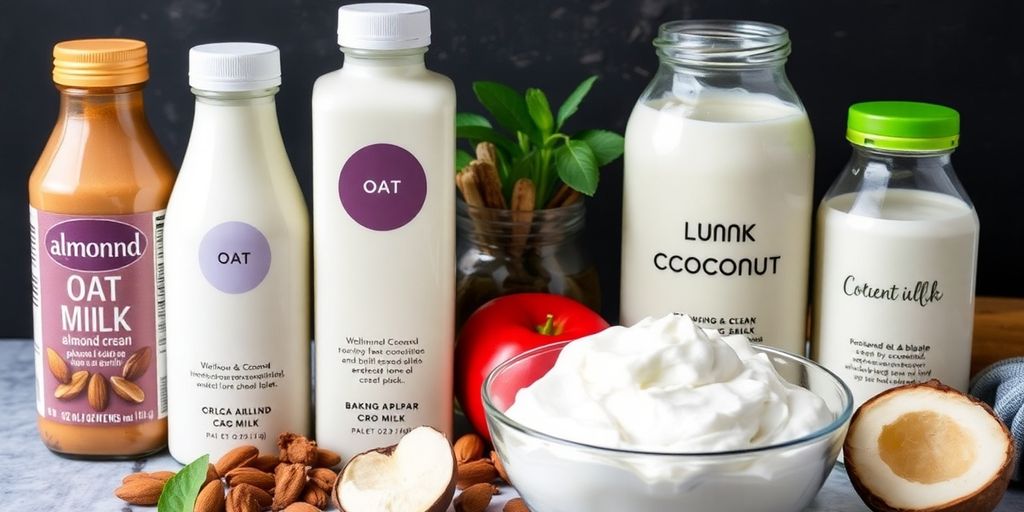
Best Recipes for Plant-Based Cream Substitutes
Okay, so you’ve got your plant-based cream substitute ready to go. Now what? The good news is that you can use these swaps in a ton of different recipes. It’s not always a 1:1 thing, but with a little tweaking, you can get amazing results. Plant-based cream shines in both sweet and savory dishes.
Here are some ideas to get you started:
- Soups: Creamy tomato, butternut squash, or even a veganized cream of mushroom soup are all fantastic. The plant-based cream adds richness without the dairy.
- Sauces: Think pasta sauces, white sauces for gratins, or even a creamy gravy. The key is to simmer gently and avoid high heat, which can sometimes cause separation.
- Desserts: Puddings, cheesecakes, and even ice cream can be made with plant-based cream. Silken tofu and soy milk are your friends here!
Adjusting Cooking Times and Techniques
Working with plant-based cream isn’t exactly the same as using dairy cream. You might need to adjust your cooking times and techniques a bit to get the best results. Here’s the lowdown:
- Heat Sensitivity: Plant-based creams can sometimes curdle or separate if they’re heated too quickly or at too high a temperature. Use medium-low heat and stir frequently.
- Thickening: Some plant-based creams might not thicken as much as dairy cream. You can add a little cornstarch or tapioca starch to help thicken them up. Start with a small amount (like a teaspoon) and add more as needed.
- Baking: In baking, plant-based creams can sometimes make your baked goods a little denser. You might need to add a bit more leavening agent (like baking powder) to compensate.
Flavor Pairings with Plant-Based Milk
One of the cool things about plant-based milk is that they each have their own unique flavor profile. This means you can get creative with your flavor pairings! Think about how the flavor of the milk will complement the other ingredients in your dish.
- Oat Milk: Its slightly sweet and oaty flavor works well in desserts, coffee, and creamy sauces.
- Almond Milk: Its nutty flavor pairs nicely with chocolate, berries, and savory dishes with nuts or seeds.
- Soy Milk: It has a neutral flavor that makes it a versatile option for almost anything. It’s especially good in savory dishes where you don’t want a strong flavor.
Experiment! Don’t be afraid to try different combinations and see what works best for you. The best way to learn is by doing. You might discover some amazing new flavor combinations that you never would have thought of otherwise.
Health Considerations When Swapping Cream
Lowering Caloric Intake
Switching from heavy cream to plant-based milk can significantly reduce your calorie consumption. Heavy cream is high in fat and calories, while many plant-based milks offer a lighter alternative. This can be particularly beneficial for those watching their weight or trying to reduce their overall fat intake.
Consider this comparison:
| Type of Cream | Calories per Cup | Fat per Cup (g) |
|---|---|---|
| Heavy Cream | 821 | 88 |
| Unsweetened Almond Milk | 39 | 3 |
| Oat Milk | 120 | 5 |
Dairy-Free Diet Benefits
For individuals with lactose intolerance or dairy allergies, plant-based milks provide a welcome substitute. These alternatives allow you to enjoy creamy textures and flavors without the digestive discomfort or allergic reactions associated with dairy. Embracing a dairy-free diet can lead to improvements in digestion, reduced bloating, and clearer skin for some people. It’s a great way to explore nondairy milk options and their benefits.
Potential Allergens in Plant-Based Milk
While plant-based milks offer a solution for dairy sensitivities, it’s important to be aware of potential allergens. Common plant-based milks are derived from soy, almonds, oats, and coconuts, all of which can trigger allergic reactions in susceptible individuals. Always check the ingredient list carefully, especially if you have known allergies.
Here are some things to keep in mind:
- Read Labels: Always scrutinize the ingredient list for potential allergens.
- Cross-Contamination: Be mindful of cross-contamination if you have severe allergies.
- Introduce Slowly: When trying a new plant-based milk, start with a small amount to monitor for any adverse reactions.
It’s important to remember that not all plant-based milks are created equal. Some may contain added sugars, thickeners, or other ingredients that could impact your health. Choosing unsweetened varieties and reading labels carefully can help you make informed decisions that align with your dietary needs and preferences.
Storing and Using Plant-Based Cream Substitutes
How to Store Homemade Substitutes
Okay, so you’ve whipped up a batch of your own plant-based cream substitute. Now what? The big thing is storage. Homemade versions, because they lack preservatives, don’t last as long as the store-bought stuff. Generally, you’re looking at keeping them in a covered container in the fridge for about a week. Make sure your container is airtight to prevent it from absorbing other flavors in the refrigerator.
- Always let your substitute cool completely before refrigerating.
- Label the container with the date you made it.
- Check for any signs of spoilage (weird smells, discoloration) before using.
I usually make a batch on Sunday to use throughout the week. It’s super convenient for adding to my morning coffee or using in recipes. But I always make sure to use it up within 5-7 days, just to be safe.
Shelf Life of Store-Bought Options
Store-bought plant-based creams are a bit more forgiving thanks to the preservatives they contain. However, it’s still important to pay attention to the expiration date on the package. Once opened, treat them similarly to dairy cream. Most will last about 7-10 days in the fridge after opening, but always check the specific product’s instructions. Some brands might have a shorter or longer shelf life. You can find a vegan cashew cream recipe online.
- Always refrigerate after opening.
- Don’t drink directly from the container.
- If you notice any changes in color, smell, or texture, discard it.
Thawing and Reusing Frozen Cream
Freezing plant-based cream substitutes can be a great way to extend their shelf life, especially if you made too much or found a great deal at the store. However, be aware that freezing can sometimes alter the texture. It might become a bit grainy or separate upon thawing. This is especially true for substitutes with a high water content. For best results, use thawed cream in cooked dishes rather than as a topping where texture is critical. You can use silken tofu for creaminess.
- Freeze in small portions using ice cube trays for easy use.
- Thaw in the refrigerator overnight for best results.
- Whisk vigorously after thawing to help restore a smoother texture.
Exploring Flavor Profiles of Plant-Based Creams
Sweet vs. Savory Applications
Plant-based creams aren’t just a one-size-fits-all deal. The flavor profile really dictates where they shine. For sweet stuff, think oat milk or cashew cream – they bring a natural sweetness that works wonders in desserts. I’ve been experimenting with plant-based ice creams lately, and the subtle sweetness of oat milk really lets the other flavors pop. Savory dishes? That’s where soy or even a silken tofu cream comes in. They’re more neutral, so they won’t clash with your spices and herbs. It’s all about matching the cream to the dish.
Enhancing Flavor with Additives
Okay, so sometimes plant-based creams need a little help to really sing. A pinch of salt can do wonders to balance sweetness, especially in cashew cream. For a richer, almost decadent flavor, I sometimes add a tiny bit of vanilla extract. And if you’re going for a specific flavor profile, like in a vegan butter chicken, don’t be afraid to experiment with spices directly in the cream. Smoked paprika in a cashew cream for a smoky dip? Yes, please!
Cultural Variations in Plant-Based Cream Usage
It’s fascinating to see how different cultures use plant-based creams. In some Asian cuisines, coconut cream is a staple, adding richness to curries and desserts. In other cultures, you might find blended nuts used to create creamy sauces. It really shows how versatile these alternatives can be. I’ve been trying to incorporate more of these global influences into my cooking, and it’s opened up a whole new world of flavors.
I’ve found that the key to successfully using plant-based creams is to taste as you go. Don’t be afraid to adjust the seasonings and flavorings to get it just right. And remember, every plant-based milk has its own unique flavor, so experiment to find your favorites!
Here’s a quick guide I put together:
- Oat Milk: Slightly sweet, great for desserts and coffee.
- Cashew Cream: Rich and decadent, perfect for sauces and dips.
- Soy Milk: Neutral flavor, works well in savory dishes.
Wrapping It Up
So, there you have it! Swapping out heavy cream for plant-based milk alternatives can be a game changer in your cooking. Whether you’re using soy milk with olive oil or blending silken tofu, there are plenty of options to keep your dishes creamy without the dairy. Just remember, each substitute might change the flavor or texture a bit, so don’t be afraid to experiment. Try different combinations to see what works best for your recipes. With a little creativity, you can enjoy delicious, creamy meals that fit your dietary needs.
Frequently Asked Questions
What is plant-based milk?
Plant-based milk is a drink made from plants, like nuts, grains, or legumes. Common types include almond milk, soy milk, and oat milk.
How can I use plant-based milk as a substitute for heavy cream?
You can mix 1/4 cup of melted butter with 3/4 cup of plant-based milk to replace 1 cup of heavy cream in recipes.
Is plant-based milk healthier than heavy cream?
Yes, plant-based milk usually has fewer calories and less fat than heavy cream, making it a healthier choice for many diets.
Can I whip plant-based milk like heavy cream?
No, plant-based milk cannot be whipped like heavy cream. It is best used in cooking or baking, not for whipping.
Are there any allergens in plant-based milk?
Yes, some plant-based milks can contain allergens like nuts or soy, so it’s important to check labels if you have allergies.
How should I store homemade plant-based cream substitutes?
You should keep homemade plant-based cream substitutes in a covered container in the fridge for about a week.