“This post contains affiliate links. As an Amazon Associate, I earn from qualifying purchases”
Baking can be a bit tricky, especially when you find yourself short on heavy cream. But don’t worry! Milk can step in as a great substitute. With a few tweaks and some creativity, you can still whip up delicious treats without that rich cream. This guide will show you how to use milk and other alternatives to get that creamy texture in your baking.
Key Takeaways
- Milk can replace heavy cream in many recipes, but you’ll need to adjust the fat content.
- A mix of milk and butter can mimic the richness of heavy cream effectively.
- Half-and-half is a convenient substitute that can lighten up dishes without losing flavor.
- Evaporated milk is shelf-stable and works well in recipes where cream adds moisture.
- Coconut cream is an excellent dairy-free option that adds texture and flavor to baked goods.
Understanding Milk As A Substitute For Heavy Cream
The Role Of Fat In Baking
Fat is super important in baking. It does a lot more than just add flavor. It affects the texture, moisture, and overall richness of your baked goods. Think about it: a cake made with oil versus one made with applesauce will have a totally different feel. Fat helps create that tender crumb we all love, and it keeps things from drying out too fast. It also helps with browning, giving your cookies and cakes that golden-brown color. So, when we talk about swapping heavy cream for milk, we’ve got to consider how that fat difference will play out.
How Milk Compares To Heavy Cream
Okay, so let’s break down the difference between milk and heavy cream. The big thing is fat content. Heavy cream is, well, heavy on the fat – usually around 36% or more. Milk, on the other hand, is much lighter. Whole milk is around 3.5% fat, while lower-fat options like 2% or skim milk have even less. This fat difference is why heavy cream makes things so rich and decadent. When you use milk instead, you’re cutting back on that fat, which can change the final product. It might be a bit less rich, a bit less moist, and the texture could be a little different. But don’t worry, we can work with that!
Common Baking Recipes Using Milk
Milk is already a star player in tons of baking recipes. Think about cakes, cookies, muffins, and even some bread recipes. It adds moisture and helps bind everything together. But, when a recipe specifically calls for heavy cream, that’s when things get interesting. You can still use milk, but you might need to make a few adjustments. For example, in a heavy cream recipes like a creamy pie filling, using milk might make it a bit thinner. Or, in a cake, it might not be quite as rich. But, for everyday stuff like pancakes or quick breads, milk works great as is.
Using milk instead of heavy cream is a great way to lighten up your baked goods. It’s not always a perfect swap, but with a few tweaks, you can still get delicious results. It’s all about understanding how fat affects the final product and adjusting accordingly.
Creating A Milk And Butter Mixture
Sometimes you need a quick substitute for heavy cream, and a milk and butter mixture can do the trick. It’s not a perfect swap in every situation, but it works surprisingly well in many baking recipes. The key is getting the ratios right and understanding how to combine them properly.
Best Ratios For Substitution
The ideal ratio is generally 3/4 cup of whole milk to 1/4 cup of melted butter for every 1 cup of heavy cream you’re trying to replace. This aims to mimic the fat content of heavy cream, which is significantly higher than regular milk. You can adjust this slightly depending on the recipe. For richer results, consider a bit more butter, but be careful not to make the mixture too greasy. For a lighter option, stick closer to the 3/4 cup milk, 1/4 cup butter ratio. If you want to use dairy-free milk for baking, you can also add oil to it.
Whisking Techniques For Smoothness
Getting the butter and milk to combine smoothly is crucial. Here’s how I usually do it:
- Melt the butter gently. You don’t want it boiling; just fully melted. I usually do this in the microwave in short bursts, or in a small saucepan over low heat.
- Let the melted butter cool slightly. If it’s too hot, it might cook the milk when you combine them.
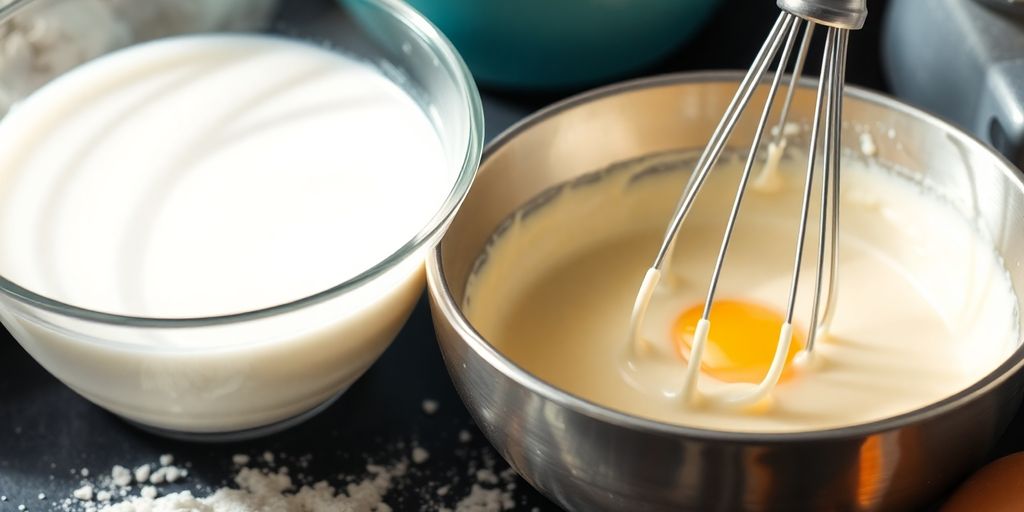
- Gradually whisk the milk into the melted butter. Pour slowly while whisking constantly to emulsify the mixture. This prevents the butter from separating.
- Whisk until the mixture is smooth and creamy. It should look like a uniform liquid, not separated layers of fat and milk.
If the mixture separates, don’t panic! Gently heat it on low heat while whisking constantly. This usually brings it back together. Just be careful not to overheat it.
When To Use This Mixture
This milk and butter substitute works well in a variety of baking applications. Here are a few examples:
- Cakes and Muffins: It can add moisture and some richness, though the texture might be slightly less dense than if you used heavy cream.
- Sauces and Custards: It works well in cooked sauces and custards where the fat content isn’t critical for thickening.
- Quick Breads: Things like scones or drop biscuits can benefit from the added fat, improving their tenderness.
However, it’s not ideal for everything. Avoid using it in recipes where heavy cream is essential for whipping or creating a very stable emulsion, like whipped cream frosting. The butter and milk tend to separate fairly quickly at room temperature, so it doesn’t hold well when piped.
Exploring Half-And-Half As An Alternative
Half-and-half can be a surprisingly useful ingredient when you’re trying to lighten up your baking without sacrificing too much richness. It’s that carton sitting next to the milk, often overlooked, but it’s got potential! Let’s explore how to use it effectively.
Benefits Of Using Half-And-Half
One of the biggest advantages of half-and-half is that it’s readily available. You probably already have it in your fridge! It’s also lower in fat than heavy cream, making it a good choice if you’re watching your calorie intake. It adds moisture and a subtle creaminess without the heaviness of pure cream.
Here’s a quick rundown of the benefits:
- Lower fat content compared to heavy cream.
- Readily available in most grocery stores.
- Adds moisture and a lighter creaminess to baked goods.
Adjusting Ratios For Different Recipes
Using half-and-half isn’t always a straight 1:1 swap for heavy cream. It really depends on the recipe. For some things, like sauces or soups, you can often use it without any adjustments. But for baking, you might need to tweak the other liquids in the recipe to compensate for the lower fat content. For instance, if a recipe calls for 1 cup of heavy cream, you could try using 1 cup of half-and-half and reducing another liquid (like water or milk) by a tablespoon or two. You can also try adding a bit of melted butter to the half-and-half to increase the fat content.
Ideal Uses In Baking
Half-and-half shines in recipes where you want a touch of creaminess without the full richness of heavy cream. Think quick breads, muffins, and some cakes. It’s also great in custards and puddings where you don’t need the mixture to whip. It’s not the best choice for whipped cream or recipes that rely on heavy cream for structure, like certain frostings. You can use it to lighten up potato soup or other creamy soups.
I’ve found that half-and-half works particularly well in recipes where the other ingredients provide a lot of flavor. For example, in a chocolate cake, the chocolate will mask the slight difference in richness. But in a vanilla cake, you might notice the change more. It’s all about experimenting and finding what works best for your taste!
Utilizing Evaporated Milk In Baking
Shelf Stability And Storage
Evaporated milk is a fantastic pantry staple because of its long shelf life. Unlike regular milk or heavy cream, you can store cans of evaporated milk for months, even years, without spoilage. This makes it a convenient option for spontaneous baking projects. Just be sure to check the expiration date before using. Once opened, treat it like regular milk and refrigerate any leftovers in an airtight container, using it within a week for best quality.
Substitution Ratios Explained
When swapping evaporated milk for heavy cream, a 1:1 substitution generally works well, especially in recipes where the cream is added as a liquid. However, keep in mind that evaporated milk has less fat than heavy cream, which can affect the final texture. For a richer result, you can try using a combination of evaporated milk and a bit of melted butter. A good starting point is to use 1 cup of evaporated milk for every 1 cup of heavy cream called for. If you want to increase the fat content, consider using 3/4 cup of evaporated milk plus 1/4 cup of melted butter for each cup of heavy cream.
Best Recipes For Evaporated Milk
Evaporated milk shines in recipes where a creamy texture is desired but a super-rich flavor isn’t essential. It’s great in:
- Casseroles
- Custards
- Puddings
- Delicious recipes using evaporated milk
Evaporated milk can impart a slightly cooked or caramelized flavor to your baked goods, which can be a pleasant addition in some recipes. However, it’s something to consider when you want a very neutral flavor profile.
Incorporating Coconut Cream For Dairy-Free Options
Texture And Flavor Considerations
Coconut cream is a fantastic dairy-free alternative, but it’s important to understand its unique characteristics. The most obvious difference is the coconut flavor, which can be a delightful addition to some recipes but overpowering in others. Texture-wise, coconut cream is naturally thicker than milk but can vary depending on the brand and how it’s stored. Some brands are very thick, almost solid, while others are more liquid. This can affect the final outcome of your baked goods, so it’s good to be aware of the consistency before you start.
How To Use Coconut Cream
Using coconut cream is pretty straightforward, but here are a few tips to get the best results:
- Chill it first: Refrigerate a can of full-fat coconut milk overnight. The cream will separate from the watery liquid, making it easy to scoop out. This is especially important if you want to make coconut milk whipped cream.
- Use the right kind: Make sure you’re using full-fat coconut milk or specifically labeled coconut cream. Light coconut milk won’t have enough fat to provide the richness you need.
- Adjust liquid ratios: Because coconut cream is thicker than milk, you might need to reduce the other liquids in your recipe slightly to achieve the desired consistency.
Coconut cream can sometimes be a bit grainy. To combat this, try gently warming it before using it in your recipe. This will help to smooth out the texture and ensure it blends well with the other ingredients.
Recipes That Benefit From Coconut Cream
Coconut cream shines in recipes where its flavor complements the other ingredients. Think tropical desserts, rich sauces, and creamy fillings. Here are a few ideas:
- Vegan cheesecakes
- Coconut cream pie
- Dairy-free ice cream
- Curries and stews
It’s also great in recipes where you want a richer, more decadent flavor without the heaviness of dairy. Just remember to consider the coconut flavor and how it will interact with the other ingredients in your dish.
Experimenting With Other Dairy Alternatives
Sometimes you need a dairy alternative, whether it’s due to dietary restrictions, allergies, or simply wanting to try something new. Luckily, there are plenty of options available that can work surprisingly well in baking. It might take a little experimenting to find your favorites, but the results can be delicious!
Soy Milk And Its Versatility
Soy milk is a pretty common dairy alternative, and it’s been around for a while. It has a relatively neutral flavor, which makes it a good choice for many recipes. It’s also got a decent amount of protein, which can help with the structure of baked goods. You can usually substitute it 1:1 for milk in most recipes. Just be aware that it can sometimes have a slightly different texture, so you might need to adjust the liquid ratios a bit.
Almond Milk: A Lighter Option
Almond milk is another popular choice, especially if you’re looking for something lower in calories. It has a slightly nutty flavor, which can be nice in some recipes, like muffins or cakes. However, it’s also lower in fat and protein than regular milk, so it might not work as well in recipes that rely on those elements for structure or richness. You might want to add a little extra fat, like a tablespoon of oil, to compensate. If you are looking for dairy-free milk for baking, almond milk is a great option.
Oat Milk For Creamy Bakes
Oat milk has become super popular recently, and for good reason. It’s naturally creamy, which makes it a great substitute in recipes where you want a rich texture. It also has a slightly sweet flavor that can enhance certain baked goods. Plus, it tends to behave similarly to regular milk in baking, so you might not need to make as many adjustments. It’s especially good in things like pancakes, waffles, and even some cakes.
I’ve found that oat milk works particularly well in recipes where you want a bit of extra moisture and a tender crumb. It’s also great for vegan baking, as it helps to bind ingredients together. Just be sure to use unsweetened oat milk, unless you want to add extra sweetness to your recipe.
Tips For Achieving The Right Consistency
Adjusting Liquid Ratios
Getting the right consistency when you’re swapping out heavy cream for milk is all about tweaking those liquid ratios. Too much liquid, and your bake will be soggy; not enough, and it’ll be dry. It’s a balancing act. Start by reducing the amount of milk you’re using compared to the heavy cream the recipe calls for. A good starting point is to use about 3/4 of the amount of milk. Keep an eye on the batter or dough – it should be moist but not runny. If it seems too thick, add a little more milk, a tablespoon at a time, until you reach the desired consistency. Remember, different types of milk have different fat contents, which can also affect the outcome. For example, whole milk will give you a richer result than skim milk.
Thickening Agents To Consider
Sometimes, just adjusting the liquid isn’t enough, and you need a little extra help to get that perfect texture. That’s where thickening agents come in. Here are a few options:
- Cornstarch: Mix a teaspoon of cornstarch with a tablespoon of cold milk to create a slurry, then whisk it into your batter or sauce. This is great for custards and sauces.
- Flour: Similar to cornstarch, you can use a small amount of flour to thicken things up. Make sure to mix it well to avoid lumps.
- Tapioca Starch: This is another good option for thickening, especially if you want a glossy finish. Use it sparingly, as it can get gummy if you use too much.
Using thickening agents can be a game-changer, but it’s important to add them gradually. Too much, and you’ll end up with a gloopy mess. Start with a small amount, mix it in thoroughly, and then check the consistency before adding more.
Testing Your Mixture Before Baking
Before you pop your creation into the oven, it’s always a good idea to do a quick test. This can save you from a baking disaster. Here’s what to look for:
- The Drip Test: If you’re making a cake or muffin batter, lift your spoon and let the batter drip back into the bowl. It should fall in a ribbon-like stream and then slowly disappear back into the mixture. If it’s too runny, it needs more thickening; if it’s too thick, add a touch more milk.
- The Finger Test: For doughs, gently press your finger into the surface. It should leave a slight indentation that slowly springs back. If it springs back immediately, it’s too dry; if the indentation stays, it’s too wet.
- The Taste Test: Okay, this one’s more for fun, but it can also give you a sense of the overall balance of flavors. Just make sure you’re not tasting raw eggs!
| Test | Too Runny | Too Thick |
|---|---|---|
| Drip Test | Falls in a thin, watery stream | Clumps and doesn’t flow smoothly |
| Finger Test | Indentation stays and doesn’t spring back | Springs back immediately with no indentation |
Remember, baking is part science and part art. Don’t be afraid to experiment and adjust until you get it just right. And if all else fails, there’s always heavy cream substitute!
Wrapping It Up
So, there you have it! Baking with milk instead of heavy cream is totally doable. Whether you mix in some butter, use half-and-half, or even try out coconut cream, you can still whip up delicious treats without that heavy cream. Just remember, it might take a bit of experimenting to get the texture just right, especially in baking. But don’t stress too much—cooking is all about having fun and trying new things. So next time you’re in the kitchen, grab that milk and get baking! You might just surprise yourself with how good it turns out.
Frequently Asked Questions
Can I use regular milk instead of heavy cream in baking?
Yes, you can use regular milk as a substitute for heavy cream in many recipes. However, it may not give the same rich taste and texture.
What’s the best way to mix milk and butter for a cream substitute?
To make a substitute, mix ⅔ cup of whole milk with ⅓ cup of melted butter. Whisk them together until they are smooth.
Is half-and-half a good replacement for heavy cream?
Yes, half-and-half can be used as a 1-to-1 substitute for heavy cream in most recipes, but it may not whip as well.
How does evaporated milk work as a substitute?
Evaporated milk can replace heavy cream in cooking. You can use it in equal amounts, but it has a different flavor and consistency.
Can I use coconut cream for dairy-free recipes?
Yes, coconut cream is a great dairy-free alternative to heavy cream. It adds a nice flavor and creamy texture to your dishes.
What if I want to use non-dairy milk like almond or soy?
Non-dairy milks like almond or soy can be used, but they may require added fat, like oil, to mimic the richness of heavy cream.