“This post contains affiliate links. As an Amazon Associate, I earn from qualifying purchases”
Heavy cream is a rich ingredient that adds creaminess to many dishes, but sometimes you just don’t have it on hand. Luckily, there are several easy substitutes you can whip up using common ingredients. Whether you’re cooking, baking, or just looking for something to thicken your soup, these alternatives can save the day. Let’s explore some of the best combined heavy cream substitutes you can make with what you already have in your kitchen.
Key Takeaways
- You can easily make a heavy cream substitute using milk and melted butter.
- Half-and-half mixed with butter works well for cooking but not for whipping.
- Coconut cream is a great vegan option, but it may change the texture of some recipes.
- A blend of soy milk and olive oil is a solid dairy-free alternative.
- Evaporated milk combined with butter gives a rich flavor, perfect for sauces.
Milk And Butter Combination
Creating A Creamy Texture
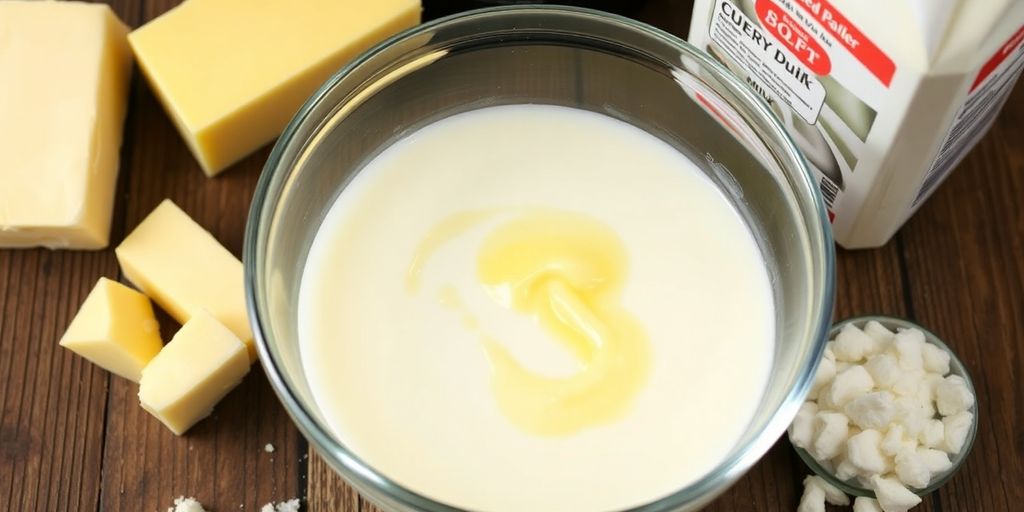
Okay, so you’re out of heavy cream? Don’t panic! A simple fix is using milk and butter. The idea here is that the butter adds back the fat content that heavy cream has. It’s all about getting that fat percentage up to where it needs to be.
To do this, you’ll want to melt some butter and then mix it with milk. It’s not a perfect science, and you might need to play around with the ratios a bit to get it just right. I usually start with about 1/4 cup of melted butter to 3/4 cup of milk. Remember, the type of milk matters too. Whole milk will give you a richer result than skim milk.
Best Uses For This Substitute
This milk and butter combo works surprisingly well in a lot of recipes. I’ve used it successfully in:
- Sauces: Think creamy pasta sauces or even a simple white sauce. It adds a nice richness.
- Baking: It’s great in cakes, muffins, and quick breads. Just don’t expect the exact same rise or texture as with heavy cream.
- Soups: It can make soups extra creamy and comforting. I love it in potato soup!
One thing to keep in mind is that this substitute is best used in cooked applications. It might not behave the same way as heavy cream in recipes that rely on the specific properties of heavy cream, like its ability to hold its shape when whipped.
It’s also great for adding to mashed potatoes to give them a richer flavor.
Limitations In Whipping
Alright, let’s be real: this substitute isn’t going to whip up into stiff peaks like real heavy cream. The fat content just isn’t high enough to create a stable whipped cream. If you absolutely need whipped cream, this isn’t your best bet. You’re better off exploring other alternatives, like coconut cream. However, if you are making homemade butter, you can use heavy cream to do so.
Here’s a quick comparison:
| Feature | Heavy Cream | Milk & Butter Substitute | Whipped Cream Potential |
|---|---|---|---|
| Fat Content | 36-40% | Varies, around 4-30% | Excellent |
| Stability | High | Medium | Good |
| Best Use | All-purpose | Cooking, Baking | N/A |
Half-And-Half With Butter
Half-and-half is that carton in your fridge you use for coffee, right? Well, it can also pinch-hit as a heavy cream sub. It’s basically a mix of milk and cream, but it doesn’t have nearly as much fat as heavy cream. So, how do we fix that? Butter, of course!
Ideal For Cooking
This combo is great when you’re cooking something where the exact richness isn’t super critical. Think soups, sauces, or maybe a creamy pasta dish. It’ll add a nice touch without being too heavy. It’s also usually something you have on hand, which is a win.
How To Mix For Best Results
Okay, so here’s the deal. You want to melt the butter first. Let it cool a bit, but don’t let it solidify again. Then, mix it really well with the half-and-half. I usually use a whisk to make sure it’s all combined. The goal is to get the fat from the butter evenly distributed. A good rule of thumb is to use about 7/8 cup of half-and-half and 1/8 cup of melted butter for every cup of heavy cream you need. You can also use half-and-half without adding butter in certain recipes, such as sauces and soups.
Not Suitable For Whipping
Don’t even try it. Seriously. This mixture will not whip. You’ll end up with a sad, liquidy mess. If you need whipped cream, this ain’t it. Go for the real deal or explore other alternatives. Trust me on this one.
I tried whipping this once for a cake I was making. Big mistake. It looked like it was going to work for about 30 seconds, then it just deflated into a puddle. The cake was still good, but it definitely lacked that fluffy topping I was going for. Lesson learned.
Coconut Cream Alternative
Vegan Option For Heavy Cream
Coconut cream is a fantastic vegan substitute for heavy cream, especially if you’re avoiding dairy. It’s naturally rich and creamy, making it a good choice for many recipes. You can often find coconut cream sold separately, but the easiest way to get it is by refrigerating a can of full-fat coconut milk overnight. The thick cream separates from the watery liquid, leaving you with a perfect substitute. Just be aware that it will impart a coconut flavor to your dish.
Texture Considerations
While coconut cream is thick, it’s not quite the same as heavy cream. It tends to be a bit grainier, especially if it hasn’t been chilled properly. For the smoothest texture, make sure your coconut milk is thoroughly chilled before separating the cream. Also, some brands of coconut milk yield more cream than others, so you might need to experiment to find your favorite. If you need a super smooth texture, consider blending the coconut cream briefly before using it.
Best Uses In Recipes
Coconut cream shines in recipes where a hint of coconut flavor is welcome. Think curries, smoothies, and desserts with tropical flavors. It’s also great for making vegan ice cream or whipped topping. To make coconut milk whipped cream, chill the coconut cream and whip it with an electric mixer until stiff peaks form. You can add a bit of sweetener and vanilla extract to enhance the flavor. Here are some ideas:
- Vegan curries
- Coconut-based desserts
- Smoothies
- Whipped topping
Coconut cream is a great option for those seeking a dairy-free alternative, but it’s important to consider the flavor profile it will add to your dish. It works best in recipes where the coconut flavor complements the other ingredients.
Soy Milk And Olive Oil Blend
Dairy-Free Substitute
For those avoiding dairy, combining soy milk and olive oil can be a surprisingly effective substitute for heavy cream. It’s a simple way to add richness to recipes without using any animal products. This method works by using the olive oil to mimic the fat content that heavy cream provides. You can also use other unsweetened nondairy milks for this recipe.
Flavor Profile
The taste will depend on the olive oil you choose. Extra virgin olive oil will impart a distinct olive flavor, which can be desirable in some dishes but not in others. For a more neutral flavor, opt for a light olive oil or another neutral oil like vegetable or canola oil. I’ve found that using a milder oil allows the other flavors in the recipe to shine through without competition.
Applications In Cooking
This substitute works best in cooked dishes where the flavor of olive oil complements the other ingredients. It’s great for adding creaminess to sauces, soups, and baked goods. However, it’s not suitable for whipping, as it won’t hold its shape like heavy cream. Here’s a general guideline:
- Sauces: Adds richness and body.
- Soups: Creates a creamy texture.
- Baking: Provides moisture and tenderness.
To replicate the richness of 1 cup of heavy cream, mix 2/3 cup of soy milk with 1/3 cup of olive oil. This ratio helps achieve a similar consistency, making it a handy alternative when you’re out of heavy cream or catering to dietary restrictions.
I tried this in a pasta sauce last week, and it turned out great! You could barely tell the difference, and it was a much lighter option.
Evaporated Milk And Butter
Evaporated milk is a pretty cool option when you need a heavy cream substitute, especially since it lasts forever in the pantry. Adding butter to it? That’s just next-level thinking. It gives you some of that richness you’d otherwise miss. Let’s get into the details.
Richness Without The Fat
Evaporated milk is basically milk that’s had a lot of the water removed. This makes it thicker than regular milk, but it still doesn’t have the fat content of heavy cream. That’s where the butter comes in. By adding a little butter, you can bump up the fat and get closer to that creamy texture you’re looking for. It’s a neat trick if you want something a bit lighter but still satisfying. Think of it as a lower-calorie alternative.
How To Prepare
Okay, so here’s the super simple way to do it:
- Warm up about a cup of evaporated milk. Don’t boil it, just get it warm.
- Melt a tablespoon (or two, if you’re feeling extra) of unsalted butter.
- Whisk the melted butter into the warm evaporated milk until it’s all smooth and combined.
- Let it cool a bit before using it in your recipe.
It’s seriously that easy. You can adjust the amount of butter depending on how rich you want it to be.
Best For Sauces And Soups
This combo works best in recipes where heavy cream is a liquid ingredient. Think creamy tomato soup, a rich pasta sauce, or even in some baked goods. It might not whip up like heavy cream, so keep that in mind if you’re planning on making whipped cream. But for adding a touch of richness and creaminess to your cooking, it’s a solid choice.
Using evaporated milk and butter is a great way to get a creamy texture without all the fat of heavy cream. It’s also a good option if you’re out of heavy cream and need a quick substitute. Just remember that it might change the flavor slightly, so taste as you go and adjust your seasonings accordingly.
Greek Yogurt And Milk Mix
Adding Creaminess To Dishes
Okay, so you’re looking for a way to add some creaminess to your dish without using heavy cream? Greek yogurt and milk might just be your new best friends. It’s a pretty simple swap, and it can work wonders in certain recipes. The trick is getting the ratio right, so it doesn’t end up too tangy or too thin. I’ve found that this works best in dishes where you want a subtle creamy texture, not necessarily a super rich one.
Healthier Alternative
Greek yogurt is packed with protein, which is a nice bonus. It’s definitely a lighter option compared to heavy cream, so if you’re watching your fat intake, this is a good way to go. Plus, you get the added benefit of probiotics from the yogurt, which is always a win. It’s not going to taste exactly the same, but it’s a pretty decent substitute, especially if you’re trying to make a dish a bit healthier. You can easily find substitutes for heavy whipping cream that are better for you.
Best For Baking
This mix is okay for some baking applications, but it’s not a one-to-one replacement for heavy cream. Here’s the thing: the lower fat content means your baked goods might not be as rich or moist. It works better in things like muffins or quick breads where you’re not relying on the fat for structure. For cakes or pastries, you might want to stick with the real deal, or at least experiment with other substitutes that have a higher fat content. Here are some things to keep in mind:
- Use plain, unsweetened Greek yogurt.
- Start with a 1:1 ratio of yogurt to milk and adjust as needed.
- Don’t expect the same level of richness as heavy cream.
Using Greek yogurt and milk is a great way to cut down on fat and calories while still adding a creamy element to your cooking. It’s not perfect for everything, but it’s a solid option for many dishes.
Cashew Cream Preparation
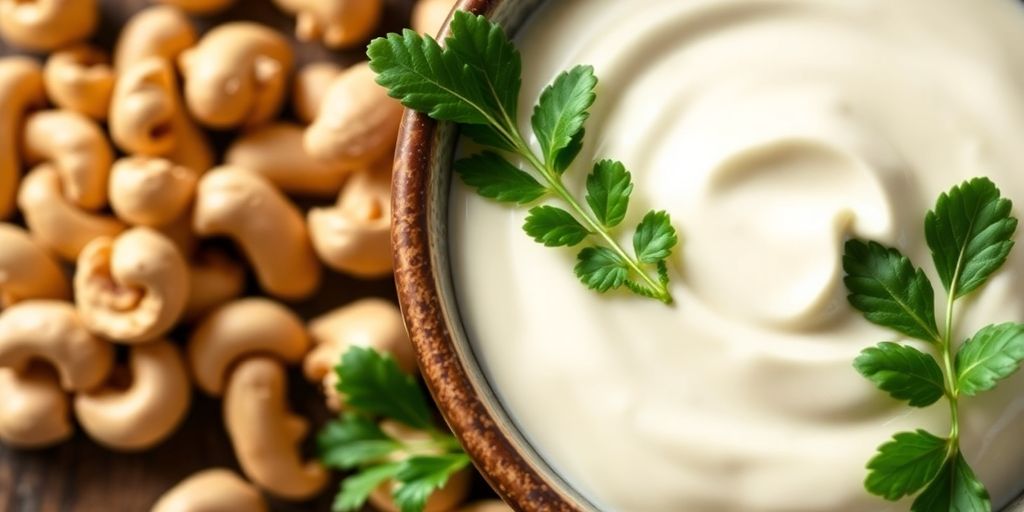
Okay, so you’re looking for a dairy-free, nut-based alternative to heavy cream? Cashew cream might just be your new best friend. It’s surprisingly versatile and can be used in both sweet and savory dishes. Plus, it’s pretty easy to make, though it does require a little planning ahead.
Nut-Based Substitute
Cashew cream is a fantastic option if you’re vegan or have dairy sensitivities. It provides a richness and creaminess that’s hard to replicate with other plant-based ingredients. Unlike some substitutes, it doesn’t have a super strong flavor of its own, so it won’t overpower your recipes. It’s also relatively healthy, offering some good fats and nutrients.
How To Make Cashew Cream
Making cashew cream is straightforward, but soaking the cashews is key. Here’s a basic rundown:
- Soak the cashews: You’ll need raw, unsalted cashews. Soak them in hot water for at least 30 minutes, or in cold water for several hours (or overnight in the fridge). Soaking softens them, making them easier to blend into a smooth cream. If you’re in a hurry, boiling them for 10-15 minutes works too.
- Drain and rinse: After soaking, drain the cashews and give them a good rinse.
- Blend: Put the soaked cashews in a high-speed blender with fresh water. Start with a small amount of water (about 1/2 cup) and add more as needed until you reach your desired consistency. Blend until completely smooth – this might take a few minutes, and you may need to scrape down the sides of the blender a few times. A high-speed blender is really important here.
- Adjust: Taste and adjust the consistency as needed. Add more water for a thinner cream, or more cashews (if you have extra soaked ones) for a thicker cream. You can also add a pinch of salt or a squeeze of lemon juice to brighten the flavor.
Uses In Vegan Recipes
Cashew cream is incredibly versatile. Here are some ideas:
- Sauces: Use it as a base for creamy pasta sauces, like a vegan Alfredo or pesto. It adds richness without the dairy.
- Desserts: It’s great in vegan cheesecakes, mousse, or as a topping for fruit crisps. You can sweeten it with maple syrup or agave.
- Dips: Blend it with herbs and spices to make a delicious dip for veggies or crackers. Think creamy dill dip or a spicy cashew queso.
- Soups: Swirl it into soups for added creaminess. It works well in tomato soup, butternut squash soup, or even potato soup.
One thing to keep in mind is that cashew cream doesn’t whip like dairy heavy cream. So, while it’s great for adding creaminess and richness, it’s not the best choice if you’re looking for a whipped topping. For that, coconut cream might be a better option. But for everything else, cashew cream is a fantastic dairy-free alternative.
Wrapping It Up
So there you have it! When you find yourself without heavy cream, don’t panic. You can whip up a decent substitute with stuff you probably already have in your kitchen. Whether it’s mixing milk with butter, using half-and-half, or even going for coconut cream, there’s always a way to keep your recipes on track. Just remember, some substitutes work better for cooking than for whipping. So, keep experimenting until you find what works best for you. Happy cooking!
Frequently Asked Questions
What can I use instead of heavy cream in recipes?
You can use a mix of milk and butter, half-and-half with butter, or coconut cream as substitutes for heavy cream.
Can I whip milk and butter like heavy cream?
No, milk and butter do not whip up like heavy cream, so they are better for cooking and baking.
Is there a vegan substitute for heavy cream?
Yes! Coconut cream or a blend of soy milk and olive oil can be good vegan options.
How do I make a milk and butter substitute for heavy cream?
Mix 3/4 cup of whole milk with 1/4 cup of melted butter to create a substitute.
Can I use evaporated milk instead of heavy cream?
Yes, evaporated milk can be used, but it won’t have the same richness as heavy cream.
What is the best substitute for heavy cream in baking?
A mix of Greek yogurt and milk works well for baking, providing creaminess with fewer calories.