“This post contains affiliate links. As an Amazon Associate, I earn from qualifying purchases”
Thinking about raising chickens for eggs? It’s a rewarding hobby that can provide you with fresh eggs and a fun experience. Whether you’re a complete novice or just looking to brush up on your chicken-keeping skills, this guide has got you covered. From choosing the right breeds to setting up a cozy coop, we’ll walk you through everything you need to know to get started with your backyard flock.
Key Takeaways
- Start with chicks or pullets for easier management.
- Choose breeds that fit your lifestyle and egg preferences.
- A good coop is essential for chicken comfort and safety.
- Feed your chickens a balanced diet for better egg production.
- Regular health checks will keep your flock happy and productive.
Start Your Backyard Chicken Flock
So, you’re thinking about getting chickens? Awesome! It’s a really rewarding experience, and fresh eggs are just the beginning. But where do you even start? Let’s break it down.
Choosing Between Hatching Eggs, Chicks, or Adult Hens
Okay, first things first: how do you want to get your chickens? You’ve got three main options: hatching eggs, buying chicks, or getting adult hens. Hatching eggs is definitely the most involved. You’ll need an incubator and a whole lot of patience. Chicks are super cute, but they require a lot of care and attention, especially in the beginning. Adult hens are the easiest way to get started if you want eggs quickly, but they can be a bit more expensive upfront. Each option has its pros and cons, so think about what fits your lifestyle and how much time you have to dedicate to your new flock.
Finding the Right Breeds for Your Needs
Not all chickens are created equal! Some are egg-laying machines, while others are better suited for meat production. And then there’s temperament to consider. Do you want friendly, docile birds that are easy to handle, or are you okay with something a little more independent? Some popular breeds for beginners include Rhode Island Reds, Plymouth Rocks, and Orpingtons. Do a little research and find breeds that match your goals and climate.
Where to Purchase Chickens and Eggs
So, where do you actually get these feathered friends? You’ve got a few options here too. Local breeders can be a great source, especially if you’re looking for specific breeds or want to support local businesses. Feed stores often carry chicks in the spring, but the selection might be limited. Hatcheries are another option, especially if you want a wide variety of breeds. Just be sure to check their reputation and shipping policies. And don’t forget to ask around! You might be surprised to find that your neighbor is selling fresh eggs or has chicks for sale.
Starting a backyard chicken flock is a commitment, but it’s one that can bring a lot of joy and fresh eggs to your table. Take the time to do your research, prepare your coop, and choose the right birds for your needs. You’ll be well on your way to enjoying the benefits of raising your own chickens.
Understanding Chicken Breeds for Egg Production
Choosing the right chicken breeds is super important if you’re serious about getting a good supply of eggs. It’s not just about picking any chicken; it’s about finding breeds that match your goals, climate, and how much space you have. Some chickens are egg-laying machines, while others are better suited for meat, and some are just all-around good birds. Let’s get into it.
Popular Breeds for Beginners
When you’re just starting out, some breeds are way easier to handle than others. These breeds are generally docile, hardy, and lay a decent number of eggs. Here are a few good choices:
- Rhode Island Reds: These are known for being super reliable layers. The Rhode Island Red can handle different conditions and still give you a good amount of eggs.
- Australorps: Originally from Australia, these are dual-purpose birds, meaning they’re good for both eggs and meat. They’re also known for being friendly.
- Leghorns: If you want a lot of eggs, Leghorns are a solid choice. They’re not always the friendliest, but they get the job done.
- Orpingtons: These are big, fluffy chickens that are known for being docile and friendly. They’re not the best layers, but they’re great if you want a pet chicken that also lays eggs.
Egg Color Variations
Did you know that chicken eggs come in all sorts of colors? It’s not just brown or white! The color of the egg depends on the breed of chicken. Here’s a quick rundown:
- Brown: Rhode Island Reds, Orpingtons, and Australorps typically lay brown eggs.
- White: Leghorns are famous for their white eggs.
- Blue/Green: Ameraucanas and Easter Eggers lay blue or green eggs. It’s a fun surprise!
| Breed | Egg Color |
|---|---|
| Ameraucana | Blue |
| Rhode Island Red | Brown |
| Leghorn | White |
Temperament and Care Requirements
Each chicken breed has its own personality and needs. Some are super friendly and love to be around people, while others are more independent. Some breeds can handle cold weather better than others, and some need more space to roam. It’s important to do your research and pick breeds that fit your lifestyle.
Think about what you want from your chickens. Do you want friendly pets that lay a few eggs? Or are you more interested in maximizing egg production? Knowing your goals will help you choose the right breeds.
Consider these factors:
- Temperament: Do you want friendly chickens that are easy to handle, or are you okay with more independent birds?
- Climate: Can the breed handle your local weather conditions?
- Space: Do you have enough space for the breed to roam and forage?
- Egg Production: How many eggs do you want per week?
Setting Up a Chicken Coop
Essential Features of a Chicken Coop
Okay, so you’re getting chickens! Awesome. First things first, they need a place to live. A chicken coop isn’t just a cute little house; it’s their safe space, their bedroom, and where they lay those precious eggs. Think of it as their fortress against the world.
- Space: Each chicken needs about 3-4 square feet of space inside the coop. Bigger breeds? Give them more like 6 square feet. Don’t cramp them!
- Roosting Bars: Chickens like to sleep off the ground. Provide roosting bars – about 8 inches of space per bird should do it.
- Nesting Boxes: You’ll need nesting boxes for egg-laying. One box for every three hens is a good rule of thumb. Make sure they are easy to access for the chickens, and easy for you to reach in and grab the eggs.
- Ventilation: Good airflow is key to prevent moisture buildup and keep the air fresh. But avoid drafts!
- Protection: The coop needs to keep your chickens safe from predators. More on that later.
Designing for Comfort and Safety
Comfort and safety are paramount. You want happy, healthy chickens, right? Here’s how to design a coop that keeps them that way:
- Location, Location, Location: Place the coop in a spot that gets some sunlight but also has shade. A well-drained area is also important to avoid muddy conditions.
- Predator-Proofing: This is HUGE. Raccoons, foxes, even neighborhood dogs can be a threat. Use hardware cloth (not chicken wire – it’s not strong enough) to enclose the coop and run. Bury the hardware cloth a few inches into the ground to prevent digging predators. Make sure the roof is secure too!
- Easy Access for You: You’ll be cleaning the coop, collecting eggs, and checking on your chickens daily. Make sure you can easily get inside the coop and access all areas.
- Consider the Weather: If you live in a cold climate, insulate the coop to keep your chickens warm in the winter. In hot climates, provide plenty of ventilation and shade to prevent overheating.
Building a coop from scratch can be a rewarding project. It allows you to customize the design to fit your specific needs and preferences. You can repurpose old materials, like an old shed or playhouse, to save money and add character to your backyard. Just make sure the structure is sturdy, predator-proof, and provides adequate space and ventilation for your flock.
Maintaining a Clean Environment
A clean coop is a happy coop (and a healthy flock!). Regular cleaning prevents the buildup of ammonia, which can cause respiratory problems in chickens. Here’s how to keep things tidy:
- Daily Egg Collection: Collect eggs daily to prevent breakage and discourage broodiness.
- Regular Manure Removal: Clean out the coop at least once a week, removing soiled bedding and droppings. Use a coop scoop to make the job easier.
- Fresh Bedding: Provide fresh bedding, such as straw, wood shavings, or shredded paper, to absorb moisture and keep the coop dry. I like to use pine shavings because they are absorbent and smell nice.
- Deep Cleaning: A couple times a year, do a deep clean of the coop. Remove all bedding, scrub the walls and floor with a disinfectant, and let the coop air out completely before adding fresh bedding. This helps to eliminate bacteria and parasites.
- Dust Baths: Chickens need to take dust baths to keep their feathers clean and free of parasites. Provide a designated dust bath area in the run, filled with sand, dirt, and wood ash.
Feeding Your Chickens for Optimal Egg Production
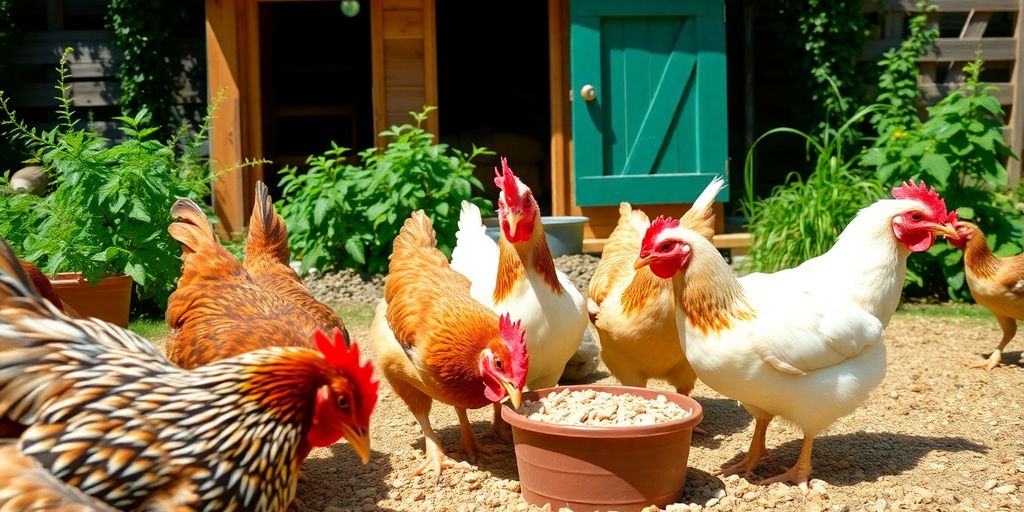
It’s easy to think that just tossing some feed out is enough, but what your chickens eat directly impacts their egg production and overall health. Think of it like this: you wouldn’t expect to run a marathon on a diet of junk food, right? Same goes for your chickens. A balanced diet is key to happy, productive hens.
Choosing the Right Feed
Selecting the right feed can feel overwhelming with so many options available. Layer feed is specifically formulated for laying hens, containing the right balance of protein, carbohydrates, and calcium needed for egg production. Starter feed is for chicks, and grower feed is for pullets (young hens) that aren’t laying yet. Make sure you’re using the right feed for the right age. Purina Layena is a popular choice.
Here’s a quick guide:
- Chicks (0-8 weeks): Chick starter feed (18-22% protein)
- Pullets (8-20 weeks): Grower feed (14-16% protein)
- Laying Hens (20+ weeks): Layer feed (16-18% protein, with added calcium)
Supplementing with Treats
Treats are a great way to bond with your chickens and provide some variety in their diet. However, treats should only make up a small portion of their overall intake – no more than 10%. Think of them as the dessert, not the main course. Good options include:
- Mealworms (high in protein)
- Vegetable scraps (greens are especially good)
- Fruits (in moderation, as they can be high in sugar)
- Herbs (many have health benefits)
Foods to Avoid for Chicken Health
Just as some foods are great for chickens, others can be harmful or even toxic. It’s important to know what to avoid feeding your flock. Here are a few examples:
- Avocado: Contains persin, which can be toxic to chickens.
- Chocolate: Contains theobromine, which is toxic to many animals.
- Raw beans: Contain phytohemagglutinin, which is toxic unless cooked.
- Salty foods: Chickens are sensitive to salt.
- Processed foods: Generally lack nutritional value and can contain harmful additives.
Providing your chickens with the right nutrition is an investment in their health and productivity. By choosing the right feed, supplementing with healthy treats, and avoiding harmful foods, you can ensure that your flock thrives and produces plenty of delicious eggs. Remember to always provide fresh, clean water alongside their feed. A [reliable chicken feeder] will help keep the feed clean and accessible.
Caring for Your Chickens Year-Round
Chickens aren’t just a spring and summer hobby; they need consistent care throughout the year. It’s more than just tossing them some feed and collecting eggs. Let’s get into the nitty-gritty of keeping your flock happy and healthy, no matter the season.
Health Checks and Common Issues
Regular health checks are super important. Catching problems early can save you a lot of heartache (and vet bills) down the road. Here’s what I usually look for:
- Feather condition: Are they molting normally, or are there bald patches indicating mites or pecking? Mites are tiny and look like red-brown spots running all over a chicken’s body and head. Look for mites during the night when they are the most active.
- Comb and wattle color: Pale combs can signal anemia or internal parasites.
- Droppings: Changes in consistency or color can indicate illness.
- Behavior: Is everyone acting normal, or is someone lethargic or isolating themselves?
Common issues include:
- Mites and lice: These are external parasites that can cause irritation and decreased egg production.
- Worms: Internal parasites that can rob your chickens of nutrients.
- Respiratory illnesses: Watch for sneezing, coughing, and discharge from the eyes or nose. A clean chicken coop makes a huge difference to the overall health of your chickens.
- Egg binding: This is when an egg gets stuck in the hen’s oviduct.
Seasonal Care Tips
Each season brings its own challenges. Here’s how I adjust my care routine:
- Spring: Time for spring cleaning! Give the coop a thorough scrub. Watch out for predators as they become more active. This is also a good time to start chicks, if you’re planning to expand your flock. Buy from reliable hatcheries, especially when you’re just starting.
- Summer: Heat stress is a big concern. Make sure your chickens have plenty of shade and fresh, cool water. Consider adding electrolytes to their water. Keep an eye out for pests like flies and mosquitoes.
- Fall: Prepare the coop for winter by sealing up drafts and adding extra insulation. Stock up on feed and bedding. This is also molting season, so provide extra protein to help your chickens regrow their feathers.
- Winter: Ensure the water doesn’t freeze. Provide a dry, draft-free coop. Supplement their diet with extra grains and greens, since they won’t be able to forage as much. You also want a secure coop that will keep egg-theifs out as well.
Providing Enrichment and Exercise
Happy chickens lay more eggs! Bored chickens can become destructive and start pecking at each other. Here are some ways I keep my flock entertained:
- Dust baths: Provide a designated area with sand and dirt for dust bathing. This helps them get rid of parasites and keeps their feathers clean.
- Foraging opportunities: Scatter feed in the run to encourage natural foraging behavior. You can also hang a cabbage or lettuce head for them to peck at.
- Roosting bars: Chickens like to sleep up off the ground. Make sure it’s a safe place inside their shelter where they’re protected from nocturnal predators.
- Chicken swings or ladders: These provide a fun way for them to exercise and explore.
- Supervision: We don’t free-range our chickens because they will inevitably end up in the garden. A chicken run allows your hens some space to roam around on the grass while also keeping them contained.
Caring for chickens year-round is a commitment, but it’s also incredibly rewarding. Seeing them thrive and produce delicious eggs makes all the effort worthwhile. Plus, their quirky personalities are endlessly entertaining. Just remember to stay vigilant, adapt to the changing seasons, and provide them with a stimulating environment, and you’ll have a happy and productive flock. Other deterrents include motion-activated lights, lights and radios on timers, and decoys like plastic garden owls. I’d also suggest placing your poultry where it will be easy to give them fresh water and where it is in your daily “path.”
Collecting and Storing Eggs
Best Practices for Egg Collection
Okay, so you’ve got chickens, they’re laying, and now you need to, well, get the eggs! It sounds simple, but there’s a bit more to it than just grabbing them. Collecting eggs regularly is key to keeping your hens laying and your eggs fresh.
- Collect eggs at least once a day, but twice is better, especially in hot weather. This prevents the eggs from getting too hot or dirty, and it reduces the chance of hens deciding to eat their eggs (yes, it happens!).
- Use a basket or egg carton to gather your eggs. This will help prevent breakage.
- Check for cracked or dirty eggs. Discard any cracked eggs immediately. You can clean slightly dirty eggs with a dry cloth, but don’t wash them unless absolutely necessary, as washing removes the protective bloom.
- Consider marking the date on each egg with a pencil. This helps you keep track of freshness.
I remember one summer when I got lazy about collecting eggs. The heat was brutal, and I figured, “Eh, they’ll be fine for another day.” Big mistake! I ended up with a bunch of spoiled eggs and a couple of hens who had developed a taste for them. Lesson learned: daily collection is non-negotiable.
How to Store Eggs Safely
So, you’ve got your eggs, now what? Proper storage is important to keep them fresh and safe to eat. Here’s the lowdown:
- Store eggs in the refrigerator as soon as possible after collecting them. The ideal temperature is between 34-40°F (1-4°C).
- Keep eggs in their original carton. The carton helps protect them from odors and flavors in the refrigerator, and it also helps prevent moisture loss.
- Store the carton in the coldest part of the refrigerator, not in the door. The temperature in the door fluctuates too much.
- Always store eggs with the pointed end down. This helps keep the yolk centered and prevents the air cell from rupturing.
Understanding Egg Freshness
How do you know if an egg is still good? Here are a few ways to check:
- The Float Test: Place the egg in a bowl of water. If it sinks and lies flat, it’s fresh. If it sinks but stands on one end, it’s still good but should be used soon. If it floats, it’s bad and should be discarded.
- The Smell Test: Crack the egg into a bowl and smell it. If it smells sulfurous or rotten, it’s bad.
- The Visual Test: Look at the egg white and yolk. A fresh egg will have a firm, rounded yolk and a thick, cloudy white. An older egg will have a flatter yolk and a thinner, more watery white.
Here’s a quick guide to egg storage times:
| Storage Location | Shelf Life | Notes THE END
Troubleshooting Common Issues
Okay, so you’ve got your chickens, you’re feeding them right, and you’ve built a sweet coop. But sometimes, things still go wrong. Let’s look at some common problems and how to fix them.
Dealing with Low Egg Production
Low egg production can be super frustrating. First, make sure your chickens are actually old enough to lay. Some breeds take longer than others. Also, consider the time of year. Shorter days in the winter often mean fewer eggs.
Here’s a quick checklist:
- Age: Are they old enough?
- Light: Are they getting enough daylight (or supplemental light)?
- Nutrition: Are they getting the right feed?
- Stress: Are there any stressors in their environment (predators, overcrowding)?
If you’ve ruled out those factors, it might be time to consider other issues, like molting or underlying health problems. Sometimes, older hens just slow down, and that’s normal.
Identifying Health Problems
Keeping an eye on your flock’s health is key. Look for changes in behavior, like lethargy, loss of appetite, or ruffled feathers. Check their droppings for anything unusual (diarrhea, blood).
Common chicken ailments include:
- Mites and Lice: These can cause itching and feather loss. Treat with appropriate poultry dust or sprays.
- Worms: Can lead to weight loss and decreased egg production. Regular deworming is important.
- Respiratory Issues: Watch for sneezing, coughing, or discharge from the eyes or nose. Isolate sick birds to prevent spread.
It’s always a good idea to have a relationship with a vet who knows about poultry. They can help you diagnose and treat more serious problems.
Managing Predators and Pests
Predators and pests are a constant threat to your chickens. Secure your coop and run to keep out foxes, raccoons, and hawks. Hardware cloth is your best friend here. Make sure there are no gaps or weak spots.
For pest control:
- Rodents: Keep feed stored in sealed containers and eliminate potential nesting sites.
- Insects: Regularly clean the coop to prevent buildup of flies and other insects.
- Wild Birds: Can spread diseases. Try to minimize contact between your flock and wild birds.
Consider using raised bed gardening to keep your chickens safe from ground predators. A good fence and a watchful eye can go a long way in protecting your flock. If you’re dealing with dead embryos, it’s important to understand the causes and take preventative measures for future hatches.
Wrapping It Up: Your Chicken Journey Begins
So, there you have it! Raising chickens for eggs can feel a bit overwhelming at first, but trust me, it’s not as hard as it seems. With a little planning and some patience, you’ll be on your way to enjoying fresh eggs right from your backyard. Remember, every chicken keeper has their own style, so don’t stress about getting everything perfect. Just take it one step at a time. Before you know it, you’ll be collecting eggs and maybe even sharing them with friends and family. So go ahead, take the plunge, and start your chicken adventure!
Frequently Asked Questions
What do I need to start raising chickens for eggs?
To begin raising chickens, you’ll need a few basic supplies like a chicken coop, food and water containers, and bedding. You can also get a heat lamp if you’re starting with chicks.
How many eggs can I expect from my chickens?
Most hens lay about 4 to 6 eggs per week, depending on the breed and their age. Some breeds are known for being better layers than others.
What is the best chicken breed for beginners?
Some great chicken breeds for beginners include Rhode Island Reds, Leghorns, and Buff Orpingtons. These breeds are friendly and good at laying eggs.
How do I keep my chickens healthy?
To keep your chickens healthy, provide them with a balanced diet, clean water, and a safe living environment. Regular health checks are also important.
Can chickens live in cold weather?
Yes, chickens can live in cold weather, but they need a warm, dry coop to stay safe. Adding straw or hay for bedding can help keep them warm.
How should I collect and store eggs?
Collect eggs daily to keep them fresh. Store them in a cool place, and they can last for several weeks if kept unwashed and in their original condition.