“This post contains affiliate links. As an Amazon Associate, I earn from qualifying purchases”
Have you ever started cooking and realized you’re out of heavy cream? I’ve run into this problem often. After some trial and error, I found coconut milk works great as a rich, dairy-free substitute.
I’ll show you how to use coconut milk in baked goods, pasta sauces, soups—and even tasty desserts like ice cream. Keep reading to learn how easy it is to switch coconut milk for heavy cream in your favorite recipes.
Why Use Coconut Milk as a Heavy Cream Alternative?
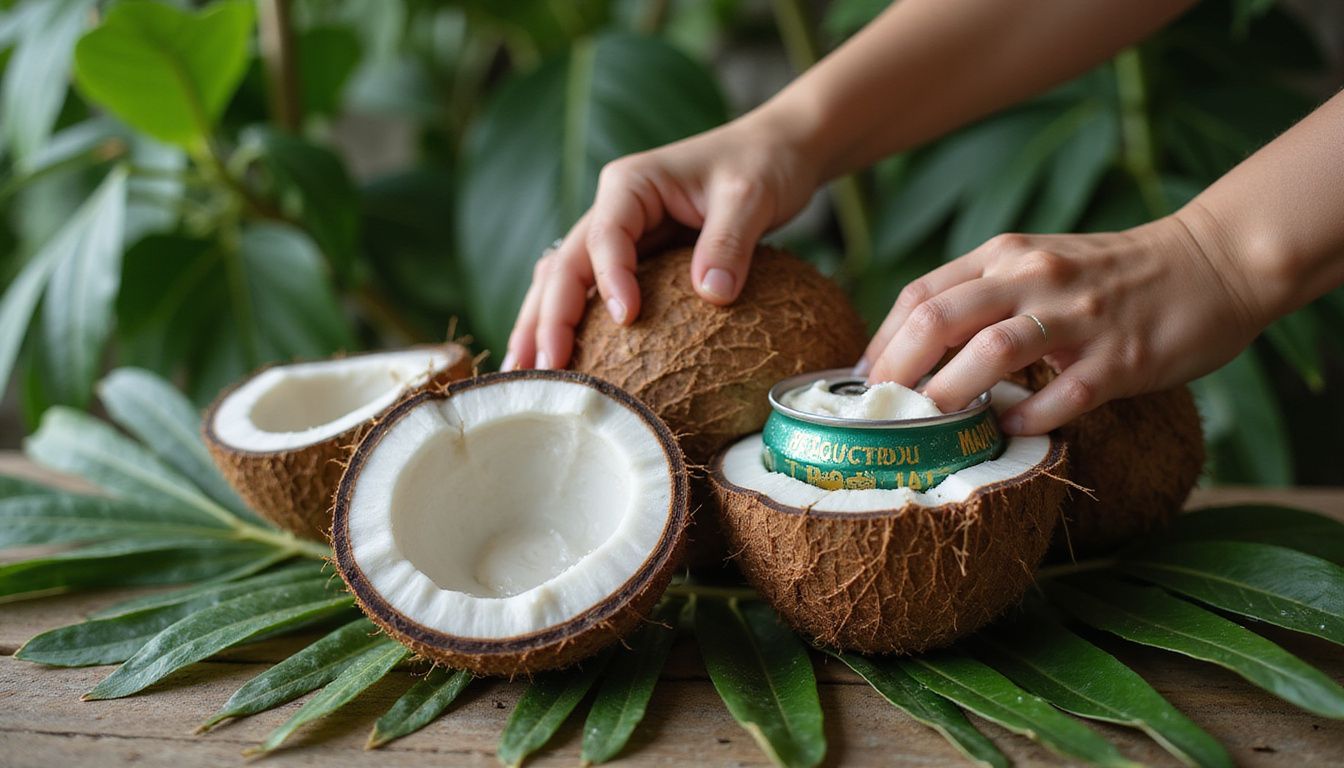
I love to cook creamy dishes like chicken alfredo or rich mashed potatoes. But using heavy cream often means high calories and dairy, which can upset some stomachs. Coconut milk is great for a smooth texture while staying dairy-free and lighter on calories than standard whipping cream.
It also has healthy fats called medium-chain triglycerides, good for quick energy without adding too much fat.
Boxed coconut milk drinks are thinner, more like almond milk or soy milk beverages—ideal if I want something less thick in soups or smoothies. For sauces needing richer flavor, canned full-fat coconut milk works best as a tasty alternative to heavy whipping cream in curries and desserts such as cheesecakes or ice cream recipes.
Coconut milk adds richness without the heaviness of traditional creams.
Types of Coconut Milk
At first glance, coconut milk products seem alike—but packaging and richness set them apart. Let’s look at each kind to see what works best in your kitchen.
Canned Coconut Milk
I often choose canned coconut milk as my favorite heavy cream substitute. The full-fat version has a creamy texture that is perfect for soups and curries. It also works well in baking recipes, sauces, and mashed potatoes.
Most cans contain thick coconut cream on top, which I use like whipping cream—just chill it first to scoop out easily. One cup of canned coconut milk usually replaces one cup of regular heavy whipping cream without any trouble, making it a simple dairy-free alternative for home cooks like me who avoid dairy products.
Boxed Coconut Milk Drink
Boxed coconut milk drinks differ greatly from canned coconut milk. They’re thinner and easier to drink straight or pour over cereal, much like almond milk or soy milk. I’ve found boxed varieties perfect for quick smoothies, baking recipes, or as lighter dairy-free alternatives in mashed potatoes or cream sauces.
For the best creamy texture that’s still low-fat, I choose boxed coconut milk labeled “unsweetened” and without extra flavors. That’s key because sweetened options might change the taste of soups or other meals I’m cooking at home.
Always check labels to avoid added sugars and flavorings.
How to Substitute Coconut Milk for Heavy Cream
I often replace heavy cream with coconut milk in my cooking and baking recipes—it works great, cup for cup. The trick is to tweak seasonings or add cornstarch if needed, to get the right creamy texture.
1:1 Ratio Substitution
For most cooking recipes, substituting full-fat coconut milk for heavy cream is simple with a 1:1 ratio. If the recipe calls for one cup of heavy whipping cream, I just swap in one cup of canned coconut milk.
This easy dairy-free alternative works well to add a creamy texture to soups, sauces, or even mashed potatoes without losing richness.
In baking recipes like muffins or cakes, I’ve found coconut milk provides moisture and fat similar to regular heavy cream. To keep desserts tasting mild and balanced, it’s helpful to use unsweetened coconut milk rather than boxed coconut drinks which can be thinner and sweeter.
A straightforward 1:1 substitution often does the trick for tasty dairy-free treats such as ice creams and whipped toppings too.
Adjusting for Flavor and Texture
Coconut milk works great as a dairy-free alternative to heavy cream. But sometimes flavor and texture need a little adjustment for tasty results.
- I often use full-fat coconut milk for recipes that require creamy texture like mashed potatoes or curries; it gives richness similar to heavy whipping cream without dairy.
- For desserts like ice cream or whipped cream toppings, chilling canned coconut milk overnight helps separate thick coconut cream from liquid, giving better whipping results.
- If the mild coconut flavor feels too strong in soups or sauces, I add a teaspoon of vanilla extract or fresh lime juice; this tones down the taste nicely.
- Using unsweetened almond milk or oat milk mixed half and half with coconut milk creates a lighter consistency perfect for baking recipes such as cakes and muffins.
- Blending silken tofu smoothly with canned coconut milk makes sauces creamy and adds protein without changing flavor dramatically; especially tasty for pasta sauces or casseroles.
- Soy milk, cashew cream, or Greek yogurt also pair well with coconut-based substitutions to balance sweetness or tanginess in savory dishes—I’ve had success mixing them into soups and curries.
- A pinch of salt cuts through any excess sweetness from coconut products when making savory recipes; adding salt bit by bit ensures flavors stay balanced perfectly.
These easy adjustments give me confidence cooking flavorful dishes using coconut milk as my heavy cream substitute—and open even more possibilities in my kitchen projects ahead: Tips for Cooking with Coconut Milk!
Tips for Cooking with Coconut Milk
When I first cooked with coconut milk, I learned some easy ways to get the best taste and creamy feel. A few simple tricks help keep it fresh, tasty, and ready for many dishes—from soups to desserts!
How to Whip Coconut Cream
I love coconut milk as a dairy-free alternative to heavy whipping cream. Making whipped coconut cream is easy, tasty, and perfect for cooking recipes or desserts.
- Choose canned coconut milk labeled “full-fat coconut milk.” Avoid boxed coconut milk drink—it won’t whip.
- Chill the can in my refrigerator for at least 8 hours or overnight, which lets the thick cream separate from the watery portion.
- After chilling, carefully open the can without shaking it and scoop out only the thick white layer—this is the coconut cream needed for whipping.
- Place coconut cream into a mixing bowl that’s been chilled for about 10-15 minutes; cold bowls help keep the whipped texture.
- Beat with a handheld electric mixer or whisk on medium-high speed for about 2-3 minutes until fluffy peaks form.
- For sweetness, add 1-2 teaspoons of sugar or maple syrup while mixing—the amount depends on personal taste.
- To enhance flavor, mix in optional ingredients like vanilla extract (½ teaspoon) or cinnamon spice (a pinch).
- Use immediately as you would traditional whipped heavy cream: serve with pies, ice cream, berries or even coffee drinks—it’s deliciously versatile!
- For leftover whipped coconut cream, store in an airtight container inside my refrigerator—it stays fresh up to one week but may need brief re-whipping before use again.
Storing Extra Coconut Milk
I usually store extra coconut milk in an airtight container in my refrigerator. It stays fresh for 4-5 days, ideal for soups, curries, or dairy-free desserts later on. Freezing works great if I can’t use it all soon; I measure one tablespoon (tbsp) amounts into ice cube trays and freeze them solid.
After freezing, placing these cubes in zip-top bags makes cooking quick and easy whenever a recipe calls for small portions of heavy cream substitute or creamy texture from full-fat coconut milk.
Proper storage helps me smoothly move onto cooking delicious dishes using this tasty non-dairy alternative.
Popular Recipes Using Coconut Milk
I love adding coconut milk to creamy soups—it boosts flavor and gives a smooth, dairy-free texture. Coconut milk also works great in tasty sweets or rich sauces for easy home cooking.
Soups and Curries
Soups and curries become richer with coconut milk as a heavy cream substitute. Using canned full-fat coconut milk brings a creamy texture that works great for hearty soups, like squash or tomato bisques, without the dairy.
For curries, coconut cream offers thickness to sauces and pairs well with spices like curry powder, ginger, and garlic.
One tasty example is Thai-style chicken curry; here I swap out heavy whipping cream for canned coconut milk to achieve smoothness without dairy. Coconut milk blends nicely into lentil soups too; it adds depth of flavor while keeping dishes vegan-friendly and gluten-free.
With this non-dairy alternative in my pantry, homemade soups and curries turn out delicious every time.
Sauces and Desserts
I love making creamy sauces with coconut milk to pour over pasta, veggies, or mashed potatoes. It blends smoothly into tomato-based dishes like marinara sauce or adds richness to Alfredo-style recipes without heavy whipping cream or dairy products.
Coconut milk also works well in desserts—like tasty homemade ice cream and coconut cream pies—that need a silky texture but no animal fats.
For sweet treats, I chill canned full-fat coconut milk overnight until it thickens into a fluffy whip similar to dairy whipped topping. This non-dairy alternative tastes great on fruit salads, cakes topped with apple butter, and even as frosting for cupcakes instead of traditional cream cheese icing.
You can flavor the whipped coconut cream by adding cocoa powder, vanilla extract, honey—or mix-ins like sliced almonds—for extra taste with less fat than double cream desserts.
Conclusion
Cooking with coconut milk offers a simple way to replace heavy cream without losing flavor. Using full-fat canned coconut milk at an equal amount adds creamy texture to recipes like soups, sauces or even mashed potatoes.
Boxed coconut drink works best for lighter options such as smoothies, oatmeal or cereal bowls due to its thin consistency. Try whipping chilled coconut cream from the can for desserts instead of dairy whipping cream; it holds well and tastes rich! Always store leftover coconut milk in sealed containers so it stays fresh and ready for your next cooking project.
Cooking confidently with non-dairy milks means tasty meals everyone can enjoy—so give this dairy-free alternative a try today!
FAQs
1. Can I use coconut milk as a heavy cream substitute in cooking recipes?
Yes, full-fat coconut milk works well as a dairy-free alternative to heavy whipping cream, adding creamy texture to soups, sauces, and mashed potatoes.
2. Does coconut milk whip up like regular whipping cream?
Not exactly—coconut milk alone won’t whip easily; instead, chill canned coconut cream first for best results when making whipped toppings or desserts.
3. How does cooking with coconut milk affect the taste of foods compared to dairy products?
Coconut milk adds mild sweetness and subtle flavor—perfect for baking recipes or curries—but it differs slightly from traditional dairy options like whole milk or sour cream.
4. Is using coconut milk healthier than heavy cream in meals?
Usually yes; it’s often lower in calories and fat than heavy whipping cream or sweet cream—and it’s also suitable if you’re looking for pareve choices under kosher dietary laws.
5. What other non-dairy milks can replace heavy cream besides coconut milk?
You have many options: almond milk, cashew cream (or cashew milk), soy milk, oat milk—all good low-fat substitutes that offer lighter textures without losing richness completely.
6. Can I make ice cream using only coconut-based ingredients instead of dairy items such as evaporated milk or half-and-half?
Absolutely! Coconut creams blend smoothly into homemade ice creams—just add flavors you prefer along with natural sweeteners—to create tasty frozen treats free from whole-milk products and unsalted butter fats.