“This post contains affiliate links. As an Amazon Associate, I earn from qualifying purchases”
Have you ever opened your fridge to bake or cook, only to realize you’re all out of milk? It happens more often than you think. You might wonder if heavy cream can replace milk for cooking.
After checking carefully, it turns out heavy cream has much more fat than regular whole milk. But the good news is, heavy cream can still work as a reliable substitute if diluted properly.
It’s perfect in tasty dishes like creamy sauces, chicken alfredo, desserts, and even soups. Keep reading to learn simple tips on when—and exactly how—to easily swap heavy cream for milk!
Can Heavy Cream Be Used as a Milk Substitute?
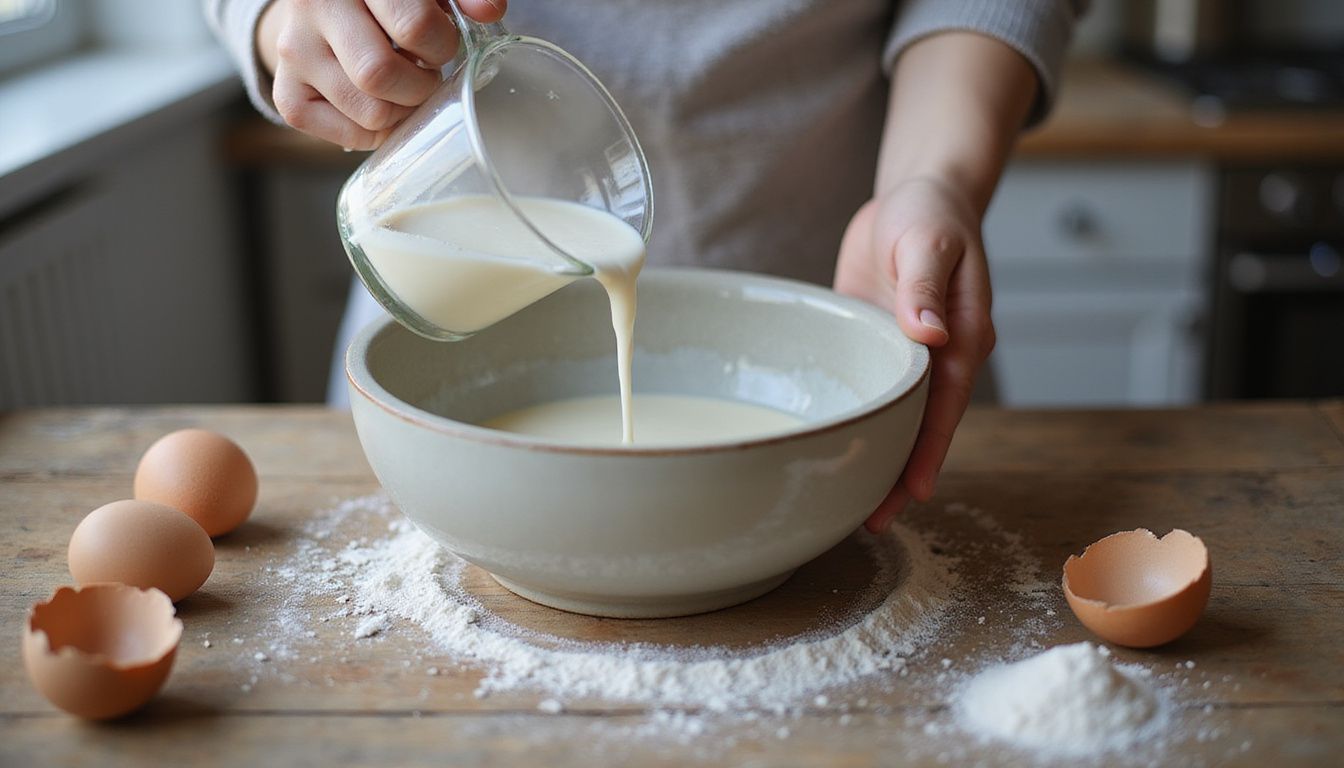
I often use heavy cream as a milk substitute in my kitchen. Heavy cream offers a richer taste and thicker texture due to its higher fat content compared to cow’s milk or non-dairy milks like almond milk, coconut milk, oat milk, or soy milk.
This makes it great for sauces, soups and baked goods needing extra creaminess.
Still, replacing liquid milk with heavy cream isn’t perfect for every recipe. Its higher calories and rich mouthfeel might alter the taste slightly if you’re used to regular dairy or low-fat alternatives.
Adjustments like thinning the cream down could become necessary depending on your cooking needs — which leads me neatly into how you can dilute heavy cream effectively.
How to Dilute Heavy Cream to Replace Milk
I usually thin heavy cream with plain water to get a milk-like consistency. The perfect mix depends on the recipe and how creamy I want it—some need less, others just a bit more.
Recommended ratios for dilution
To replace cow’s milk with heavy cream, I’ve found that mixing equal parts of heavy cream and water works well. For instance, if a baking recipe calls for one cup of milk product, combine half a cup each of heavy cream and water.
This ratio gives baked goods a smooth texture without changing the overall consistency too much.
For thinner recipes like soups or sauces, I prefer diluting even more—using one part heavy cream to two parts water. Last week while making tomato soup at home, I mixed 1/3 cup heavy cream with 2/3 cups of hot water—it turned out light yet creamy.
If you’re on a keto diet or low carb diet this method can help lower cals compared to using just pure heavy cream but still keep dishes rich in flavor.
Adjusting for different recipes
I’ve noticed that heavy cream works well in baking recipes, like cakes or muffins. But if I’m using it in sauces or soups, it’s better to dilute the cream more. For instance, adding equal parts of water and heavy cream gives a smooth sauce without being too thick.
If I prefer healthier options or want to lose weight, mixing plain yogurt or almond milk instead can be great milk alternatives for lighter dishes.
For sweeter treats such as chocolate desserts, I’ll slightly reduce any added sugar substitute since the higher fat content from heavy cream already boosts flavor naturally. Using unsalted butter mixed with diluted heavy cream also suits savory dishes like mashed potatoes nicely.
It’s fun experimenting with these small changes because they enhance texture based on my taste preferences and nutrition facts needs.
Now let’s see how this swap can offer extra benefits beyond just replacing milk ingredients.
Benefits of Using Heavy Cream Instead of Milk
I often use heavy cream to make sauces and soups thicker and richer—giving my dishes a more satisfying flavor. When baking, adding heavy cream helps doughs and batters taste softer and lighter, making treats feel special.
Enhanced flavor and texture
Using heavy cream instead of milk boosts the taste and feel of my dishes. Heavy cream has more fat, making sauces richer and smoother than single cream or almond milk. This rich texture works well in soups, pasta sauces, mashed potatoes, and baked goods.
In baking recipes like muffins or cakes, heavy cream improves their fluffy texture. It also gives soups such as tomato bisque a silky smooth finish that’s hard to get with coconut milk or Greek yogurt.
As chef Julia Child once said:.
Fat gives things flavor.
Higher fat content for creamier results
I often find heavy cream creates richer meals due to its higher fat content. Compared to almond milk or coconut milk, it boosts sauces and soups with a smoother feel on my tongue. Yogurts can make dishes creamy too, but their tangy flavor differs from heavy cream’s mild taste.
With heavy cream’s high fat level—around 36% compared to about 3-4% in whole milk—I get thickened textures that enhance baked goods like cakes and muffins without needing extra butter or oil.
But while the fullness is tasty, I keep an eye out for health effects of this rich ingredient before making a recipe swap in my kitchen.
Limitations of Substituting Heavy Cream for Milk
Using heavy cream instead of milk may alter the taste and texture, especially in dishes like pancakes or oatmeal. Plus, this swap could change nutrition levels—something to keep in mind if you’re watching your health goals or calorie intake.
Differences in consistency and taste
I noticed heavy cream is much thicker than regular or almond milk. It gives sauces and soups a richness that you won’t find with lighter options like coconut milk or regular dairy.
But the taste also changes slightly, since the higher fat content makes dishes creamier and more flavorful.
In my baking attempts, swapping in heavy cream instead of regular milk produced denser cakes and muffins. They were soft but richer, thanks to the extra fat in heavy cream. So, if you prefer light and fluffy textures over dense ones, think twice before using it as your go-to substitute.
Impact on health and nutrition
Using heavy cream instead of milk adds more calories and fat, changing the nutrition in my meal. Heavy cream has about 51 calories per tablespoon, compared to around 9 calories in whole milk or even fewer in almond milk and coconut milk.
This higher fat content can make dishes richer but may not suit people watching their weight or heart health.
Substituting cream also changes vitamin and mineral intake. Milk often provides calcium, protein, and vitamin D that support strong bones and muscles; sadly, heavy cream offers less of these nutrients ounce-for-ounce.
So for regular meals at home, choosing a lighter option like coconut milk or almond milk might help balance taste with healthy eating goals.
Common Recipes Where Heavy Cream Can Replace Milk
I often use heavy cream in homemade muffins for a richer flavor—works well every time. Cream also upgrades the taste of pasta dishes and gives soups that perfect, silky feel.
Baking recipes
For baking recipes, heavy cream works well instead of regular milk. Heavy cream gives cookies and muffins a softer texture and richer taste. I replace one cup of milk with half a cup heavy cream mixed into half a cup water for most cakes or brownies.
If sugar content is an issue, adding an alternative sweetener can balance out the richness without more calories.
Biscuits also turn out fluffier with diluted heavy cream rather than almond milk or coconut milk, which are thinner options. Pancakes made this way become golden and tender too — perfect for weekends when relaxing over the inbox beats trying to load pages on Internet Explorer! Beyond baking treats, there are other fantastic meal ideas where swapping in heavy cream makes dishes even tastier, such as sauces and soups.
Sauces and soups
I often swap milk with heavy cream in sauces and soups to get richer flavor. Heavy cream has a higher fat content, around 36%, compared to whole milk’s 3.5%. This gives sauces like Alfredo or tomato basil soup their thick, velvety texture.
Diluting the cream with water helps it blend easily in recipes calling for regular milk. A ratio of half heavy cream to half water works well as a quick fix. For richer taste without dairy, I’ll sometimes opt for almond milk or coconut milk—it changes flavor slightly but keeps dishes creamy and tasty.
Conclusion
Using heavy cream instead of milk can give dishes a richer taste and smoother feel. Diluting it, at the correct ratio, helps in sauces, soups or even baked goods. Still, substituting affects nutrition content and thickness—so consider almond milk or coconut options as lighter choices.
Experimenting with different alternatives like these makes cooking at home easier—and tastier too. Finding the right dairy substitute depends on your recipe needs and personal dietary preferences.
FAQs
1. Can I use heavy cream instead of milk in recipes?
Yes, you can often swap heavy cream for milk, but remember to thin it out with water first. Heavy cream is thicker and richer than regular milk, so mixing equal parts water and heavy cream usually works best.
2. How does using heavy cream change the taste compared to almond milk or coconut milk?
Heavy cream adds a rich flavor and creamy texture that almond milk or coconut milk can’t fully match. Almond and coconut milks have lighter tastes—nutty or slightly sweet—which may alter your recipe’s final flavor.
3. Is there a sugar substitute needed when replacing regular milk with heavy cream?
Usually not—but keep an eye on sweetness levels if you’re used to sweeter plant-based options like almond or coconut milks. Heavy cream doesn’t contain added sugars, so you might want a small amount of sugar substitute depending on your taste preference.
4. When should I avoid swapping in heavy cream for other types of milk?
Avoid switching to heavy cream in dishes where thickness matters most—like cereals or smoothies—as it could feel too thick and rich. In these cases, thinner choices such as almond milk or coconut milk work better due to their lighter consistency.