“This post contains affiliate links. As an Amazon Associate, I earn from qualifying purchases”
Thinking about raising chickens? It’s a great idea! Not only do you get fresh eggs, but you also get to enjoy the fun of having these quirky birds around. This guide will walk you through everything you need to know about how to raise chicken organically, from picking the right breeds to keeping them healthy and happy. Let’s get started!
Key Takeaways
- Organic chickens provide healthier eggs without harmful chemicals.
- Choosing the right breed can maximize egg or meat production.
- A well-designed coop keeps chickens safe and comfortable.
- Proper organic feed and fresh water are essential for chicken health.
- Regular health checks can prevent common illnesses.
Understanding The Benefits Of Organic Chicken Farming
So, you’re thinking about raising chickens organically? Awesome! There are some real advantages to doing things this way, both for you and the chickens. It’s not just about having ‘organic’ eggs; it’s a whole system that can be pretty rewarding.
Nutritional Advantages Of Organic Eggs
Okay, let’s talk eggs. Organic eggs often have a better nutritional profile compared to conventional ones. This is because the chickens are fed a higher quality diet and allowed to roam and forage. Think about it: a chicken pecking around in the grass, eating bugs and seeds, is going to produce a different egg than one stuck in a cage eating processed feed all day. Studies have shown that organic eggs can have higher levels of certain vitamins and omega-3 fatty acids. Plus, they just taste better, in my opinion. You can get fresh eggs daily.
Cost Savings Over Time
Alright, I know what you’re thinking: organic feed is expensive! And you’re right, the upfront costs can be higher. But hear me out. Over time, raising chickens organically can actually save you money. First, you’re producing your own eggs, which cuts down on grocery bills. And if you let your chickens forage, they’ll eat pests and weeds, reducing the need for pesticides and herbicides in your garden. Plus, their manure makes amazing fertilizer, saving you even more money. It’s a long-term investment, but it can pay off. Remember that 90% of the cost is upfront, while the main ongoing cost is feed.
Environmental Impact Of Sustainable Practices
This is a big one. Organic chicken farming is way better for the environment than conventional methods. By using sustainable practices, like composting manure and rotating pastures, you’re reducing pollution and improving soil health. Chickens can also help control pest insect populations. Plus, you’re not supporting factory farms, which are known for their negative environmental impacts. It’s a small thing, but if more people did it, it could make a big difference.
Switching to organic practices means less reliance on chemical fertilizers and pesticides, promoting biodiversity and healthier ecosystems. It’s about creating a closed-loop system where waste becomes a resource, and the chickens live in harmony with the land.
Selecting The Right Chicken Breeds
Choosing the right chicken breeds is a big deal when you’re starting out. It’s not just about picking pretty birds; it’s about finding breeds that fit your goals, climate, and lifestyle. Some chickens are egg-laying machines, while others are better suited for meat production. And some are just plain hardy and can handle whatever weather you throw at them. Let’s get into it.
Top Breeds For Egg Production
If you’re after lots of eggs, you need to pick the right breeds. White Leghorns are famous for their egg-laying abilities, often laying around 280-320 white eggs a year. They are great layers, but they can be a bit flighty. Rhode Island Reds are another solid choice, known for their reliability and brown eggs. They’re also pretty good foragers. Then there are the Australorps, which are calm, good layers, and do well in various climates.
Here’s a quick comparison:
| Breed | Egg Color | Eggs Per Year (Approx.) | Temperament |
|---|---|---|---|
| White Leghorn | White | 280-320 | Active, Flighty |
| Rhode Island Red | Brown | 250-300 | Hardy, Reliable |
| Australorp | Brown | 250-290 | Calm, Good Forager |
Considerations For Meat Chickens
If meat is your goal, you’ll want different breeds than if you’re focused on eggs. Cornish Cross chickens are bred specifically for meat production; they grow quickly and have a high meat-to-bone ratio. However, they also have some health issues due to their rapid growth, so you need to manage them carefully. Another option is the Jersey Giant, which is a dual-purpose breed, meaning they’re decent for both meat and eggs, though they take longer to mature than Cornish Crosses. Consider chicken predators when raising meat chickens, as they can be more vulnerable due to their size and slower movement.
Choosing Breeds For Your Climate
Your local climate plays a big role in which breeds will thrive. Some chickens handle cold weather better than others, while some are more heat-tolerant. For cold climates, consider breeds like Wyandottes or Orpingtons; they have dense feathering that helps them stay warm. For hot climates, look at breeds like White Leghorns or Araucana for colorful eggs; they handle heat better and don’t get as stressed. Also, make sure your coop is well-ventilated to help your chickens stay cool in the summer.
Choosing the right breed is a big decision. Think about what you want from your chickens – eggs, meat, or both – and consider your local climate. Do your research, talk to other chicken keepers, and pick breeds that will thrive in your backyard. It’s all about finding the right fit for you and your flock.
Creating A Sustainable Chicken Coop
Having a good chicken coop is super important for happy and healthy chickens. It’s not just about throwing something together; it’s about creating a space that works for them and for you. Let’s get into the details.
Essential Features Of A Chicken Coop
So, what does every chicken coop need? Well, a few things are non-negotiable. First, you need enough space. Overcrowding leads to stress and health problems, so give your chickens room to roam. Here’s a quick guide:
- Space per Chicken (Coop): Minimum 4 square feet
- Space per Chicken (Run): Minimum 8 square feet
- Roosting Space: 8-12 inches per bird
Beyond space, you’ll need:
- Nesting Boxes: One box for every 3-4 hens.
- Roosts: Elevated perches for sleeping.
- Ventilation: To keep the air fresh and prevent moisture buildup.
- Protection from Predators: Secure walls and a roof are a must.
- Easy Access for Cleaning: Because, trust me, you’ll be cleaning it a lot.
Designing For Comfort And Safety
Comfort and safety are key. Think about the location of your coop. Ideally, you want a spot with a mix of sun and shade. This helps regulate the temperature inside. Make sure the coop is easy to access for you, too. You’ll be collecting eggs, cleaning, and checking on your chickens regularly, so don’t make it a pain. Consider an automatic coop door to make sure they’re safely locked into the coop each night.
Also, think about the little things that make a big difference. Chickens get bored, so add some enrichment. Things like:
- Dust bath areas
- Mirrors
- Chicken swings
A well-designed coop minimizes stress for your chickens. Happy chickens lay more eggs and are less prone to illness. It’s a win-win.
Materials For Eco-Friendly Coops
When building your coop, think about using sustainable materials. Reclaimed wood is a great option. It’s eco-friendly and adds character. Avoid treated lumber, as it can be harmful to your chickens. For bedding, consider using pine shavings or hemp. Litter is important for absorbing moisture and controlling odors. Just avoid cedar, it’s toxic to chickens.
Here’s a quick list of eco-friendly materials:
- Reclaimed wood
- Bamboo
- Recycled plastic
- Hemp bedding
Building a sustainable chicken coop is an investment in the health of your chickens and the environment. Take the time to plan it out, choose the right materials, and create a space that works for everyone.
Feeding Chickens Organically
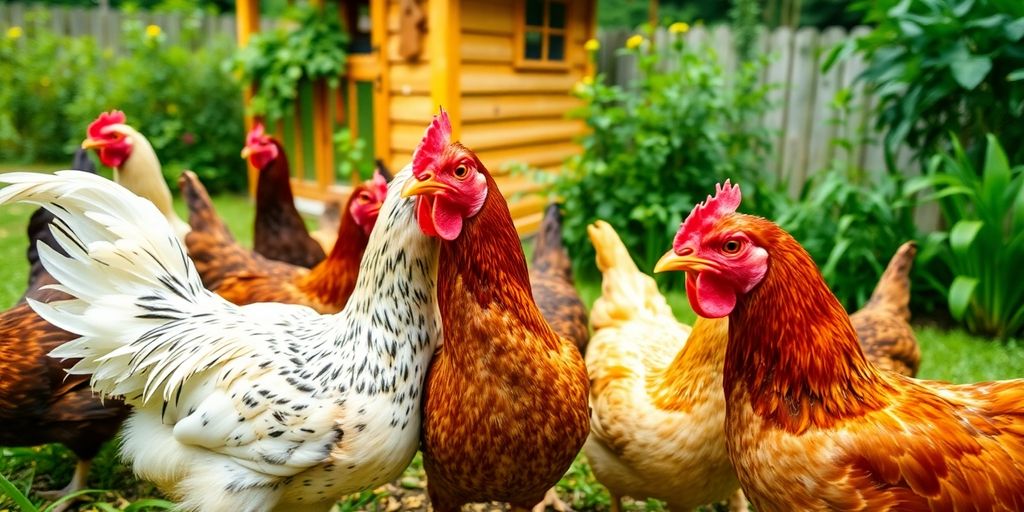
Making the switch to organic chicken feed is a big step in sustainable poultry farming. It’s not just about what you feed them, but how it impacts their health, the quality of their eggs, and the environment. Let’s get into the nitty-gritty of keeping your flock happy and healthy with organic feed.
Understanding Organic Feed Options
Organic chicken feed is different. It means no synthetic pesticides, herbicides, or GMOs. You’ll find a range of options, from complete feeds to individual ingredients you can mix yourself. Look for feed that’s certified organic by a reputable organization.
- Complete Feeds: These are pre-mixed and balanced for different life stages (chicks, growers, layers). They take the guesswork out of feeding.
- Grains: Corn, wheat, and barley can be part of an organic diet. Make sure they’re certified organic.
- Protein Sources: Peas, soybeans, and sunflower seeds are good protein sources. Again, organic is key.
Supplemental Foods For Health
Beyond the basics, supplemental foods can boost your chickens’ health and egg quality. Think of it as adding vitamins and minerals to their diet.
- Greens: Chickens love greens like kale, spinach, and lettuce. They’re packed with vitamins.
- Fruits: Apples, berries, and melons are great treats. Just don’t overdo it because of the sugar.
- Herbs: Herbs like oregano, thyme, and rosemary can boost their immune systems. Plus, they add flavor to the eggs.
Consider supplementing with oyster shells. They’re a great source of calcium, which is important for strong eggshells. Also, grit is important if your chickens don’t have access to foraging, as it helps with digestion. Remember to avoid avocado, chocolate, or salty foods, as they can be toxic.
Managing Feeding Schedules
Consistency is important when feeding your chickens. A regular schedule helps them feel secure and can improve egg production. Baby chicks need starter feed that is high in protein. Here’s a basic guideline:
- Chicks (0-8 weeks): Starter feed, available at all times.
- Growers (8-20 weeks): Grower feed, gradually transitioning from starter feed.
- Layers (20+ weeks): Layer feed, with supplemental calcium as needed.
How much should you feed them? It depends on the breed, age, and activity level. A good rule of thumb is about 1/4 pound of feed per chicken per day. Adjust as needed based on their condition and egg production. Keep an eye on their weight and adjust the amount of feed accordingly. You can also look into ferment chicken feed for an extra boost of nutrition and probiotics.
Ensuring Clean Water Supply
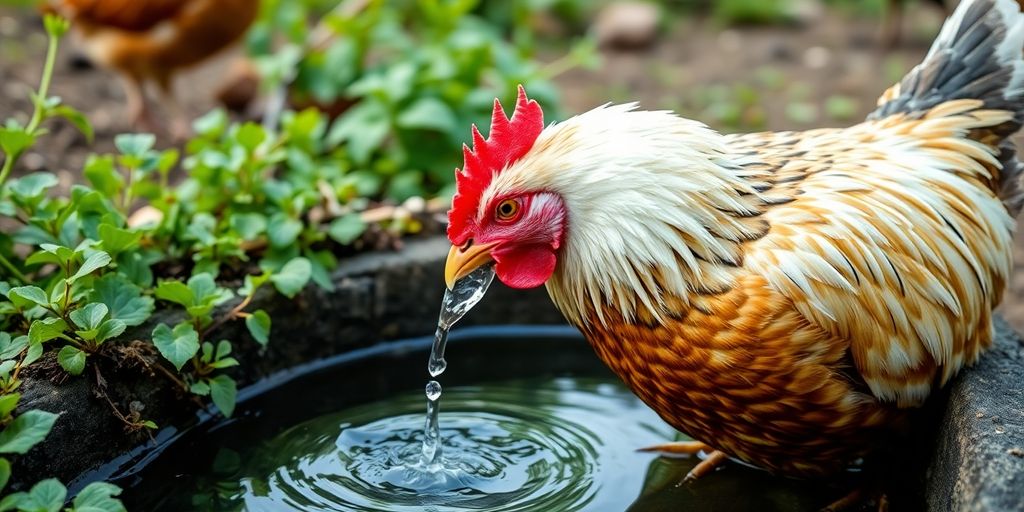
Okay, so water. It’s super important. You might think, “Oh, they’ll drink whatever,” but trust me, chickens are way happier and healthier with a good, clean water source. It’s not just about hydration; it’s about preventing disease and keeping them laying those delicious eggs. Think of it like this: would you want to drink out of a dirty glass all day? Probably not. Neither do your chickens.
Importance Of Fresh Water
Fresh water is absolutely vital for your chickens’ health and egg production. A hen can drink about a half liter of water a day, and even more when it’s hot. If they don’t get enough, or if the water is gross, they’re not going to lay as well, and they’re more likely to get sick. It’s really that simple. Plus, clean water helps them regulate their body temperature, which is super important in the summer. Think of it as chicken hydration.
Methods For Providing Water
There are a bunch of ways to give your chickens water, and honestly, it depends on what works best for you and your setup. Here are a few options:
- Waterers: These are the classic choice. You can get gravity-fed ones that hold a lot of water, or smaller ones that you refill more often. Just make sure they’re easy to clean. I’ve tried a bunch, and some are just a pain to scrub.
- Nipple Waterers: These are cool because they keep the water really clean. The chickens peck at the nipple, and water comes out. Less mess, less algae. Some people swear by them, but some chickens don’t take to them right away, so you might need to train them a bit.
- Bowls: You can use bowls, but they get dirty super fast. Like, leaves, dirt, poop… you name it. If you go this route, you’ll be cleaning them constantly. Not my favorite option, but it can work in a pinch.
Maintaining Water Quality
Keeping the water clean is the real challenge. Here’s what I do:
- Clean Regularly: I try to clean the waterer every day, or at least every other day. Algae and gunk build up fast, especially in the summer. A good scrub brush is your best friend.
- Elevate the Waterer: If you can, put the waterer on a brick or something to keep it off the ground. This helps prevent dirt and poop from getting kicked in.
- Use Apple Cider Vinegar: A little apple cider vinegar in the water can help prevent algae growth. Plus, it’s good for their health! I usually add a tablespoon per gallon.
- Check for Freezing: In the winter, you need to make sure the water doesn’t freeze. Heated waterers are a lifesaver, or you can just bring the water inside at night and put it back out in the morning. I’ve forgotten a few times, and it’s not fun chipping ice to give them a drink.
Honestly, keeping the water clean is one of those things that seems small, but it makes a huge difference. Happy, hydrated chickens are healthy, productive chickens. And that’s what we’re all after, right? Don’t forget to check the Broiler/Grower Pellets to keep your chickens healthy.
Maintaining Chicken Health And Hygiene
Keeping your chickens healthy and clean is super important for their well-being and for getting those delicious, nutritious eggs. It’s not just about preventing sickness; it’s about creating an environment where they can thrive. Think of it like this: happy chickens lay more eggs and are less prone to problems. So, let’s get into the nitty-gritty of keeping your flock in tip-top shape.
Common Health Issues To Watch For
Okay, so chickens aren’t always the best at showing when they’re feeling under the weather. That’s why it’s up to us to be observant. Here are a few common issues to keep an eye on:
- Mites and Lice: These little critters can make your chickens miserable. You might notice them scratching a lot or see feather loss. Dust baths are a great way to help prevent infestations. Mix some sand and diatomaceous earth for an effective treatment. You can find shoe scrubber to keep the area clean.
- Respiratory Infections: Just like us, chickens can get colds. Watch out for sneezing, coughing, or discharge from their eyes or nose. Make sure the coop is well-ventilated to help prevent these infections.
- Egg Binding: This is a serious condition where a hen has trouble laying an egg. It can be life-threatening if not addressed. Ensure your chickens are getting enough calcium in their diet to help prevent this.
- Crop Issues: Sometimes, a chicken’s crop (a pouch in their throat where food is stored) can get impacted or sour. You might notice a swollen crop or the chicken acting lethargic.
Prevention is key. Regularly check your chickens for any signs of illness or injury. Early detection can make a huge difference in their recovery.
Establishing A Cleaning Routine
Cleaning the coop regularly is a must. It helps prevent the buildup of harmful bacteria and parasites. Here’s a simple cleaning schedule to follow:
- Daily: Remove any wet or soiled bedding. Refill their water and food. This keeps things fresh and prevents contamination.
- Weekly: Replace the nesting box liners. Clean nesting boxes encourage hens to lay eggs comfortably.
- Monthly: Do a deep clean of the entire coop. Use a poultry-safe disinfectant or vinegar solution to kill any lingering germs. You can find a large dog crate to keep them safe during cleaning.
Preventative Care Practices
Preventative care is all about taking steps to keep your chickens healthy before problems arise. Here are some practices to incorporate into your routine:
- Provide a Balanced Diet: Make sure your chickens are getting a high-quality organic feed that meets their nutritional needs. Supplement with fresh greens and treats in moderation. Avoid avocado, chocolate, or salty foods, as they can be toxic.
- Ensure Access to Clean Water: Chickens need fresh, clean water at all times. Use nipple waterers to prevent contamination and check the water twice daily, especially in winter to prevent freezing. A single hen drinks about ½ liter per day, increasing in hot weather.
- Regular Health Checks: Do a quick check of your chickens every few days. Look for any signs of illness, injury, or unusual behavior. Catching problems early can make a big difference.
- Limit Exposure to Wild Birds: Wild birds can carry diseases and parasites that can harm your chickens. Try to minimize contact between your flock and wild birds. It’s important to practice good biosecurity and limit other animals from accessing your chickens food and water as much as possible.
By following these tips, you can help keep your chickens healthy and happy, leading to a more productive and enjoyable experience with your flock.
Collecting And Storing Eggs Properly
Okay, so you’ve got your chickens laying, that’s awesome! But what do you do with all those eggs? Collecting and storing them the right way is super important for freshness and safety. It’s not rocket science, but there are definitely some things to keep in mind.
Best Practices For Egg Collection
Collecting eggs might seem simple, but doing it right makes a big difference.
- Collect eggs daily, or even twice a day, especially in hot weather. This prevents them from getting too hot or dirty, and reduces the chance of chickens developing egg-eating habits. Nobody wants that!
- Use a basket or egg carton to gather the eggs. This helps prevent cracks and keeps them clean.
- Check for any cracked or broken eggs and discard them immediately. Don’t risk using them, as they can harbor bacteria.
- If an egg is dirty, gently wipe it clean with a dry cloth. Avoid washing them unless absolutely necessary, as washing removes the protective “bloom” that keeps bacteria out.
Storing Eggs For Freshness
How you store your eggs has a huge impact on how long they stay fresh. Here’s the lowdown:
- Store eggs in the refrigerator as soon as possible after collecting them. The fridge keeps them at a consistent temperature, which slows down spoilage.
- Keep eggs in their original carton. The carton helps protect them from odors and flavors in the fridge, and it also helps maintain humidity.
- Store eggs with the pointy end down. This helps keep the yolk centered and prevents the air cell from rupturing.
- Don’t store eggs in the refrigerator door. The temperature in the door fluctuates more than in the main part of the fridge, which can affect egg quality.
Handling Eggs Safely
Safe handling is key to preventing foodborne illness. Here’s what you need to know:
- Wash your hands thoroughly with soap and water before and after handling eggs.
- Cook eggs thoroughly until both the yolk and white are firm. This kills any harmful bacteria that may be present.
- Avoid eating raw or undercooked eggs, especially if you are pregnant, elderly, or have a weakened immune system.
- Use pasteurized eggs for recipes that call for raw or lightly cooked eggs, such as homemade mayonnaise or Caesar salad dressing.
Remember, fresh eggs from your own chickens are a real treat! By following these simple guidelines for collecting and storing eggs, you can enjoy them safely and for longer. Happy egg eating!
Troubleshooting Common Issues
Even with the best planning, things can go wrong. Let’s look at some common problems and how to fix them.
Identifying Low Egg Production Causes
So, your hens aren’t laying like they used to? Several things could be at play. First, consider their age; older hens naturally lay fewer eggs. Molting, the process of shedding old feathers and growing new ones, also causes a temporary stop in egg production. Nutrition is another big factor. Are you providing enough organic feed options? Stress can also impact egg laying. Loud noises, changes in the coop, or even a new flock member can disrupt their routine. Finally, check for diseases or parasites.
Addressing Behavioral Problems
Chickens pecking at each other? Egg eating? These are common behavioral issues. Overcrowding is a frequent cause of pecking. Make sure your coop and run have enough space. Boredom can also lead to trouble. Provide things for them to do, like dust baths or a chicken swing. For egg eating, collect eggs frequently and provide plenty of calcium. Sometimes, adding decoy eggs (like golf balls) can deter them.
Managing Predator Threats
Predators are a constant concern for chicken keepers. Secure your coop with strong wire mesh and bury it a few inches to prevent digging. Motion-activated lights can scare away nocturnal predators. Consider a chicken coop with an enclosed run. Roosters can offer some protection, but they aren’t foolproof. Regularly inspect your fencing for holes or weak spots.
Keeping chickens safe and happy takes work, but it’s worth it for those fresh, organic eggs. Don’t get discouraged by setbacks. Every chicken keeper faces challenges. Learn from your mistakes, adapt your approach, and enjoy the journey.
Final Thoughts on Raising Chickens Organically
So, there you have it! Raising chickens organically can be a rewarding experience. It’s not just about getting fresh eggs; it’s about connecting with nature and being part of a sustainable food system. Remember, it takes time to learn the ropes, so don’t stress if things don’t go perfectly at first. Start small, keep an eye on your flock, and adjust as you go. With a little patience and care, you’ll have happy chickens and a steady supply of delicious eggs. Plus, you’ll feel great knowing you’re doing it the organic way. Happy chicken raising!
Frequently Asked Questions
What are the benefits of raising chickens organically?
Raising chickens organically gives you fresh, healthy eggs that are better for you. It can also save you money on groceries and is good for the environment.
Which chicken breeds are best for beginners?
Some great beginner breeds include Rhode Island Reds and Leghorns. They are friendly and good at laying eggs.
How do I build a chicken coop?
A good chicken coop should be safe, dry, and have enough space for the chickens to move around. Use wood or recycled materials to make it eco-friendly.
What should I feed my chickens?
Chickens need a balanced diet of organic feed, grains, and kitchen scraps like fruits and vegetables.
How can I keep my chickens healthy?
Regularly check for signs of sickness, keep their living area clean, and make sure they have fresh water.
What should I do if my hens stop laying eggs?
If your hens stop laying, check their diet, ensure they have enough light, and look for stress factors like predators or overcrowding.