“This post contains affiliate links. As an Amazon Associate, I earn from qualifying purchases”
Raising chickens without a heat lamp might seem daunting, but it’s totally doable with the right approach. You can create a comfortable environment for your flock, choose the right breeds, and implement natural methods to keep them warm. In this article, we’ll explore practical strategies to successfully raise chickens without relying on heat lamps. Whether you’re a beginner or looking to improve your chicken-keeping skills, these tips will help you thrive in your poultry journey.
Key Takeaways
- Design a coop that provides shelter and warmth.
- Choose breeds that can handle cold weather well.
- Use natural methods to keep your coop warm, like deep litter and sunlight.
- Feed your chickens a balanced diet to keep them healthy.
- Regularly check on your chickens for any signs of stress or health issues.
Creating A Suitable Environment For Chickens
Creating the right environment is super important for healthy, happy chickens, especially if you’re ditching the heat lamp. It’s all about setting up a coop that keeps them safe, warm enough, and comfortable, no matter the weather. Let’s get into the details.
Choosing The Right Coop Design
Think about what you need before you build or buy a coop. The size should match the number of chickens you plan to have, giving them enough room to move around. Consider these points:
- Size: A good rule of thumb is at least 4 square feet per chicken inside the coop and 8-10 square feet in the chicken run. This prevents overcrowding and stress.
- Materials: Use durable, weather-resistant materials. Wood is common, but make sure it’s treated to prevent rot. Metal roofing is a good option for longevity.
- Predator Protection: Secure the coop against predators like foxes, raccoons, and hawks. Use strong wire mesh and bury it a few inches deep to prevent digging.
A well-designed coop makes chicken keeping easier and more enjoyable. It’s worth spending time planning and building something that will last and keep your chickens safe and comfortable.
Insulating Your Coop Effectively
Insulation is key to keeping your chickens warm in the winter and cool in the summer. Here’s how to do it right:
- Materials: Consider using natural materials like straw bales or recycled denim insulation. These are effective and eco-friendly.
- Placement: Insulate the walls and roof of the coop. Pay special attention to gaps and cracks where heat can escape.
- Deep Litter: The deep litter method not only provides insulation but also generates heat as it decomposes. More on that later!
Ventilation Strategies For Comfort
Good ventilation is just as important as insulation. It helps prevent moisture buildup and keeps the air fresh. Here’s what to keep in mind:
- Placement: Vents should be located near the top of the coop to allow warm, moist air to escape. Make sure they’re covered with wire mesh to keep out predators.
- Adjustability: Install vents that can be opened and closed depending on the weather. This allows you to control the airflow and temperature inside the coop.
- Drafts: Avoid creating drafts that can chill your chickens. Position vents away from roosting areas.
Here’s a simple table to illustrate the relationship between ventilation and coop size:
| Coop Size (sq ft) | Recommended Vent Area (sq in) | Notes |
|---|---|---|
| 20 | 40 | Minimum requirement; increase for humid climates. |
| 40 | 80 | Good for small flocks; consider adding a fan for summer. |
| 60 | 120 | Ideal for larger flocks; ensure vents are evenly distributed. |
| 80+ | 160+ | For commercial setups; consider mechanical ventilation systems. |
Selecting The Best Chicken Breeds
Choosing the right chicken breed is a big deal when you’re ditching the heat lamp. Some breeds are just naturally tougher and better suited for cooler temperatures. Plus, different breeds have different personalities and purposes, so it’s important to pick ones that fit your needs and lifestyle. It’s not just about survival; it’s about thriving!
Cold-Hardy Breeds For Your Region
Some chickens are built for the cold. These breeds have features like small combs and wattles (to prevent frostbite) and dense feathering for insulation. But it’s not just about the breed; it’s also about knowing what does well in your specific area. What works in Maine might not be the best choice in Montana. Do some local research and talk to other chicken keepers in your region.
Here are a few popular cold-hardy breeds:
- Orpingtons: These are big, fluffy chickens that handle cold weather like champs. Their dense feathers provide excellent insulation.
- Wyandottes: Another good choice, Wyandottes are known for being hardy and good layers, even in the winter.
- Australorps: These are Australian birds that are super productive egg layers and can tolerate cold pretty well.
Dual-Purpose Breeds For Meat And Eggs
If you want chickens that can do it all, dual-purpose breeds are the way to go. These birds are good for both egg laying and meat production. They tend to be a bit bigger and heavier than dedicated egg-laying breeds.
Some popular dual-purpose breeds include:
- Plymouth Rocks: A classic choice, Plymouth Rocks are known for being friendly, good layers, and decent meat birds.
- Rhode Island Reds: These are tough birds that lay a lot of eggs and can also be used for meat.
- Buckeyes: A lesser-known but excellent dual-purpose breed, Buckeyes are active foragers and very cold-hardy.
Understanding Breed Temperament
Don’t underestimate the importance of temperament! Some breeds are calm and docile, while others are more flighty and independent. If you want chickens that are easy to handle and good around kids, you’ll want to choose a breed with a gentle temperament. If you’re looking for chickens that can free-range and take care of themselves, a more independent breed might be a better fit.
Here’s a quick rundown of temperament considerations:
- Docile breeds: Orpingtons, Cochins, and Brahmas are known for being calm and friendly.
- Independent breeds: Leghorns and Easter Eggers tend to be more active and less interested in human interaction.
- Broody breeds: Silkies and Cochins are known for being good mothers and going broody often.
Choosing the right breed is a balancing act. Think about your climate, your goals (eggs, meat, or both), and your lifestyle. With a little research, you can find the perfect chickens for your backyard flock.
Implementing Natural Heating Techniques
Let’s be real, nobody wants to spend a fortune on electricity just to keep their chickens warm. Luckily, there are some pretty effective ways to naturally heat your coop and keep your flock happy, even when the weather turns nasty. It’s all about smart design and understanding how to use what you’ve got.
Using Deep Litter Method
The deep litter method is basically composting right inside your coop. As the chickens scratch and mix their droppings with bedding like wood shavings or straw, it starts to decompose. This decomposition process generates heat, which can help keep the coop warmer in the winter. It’s not going to be like a sauna in there, but every little bit helps. Plus, you get nutrient-rich compost for your garden in the spring! Just make sure you turn it regularly to keep it aerated and prevent it from getting too damp.
Incorporating Sunlight And Natural Light
Sunlight is your friend! Positioning your coop to maximize sunlight exposure, especially during the winter months, can make a big difference. Think about it: free heat! Large south-facing windows (if you’re in the northern hemisphere) can let in a ton of solar energy. Just be sure to provide shade during the summer to prevent overheating. Natural light also helps regulate the chickens’ laying cycles and overall well-being. It’s a win-win.
Utilizing Heat Retention Materials
What your coop is made of matters. Dense materials like wood or even straw bales have good thermal mass, meaning they can absorb and store heat during the day and release it slowly at night. This helps to moderate temperature swings inside the coop. Think of it like a natural insulator. You can also use things like heavy curtains or blankets over windows at night to further reduce heat loss. Every little bit helps when you’re trying to keep your chickens cozy without a heat lamp.
One thing I’ve learned is that chickens are way tougher than we give them credit for. They’re not going to keel over at the first sign of a chill. As long as they have a dry, draft-free coop and plenty of food, they can handle surprisingly cold temperatures. It’s more about preventing drafts and dampness than trying to create a tropical paradise.
Feeding Chickens For Optimal Health
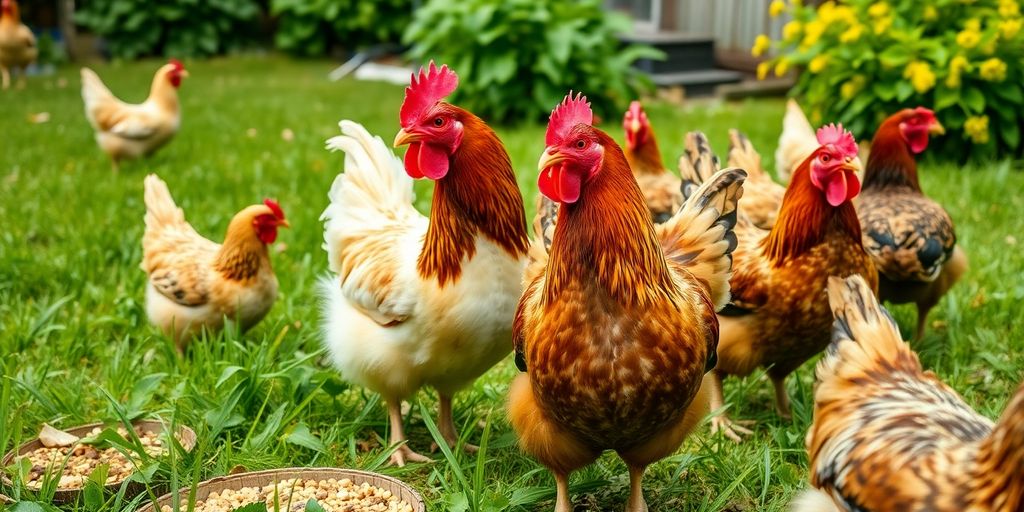
It’s easy to think that chickens will eat anything, and while they aren’t picky, what they eat directly impacts their health, egg production, and overall well-being. A balanced diet is the cornerstone of a thriving flock. Let’s explore how to provide your chickens with the nutrition they need to flourish.
Providing A Balanced Diet
Forget the idea that chickens can thrive on kitchen scraps alone. While scraps can supplement their diet, they shouldn’t be the main course. A high-quality commercial feed should form the base of their diet, ensuring they receive the necessary protein, carbohydrates, fats, vitamins, and minerals. Look for feeds that are specifically formulated for laying hens, as these contain the right balance of nutrients for egg production. You can even find non-GMO chicken feed if you’re concerned about genetically modified ingredients.
Here’s a basic breakdown of what a balanced chicken diet should include:
- Protein: Essential for growth, feather development, and egg production. Aim for around 16-18% protein in their feed.
- Carbohydrates: Provide energy for daily activities. Grains like corn and wheat are good sources.
- Fats: Important for hormone production and overall health. Look for feeds with around 3-5% fat.
- Vitamins and Minerals: Crucial for various bodily functions. Commercial feeds are usually fortified with these, but you can also supplement with fresh greens and herbs.
Remember to always provide fresh, clean feed in a feeder that prevents waste and contamination. Regularly check the feeder and clean it as needed to prevent mold or bacteria growth.
Incorporating Natural Supplements
Beyond commercial feed, there are many natural supplements you can add to your chickens’ diet to boost their health and well-being. Think of these as the equivalent of vitamins and minerals for humans. Here are a few ideas:
- Grit: Chickens don’t have teeth, so they need grit (small stones and sand) to help them grind their food in their gizzard. If your chickens aren’t free-ranging, you’ll need to provide grit as a supplement.
- Oyster Shells: These are a great source of calcium, which is essential for strong eggshells. Offer oyster shells free-choice, allowing your chickens to consume as much as they need.
- Herbs: Many herbs have beneficial properties for chickens. For example, garlic can help boost their immune system, while oregano has antibacterial properties. You can add fresh or dried herbs to their feed or water.
Ensuring Access To Fresh Water
Water is just as important as food for chicken health. Chickens need constant access to fresh, clean water, especially during hot weather. Change the water daily, and more often if it becomes dirty or contaminated. Consider using a chicken waterer that prevents spillage and keeps the water clean. During winter, make sure the water doesn’t freeze. You can use a heated waterer or check the water frequently and break up any ice that forms. Adding a tablespoon of raw apple cider vinegar to their water a couple of times a week can also promote good gut health.
Monitoring Chicken Health And Behavior
It’s super important to keep a close eye on your chickens. You’ll want to be able to spot any problems early on. This can save you a lot of trouble (and heartache) down the road. Regular observation is key to maintaining a healthy and happy flock.
Recognizing Signs Of Stress
Chickens are pretty good at hiding when they don’t feel well, so you need to be observant. Look for changes in their behavior. Are they less active than usual? Are they eating less? Are their feathers ruffled or dull? These can all be signs that something isn’t right. Here’s a quick list of things to watch out for:
- Decreased egg production
- Changes in droppings (color, consistency)
- Huddling or isolating from the flock
- Labored breathing or coughing
- Unusual vocalizations
Paying attention to these subtle cues can help you catch potential health issues before they become serious problems. Early detection often leads to easier and more effective treatment.
Routine Health Checks
Make it a habit to do regular health checks on your chickens. This doesn’t have to be complicated. Just a quick once-over can make a big difference. Check their combs and wattles for paleness or discoloration. Feel their crops to make sure they aren’t impacted. Examine their legs and feet for any signs of injury or mites. You can also check their general chicken keeping terminology to better understand their health.
Here’s a simple checklist you can use:
- Eyes: Clear and bright, no discharge.
- Beak: No unusual growths or deformities.
- Feathers: Clean, smooth, and well-maintained.
Creating A Safe Outdoor Space
Your chickens’ outdoor space should be safe and free from hazards. Make sure there are no poisonous plants within their reach. Protect them from predators by providing secure fencing and a covered run. Also, ensure they have access to shade and fresh water, especially during hot weather. Consider adding some antibacterial herbs to their diet to help prevent common health issues. A safe and stimulating environment will contribute to their overall well-being. A well-maintained space helps prevent injuries and reduces stress, leading to healthier, happier chickens. You can also use the deep litter method to help keep the area clean and dry, which is important for preventing diseases like coccidiosis and enteritis. Remember, a healthy environment is a happy environment for your flock. You can also consider using a natural chicken keeping handbook for more information.
Utilizing Broody Hens For Raising Chicks
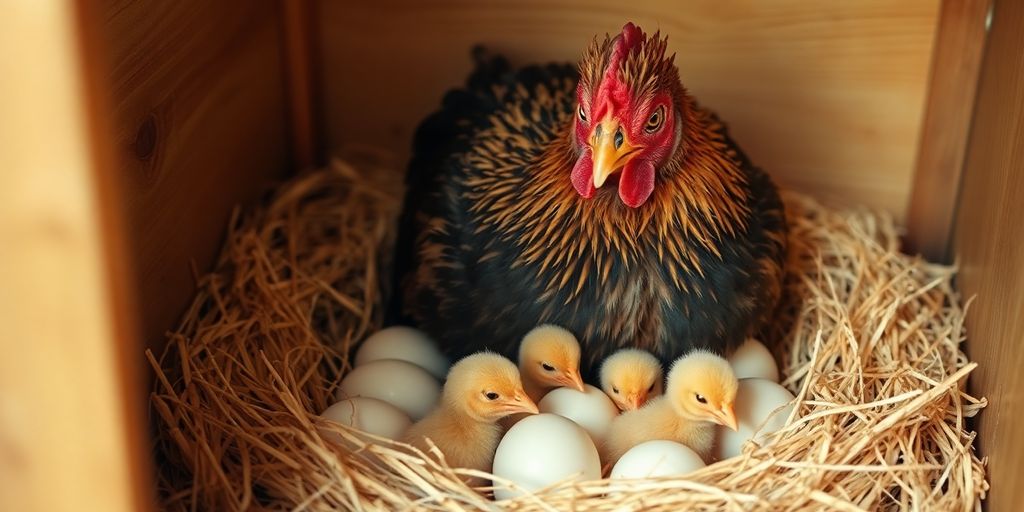
Broody hens offer a fantastic, natural way to hatch and raise chicks, eliminating the need for artificial incubation. It’s like letting nature take its course, and honestly, it’s pretty cool to watch. Plus, the chicks get a momma right from the start!
Benefits Of Natural Hatching
Natural hatching with a broody hen has several advantages. The hen provides constant warmth, protection, and guidance to the chicks.
- Reduced electricity costs: No need for a heat lamp or incubator.
- Enhanced chick socialization: Chicks learn natural behaviors from their mother.
- Stronger immunity: Chicks receive antibodies from the hen.
Caring For Broody Hens
Taking care of a broody hen involves ensuring she has a quiet, safe space. I usually set up a separate area within the coop, or even a dog crate works well. Make sure she has access to food and water, though she might not eat much at first. It’s important to keep the area clean to prevent any health issues.
Managing Chick Development
Once the chicks hatch, the broody hen will take care of most of their needs. You’ll want to make sure the chicks have access to chick starter feed and fresh water. Keep an eye on the chicks to ensure they are thriving and the hen is providing adequate care. After a few weeks, you can start thinking about integrating the chicks into the flock.
Broody hens can sometimes be a bit unpredictable. Some might abandon their nests, while others might become overly protective. It’s all part of the experience. Just be prepared to step in if needed, but try to let nature do its thing as much as possible.
Preparing For Seasonal Changes
Chicken keeping isn’t just a spring and summer hobby; it’s a year-round commitment. As the seasons shift, so do the needs of your flock. Getting ready for these changes is key to keeping your chickens happy and healthy, no matter the weather. It’s all about anticipating what’s coming and making adjustments to their environment and care.
Adapting To Winter Conditions
Winter can be tough on chickens, especially in colder climates. The biggest challenge is keeping them warm and dry. Here’s what I do to help my chickens get through the winter:
- Make sure the coop is well-insulated. I use extra bedding like straw to help hold in heat.
- Check for drafts and seal any cracks or openings in the coop walls.
- Provide a dry, sheltered outdoor area where they can get some fresh air and exercise, even when it’s snowing.
- Consider using a chicken coop heater if temperatures drop really low, but be careful with fire hazards.
Managing Summer Heat
Summer heat can be just as challenging as winter cold. Chickens don’t sweat, so they’re more prone to heat stress. Here’s how I keep my chickens cool during the summer:
- Provide plenty of shade in the outdoor run. Trees, tarps, or even shade cloth can work wonders.
- Make sure they have access to fresh, cool water at all times. I often add ice to their waterers on really hot days.
- Ventilate the coop well to allow for airflow. Open windows and doors, or use a fan to circulate air.
- Avoid handling or stressing the chickens during the hottest part of the day.
Planning For Weather Extremes
Unexpected weather events can happen any time of year. Being prepared for these extremes can save your chickens’ lives. Here’s what I do to plan for the unexpected:
- Have a plan for evacuating your chickens in case of a flood, fire, or other disaster. Know where you’ll take them and how you’ll transport them.
- Keep a supply of extra food and water on hand in case you’re unable to get to the store.
- Reinforce the coop to protect it from high winds or heavy snow. Make sure the roof is secure and the walls are strong.
- Monitor the weather forecast closely and be ready to take action when necessary. Disaster preparation is key.
I remember one year, we had a surprise late-spring snowstorm that dumped over a foot of snow. I wasn’t fully prepared, and my chickens were miserable. I learned my lesson that day. Now, I always keep a close eye on the weather and have a plan in place for any kind of extreme weather event. It’s better to be safe than sorry when it comes to your flock.
Wrapping It Up
So there you have it. Raising chickens without a heat lamp is totally doable if you know what you’re doing. By choosing the right breeds, keeping them cozy with proper bedding, and making sure they have plenty of food and water, you can create a happy home for your flock. Remember, it’s all about being attentive to their needs and adjusting as the seasons change. With a bit of patience and care, your chickens will thrive, and you’ll enjoy the benefits of fresh eggs and meat without the hassle of extra equipment. Happy chicken keeping!
Frequently Asked Questions
Do chickens really need a heat lamp during winter?
No, chickens can stay warm without a heat lamp if they have a good coop design and proper care.
What breeds are best for cold weather?
Cold-hardy breeds like Rhode Island Reds and Plymouth Rocks do well in chilly temperatures.
How can I keep my chicken coop warm?
You can insulate the coop, use deep litter, and let in sunlight to help keep it warm.
What should I feed my chickens in winter?
A balanced diet with grains, proteins, and fresh greens is important for their health.
How can I tell if my chickens are stressed?
Look for signs like feather plucking, loud noises, or not eating, which can indicate stress.
Can a hen raise chicks without help?
Yes, a broody hen can hatch and care for her chicks naturally.