“This post contains affiliate links. As an Amazon Associate, I earn from qualifying purchases”
Are you looking for safe substitutes for heavy cream in baby food because you’re unsure about giving regular heavy cream to your little one? Many parents share this concern. Babies under one year have sensitive tummies and may struggle to digest full-fat dairy products.
After some research, many find gentle alternatives like coconut cream or silken tofu mixed with soy milk helpful in baby food recipes. These nutritious options taste good and support your baby’s healthy growth while being gentle on their digestion.
Why Substitute Heavy Cream in Baby Food?
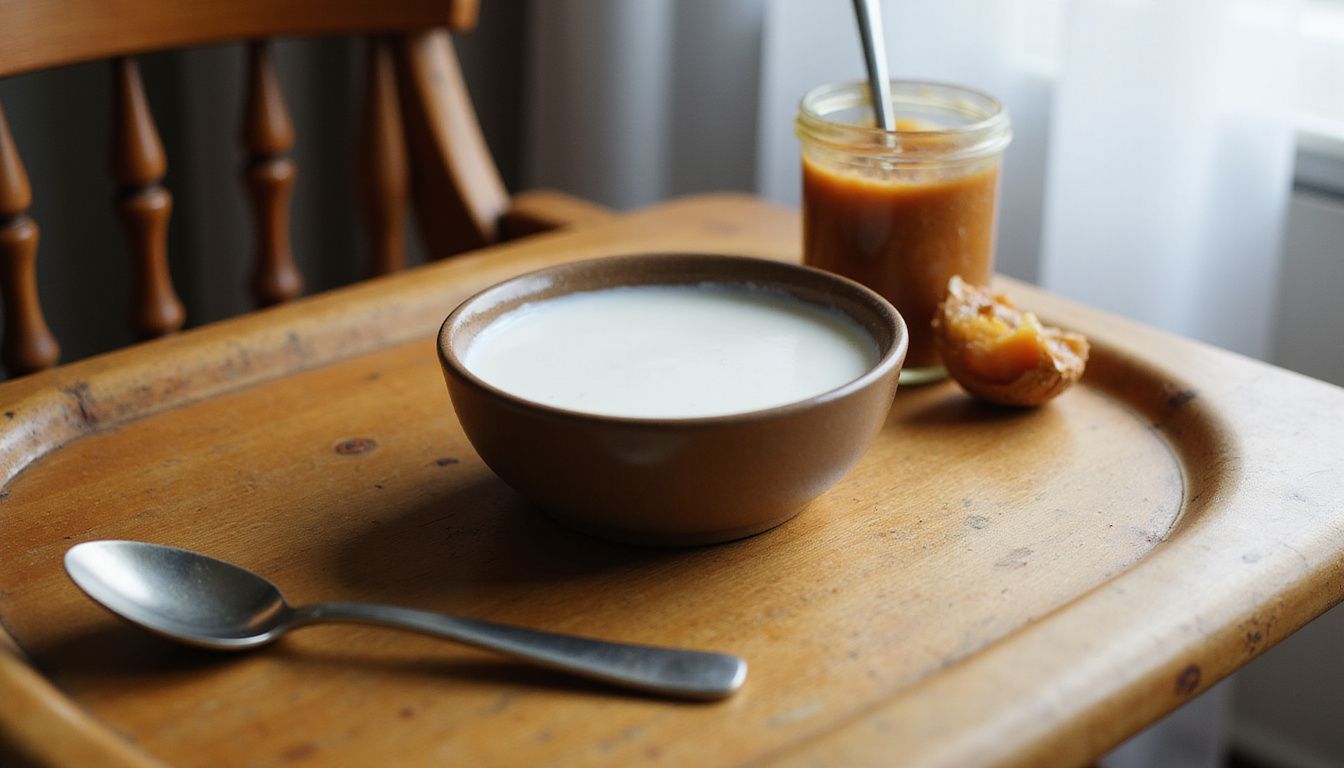
Heavy cream and heavy whipping cream taste great in recipes, but they may not suit my baby’s diet. Heavy creams contain high fat levels that might upset a young baby’s tummy or digestion.
Infants can react to milk products, causing allergies or sensitivities like bloating, rash, or discomfort. Substitutes for heavy cream like coconut milk, cashew milk, silken tofu mixed with soy milk, whole milk with melted butter or even cottage cheese and low-fat milk give similar creamy texture but gentler nutrition options for babies.
Choosing the right substitutes helps keep your baby healthy and happy.
Dairy-Based Heavy Cream Substitutes for Infants
As a parent, I often look for safe dairy-based options to replace heavy cream in baby food. Here are some simple substitutes using whole milk, cottage cheese or cornstarch that blend smoothly into your infant’s meals.
Whole Milk and Butter
I often use whole milk and melted butter as a substitute for heavy cream in baby food. This option gives foods like mashed potatoes, creamy soups, or puddings a smooth texture with less fat than heavy whipping cream.
Typically, I mix about three-fourths cup of whole milk with one-fourth cup of unsalted butter to match one full cup of heavy cream in recipes. Whole milk alone has fewer calories and less fat compared to double cream, but adding butter increases the richness babies need while growing.
Choosing fresh liquid milk and real unsalted butter helps keep my baby’s meals natural without unwanted extras—the next option combines milk and cornstarch for another creamy alternative!
Milk and Cornstarch
Milk and cornstarch is a good stand-in for heavy cream in baby food recipes. Whole milk has less fat than heavy cream, but adding cornstarch makes it thicker and creamy. To use this substitute, I mix one cup of whole milk with two teaspoons of cornstarch.
I heat the mixture gently until it thickens slightly. This dairy alternative works well in baby smoothies, soups like tomato soup, muffins, or quick breads where thickness matters more than high-fat content.
Since some babies may have allergies or sensitivities to corn products, always check labels carefully before using cornstarch. Another tip is to pick organic varieties if possible to avoid added chemicals or GMO ingredients sometimes found in non-organic options.
Next up are cottage cheese and milk substitutes that offer protein-rich choices for your little one’s diet.
Cottage Cheese and Milk
I often mix cottage cheese and whole milk to get a healthy substitute for heavy cream. Cottage cheese has protein and calcium, great nutrients for your infant’s growth. Blend equal parts cottage cheese and whole milk in a blender until smooth.
It forms a creamy mixture that’s ideal for cream-based soups or mashed vegetables prepared as baby food.
This dairy-based option is easy to make at home, saves money, and adds valuable nutrition like vitamins and protein into my baby’s meals. Always choose low-sodium cottage cheese when feeding infants to control their salt intake better.
Next, let’s explore some safe non-dairy heavy cream substitutes suitable for infants who require dairy-free options.
Non-Dairy Heavy Cream Substitutes for Infants
I’ll share a few healthy and tasty non-dairy options—like creamy coconut milk or soft silken tofu—that work great for infants, so read on to learn more.
Coconut Cream
Coconut cream makes a creamy, dairy-free choice for baby foods. This thick and mild-flavored coconut product works well as a vegan alternative to heavy cream in purees, soups, and even fruit smoothies.
With healthy fats that help infant brain growth, coconut cream adds richness without the dairy or lactose concerns of whole milk or heavy whipping cream. Before adding coconut-based products to my baby’s diet, I always check with our pediatrician first due to potential allergies.
Still, once cleared by the doctor, mixing full-fat coconut milk or smooth coconut cream into homemade meals provides nutrition and taste babies often enjoy right away.
Silken Tofu and Soy Milk
I often use silken tofu and soy milk as a protein-rich substitute for heavy cream in baby food. Silken tofu has a creamy texture, ideal for blending into soups or mashed veggies to add thickness and nutrition.
Soy milk is a mild-tasting, dairy-free substitute, perfect for infants who can’t have cow’s milk products. Mixing these two plant-based ingredients creates an easy vegan alternative with added calcium and protein to support healthy growth and development in babies.
Cashew Milk
I like cashew milk as a dairy-free substitute for heavy cream in baby foods. Cashew milk has a creamy, mild taste babies usually accept easily and contains healthy fats plus vitamins important to infant growth.
For homemade purees or cream-based soups, I blend soaked raw cashews with water until smooth, making sure the texture suits my child’s eating stage.
Cashew milk adds richness to meals without being overly heavy—helpful if your baby has sensitivities to regular cows’ milk or soy milk products. Store-bought versions often contain extra nutrients such as calcium and vitamin D; buying unsweetened varieties lets me control sugar intake better.
Even though cashew allergies are less common than dairy ones, check carefully before serving it the first time.
Tips for Choosing the Best Substitute
I always check nutritional facts to make sure my baby gets healthy meals. Then, I think about possible allergies, and pick easy-to-use ingredients like coconut cream or whole milk.
Nutritional Value
Replacing heavy cream with healthy substitutes gives meaningful gains in nutritional value for my baby’s diet. Whole milk and butter offer strong bone-building calcium, vitamins A and D, and energizing fats for steady growth.
For a protein-rich substitute, cottage cheese combined with skim milk adds muscle-friendly protein and calcium without too much fat. Non-dairy options like silken tofu mixed with soy milk give great plant-based protein plus iron, calcium, and B vitamins to support brain development.
Coconut cream delivers an easy-to-digest dairy-free substitute full of good fats important for my child’s brain health. Cashew milk provides light yet nutrient-rich calories packed with helpful minerals such as magnesium along with gentle flavors suitable even in mild cream-based soups or baked goods prepared at home.
Selecting these nourishing alternatives ensures that the meals I prepare at home taste creamy while boosting daily value through careful choice of ingredients safe enough even for infants’ sensitive diets.
Allergies and Sensitivities
Besides nutrition, allergies and sensitivities matter a lot in choosing substitutes for heavy cream. My nephew had dairy intolerance as an infant, so I learned firsthand about safe options like coconut milk or coconut cream and cashew milk to prevent allergic reactions.
Soy milk is another plant-based milk choice that works well for babies sensitive to dairy, but check first if there’s a soy allergy.
Cottage cheese mixed with milk can provide protein-rich benefits similar to heavy cream; still, infants with lactose issues may react poorly. For those tiny stomachs needing careful care due to food allergies, silken tofu blended with oat milk provides creamy texture without triggering common allergens such as cow’s milk or nuts.
Always talk with your child’s doctor before trying new ingredients if potential sensitivity exists.
Ease of Preparation
I prefer heavy cream substitutes that are easy to make in my own kitchen. Mixing whole milk and butter takes just a few minutes on the stovetop. Coconut cream or cashew milk blends up quickly for dairy-free baby food options with my standard home blender.
Silken tofu combined with soy milk smoothly mixes into creamy textures, no heating needed. Cottage cheese and milk take minimal stirring to reach the right consistency for nutritious meals at home.
Simple steps mean less fuss and give me peace of mind knowing exactly what goes into each serving.
Conclusion
Finding healthy substitutes for heavy cream in baby recipes can be practical and easy. Dairy-based options like whole milk with butter or cottage cheese blended with milk add great nutrients.
Non-dairy alternatives such as coconut cream, cashew milk, or silken tofu mixed with soy milk offer tasty choices if dairy isn’t an option. Always focus on nutritional value, food allergies, and simple preparation methods to choose the right substitute at home.
Making smart changes now helps your infant grow strong—every small choice counts!
FAQs
1. Can infants have heavy cream in baby food recipes?
Heavy cream is often too rich for babies, so it’s better to use lighter substitutes like whole milk, greek yogurt, or coconut milk instead.
2. What non-dairy milk options work best as heavy cream substitutes for infants?
Plant-based milks such as almond milk, oat milk, soy milk, and full-fat coconut milk are gentle dairy-free substitutes that blend well into baby foods.
3. Is silken tofu safe to replace heavy whipping cream in infant meals?
Yes, silken tofu is a protein-rich substitute that’s smooth and mild—perfectly safe and nutritious when blended into soups or purees for babies.
4. How can I make homemade vegan alternatives to heavy cream suitable for my baby’s diet?
You can easily mix cashew cream with neutral oil or use coconut cream mixed lightly with vanilla extract; both offer creamy textures without dairy products.
5. Are there healthier choices than melted butter mixed with skim milk when replacing heavy cream in baby recipes?
Instead of melted butter and skim milk mixtures—which may lack nutrients—try olive oil combined with plant-based milks or greek yogurt; these provide healthy fats important for growth.
6. Can I safely add whipped topping or coffee creamer instead of single cream when preparing infant-friendly desserts like ice creams or caramel sauce toppings?
Avoid whipped topping and coffee creamer—they contain additives not ideal for infants; choose natural options like dairy-free ice creams made from coconut milk or simple crème fraîche if tolerated by your child.