“This post contains affiliate links. As an Amazon Associate, I earn from qualifying purchases”
Mosquitoes in the backyard are annoying. I’ve learned that they lay thousands of eggs in standing water each year. I found some effective natural ways to keep them at bay. Here are some handy tips.
First, remove any standing water where mosquito eggs thrive. This includes bird baths, buckets, and pots. Then, plant mosquito repellent plants like lemon balm and lavender around your yard; these plants help keep mosquitoes away with their scent.
Next, use essential oils like lavender oil and lemon eucalyptus oil as natural repellents. You can apply these oils on your skin or use them in a diffuser to create a mosquito-free zone around you.
Setting up bat boxes is another smart move—bats eat mosquitoes, reducing their population near your home. Also, DIY mosquito traps can catch adult mosquitoes, limiting their breeding.
Lastly, keeping the yard weeded and trimmed reduces hiding spots for mosquitoes during the day—making it less attractive for them to stick around.
These steps will help you control mosquitos naturally without relying on harsh chemicals—a win-win for everyone!
Key Takeaways
- Get rid of standing water to prevent mosquitoes from laying eggs. Empty pots and fill tree holes with sand.
- Grow plants like citronella and lavender to naturally repel mosquitoes.
- Make safe mosquito sprays for people and pets using essential oils, such as lemon eucalyptus oil.
- Invite birds and bats into your yard; they eat mosquitoes and help lower their numbers.
- Trim bushes and use outdoor fans in your yard. This makes it tough for mosquitoes to live there.
Eliminate Mosquito Breeding Sites
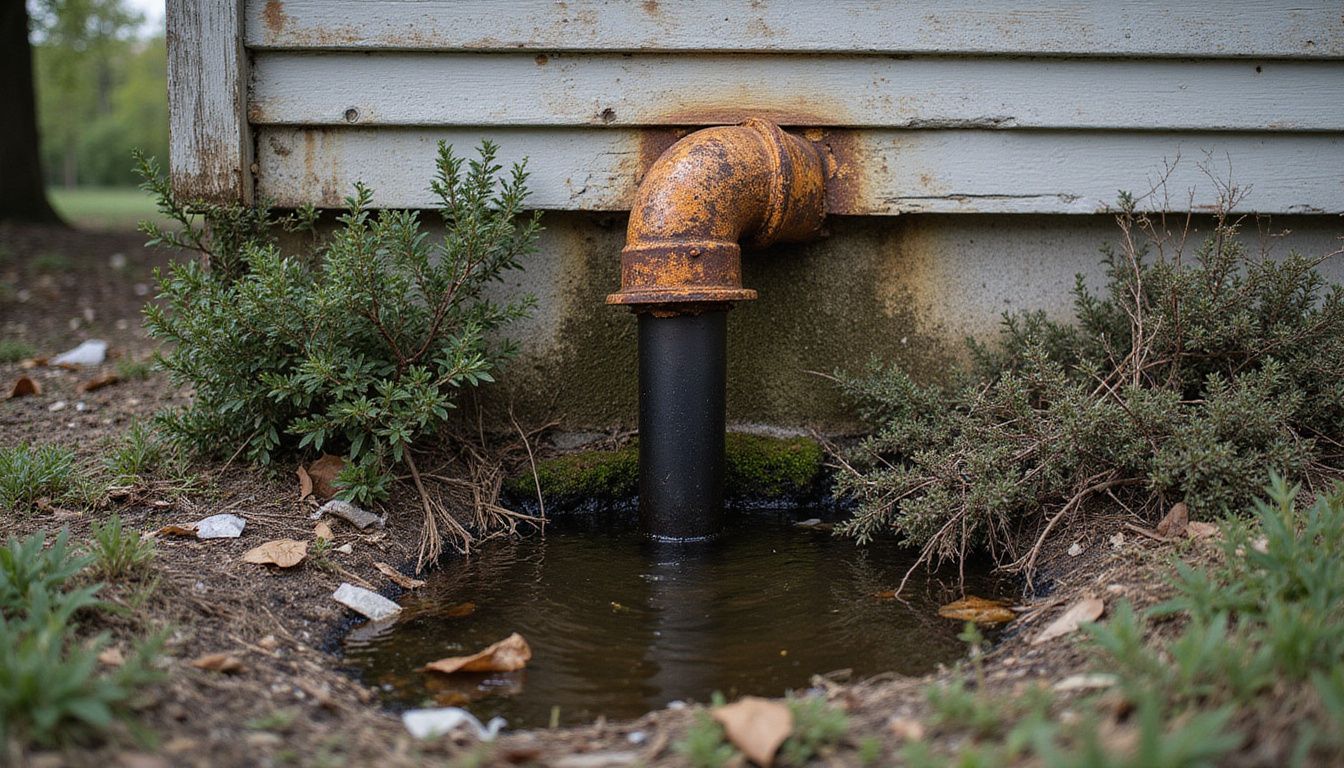
I clear standing water, fix roof drains, and fill in tree holes to stop mosquitoes from laying eggs.
Remove standing water
To control mosquitoes, I start by removing standing water. This prevents them from laying eggs.
- I walk around my yard to find containers like buckets and bird baths that catch rainwater. I empty these every week.
- For spots where rainwater collects, such as tree hollows, I fill them with sand to soak up the water.
- Outdoor tires can hold rainwater too. I drill holes in the bottom of playground tires for drainage.
- Any outdoor leaks or drips get fixed right away. A steady drip creates a perfect place for mosquito eggs.
- Pet bowls need fresh water daily to stop mosquito larvae from growing.
- Trash and recycling bins must have tight lids to keep out rainwater.
- Gutters and drains are cleaned regularly to prevent clogs, which can be breeding grounds for mosquitoes.
- Ornamental ponds work best with a pump; it keeps the water moving so mosquitoes don’t lay eggs there.
- Low areas in the yard that gather water are leveled out to avoid puddles forming.
These steps help me keep mosquitoes away from my backyard, making it safer and more enjoyable during warm months. It also reduces the risk of diseases like Zika virus and yellow fever that mosquitoes can spread.
Clean gutters and drains
After removing standing water, I turn my attention to the gutters and drains to stop mosquitoes from breeding.
- I regularly check gutters for blockages caused by leaves and debris which prevent water from flowing properly.
- I use a ladder and wear gloves to remove any leaves and twigs from the gutters.
- I install gutter guards to keep leaves out while allowing water to pass through.
- After cleaning, I flush the gutters with a garden hose to ensure water flows freely.
- I also examine downspouts for blockages, especially near the ground.
- I clear leaves and debris from outdoor drains to prevent water from pooling.
- When I find water collecting, I make sure it has a way to drain or dry quickly.
For these tasks, I use gloves, a garden hose, and sometimes a plumber’s snake for hard-to-clear clogs in drains or downspouts.
Fill tree holes and low spots
I found out mosquitoes lay eggs in standing water. Filling tree holes and low spots helps stop them from breeding.
- Look around the yard for places where water collects. This could be in tree holes, old tires, or dips in the ground.
- Use a garden hose to fill small dips in the lawn. This makes the ground level and stops water from gathering.
- For bigger tree holes, mix sand with soil until it’s firm. Then pack this mix into the hole until it’s full.
- In cases with large low spots in the yard, consider adding more soil to raise the area. This keeps rainwater from pooling.
- Sometimes, create a drainage path to help water flow away from problem areas. Digging a shallow trench can work.
- Planting grass or other plants in filled areas also helps absorb extra moisture and reduces breeding spots for mosquitoes.
- Check these spots regularly, especially after rain, to make sure they stay filled and dry.
Doing this cuts down on mosquito larvae turning into biting adults in my backyard—making summer nights more enjoyable without pesky mosquito bites or worries about mosquito-borne diseases.
Use Natural Mosquito Repellents
Using natural mosquito repellents like essential oils and planting mosquito-repellent plants in your garden keeps mosquitoes away safely.
Plant mosquito-repellent plants like citronella and lavender
I want to make my backyard mosquito-free by planting certain plants.
- Citronella, a strong-smelling tall grass, keeps mosquitoes away. People use its oil in mosquito-repellent candles.
- Lavender smells sweet and repels mosquitoes, helping prevent bites.
- Lemon balm has a citrus scent that drives mosquitoes away. It grows well in both pots and gardens.
- Marigolds contain pyrethrum, used in insect repellent sprays, protecting my patio from bugs.
- Basil emits a strong odor that wards off mosquitoes and is great for cooking too.
- Peppermint’s potent smell deters mosquitoes. Its leaves can be crushed to make natural bug spray.
- Catnip is more effective than DEET at repelling mosquitoes and is safe around pets.
These plants will beautify my garden while keeping it free of annoying insects.
Use essential oils such as lemon eucalyptus oil
Essential oils, particularly lemon eucalyptus oil, play an integral role in my strategy to control mosquitoes in the backyard. This oil has a pleasant aroma and serves efficiently as a mosquito repellent.
It’s equally practical as commercial repellents and has a more natural touch. By adding a few drops to water or witch hazel, I produce an environmentally friendly spray for seating areas and window sills.
“Lemon eucalyptus oil provides natural protection from mosquitoes.”
In a similar vein, I grow plants in my garden that naturally repel these insects.
Create homemade mosquito sprays
I made my mosquito spray and it works well. Here are the steps:
- First, I got a clean spray bottle.
- I mixed equal parts of water and apple cider vinegar in the bottle.
- Then, I added 20 drops of lemon eucalyptus oil for its repellent benefits.
- I also put in 10 drops of lavender oil to improve the scent and repel mosquitoes.
- After adding everything, I shook the bottle to mix the oils with water.
- Every time before using, I shake the bottle to ensure the oils are well-blended.
This method is simple and safe for humans and pets. Lemon eucalyptus oil is effective against mosquitoes like DEET is. Lavender oil adds a nice smell while keeping mosquitoes away.
I use this spray all summer for mosquito control.
Encourage Natural Predators
To fight mosquitoes, I bring in nature’s warriors to my yard. This means attracting animals and insects that naturally prey on mosquitoes.
Attract birds and bats
I make my backyard welcoming for birds and bats to reduce mosquitoes.
- I plant native flowers and shrubs. These attract birds by providing natural food sources.
- A water feature, like a birdbath or pond, draws birds for drinking and bathing.
- Bird feeders filled with seeds lure birds who also eat mosquitoes.
- Installing birdhouses offers safe nesting spots for birds.
- Bat boxes on trees encourage bats to stay. They consume many insects nightly, including mosquitoes.
- I avoid pesticides. They can harm the beneficial animals I’m trying to attract.
- Keeping cats inside prevents them from scaring away visiting birds.
- Offering nesting materials like twigs encourages bird nesting in the area.
- Night-scented flowers attract bats active at dusk.
These actions have made my backyard less attractive to mosquitoes while supporting local wildlife.
Stock ponds with mosquito-eating fish
Mosquitoes lay eggs in standing water. To stop them, use natural methods:
- Mosquito fish eat mosquito larvae, preventing them from becoming adults. Add these fish to your pond to reduce mosquitoes.
- Koi and goldfish also eat mosquito larvae, but not as efficiently as mosquito fish.
- These fish are low maintenance; they need clean water and food.
- They thrive in outdoor ponds with enough space and a steady diet of mosquitoes.
Using this method is eco-friendly, avoiding chemical harm.
Quick results are typical; you’ll notice fewer mosquitoes within days.
Adding fish enhances the beauty of your pond with their colors and movement.
This approach benefits both people and the environment by reducing mosquitoes naturally.
Now for natural mosquito repellents…
Additional Preventive Measures
To protect my yard from mosquitoes, I make small changes that really help. These steps keep mosquitoes away and let me enjoy my backyard without them bothering me.
Use outdoor fans
I discovered that using outdoor fans helps keep mosquitoes away in my backyard. The wind disrupts their flying, making it tough for them to get close. Since mosquitoes are not strong flyers, a soft breeze is enough to scatter their flight path.
I placed several fans near where we sit and saw a drop in mosquito bites.
Outdoor fans also move air on warm days, so it feels cooler for me and my guests. I chose fans made for outside use to avoid damage from weather. This strategy works well during summer nights outdoors.
Avoid fragrant products outdoors
Perfumes and strong-smelling lotions attract mosquitoes. Last summer, wearing my favorite floral lotion led to lots of mosquito bites. Now, I avoid strong scents for outdoor activities.
I also learned that sweet-smelling shampoos, conditioners, and laundry detergents draw mosquitoes. Switching to unscented products for events outside made a big difference. Fewer mosquitoes bother me now.
Cutting down on these fragrances helps in preventing mosquito bites.
Keep vegetation trimmed and tidy
Last summer, I learned that mosquitoes hide in tall grass, weeds, and dense shrubs. After many bites, I started cutting the lawn often and trimmed trees and bushes. It helped because mosquitoes lost their hiding spots.
I also cleared away dead plants and leaves to prevent standing water where mosquito eggs thrive. Next, I found that outdoor fans are effective against mosquitoes.
Conclusion
In order to deter mosquitoes from my backyard, my first step was to eliminate stagnant water, the preferred breeding ground for these insects. I took care of gutters, pots, and outdoor toys that were hosting water.
Subsequently, I found out that growing mosquito-deterrent plants such as citronella and lavender close to my patio has a good effect. Moreover, establishing a bat box proved beneficial as bats consume a large number of mosquitoes.
Along with that, utilizing outdoor fans and maintaining short grass also served to make my yard less appealing to these nuisances. These measures ensured a pleasant time outdoors without the inconvenience of mosquito bites.
FAQs
1. What are some natural methods to get rid of mosquitoes in my backyard?
Natural mosquito repellents like essential oils, citronella candles, and certain plants can help. Lemon eucalyptus oil, lavender oil, and lemon balm are effective options. You could also set up a bat box or use DIY mosquito traps.
2. Can standing water in my yard attract mosquitoes?
Yes, standing water is where mosquito eggs hatch into larvae. To prevent this, remove any sources of standing water such as tree holes or unused containers.
3. How does air conditioning help with mosquito prevention?
Mosquitoes are attracted to carbon dioxide from human breath which air conditioning can dilute thereby reducing their attraction to your home.
4. Are there specific plants that repel mosquitoes?
Yes! Mosquito repellent plants like aromatic herbs and lemon balm can deter these pests from your vegetable garden or other areas around the house.
5. What steps should I take for effective pest management against mosquitoes?
Remove potential breeding sites by eliminating standing water and keeping the yard clean through regular weeding helps a lot! Using natural mosquito repellants along with professional pest control services like Mosquito Ranger may be beneficial too!
6. Why do I still get bitten even after using insect repellant?
Some species like the Asian tiger mosquito bite during daylight hours when people typically don’t apply repellant; it’s best to reapply frequently especially if you’re outdoors.